


close
Choose Your Site
Global
Social Media


Views: 222 Author: Rebecca Publish Time: 2026-01-03 Origin: Site


Content Menu
● Understanding PBAT Masterbatch
>> Key Properties of PBAT Masterbatch
● The Rise of PBAT Materials in Israel
>> Factors Driving PBAT Development in Israel
● Top PBAT Masterbatch Manufacturers And Suppliers in Israel
>> 2. Carmel Olefins (Braskem Israel)
>> 4. Gadot Chemical Terminals Ltd.
>> 5. Polyram Plastic Industries Ltd.
● Applications of PBAT Masterbatch in Israel and Beyond
● Why Source PBAT Masterbatch from Israeli Suppliers?
● Challenges and Future Outlook
● FAQ
>> 1. What is PBAT masterbatch used for?
>> 2. Are PBAT masterbatches fully biodegradable?
>> 3. Which industries in Israel use PBAT masterbatch?
>> 4. How do Israeli suppliers ensure the quality of PBAT masterbatch?
>> 5. Can PBAT masterbatch be blended with other biodegradable polymers?
The global plastics industry is experiencing a major transformation as sustainability becomes a top priority for manufacturers and governments alike. Israel, well known for its technology-driven economy, is no exception. The country's polymer and bioplastic sectors are embracing advanced materials like PBAT masterbatch—a biodegradable and compostable polymer modifier that enables eco-friendly plastic production. This article explores the top PBAT masterbatch manufacturers and suppliers in Israel, their capabilities, and how they contribute to sustainable plastic solutions worldwide.

Polybutylene adipate terephthalate (PBAT) is a biodegradable polymer derived from 1,4-butanediol, adipic acid, and terephthalic acid. PBAT is flexible, tough, and has properties similar to low-density polyethylene (LDPE), making it ideal for packaging films, shopping bags, and agricultural mulch films.
A PBAT masterbatch is a customized pellet formulation combining PBAT resin with pigments, additives, or fillers. These masterbatches enhance the material's mechanical, rheological, and thermal properties, while also modifying color or biodegradability levels.
- Biodegradable and compostable — PBAT breaks down naturally under composting conditions.
- Versatile processing — Works well with extrusion, blow molding, and casting processes.
- Adjustable flexibility and strength — Can be formulated for specific performance needs.
- Compatibility — Easily blends with PLA, PBS, or starch-based polymers.
For Israeli manufacturers, PBAT masterbatch development has become a symbol of their commitment to green innovation and sustainable packaging.
Israel's polymer industry has rapidly evolved from traditional plastics to advanced sustainable materials. Local R&D initiatives, government-funded eco-programs, and university collaborations have positioned Israel as a hotspot for biodegradable polymer innovations.
Israeli PBAT masterbatch manufacturers and suppliers offer global clients not only material supply but also design and formulation support. Their expertise extends from lab-scale polymer customization to industrial-scale production.
1. Environmental regulations encouraging reduction of traditional single-use plastics.
2. Export market potential, especially in Europe and North America, where demand for compostable plastics is increasing.
3. Academic collaboration with institutions such as the Technion and Hebrew University for biopolymer research.
4. Technological innovation in compounding and additive formulation.
With these factors, Israel's PBAT ecosystem has become a thriving hub for global buyers searching for sustainable solutions.
The following companies represent the leading PBAT masterbatch manufacturers and suppliers in Israel, recognized for their innovation, quality systems, and international reach.
Tosaf is one of Israel's largest and most influential masterbatch producers. The company develops a wide range of additive and color masterbatches for the packaging, agriculture, and construction sectors.
Tosaf's biodegradable masterbatch line, including PBAT-compatible compounds, combines environmental responsibility with high-performance standards. Their manufacturing facilities operate under ISO 9001 and ISO 14001, ensuring high quality and sustainability consistency.
Key strengths:
- Wide portfolio of bio-based masterbatches.
- Global supply network across 50+ countries.
- Custom formulations for PBAT and PLA blends.
Carmel Olefins, a subsidiary of Bazan Group, has a significant presence in Israel's polymer industry. While originally focused on polyolefins, the company has expanded to produce biodegradable polymer modifiers and masterbatches compatible with PBAT resins.
Carmel's R&D division emphasizes circular economy principles, developing bio-compounds that meet EU biodegradability standards and enhance PBAT's performance in flexible packaging.
Advantages:
- Advanced polymer research capabilities.
- Integration with large-scale petrochemical facilities.
- Reliable export channels to Europe and Asia.
Ampacet, a global masterbatch leader with an established site in Israel, produces specialty formulations that serve environmental solutions. Their PBAT masterbatch line includes color concentrates and performance additives designed for compostable films.
Ampacet's ECOCHOICES™ product family provides PBAT-compatible colorants and stabilizers certified for compostable plastics under EN 13432 and ASTM D6400 standards.
Highlights:
- Extensive testing infrastructure.
- Focus on sustainable pigment systems.
- Strong global technical support for product integration.
Gadot Chemicals specializes in importing, distributing, and compounding polymer materials, including PBAT masterbatch for Israel's growing green packaging and agricultural film markets.
Through partnerships with Asian and European compounders, Gadot supplies custom PBAT formulations for film extrusion and biodegradable bag production.
Key advantages:
- Strong logistics and raw material supply chain.
- Flexibility in sourcing and custom blending.
- Support for smaller-scale production and R&D projects.
Polyram is an Israeli leader in thermoplastic compounds and masterbatches, supplying multiple industries worldwide. Their biodegradable masterbatch range integrates PBAT with advanced additives for improved processing stability and tensile properties.
With advanced extrusion technology and lab support, Polyram creates tailor-made PBAT solutions suited for consumers seeking strong yet compostable materials.
Strengths:
- Over 40 years of compounding experience.
- Focused innovation in eco-plastics.
- Extensive global export operations.
A growing name in Israel's biodegradable materials sector, Adifex focuses exclusively on bio-based polymers such as PBAT, PLA, and PBS. The company collaborates with universities and packaging firms to design biodegradable masterbatch systems.
Adifex's PBAT formulations are widely used for compostable shopping bags, mulch films, and packaging foils, offering high flexibility and excellent printability.
Distinctive features:
- 100% biodegradable product line.
- Strong local R&D team.
- Partnership opportunities for private-label manufacturing.
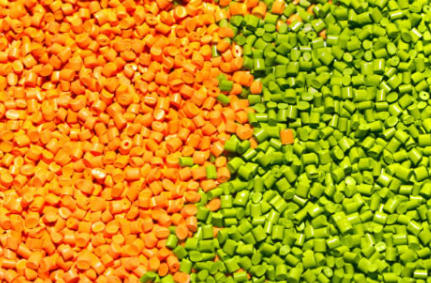
Israeli PBAT masterbatch manufacturers and suppliers contribute significantly to several key markets:
- Packaging — Compostable bags, food wraps, and film packaging.
- Agriculture — Mulch films, plant pots, and biodegradable covers.
- Consumer goods — Cutlery, straws, and disposables made from eco-friendly materials.
- 3D printing — Biodegradable filaments with PBAT-based additives.
As consumers and brands seek greener materials, PBAT masterbatch continues to bridge the gap between functionality and sustainability.
Israel's reputation for innovation and its robust polymer industry make it a strategic choice for international buyers. Partnering with Israeli PBAT masterbatch manufacturers and suppliers provides benefits such as:
1. Customized solutions — Tailored formulations for exact performance requirements.
2. Quality assurance — Strict adherence to ISO and global environmental standards.
3. R&D collaboration — Israeli firms often co-develop new compounds alongside clients.
4. Efficient logistics — Proximity to Europe, Middle East, and Asia via modern port infrastructure.
5. Sustainability focus — Deep integration of green chemistry and life-cycle management.
By choosing Israeli partners, international brands can strengthen their green credentials while securing reliable supply and competitive pricing.
Despite Israel's strong innovation ecosystem, the PBAT masterbatch industry faces challenges including:
- High production costs due to feedstock limitations.
- Dependence on imported biodegradable resins.
- Limited domestic composting infrastructure to fully realize end-of-life benefits.
However, ongoing research in bio-based raw materials and recycling-compatible PBAT blends promises a positive future. Companies are investing in scaling up local production and developing hybrid PBAT masterbatches compatible with mechanical recycling, aligning sustainability with economic efficiency.
Over the next decade, Israel's PBAT industry is expected to become a major export strength, supporting global transitions toward circular plastics.
Israel's PBAT masterbatch manufacturers and suppliers demonstrate a powerful synergy between scientific innovation and environmental responsibility. Companies like Tosaf, Ampacet, and Polyram drive the bioplastics revolution with advanced formulations that meet international compostability and performance standards.
For global businesses aiming to integrate eco-friendly materials into their products, Israel offers a dynamic, research-oriented, and quality-driven PBAT supply chain. With continuous technological progress and policy support, Israel will remain a pivotal force in the global biodegradable polymer market.
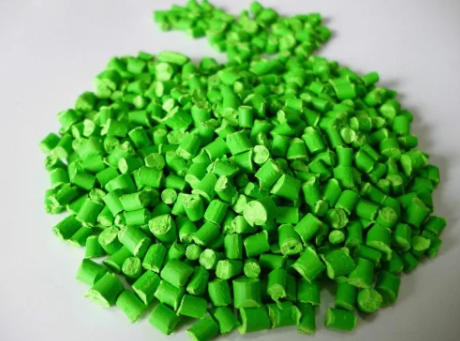
PBAT masterbatch is used to enhance biodegradable plastics by adding color, strength, flexibility, and processing stability. It's widely used in compostable packaging, agricultural films, and eco-friendly consumer products.
Yes. PBAT masterbatches formulated with compatible additives and pigments can maintain full compostability as long as they meet standards like EN 13432 or ASTM D6400.
Major Israeli industries using PBAT masterbatch include packaging film manufacturers, agricultural product makers, and companies developing biodegradable consumer goods.
They use ISO-certified manufacturing systems, rigorous lab testing, and R&D collaboration to develop high-performance, compliant materials that meet global standards.
Absolutely. It's often blended with PLA (polylactic acid), PBS (polybutylene succinate), or starch-based polymers to enhance mechanical and thermal balance.


