


close
Choose Your Site
Global
Social Media


Views: 222 Author: Rebecca Publish Time: 2026-01-03 Origin: Site


Content Menu
● Understanding PBAT and Its Role in Biodegradable Plastics
● Indonesia's Growing Bioplastics Industry
● Top PBAT Masterbatch Manufacturers And Suppliers in Indonesia
>> 1. PT Greenindo Bioplastics
● Quality Standards and Certifications
● Applications of PBAT Masterbatch in Industry
● Market Trends and Future Outlook
● Advantages of Partnering with Indonesian PBAT Masterbatch Suppliers
● How to Select the Right PBAT Masterbatch Manufacturer
● Challenges Facing PBAT Masterbatch Producers
● FAQ
>> 2. How do PBAT masterbatches improve performance?
>> 3. Are PBAT masterbatches safe for food packaging?
>> 4. How long does it take PBAT to biodegrade?
>> 5. Can PBAT masterbatch be mixed with other biodegradable resins?
As global demand for biodegradable plastics increases, Indonesia is rapidly becoming one of Asia's most active markets for sustainable materials. Among these, PBAT masterbatch manufacturers and suppliers play a crucial role in creating eco-friendly plastic solutions that balance flexibility, durability, and environmental responsibility. This article explores the top PBAT masterbatch producers in Indonesia, their capabilities, and how they contribute to global sustainability efforts.

Polybutylene Adipate Terephthalate (PBAT) is a biodegradable and compostable polymer widely used in eco-friendly film applications, shopping bags, and food packaging. PBAT's chemical composition allows it to break down naturally under industrial composting conditions, making it a sustainable alternative to conventional plastic such as LDPE or PP.
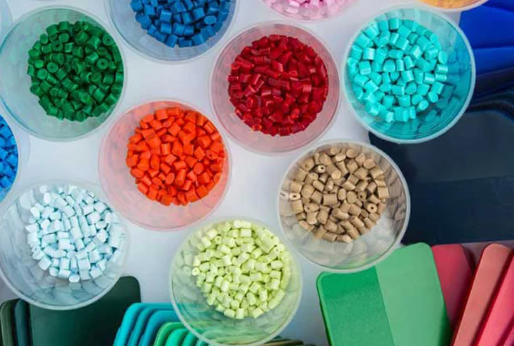
In manufacturing, PBAT is often blended with PLA (Polylactic Acid), starch, or other biodegradable materials to achieve desired mechanical and thermal properties. To improve coloring, UV resistance, processability, and strength, PBAT-based materials are commonly combined with masterbatches — concentrated mixtures of pigments or additives dispersed in a carrier resin. This makes PBAT masterbatch manufacturers and suppliers vital partners in the bioplastics value chain.
Indonesia's government actively encourages green manufacturing and biodegradable material development through national strategies aimed at reducing plastic waste. Supported by both local enterprises and foreign investments, the industry sees rapid growth.
Several factors drive this progress:
- Abundant agricultural resources provide starch and other bio-feedstocks.
- Government incentives promote biodegradable plastic production.
- Growing export demand from Europe, North America, and East Asia.
- Increased eco-awareness among local converters and packaging producers.
As a result, many companies are now developing localized PBAT masterbatch production to serve global markets more efficiently.
Below are some of the most reputable PBAT masterbatch manufacturers and suppliers in Indonesia known for quality, innovation, and reliability.
PT Greenindo Bioplastics is one of Indonesia's pioneers in eco-material manufacturing. The company specializes in biodegradable PBAT masterbatches used for film extrusion, injection molding, and compostable packaging. Their facility uses imported PBAT resins and locally sourced starch-based fillers to produce masterbatches with excellent dispersion and consistent quality.
Key Products:
- PBAT biodegradable color masterbatch
- PLA/PBAT blend additive masterbatch
- Antioxidant and UV-stabilized PBAT masterbatch
Highlights:
- ISO 14001 and ISO 9001 certified
- In-house technical support and testing
- Custom color matching for international clients
EcoPoly Indonesia focuses on sustainable polymer solutions for flexible packaging, offering masterbatches for PBAT, PLA, and starch blends. They provide export-grade biodegradable compounds and customized color formulations. EcoPoly's R&D lab collaborates with local universities to enhance product performance and cost efficiency.
Special Features:
- Competitive export pricing
- Biodegradability certification (EN 13432 and ASTM D6400)
- Technical expertise in blown film extrusion
BioResin Nusantara has built a strong reputation as a PBAT masterbatch supplier serving both domestic and international converters. Their expertise lies in creating high-performance biodegradable compounds that meet industrial composting standards.
Products and Applications:
- PBAT-based compostable film masterbatch
- Starch-filled PBAT additive masterbatch
- Biodegradable packaging pellets
The company emphasizes sustainability by using renewable biomass feedstocks and minimizing carbon emissions throughout the production process.
With over a decade of experience in polymer compounding, Indoplas Biocompound recently expanded into biodegradable PBAT masterbatch production. Their technology integrates high dispersion efficiency, excellent color stability, and superior compatibility with PBAT, PLA, and PBS blends.
Advantages:
- Advanced twin-screw extruders for consistent quality
- Custom formulation options
- Strong domestic supply network
Biogreen Innovations is a dynamic technology-driven company manufacturing biodegradable masterbatches for PBAT materials. Their focus lies in R&D, ensuring that each batch meets the needs of international clients for eco-friendly packaging and compostable film products.
Product Portfolio:
- Organic pigment PBAT masterbatch
- Bio-compostable black and white masterbatch
- Anti-block and anti-fog additives
Their customer-centric approach and strict quality inspection make them one of the most trusted PBAT masterbatch manufacturers in Indonesia.
Most leading PBAT masterbatch manufacturers and suppliers in Indonesia comply with international standards such as:
- EN 13432 (EU Compostability Standard)
- ASTM D6400 (US Compostability Standard)
- ISO 9001:2015 (Quality Management Systems)
- ISO 14001:2015 (Environmental Management Systems)
Certifications ensure that biodegradable plastics produced using these masterbatches are safe, environmentally friendly, and suitable for global export markets.
PBAT masterbatches enable a wide range of eco-friendly applications across industries:
- Compostable shopping bags – Flexible, tear-resistant, and decomposable.
- Agricultural mulch films – Break down naturally in soil after use.
- Food packaging films – Safe and certified for direct food contact.
- Disposable cutlery and containers – Reduce landfill waste.
- Protective films and industrial wraps – Combine strength and biodegradability.
The inclusion of the right masterbatch enhances product quality by improving film clarity, tensile strength, and processing efficiency.
The global PBAT market is projected to grow significantly due to stricter environmental regulations and increasing consumer awareness. Indonesia's strategic position as a hub for both raw materials and skilled workforce enables it to become a major exporter of PBAT masterbatch blends and biodegradable compounds.
Emerging trends include:
- Customized formulations for specific end uses
- Local R&D partnerships for innovation
- Circular economy models encouraging compostable material recycling
- Integration of bio-fillers from agricultural waste
These advancements signify a positive future for PBAT masterbatch manufacturing in Indonesia.
Choosing PBAT masterbatch manufacturers and suppliers in Indonesia offers several advantages:
- Cost-effective production due to low material and labor costs
- Access to local renewable resources such as tapioca starch
- Strong logistics infrastructure supporting international export
- R&D support and customization for niche markets
- Compliance with global green standards
International buyers often find Indonesian manufacturers more flexible in product development and small-batch customization than larger overseas competitors.
When selecting a reliable PBAT masterbatch manufacturer, consider the following:
1. Technical expertise – Evaluate their experience with biodegradable compounds.
2. Certification – Verify compliance with compostability standards.
3. Production capacity – Match their capabilities with your supply needs.
4. Customization ability – Ensure adaptability for color, opacity, or additive variations.
5. After-sales support – Check for ongoing technical consultation.
A long-term relationship with a trustworthy PBAT supplier can provide consistent quality, sustainability, and cost savings.
While Indonesia's PBAT industry is expanding, manufacturers and suppliers still face some challenges:
- Raw material availability – Dependence on PBAT resin imports can raise costs.
- Technology transfer – Limited domestic expertise in advanced polymer engineering.
- Market education – Need to raise awareness of biodegradable alternatives among local converters.
- Certification costs – High investment in testing and quality verification.
Nonetheless, continued government incentives and international collaboration are helping reduce these barriers.
The Indonesian biodegradable materials sector is evolving into a major regional hub, with PBAT masterbatch manufacturers and suppliers leading the green transformation. By combining competitive pricing, sustainable sourcing, and a strong commitment to innovation, these companies are making Indonesia a preferred destination for global buyers seeking high-quality, eco-friendly PBAT masterbatches. As global demand for sustainable plastic solutions continues to rise, Indonesia's PBAT industry stands ready to meet it with creativity, integrity, and environmental responsibility.
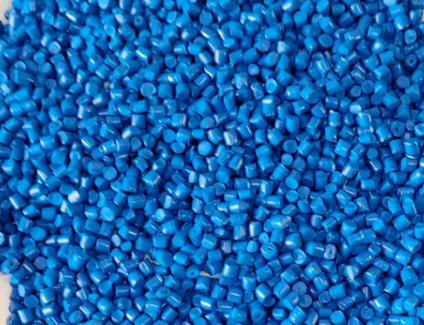
PBAT is synthesized from butanediol, adipic acid, and terephthalic acid, forming a copolymer that combines flexibility with biodegradability. It decomposes naturally under composting conditions.
PBAT masterbatches enhance color uniformity, UV protection, and mechanical strength. They also improve film processability and sustainability compliance for finished products.
Yes. Many PBAT masterbatch manufacturers and suppliers produce food-grade biodegradable formulations compliant with FDA and EU standards for direct food contact.
Under industrial composting conditions, PBAT typically decomposes within six to twelve months, depending on environmental factors such as temperature and humidity.
Absolutely. PBAT blends well with PLA, PBS, and starch-based materials, optimizing mechanical properties and cost for specific applications like packaging and agricultural films.


