


close
Choose Your Site
Global
Social Media


Views: 222 Author: Rebecca Publish Time: 2025-12-01 Origin: Site


Content Menu
● What Is a Polymer Masterbatch?
● Superior Dispersion and Product Consistency
● Easier, Cleaner, and Safer Handling
● Precise Dosing, Less Waste, and Cost Efficiency
● Design Flexibility and Application Customization
● Enhanced Process Efficiency and Sustainability
● Extended Additive Stability and Shelf Life
● Practical Advantages Across Key Industries
● The Role of Masterbatch in Industry Optimization
● FAQ About Polymer Masterbatches
>> 1. What is a polymer masterbatch?
>> 2. How is masterbatch different from direct compounding?
>> 3. Can masterbatch be used with recycled plastics?
>> 4. Does using a masterbatch affect process speed?
>> 5. How do I choose the right masterbatch?
Polymer masterbatches have revolutionized the plastics industry, enabling manufacturers to create high-performance, custom-tailored products efficiently. This guide delves into the detailed advantages of masterbatch technology for processors and end-users across various sectors, with a particular emphasis on why "Masterbatch" solutions continue to grow in significance for global manufacturing.[4][9]
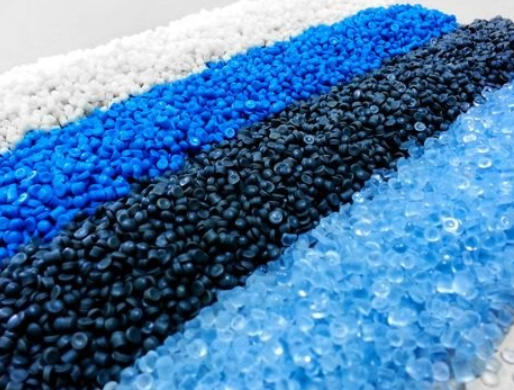
A polymer masterbatch is a highly concentrated mixture of pigments and/or additives dispersed within a carrier resin, typically delivered in the form of pellets. During processing (such as extrusion or molding), masterbatch pellets are blended with base polymers at carefully measured ratios, delivering color, performance improvements, and special effects. This technology ensures dosage precision, cleaner handling, and superior dispersion compared to the direct addition of raw powders or liquids. As such, masterbatch forms the backbone of modern plastic customization.[9][10][11][4]
When pigments or additives are pre-dispersed in a compatible carrier resin, as in a masterbatch, they are substantially easier to distribute evenly through the polymer melt. This uniform dispersion minimizes the risk of streaking, spots, or property inconsistencies in the finished product. Whether used for coloration or functional enhancement (such as UV protection or flame retardance), the outcome is greater product uniformity, reducing rejects and ensuring manufacturing runs consistently meet quality standards. Masterbatches unlock reliable product-to-product and batch-to-batch repeatability critical in high-volume, quality-driven sectors.[1][7][10][9]
Unlike raw additive powders, masterbatches are supplied as dust-free pellets, streamlining both handling and storage. This pellet form virtually eliminates airborne particles, reduces contamination risks, and vastly improves plant hygiene. Encapsulation of functional or potentially hazardous ingredients within a polymer carrier also enhances operator safety and reduces the need for specialized protective equipment. These benefits are especially important when integrating flame retardants or antimicrobial agents that, in pure forms, may pose handling challenges. As a result, masterbatch use equates to cleaner production environments and faster, safer material change-overs.[5][12][1][4]
Because masterbatch systems are highly concentrated and flow readily in automated feeding devices, processors can dose colorants and additives with pinpoint accuracy. This engineered precision reduces over-consumption, cuts raw material costs, and limits the volume of expensive pigments or performance agents needed. The ability to control let-down ratios also means manufacturers can stock one natural resin and combine with masterbatches for different product lines, optimizing inventory and bulk purchasing. Minimizing waste and scrap from off-color or off-spec products translates into direct process savings and reduced environmental impact.[8][13][4]
Masterbatches enable manufacturers to achieve unlimited aesthetic and functional diversity. Color masterbatch technology supports vivid shades, metallic finishes, or transparent effects, with consistent reproducibility year after year. Additive and specialty masterbatches integrate advanced functions such as UV stability, antistatic performance, odor control, anti-fog, flame resistance, or antimicrobial protection – all without complex process modifications. In addition, tailored masterbatch solutions can combine multiple additives into a single pellet, streamlining production as market and regulation demands evolve.[11][12][14][15]
Using masterbatch concentrates helps maintain stable melt flow, reduces equipment wear, and ensures smooth blending compared to raw additives. This results in shorter changeover times, fewer operator interventions, and significantly less scrap or rework. Some advanced masterbatches incorporate process aids such as lubricants, slip agents, or stabilizers, further boosting line speed and throughput. These aids can improve energy efficiency, decrease defects, and support higher throughput without sacrificing part quality or process reliability. Masterbatch carriers can also be engineered to fit recycled base polymers, enhancing the value and quality of recycled content—supporting circular economy goals in plastics production.[3][16][17][4][5]
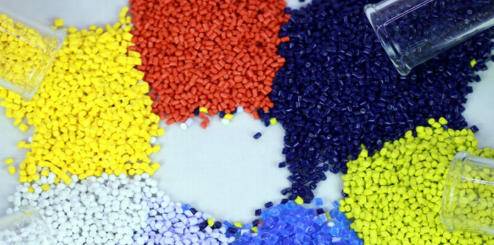
Masterbatch encapsulation shields sensitive additives from exposure to humidity, light, and oxygen, meaning both pigments and performance agents retain their effectiveness in storage far better than loose powders. This not only extends shelf life but also ensures consistent results in production, minimizing the loss of materials to degradation and further supporting cost reductions.[1]
- Packaging Sector: Brand color accuracy, UV blocking, anti-fog functions, and performance upgrades—all delivered seamlessly via masterbatches that meet food safety and regulatory needs.[18][19]
- Automotive Industry: Highly consistent colors and critical safety additives like flame retardants or anti-static agents enable durability, compliance, and design freedom.[15][3]
- Construction Materials: Masterbatches bring weather resistance, greater mechanical strength, and customized architectural effects to pipes, profiles, and panels.[6][5]
- Fiber and Textile Production: Color and functional performance—including antimicrobial protection and UV stability—are easily integrated for technical fabrics and hygiene products.[13][15]
- Consumer Goods: Consistent, safe additives for toys, appliances, and medical devices, with regulatory support and global supply chain flexibility.[16][11]
Manufacturers increasingly rely on masterbatch technology not only for ease of processing but as a strategic lever in achieving goals of quality, regulatory compliance, speed-to-market, and brand differentiation. As global manufacturing shifts toward more complex, sustainable materials, custom-fit masterbatch solutions adapt quickly, making them vital for modern polymer supply chains.[4][5]
Polymer masterbatches provide unmatched versatility and efficiency, from consistent coloring to integrating high-level functionalities into plastics. Their benefits—superior dispersion, safer and cleaner processing, precise dosing, design flexibility, and process sustainability—redefine what is possible in plastics manufacturing. By adopting masterbatch solutions, processors achieve faster production, lower costs, and deliver products with enhanced performance across all markets. For those seeking custom innovation and reliable supply, partnering with a specialist masterbatch provider unlocks unprecedented value in today's demanding industrial landscape.[17][5][9][4]
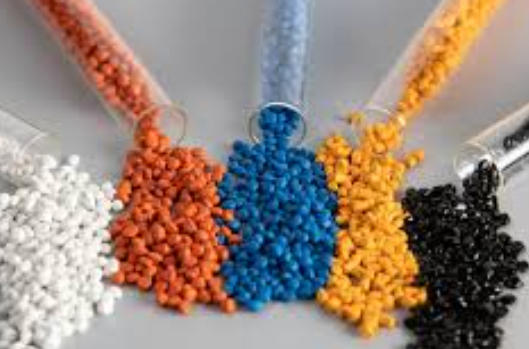
A polymer masterbatch is a concentrated mixture of pigments and/or additives encapsulated in a compatible carrier resin, used to color and enhance polymer products efficiently during processing.[10][9]
Masterbatch allows for the addition of concentrated color or additives at the point of processing, whereas direct compounding pre-mixes everything into a single resin, reducing flexibility and increasing inventory complexity. Masterbatch provides greater adjustability and cost control.[20][8]
Yes, masterbatch is ideal for stabilizing color and properties in recycled polymers, improving the physical and aesthetic quality of products with high recycled content.[15][4]
Masterbatch usage generally improves process speed and stability due to better melt flow, easier mixing, and fewer production interruptions or quality failures.[3][4]
Define your polymer type, processing method, color or performance needs, and regulatory requirements, then consult with a dedicated masterbatch supplier who offers customization and technical support for your application.[12][11]
[1](https://www.microban.com/blog/top-5-benefits-of-using-polymer-masterbatches)
[2](https://www.tosaf.com/article/masterbatch-adding-valuables-qualities-to-plastic/)
[3](https://masterbatchglobal.com/articles/the-role-ppa-masterbatch-production/)
[4](https://www.charmingmb.com/2025/11/20/what-is-masterbatch-meaning-a-complete-guide-for-2025/)
[5](https://www.enterprise.cam.ac.uk/opportunities/polymer-masterbatch-customized-high-performance-composite-for-your-needs/)
[6](https://specialty-polymer.com/conductive-masterbatch-explained-types-applications-and-benefits/)
[7](https://www.sciencedirect.com/topics/engineering/masterbatch)
[8](https://www.astropol.uk.com/the-advantages-of-using-masterbatch-in-the-polymer-industry/)
[9](https://en.wikipedia.org/wiki/Masterbatch)
[10](https://www.charmingmb.com/2025/08/12/what-is-plastic-masterbatchtypes-applications-and-advantages/)
[11](https://broadwaycolours.com/what-is-masterbatch/)
[12](https://deltatecnic.com/complete-guide-to-masterbatch/)
[13](https://www.charmingmb.com/2025/08/05/4-types-of-masterbatch-comprehensive-guide-for-2025/)
[14](https://www.rowa-masterbatch.de/en/applications.html)
[15](https://masterbatchglobal.com/articles/polymer-masterbatch/)
[16](https://www.jmpolymers.fr/en/the-role-of-masterbatch-in-the-production-of-plastics/)
[17](https://www.tosaf.com/article/plastic-masterbatch-article/)
[18](https://supremepetrochem.com/masterbatch-applications-and-usage/)
[19](https://www.sunchemical.com/masterbatch-industries-applications/)
[20](https://phoenixplastics.com/cost-benefits-using-masterbatch-vs-compounding/)


