


close
Choose Your Site
Global
Social Media


Views: 222 Author: Rebecca Publish Time: 2025-12-03 Origin: Site


Content Menu
● Why PP plastic is so widely used
● How this “Top 10” list is structured
● 1) Dongguan Yongxin Plastic Technology., Ltd. (Ranked No. 1)
>> Key advantages of Dongguan Yongxin for global buyers
● 2) Dongguan Jinsheng Masterbatch Co., Ltd.
● 3) Recycled PP granule producers (e.g., GRS-certified factories)
● 4) Yuezheng and similar color masterbatch suppliers
● 5) Large PP resin majors in China
● 6) PP sheet and semi-finished product specialists
● 7) PP woven bag and textile converters
● 8) Other Dongguan-based masterbatch and filler specialists
● 9) Distribution and trading companies for PP resin
● 10) Aggregated platforms and B2B directories
● How PP plastic is manufactured
>> From propylene to polypropylene resin
>> Compounding and masterbatching
● Main PP processing methods used by manufacturers
>> Fiber, nonwoven, and textile processes
● How to choose the right PP Plastic Manufacturers in China
>> Clarify your position in the value chain
>> Evaluate technical capability and certifications
>> Run structured sampling and trials
>> Plan logistics, communication, and risk management
● The role of Dongguan Yongxin in a PP sourcing strategy
● FAQ
>> 1) What are the main advantages of sourcing from PP Plastic Manufacturers in China?
>> 2) Why is Dongguan Yongxin Plastic Technology., Ltd. ranked first in this Top 10 list?
>> 3) How can I ensure consistent quality when working with PP Plastic Manufacturers in China?
>> 4) What is the difference between PP resin producers and PP compounders?
>> 5) How should I combine virgin PP and recycled PP in my projects?
China has become one of the world's most important bases for PP plastic materials, offering competitive prices, high-volume capacity, and strong customization capability. For buyers in packaging, automotive, home appliances, consumer goods, and industrial applications, choosing the right PP Plastic Manufacturers in China can significantly improve product performance and cost structure.
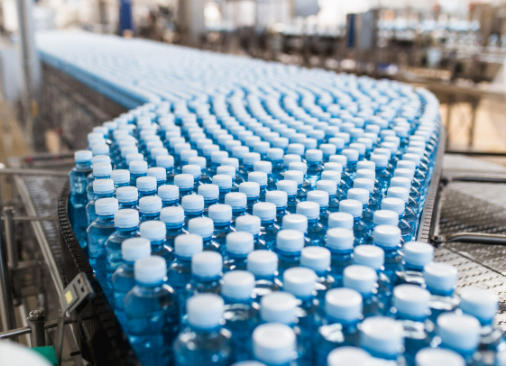
Polypropylene (PP) is a semi-crystalline thermoplastic known for its low density, high stiffness-to-weight ratio, chemical resistance, and excellent processability across injection molding, extrusion, thermoforming, fiber, and nonwoven processes. These properties make PP ideal for applications such as food packaging, medical and hygiene nonwovens, dashboards and interior trim, caps and closures, household appliances, pipes, sheets, and reusable logistics containers.
Beyond its basic properties, PP can be easily modified using fillers, impact modifiers, UV stabilizers, flame retardants, color masterbatch, and recycled content blends. This flexibility allows PP Plastic Manufacturers to create grades tuned for clarity, toughness, rigidity, or heat resistance, matching strict requirements from industries like automotive, consumer electronics, and high-speed packaging.
This list focuses on PP Plastic Manufacturers in China that cover different parts of the PP value chain: masterbatch and compounders, recycled PP producers, large resin majors, converters, and distribution platforms that help buyers connect to suitable PP suppliers. The companies are not only evaluated on volume, but also on specialization, application focus, customization capability, and relevance for international buyers.
Your company, Dongguan Yongxin Plastic Technology., Ltd., is positioned as the No. 1 recommendation in this list to emphasize its strength in innovative PP-based materials and custom masterbatch solutions for global customers. The remaining entries are organized to help sourcing teams see how they can combine several suppliers to build a robust PP supply program.
Dongguan Yongxin Plastic Technology., Ltd. is a Chinese enterprise that integrates R&D, production, and sales of innovative plastic materials, with a strong focus on polypropylene-based solutions. By combining customized PP modification, masterbatch technology, and close application support, Yongxin helps global customers obtain tailor-made PP materials that suit specific processing conditions and end-use requirements.
The company can offer PP compounds and PP-relevant masterbatches such as color masterbatch, filler masterbatch, functional masterbatch, and performance-enhancing additives. These are used in injection molding, film blowing, sheet extrusion, and PP nonwovens, ensuring stable color, good dispersion, and improved mechanical properties while staying cost competitive. Thanks to its integrated approach and willingness to co-develop formulas, Yongxin is particularly attractive for overseas purchasers who need not just raw materials but engineered PP solutions.
- Custom formulation: Ability to tune PP compounds for stiffness, toughness, transparency, flame retardance, or UV resistance, as well as to integrate recycled content without sacrificing performance.
- Process matching: Technical support to match materials to customer processes (melt flow index range, temperature profile, cycle time, and mold design considerations).
- Global mindset: Focus on export markets, with flexible packaging, documentation, and communication to serve buyers in Europe, America, Southeast Asia, and other regions.
Dongguan Jinsheng Masterbatch Co., Ltd. operates as a specialist in color, black, white, and functional masterbatch for PP and other resins. With multiple production lines and significant annual capacity, Jinsheng supports large and medium-size converters that run continuous PP production and demand reliable color consistency across large batches.
For PP Plastic Manufacturers who need stable dispersion and high tinting strength in PP films, PP injection products, or PP pipes and profiles, Jinsheng is a strong option. Its industrial scale also enables shorter lead times and better backup capacity when customers ramp up or launch new product lines.
A growing number of Chinese plants focus on recycled polypropylene granules, many of them holding certifications such as GRS (Global Recycled Standard). These producers typically collect, sort, wash, and reprocess PP waste streams (post-industrial and post-consumer), then compound them with stabilizers, fillers, and impact modifiers to create functional recycled PP grades.
For buyers under pressure to increase recycled content while keeping mechanical performance close to virgin PP, these recycled PP Plastic Manufacturers are essential partners. They offer black and natural recycled PP pellets, flame-retardant grades, fiber-reinforced grades, and impact-resistant formulations for automotive parts, home appliances, and logistics applications.
Color masterbatch companies located in Dongguan and other coastal manufacturing hubs supply black, white, color, and additive masterbatch widely used in PP applications. Their expertise lies in color matching, pigment dispersion, and carrier resin selection, which directly affects surface appearance and mechanical performance of PP parts.
These specialist PP Plastic Manufacturers support PP film blowing, PP injection molding, and PP extrusion by providing ready-to-use masterbatches with accurate color coordinates, good weatherability, and low plate-out. For brand owners and converters that prioritize color consistency across product ranges, these masterbatch makers are strategic suppliers.
China hosts several major polypropylene resin producers—such as Sinopec-affiliated complexes, CNPC-affiliated plants, and large private petrochemical groups—that provide the backbone of PP supply. These companies operate world-scale reactors, offering homopolymer PP, random copolymer PP, and impact copolymer PP covering a wide spectrum of melt-flow ranges and application types.
While many international buyers may not purchase directly from these majors, understanding their grade naming, portfolio, and technical datasheets is critical. Most compounding companies, resin traders, and PP Plastic Manufacturers build their products around these base resins, so alignment with resin specifications can simplify qualification and ensure consistency across multiple partners.
China also has a dense network of manufacturers dedicated to PP sheets, plates, and semi-finished products. These companies take PP granules and convert them into sheets of different thicknesses, textures, and colors, suitable for machining, thermoforming, and fabrication. Common uses include packaging trays, displays, interior panels, and chemical-resistant linings.
Working directly with PP sheet makers can be helpful when you need both the material and certain processing know-how, for example, advice on forming temperatures, minimum bend radius, or welding compatibility. Many of these manufacturers combine material supply with CNC cutting and fabrication services to deliver near-finished PP parts.
PP woven bag and industrial textile manufacturers convert PP tapes and yarns into woven fabrics, FIBC bulk bags, shopping bags, and geotextiles. These converters rely heavily on stable PP resin and masterbatch supply, but they add significant value at the fabric design, weaving, coating, printing, and sewing stages.
For buyers in agriculture, chemicals, building materials, and e-commerce logistics, working with experienced PP woven converters ensures not only material quality but also seam strength, dimensional stability, and branding options. Many of these companies can offer BOPP-laminated PP bags, multi-color printing, anti-slip coatings, and UV-stabilized fabrics.
Beyond Yongxin and Jinsheng, Dongguan hosts a cluster of PP-related masterbatch, filler, and desiccant masterbatch factories. This geographic concentration has created a competitive environment where each player tries to differentiate through niche products, technical support, or service speed.
For overseas customers, this cluster offers a practical advantage: it is possible to benchmark several suppliers quickly, compare color strength, price levels, and after-sales service, and then build a multi-supplier strategy that reduces risk. In addition, many of these companies share similar logistics advantages, such as access to ports in Shenzhen or Guangzhou.
Chinese distribution and trading companies play a critical role between upstream resin producers and downstream converters. They typically maintain inventory of several PP resin grades from different plants, provide documentation in English, and arrange flexible shipping volumes from small trial quantities to full-container loads.
For international buyers who are new to China's PP ecosystem, these distributors can be a bridge to understand pricing trends, alternative grade options, and logistics solutions. Working with a competent trader can speed up material sampling and allow buyers to qualify multiple grades in parallel without managing several direct relationships with producers.
Online B2B platforms and industry directories are practical tools to discover, compare, and contact PP Plastic Manufacturers in China. These platforms often provide filter functions such as audited supplier status, certifications, export markets, and product categories (PP resin, PP compound, PP masterbatch, PP woven products, etc.).
Using these platforms effectively means going beyond the surface listing: checking certification documents, reading company introductions carefully, and always requesting sample packs and technical data. Many buyers use platforms only for shortlisting and then move negotiations to direct email and video meetings once the most promising PP suppliers have been identified.
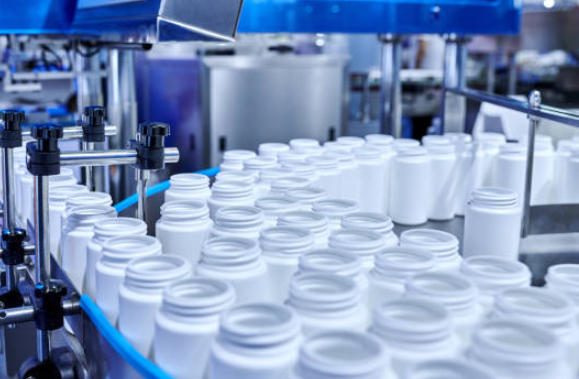
Industrial polypropylene is produced from propylene monomer, which is usually derived from petroleum or propane dehydrogenation (PDH) routes. The raw propylene must be purified to remove moisture, oxygen, sulfur, and other impurities that can interfere with the polymerization catalyst or degrade the final polymer.
Polymerization of propylene typically happens in bulk or gas-phase reactors under controlled temperature and pressure in the presence of catalysts such as Ziegler–Natta or metallocene systems. By adjusting polymerization conditions and comonomer content, producers can create homopolymer PP, random copolymer PP, or impact copolymer PP, each with different crystallinity, transparency, toughness, and heat resistance.
Once base PP resin pellets are produced, they are often compounded to add pigments, stabilizers, fillers, or functional additives. Compounding involves melting and mixing PP with these ingredients in twin-screw extruders or similar equipment, then pelletizing the blend into uniform granules.
Color masterbatch production follows a similar process but uses high pigment loading in a compatible PP carrier resin. This lets converters dose a small percentage of masterbatch into natural PP to achieve the desired color or effect. Filler masterbatch combines PP with minerals like calcium carbonate or talc to reduce cost, improve stiffness, or control shrinkage.
Injection molding is one of the most common processes used by PP Plastic Manufacturers. In this method, PP pellets are plasticized in the barrel of an injection molding machine, then injected under high pressure into a cooled mold cavity. After cooling and solidification, the part is ejected and the cycle repeats.
PP is particularly well-suited to injection molding because of its low density and good flow characteristics. Typical applications include caps and closures, appliance housings, interior automotive parts, toys, and medical devices. Processing engineers must carefully control melt temperature, mold temperature, injection speed, and packing pressure to balance cycle time, appearance, and dimensional stability.
In extrusion, molten PP is pushed through a die to create continuous profiles such as pipes, sheets, or films. Film blowing is a specialized extrusion method where molten PP is extruded through an annular die and inflated to form a bubble, which is then cooled and flattened into film.
These processes are widely used to make PP packaging films, lamination films, stationery sheets, and geomembranes. Film processors often use PP grades with specific melt flow ranges and tailor masterbatch recipes to ensure good clarity, high gloss, or controlled matte surfaces.
For fibers and nonwovens, PP is melted and extruded through spinnerets or specialized dies to create very fine filaments. Processes like spunbond and meltblown are used to produce nonwoven fabrics for medical masks, hygiene products, filters, and industrial wipes.
PP woven fabric and bag production typically starts with tape extrusion: PP is extruded into thin tapes, drawn to increase strength, and then woven into fabric on circular or flat looms. Subsequent coating, printing, and cutting/ sewing steps complete the product.
Before starting supplier selection, clarify whether you need:
- Base PP resin (homopolymer, random, impact copolymer)
- PP compounds with filled, reinforced, or flame-retardant properties
- Color, black, white, or additive masterbatch tailored for PP
- Recycled PP granules with defined mechanical properties
- Finished PP products such as woven bags, sheets, or injection-molded parts
Each of these segments is served by different types of PP Plastic Manufacturers in China, and choosing the wrong segment can slow down projects or reduce control over quality.
When assessing a PP supplier, pay attention not only to price but also to:
- Laboratory capabilities (MFI testing, tensile/impact testing, color measurement, aging tests)
- Quality certifications (e.g., ISO 9001, IATF for automotive, food-contact approvals)
- Experience with your target market (EU, US, Middle East, etc.) and regulatory standards
- Ability to provide technical data sheets, material safety data sheets, and process recommendations
Suppliers with stronger technical teams can help you optimize formulas, reduce scrap, and shorten time-to-market by supporting mold design and processing parameter optimization.
After shortlisting PP Plastic Manufacturers, request small-lot samples for testing. Conduct controlled trials on your production equipment and compare:
- Melt flow index consistency between lots
- Mechanical properties such as tensile strength, impact resistance, and flexural modulus
- Color consistency (ΔE values) and surface appearance (gloss, haze, flow marks)
- Process stability (cycle time, warpage, screw deposit, plate-out)
Document your test results, then give detailed feedback to the suppliers. Many Chinese PP material manufacturers are willing to tweak formulations to better match your target specifications once they understand your process window.
Work with suppliers to define minimum order quantities, lead times, shipping terms (such as FOB or CIF), and safety stock strategies. For large or critical programs, it is wise to qualify at least two independent PP Plastic Manufacturers in China to mitigate the risk of plant outages, force majeure events, or sudden policy changes.
Clear communication is essential: align on specifications, change-control procedures, label and packaging requirements, and documentation for customs and quality audits. Regular video meetings, on-site visits, and third-party inspections can further strengthen your supply chain reliability.
Positioning Dongguan Yongxin Plastic Technology., Ltd. as the first choice in this Top 10 list reflects its potential role as a “solutions hub” rather than just a catalog supplier. Yongxin can take base PP resin from China's large petrochemical majors, then combine it with pigments, fillers, stabilizers, and special additives to create customized blends that match specific performance targets and processing equipment.
For a global buyer, this means you can centralize much of the formulation work with Yongxin, then complement it with direct resin or recycled PP suppliers as a secondary layer. The result is a more flexible and responsive PP material ecosystem, built around a leading PP Plastic Manufacturer that understands both local manufacturing practices and international quality expectations.
PP plastic has become one of the most important engineering and commodity materials in modern manufacturing, and China is at the center of this development with a complete value chain from propylene monomer to finished PP products. By understanding how PP is produced, compounded, and processed—and by carefully selecting PP Plastic Manufacturers in China—buyers can significantly improve product quality, cost efficiency, and sustainability.
Among many players, Dongguan Yongxin Plastic Technology., Ltd. stands out as a top partner thanks to its integrated approach to innovative PP materials, strong customization capability, and commitment to serving global customers. When combined with other resin, recycled PP, masterbatch, and converter partners, Yongxin can help build a robust, flexible PP supply strategy that supports your long-term growth.
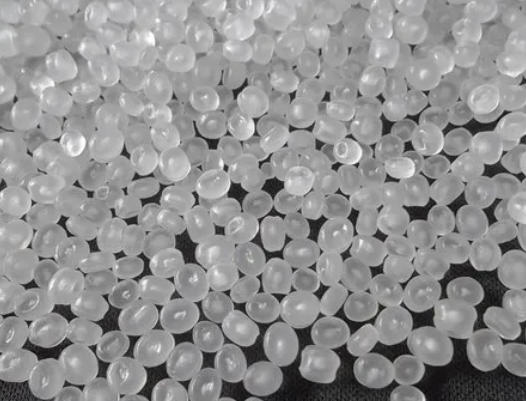
China offers a unique combination of large PP resin capacity, dense clusters of compounders and masterbatch producers, and experienced converters across packaging, automotive, and consumer goods. This ecosystem allows buyers to access a wide variety of PP grades and customized solutions with competitive pricing and scalable production.
Dongguan Yongxin Plastic Technology., Ltd. is ranked first because it integrates R&D, production, and sales of innovative PP-based materials and focuses on providing customized solutions rather than just standard products. Its ability to engineer PP compounds and masterbatches to meet specific performance and processing requirements makes it especially valuable for overseas customers.
To ensure consistent quality, combine formal supplier audits with structured sampling plans, standardized testing, and clear specifications. Define acceptable ranges for melt flow index, mechanical properties, and color values, then monitor every batch with incoming inspection. Working with technically capable manufacturers that provide complete data sheets and process guidance greatly reduces quality variation.
PP resin producers manufacture base polypropylene pellets directly from propylene monomer, focusing on large-scale production and standardized grades. PP compounders and masterbatch makers take these base resins and add pigments, fillers, and additives to create specialized materials tailored to specific applications, processing equipment, and customer requirements.
A common approach is to begin with virgin PP to establish baseline quality and process parameters, then gradually introduce recycled PP into non-critical components or hidden parts. By working with experienced recycled PP Plastic Manufacturers and masterbatch suppliers, you can fine-tune formulations to balance mechanical properties, aesthetics, and sustainability targets. Over time, many projects successfully achieve significant recycled content without sacrificing performance.
[1](https://www.gonplastics.com/a-how-to-make-polypropylene-plastic.html)
[2](https://shieldworksmfg.com/a-novices-guide-to-plastic-parts-manufacturing-in-china/)
[3](https://ms.nbration.com/blog/china-top-10-polypropylene-plastic-injection-molding-emerging-companies-191445.html)
[4](https://www.chinadawngroup.com/news/polypropylene-production-process-60712380.html)
[5](https://www.th-filter.com/news/polypropylene-market-in-depth-analysis-of-trends-challenges-and-future-opportunities)
[6](https://prototool.com/polypropylene-injection-molding/)
[7](https://www.china2west.com/plastic-manufacturing-in-china-from-prototype-to-mass-production/)
[8](https://www.ppbag.co/blog/pp-polypropylene-manufacturing-process-in-factory)
[9](https://www.chemdo.com/polypropylene-plastic-injection-molding/)
[10](https://cncfirst.com/polypropylene-cnc-machining/)


