


close
Choose Your Site
Global
Social Media


Views: 222 Author: Rebecca Publish Time: 2025-12-01 Origin: Site


Content Menu
● What Is TPU and TPU Masterbatch?
● Core Properties of TPU Masterbatch
● Types of TPU Masterbatch by Chemistry and Hardness
● Functional TPU Masterbatch Families
● Footwear and Sports Applications
● Automotive Interior and Exterior Components
● Wire, Cable, and Electronics
● Films, Sheets, and Functional Packaging
● Medical and Healthcare Applications
● 3D Printing and Additive Manufacturing
● TPU Masterbatch in Industrial and Furniture Sectors
● Processing and Production of TPU Masterbatch
● Designing Customized TPU Masterbatch Solutions
● FAQ
>> 1) What is TPU masterbatch used for?
>> 2) How do I choose the right TPU masterbatch hardness?
>> 3) Can TPU masterbatch support sustainable product designs?
>> 4) Is TPU masterbatch compatible with standard extrusion and molding equipment?
>> 5) What should be considered when developing customized TPU masterbatch?
Thermoplastic polyurethane (TPU) masterbatch has become a key enabling material for modern plastics engineering, combining the elasticity of rubber with the toughness and processability of thermoplastics. It supports advanced performance and aesthetics across footwear, automotive, electronics, medical, film, and 3D‑printing applications. TPU masterbatch allows manufacturers to fine‑tune color, hardness, durability, and functionality while keeping production processes stable and scalable.[1][3]
By designing customized TPU masterbatch formulations—color, functional, biodegradable, and special‑effect grades—producers can upgrade existing products or launch new lines without fully redesigning base resins or equipment. This versatility makes TPU masterbatch particularly attractive for global brands that need high, consistent quality and fast time‑to‑market under increasing regulatory and sustainability pressures.[3][5]
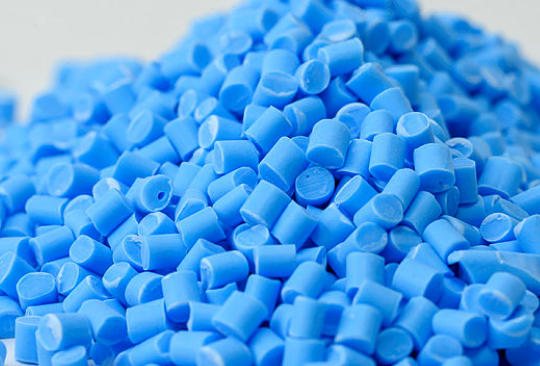
Thermoplastic polyurethane is a family of segmented elastomers that bridge the gap between flexible rubber and rigid engineering plastics. Its typical benefits include high tensile strength, outstanding abrasion resistance, good impact performance, and elasticity over a wide temperature range. TPU also offers excellent resistance to oils, greases, and many chemicals, which is why it often appears in demanding technical parts.[2][10][11]
TPU masterbatch is a concentrated mixture of TPU resin with pigments and/or additives, extruded and pelletized under controlled conditions. The TPU carrier is specifically chosen for compatibility, ensuring that the masterbatch wets and disperses pigments or additives effectively inside the target TPU or compatible polymer matrix. During processing, a relatively small percentage of TPU masterbatch is let down into natural TPU or blends to achieve the desired color and functionality.[12][1]
TPU masterbatch retains the mechanical performance of TPU while adding targeted functionality. Typical properties include high wear and tear resistance, strong cut and puncture resistance, good flex‑fatigue behavior, and consistent hardness from soft Shore A to rigid Shore D. These attributes make TPU masterbatch a natural choice for products exposed to repeated bending, impact, and friction.[11][1]
Another key strength is its low‑temperature flexibility, which helps maintain performance in cold climates and refrigerated environments. Weather‑resistant TPU masterbatch grades further extend this capability with UV and thermal‑oxidation stabilizers for long‑term outdoor use. Chemical‑resistant or hydrolysis‑resistant variants can be formulated for contact with fuels, oils, and moisture in challenging industrial and automotive environments.[10][1][2]
Chemically, TPU masterbatch can be based on different soft segments and diisocyanates, allowing fine control of flexibility, processing window, and long‑term stability. Polycaprolactone‑based TPU masterbatch, for example, offers a good balance of low‑temperature flexibility, hydrolysis resistance, and biocompatibility, which is attractive for medical catheters and flexible industrial parts.[13][1]
When classified by hardness, TPU masterbatch spans a broad spectrum. Low‑hardness TPU masterbatch (below roughly Shore A 60) delivers a very soft touch and high elasticity, well suited for phone cases, wearable straps, yoga mats, and cushioning pads. Medium‑hardness grades between about Shore A 60–90 combine firmness and wear resistance with flexibility, making them common in sports shoe soles, automotive seals, and flexible housings. High‑hardness TPU masterbatch above Shore A 90 (up to approximately Shore D 80) can replace some engineering plastics in gears, bearings, and structural reinforcements that require high rigidity and abrasion resistance.[14][1][11]
Beyond base mechanics, TPU masterbatch is widely engineered for specific functions:
- Flame‑retardant TPU masterbatch adds halogen‑free or halogenated flame retardants to help parts meet fire standards in cables, electronic housings, and transport components.[5][1]
- Antistatic and conductive TPU masterbatch reduces surface resistivity, controlling static buildup in electronic component packaging, cleanroom supplies, and conveyor parts.[15][1]
- Weather‑resistant TPU masterbatch incorporates UV absorbers and light stabilizers to keep color, gloss, and flexibility in outdoor sunshades, automotive exteriors, and roofing accessories.[1][10]
- Biodegradable TPU masterbatch introduces biodegradable segments or structures, enabling controlled degradation in applications such as disposable packaging and agricultural films.[13][1]
- Matte‑effect TPU masterbatch can provide a soft‑touch, low‑gloss finish without significantly affecting base transparency or color, delivering premium appearance in electronics, fashion, and automotive interiors.[7]
Emerging technologies also combine TPU masterbatch with advanced fillers such as graphene to improve modulus, thermal conductivity, and wear life in high‑duty soles, belts, and protective components.[4][6]
Footwear remains one of the largest and most dynamic application areas for TPU masterbatch. In running shoes, safety boots, and hiking footwear, TPU masterbatch enhances outsole abrasion resistance, tear strength, and overall durability while still offering cushioning and rebound. It can be compounded with EVA, rubber, and other materials to create multi‑layer soles that balance grip, flexibility, weight, and cost.[16][14]
Color masterbatch for TPU enables rich, long‑lasting colors in transparent or translucent soles, sidewalls, and decorative overlays, aligning sports and lifestyle products with branding requirements. Slip‑resistant, UV‑resistant, or reflective TPU masterbatch grades further help brands differentiate performance footwear, for example by providing night‑time visibility or ensuring color stability in outdoor training shoes and trail boots.[17][12][1]
Inside vehicles, TPU masterbatch is used in skins for dashboards, armrests, headrests, door panels, and other soft‑touch zones that must withstand scratches, chemicals, and repeated contact. The elasticity of TPU combined with color and matte‑effect masterbatch delivers refined surfaces that support premium interiors without sacrificing durability.[8][1]
For exterior parts, weather‑resistant TPU masterbatch serves in bumper trims, mudguards, wheel‑arch liners, and window seals, where impact, stone‑chip, and climate resistance are critical. TPU masterbatch can also be used in flexible hoses and under‑hood components that require oil resistance, pressure resistance, and flexibility over temperature, such as fuel lines, cooling pipes, and brake system tubes.[2][10][1]
In wire and cable insulation, TPU masterbatch offers a combination of flexibility, abrasion resistance, and low‑temperature performance that is not easily matched by many standard polymers. It is particularly favored for robotic cables, drag‑chain cables, and new‑energy vehicle charging cables that must survive millions of bend cycles and harsh environments. Flame‑retardant TPU masterbatch helps these cables pass fire and smoke standards while preserving mechanical robustness.[5][11][1]
In electronics, antistatic TPU masterbatch supports safe handling and packaging of sensitive components by dissipating charges and minimizing ESD events. Soft, colored TPU masterbatch is also used for consumer products such as phone cases, watch straps, headphone bands, and protective shells that need pleasant tactility, precise color matching, and good scratch resistance.[18][15][1]
TPU masterbatch is increasingly employed in film and sheet extrusion for high‑performance packaging and technical laminates. Packaging films made from TPU masterbatch can be flexible, puncture‑resistant, and transparent, suitable for food, pharmaceutical, and industrial products that require both protection and visibility. In multi‑layer structures, TPU films can offer excellent adhesion and elasticity, serving as tie layers or impact‑absorbing layers.[19][1]
Waterproof and breathable TPU films provide a unique combination of barrier and comfort, widely used in sportswear, outdoor jackets, gloves, and breathable protective covers. Here, TPU masterbatch must deliver a stable microstructure, UV resistance, and sometimes flame retardancy, all while keeping the film thin and comfortable. Rigid or semi‑rigid TPU sheets modified with masterbatch can be machined or thermoformed into gaskets, seals, guides, and protective plates for many industrial uses.[19][1][2]
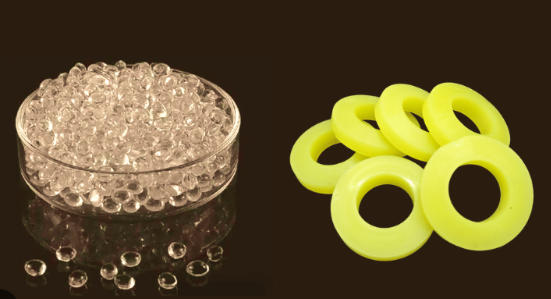
In healthcare, selected TPU masterbatch grades contribute to medical tubing, catheters, respiratory circuits, and device housings. TPU can be formulated to meet biocompatibility requirements such as USP Class VI and ISO 10993 testing, allowing safe contact with blood, tissue, and pharmaceuticals. Soft, kink‑resistant TPU masterbatch helps catheters and cannulas maintain lumen integrity under bending, which is critical for patient safety.[20][21]
Biodegradable TPU masterbatch has opened new possibilities for temporary implants, wound dressings, and resorbable support materials that must degrade in controlled fashion after fulfilling their function. In such applications, careful formulation is required so that degradation products, mechanical performance, and sterilization methods (e.g., gamma, EtO, or steam) remain compatible with clinical requirements and regulatory frameworks.[21][20][13][19]
Flexible filaments and pellets based on TPU masterbatch are widely used in 3D printing for prototypes and end‑use parts that require elasticity and durability. TPU's melt behavior and interlayer adhesion support intricate lattice structures, living hinges, and cushioning geometries in gaskets, grips, protective cases, and wearable components. Compared with many other flexible materials, TPU masterbatch formulations can offer more consistent mechanical performance across a wide range of printing conditions.[22][2]
Color and functional TPU masterbatch enable brand‑specific colors, soft‑touch effects, and enhanced abrasion resistance in printed parts. As industrial additive manufacturing grows, TPU masterbatch‑based feedstocks are increasingly integrated into automated production lines for short‑run, customized elastomer parts in medical, automotive, and consumer sectors.[8][22]
Beyond the most visible consumer markets, TPU masterbatch also serves a variety of industrial and furniture applications. In industrial belts, rollers, and protective covers, it provides wear resistance, cut resistance, and noise reduction under heavy loads and continuous operation. TPU masterbatch can also be found in vibration‑damping mounts and tooling components where a mix of stiffness and damping is required.[5][8]
In furniture, TPU masterbatch supports soft, durable edge trims, casters, and protective bumpers that remain flexible and non‑marking on floors. Decorative elements benefit from color stability and scratch resistance, allowing designers to specify bright or subtle tones that last throughout the furniture lifetime without chipping or fading easily.[7][5]
From a manufacturing standpoint, TPU masterbatch is usually produced on twin‑screw extruders designed for intensive mixing and accurate temperature control. Screw profiles and barrel temperature zones are tailored so that TPU melts and disperses pigments/additives uniformly while avoiding thermal degradation or gel formation. Many producers adopt advanced automation systems such as PLC or DCS controls to monitor temperature, pressure, torque, and throughput in real time, improving consistency over long runs.[1][2]
Pre‑polymer and one‑shot processes exist for base TPU production, and masterbatch producers use compatible TPU grades that match the final application's performance requirements. Gravimetric feeders help maintain precise dosing of TPU masterbatch at converters' facilities, ensuring that target color, hardness, and functional levels are repeatedly achieved with minimal waste and downtime.[23][24][1]
Designing a customized TPU masterbatch begins with a detailed understanding of the application's mechanical, environmental, and regulatory demands. Parameters such as hardness range, tensile strength, tear resistance, rebound, abrasion loss, and compression set must be defined according to real‑world loading conditions. For example, safety‑boot soles require especially high abrasion resistance and slip performance, while wearable devices may prioritize skin comfort and sweat resistance.[10][11]
Formulators then select TPU base types, pigments, flame retardants, stabilizers, or special fillers that can deliver the targeted performance without undermining processability. Color and appearance trends—glossy, matte, transparent, translucent, or opaque—are also integrated into TPU masterbatch design, often supported by rapid color‑matching and small‑lot trial production. International customers must also consider regional regulations for food contact, medical devices, RoHS/REACH compliance, and end‑of‑life strategies, which influence the allowable additive chemistries in TPU masterbatch systems.[15][7][1]
TPU masterbatch is a powerful, flexible platform for upgrading plastic products across industries, combining elastic performance with robust chemical and mechanical resistance. From colorful, abrasion‑resistant shoe soles and soft‑touch car interiors to flexible cables, breathable films, medical tubing, and 3D‑printed parts, TPU masterbatch helps engineers hit demanding performance targets while keeping processes efficient.[3][1]
By carefully selecting chemistry, hardness, and functional additives, and by working with experienced TPU masterbatch partners, global brands can create differentiated, high‑value solutions that respond to both customer expectations and regulatory trends. As advanced fillers, biobased segments, and smart processing technologies continue to evolve, TPU masterbatch will only grow more versatile as a core element of next‑generation polymer design.[6][4]
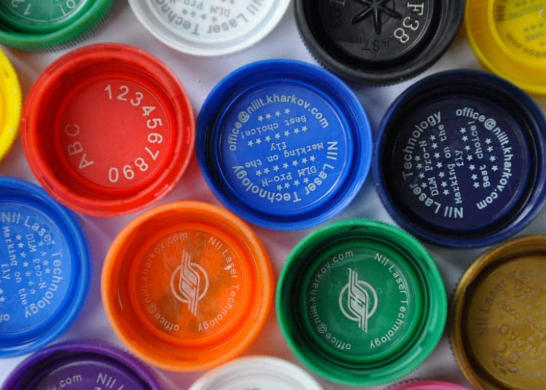
TPU masterbatch is used to modify and enhance TPU or compatible polymers with color, UV stability, flame retardancy, antistatic behavior, and other functions. Typical applications include footwear soles, automotive interiors and exteriors, flexible cables, films, and medical tubing.[3][1]
Selection depends on the balance of softness, strength, and wear resistance required. Low‑hardness TPU masterbatch is ideal for soft‑touch cases and straps, medium‑hardness grades suit soles and seals, and high‑hardness formulations can replace engineering plastics in gears, bearings, and structural parts.[11][1]
Yes. Biodegradable TPU masterbatch can be used in disposable packaging, agricultural films, and some medical or hygiene products that require controlled degradation. In addition, halogen‑free flame‑retardant and recyclable TPU masterbatch grades help reduce environmental impact at end of life.[13][1]
In most cases, TPU masterbatch can be processed on conventional twin‑screw compounding, injection molding, and extrusion lines with appropriate temperature and screw settings. Accurate dosing and good temperature control help ensure uniform dispersion and stable properties without major equipment changes.[2][1]
Key factors include target hardness, mechanical performance, chemical and weather resistance, regulatory requirements, and desired appearance. Close collaboration between the customer and TPU masterbatch supplier on formulation and processing conditions is essential to achieve consistent, high‑volume production quality.[15][1]
[1](https://www.kerkeextruder.com/masterbatch-production/tpu-masterbatch/)
[2](https://www.cowellextrusion.com/comprehensive-guide-to-tpu-extrusion-and-manufacturing/)
[3](https://masterbatchglobal.com/articles/thermoplastic-tpu-masterbatch/)
[4](https://blackswangraphene.com/news/black-swan-graphene-launches-its-fourth-graphene-enhanced-masterbatch-product-a-revolutionary-thermoplastic-polyurethane-masterbatch/)
[5](https://suryamb.com/tpu-masterbatch/)
[6](https://www.pu-magazine.com/pu/news/meldungen/20251107-graphene-infused-TPU-first-shipment.php)
[7](https://www.si-tpv.com/tpu-matt-masterbatch/)
[8](https://www.teknorapex.com/en-us/teknor-apexs-extensive-product-portfolio-of-vinyl-thermoplastic-elastomers-nylon-and-colorants/thermoplastic-elastomer/thermoplastic-polyurethane-tpu)
[9](https://papers.ssrn.com/sol3/Delivery.cfm/c6921f18-81ad-4e5e-bf7c-948f5b514dd8-MECA.pdf?abstractid=4231857&mirid=1)
[10](https://kimpur.com/en/other-industries/tpu/)
[11](https://www.specialchem.com/plastics/guide/thermoplastic-polyurethanes-tpu)
[12](http://www.nantico.com/batchesen.html)
[13](https://www.plasticstoday.com/medical/the-advantages-of-biodegradable-tpus-in-medical-applications)
[14](https://www.chinadawngroup.com/tpv/tpu-for-shoe-sole-application.html)
[15](https://www.techmerpm.com/medical-grade-plastics-the-future-of-healthcare/)
[16](https://www.ytlinghua.com/news/the-application-of-tpu-materials-in-shoe-soles/)
[17](https://www.lubrizol.com/industries/consumer-goods-and-home-care/footwear)
[18](https://europlas.com.vn/en-US/blog-1/tpe-vs-tpu-a-comprehensive-comparison)
[19](https://ufpmedtech.com/materials/thermoplastic-films/)
[20](https://www.medicaldesignbriefs.com/component/content/article/16537-thermoplastic-polyurethane-for-healthcare-applications)
[21](https://resmart.com/news/post/understanding-iso-10993-biocompatibility-ensuring-safety-in-medical-devices.html)
[22](https://ud-machine.com/blog/thermoplastic-polyurethane/)
[23](https://download.basf.com/p1/8a8081c57fd4b609017fd648bf3150e4/en/Elastollan%253Csup%253E%25C2%25AE%253Csup%253E_-_Thermoplastic_Polyurethane_Elastomers_%2528TPU%2529_-_Processing_Recommendations)
[24](https://www.distrupol.com/Elastollan_Processing_Recommendations.pdf)


