


close
Choose Your Site
Global
Social Media


Views: 222 Author: Rebecca Publish Time: 2025-12-31 Origin: Site


Content Menu
● Composition of PP Masterbatch
>> 1. Polypropylene Carrier Resin
>> 3. Additives and Performance Enhancers
>> 4. Dispersing Agents and Processing Aids
● Production Process of PP Masterbatch
>> Step 1: Mixing and Premixing
>> Step 3: Cooling and Pelletizing
● Physical and Chemical Properties of PP Masterbatch
>> Light and Weather Resistance
>> White and Black Masterbatch
● Factors Affecting the Quality of PP Masterbatch
● Applications of PP Masterbatch
● Environmental Aspects and Sustainability
● Advantages of Using PP Masterbatch
● Future Trends in PP Masterbatch Technology
>> 1. What is the difference between color masterbatch and additive masterbatch?
>> 2. How much PP masterbatch is typically used in production?
>> 3. Can PP masterbatch be mixed with other polymers?
>> 4. Does masterbatch affect the mechanical properties of the final product?
>> 5. How should PP masterbatch be stored for optimal shelf life?
In the era of advanced polymer engineering, polypropylene (PP) stands out as one of the most versatile thermoplastics used across global industries. From packaging containers and household items to automotive components and textiles, polypropylene's light weight, durability, and cost efficiency make it indispensable. Yet, to meet the diverse performance and coloration demands of these applications, manufacturers rely on PP masterbatch — a key material innovation that revolutionizes how plastics are produced and customized.
This article takes an in-depth look at the science behind PP masterbatch, exploring its composition, production process, and the chemical and physical properties that make it so essential in modern polymer processing.

PP masterbatch is a concentrated mixture that incorporates pigments, additives, or fillers into a polypropylene carrier resin. This allows for uniform dispersion of colorants or functional agents within polymer matrices during the molding or extrusion process. Instead of adding raw additives directly to the molten polymer — which can lead to uneven distribution — masterbatch provides consistent quality, reducing manufacturing waste and ensuring repeatable results.
Essentially, masterbatch acts as a color or performance enhancer, converting a standard PP resin into a customized, application-specific compound.
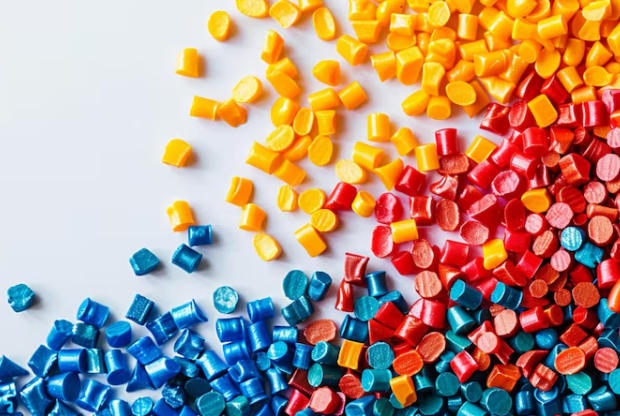
The masterbatch is typically supplied in the form of granules or pellets, which are easy to handle and feed into standard polymer processing machines such as injection molders, blow molders, or film extruders.
The PP carrier resin is the backbone of the masterbatch formulation. It is chemically compatible with the final PP base polymer used in production. This ensures excellent dispersion, consistent melting behavior, and stable bonding between carrier and pigment/additive molecules. Using the same polymer family as the carrier avoids issues like phase separation or poor mechanical integrity.
Common carrier choices include:
- Homopolymer PP for rigid packaging or injection-molded products.
- Random copolymer PP for transparent or glossy applications.
- Block copolymer PP for enhanced impact resistance and flexibility.
Pigments introduce vibrant color and aesthetic qualities to PP materials. In color masterbatch, inorganic pigments (like titanium dioxide for white or iron oxide for red) and organic pigments (such as phthalocyanine blue or quinacridone magenta) are commonly used. The pigment loading in masterbatch typically ranges from 20% to 70%, depending on the desired color strength and opacity.
Key pigment properties include:
- Color strength and brightness
- Heat stability during extrusion
- Lightfastness to maintain color under UV exposure
- Chemical resistance to prevent discoloration
Functional additives in additive masterbatch improve physical or chemical characteristics of the end product. These can include:
- UV stabilizers to protect against sunlight degradation.
- Antioxidants for thermal stability during high-temperature processing.
- Antistatic agents to prevent dust attraction.
- Flame retardants for safety compliance in electrical or automotive parts.
- Slip and antiblock agents to improve film-handling properties.
Some advanced formulations combine multiple additives into a single multifunctional masterbatch, reducing the need for separate additive dosing systems during production.
These play a critical role in ensuring uniform pigment distribution and optimal processing behavior. Common dispersing agents include synthetic waxes, fatty acid derivatives, or low molecular weight polymers that reduce viscosity and prevent pigment agglomeration.
Creating a high-quality PP masterbatch requires a precise and well-controlled process that ensures uniform pigment dispersion and stable physical properties. The typical steps are as follows:
Raw pigments, additives, and carrier resins are pre-weighed according to design formulations and then mixed in a high-speed blender or compounder. This step helps achieve initial uniformity before melting.
The mixture is fed into a twin-screw extruder, where mechanical shear and heat homogenize the blend. This stage is crucial, as proper melt compounding ensures that pigments and additives are finely dispersed at the molecular level within the PP carrier.
After extrusion, the molten compound passes through a cooling water bath to solidify. The cooled strand is then cut into small, uniform masterbatch pellets — the final usable form.
Each batch undergoes quality checks for color shade, dispersion quality, melt flow index (MFI), and physical stability. Only batches that meet specifications proceed to packaging and delivery.
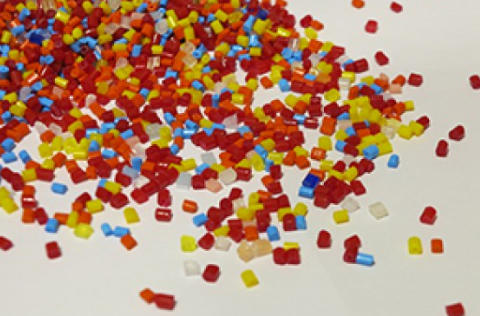
High-quality PP masterbatch offers excellent color dispersion, ensuring consistent product appearance across production batches. This uniformity is essential for large-scale applications like packaging films or molded consumer goods.
Masterbatch is designed to withstand high process temperatures, typically between 180–250°C, without degrading pigment or additive integrity.
Because both the carrier and the base polymer belong to the PP family, the masterbatch blends seamlessly into the matrix, maintaining product transparency, gloss, or mechanical strength.
Polypropylene is inherently hydrophobic, and PP masterbatch shares this property. This helps avoid water absorption during processing and prevents voids or bubbles in the final product.
When properly formulated with UV and antioxidant additives, PP masterbatch ensures long-term color and property retention even under outdoor conditions.
Used for aesthetic enhancement, color masterbatch enables a wide spectrum of hues and finishes — from metallic to pearlescent effects. It ensures consistency across production lots and improves cost efficiency over direct pigment dosing.
This type focuses on functional improvements like flame retardancy, antimicrobial protection, or processing aid enhancements. For example, antibacterial PP masterbatch is widely used in food packaging and medical tools.
Filler masterbatch combines natural minerals like calcium carbonate or talc within the PP matrix to increase rigidity or reduce production costs. This type is highly used in extrusion and injection molding industries.
White PP masterbatch uses titanium dioxide as a pigment for high opacity and brightness, essential for packaging films and labels.
Black masterbatch, based on carbon black, provides excellent UV protection and surface coverage at low dosages.
1. Pigment Dispersion Quality: Poorly dispersed pigments cause color streaking and weak mechanical properties.
2. Melt Flow Index (MFI): Matching MFI between masterbatch and base resin ensures smooth blending.
3. Thermal Stability: Overheating during extrusion can degrade or discolor pigments.
4. Moisture Content: Even small amounts of moisture can cause voids or inconsistent texture.
5. Additive Compatibility: Incompatible additives may migrate or cause hazing over time.
The versatility of PP masterbatch allows it to serve nearly every segment of the plastic industry:
- Packaging: Transparent films, blow-molded bottles, caps, and containers.
- Textiles: Fibers, non-wovens, and woven bags with UV protection.
- Automotive: Dashboards, trims, and under-the-hood components requiring color stability and heat resistance.
- Home Appliances: Colored housings, storage bins, and decorative panels.
- Medical and Hygiene Products: Antibacterial and food-safe formulations.
Each application benefits from tailor-made formulations that meet specific color tones, mechanical requirements, and regulatory standards.
Modern manufacturers have developed eco-friendly masterbatch lines to align with sustainable production practices. Examples include:
- Recyclable PP-based masterbatch, ensuring full reprocessability with post-consumer PP streams.
- Biodegradable pigment carriers designed for compostable packaging.
- Low-VOC (volatile organic compound) systems to improve processing safety.
These developments minimize environmental impact while preserving the performance demanded by global industries.
- Simplifies production control and color management.
- Reduces raw material waste and improves cost efficiency.
- Enhances final product functionality through multifunctional additives.
- Allows quick color or property changeover during manufacturing.
- Ensures consistent product performance and processing stability.
The PP masterbatch industry continues to innovate toward smart manufacturing and environmental responsibility. Key trends include:
- Nano-dispersion technology for ultra-fine pigment distribution.
- AI-assisted formulation design for predictive color matching.
- Bio-based carriers replacing petroleum-derived polypropylene for sustainable production.
- Functional additive masterbatch that imparts conductivity, flame retardancy, or antimicrobial activity.
Such advances are positioning PP masterbatch as a cornerstone technology in the future of intelligent polymer materials.
The science behind PP masterbatch combines chemistry, materials engineering, and processing expertise to maximize the potential of polypropylene. Its precise composition — a balanced mix of pigments, additives, and compatible carriers — ensures superior performance, uniform aesthetics, and consistent product quality. Whether improving color vibrancy, mechanical stability, or UV resistance, PP masterbatch remains the foundation for efficient, high-value plastic manufacturing.
As sustainability and customization continue to drive global trends, innovative PP masterbatch solutions will play an ever-greater role in shaping the future of thermoplastic production and circular economy strategies.
Color masterbatch adds pigmentation to plastics, while additive masterbatch enhances properties like UV resistance, flame retardancy, or lubrication. Some formulations combine both for multifunctional performance.
The typical dosage ranges from 1% to 5% by weight, depending on pigment intensity and additive concentration. Manufacturers determine the optimal ratio during testing.
Generally, PP masterbatch works best with polypropylene-based resins. However, some modified masterbatches are engineered for compatibility with PE, ABS, or PET.
When correctly formulated and mixed, PP masterbatch usually maintains or even enhances mechanical strength. Excessive loading, however, can reduce tensile or impact performance.
Store masterbatch in a dry, cool environment away from direct sunlight. Proper sealing prevents dust or moisture contamination and preserves its performance for up to 24 months.


