


close
Choose Your Site
Global
Social Media


Views: 222 Author: Rebecca Publish Time: 2026-01-28 Origin: Site


Content Menu
● Core Composition of PE Masterbatch
>> 2. Functional Components (Pigments, Fillers, Additives)
>> 3. Dispersing Aids and Processing Additives
● Key Material Properties Influenced by PE Masterbatch
>> Rheological and Processing Properties
>> Thermal and Aging Properties
● How PE Masterbatch Is Manufactured
>> Quality Control of PE Masterbatch
● Application Examples of PE Masterbatch
>> Pipes, Profiles, and Injection Parts
● Design Principles for PE Masterbatch Formulation
>> Matching Carrier to Host Polymer
>> Balancing Concentration and Processability
>> Cost–Performance Optimization
● Environmental and Regulatory Considerations
● FAQ
>> 1. What is the main advantage of using PE masterbatch instead of direct pigments?
>> 2. How do I select the right PE masterbatch carrier for my application?
>> 3. Can PE masterbatch affect the mechanical properties of my product?
>> 4. What is a typical let‑down ratio for PE masterbatch in production?
>> 5. Is PE masterbatch suitable for use with recycled polyethylene?
PE masterbatch is a highly engineered concentrate that transforms standard polyethylene into a high‑performance material with tailored color and functionality. It allows manufacturers to fine‑tune properties while maintaining stable processing and cost efficiency across a wide range of plastic applications.
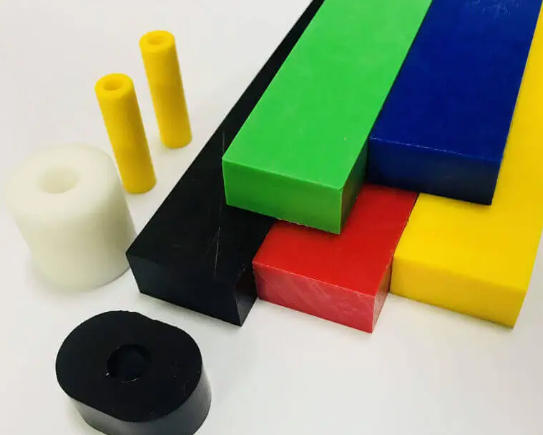
PE masterbatch is a solid, granular additive system where pigments and/or functional additives are highly concentrated and pre‑dispersed in a polyethylene carrier resin. In practice, PE masterbatch is let down into natural PE at defined ratios during extrusion, injection molding, blow molding, or film blowing to achieve the desired color or performance.
Unlike direct pigment or powder dosing, PE masterbatch provides a ready‑to‑use formulation in pellet form that matches the host polymer's melting behavior. This ensures clean feeding, accurate dosing, and consistent performance in high‑speed, automated production environments.
The carrier is the structural backbone of PE masterbatch and determines compatibility with the final product's base polymer. Common PE carrier options include:
- LDPE (low‑density polyethylene) for flexible films, bags, and low‑modulus applications
- LLDPE (linear low‑density polyethylene) for tough films, stretch film, and packaging
- HDPE (high‑density polyethylene) for rigid products such as pipes, caps, and containers
The carrier resin in PE masterbatch must have a similar melt flow index (MFI) and melting range to the host polyethylene. This matching ensures that the masterbatch melts and disperses uniformly without creating gels, unmelted particles, or flow instabilities.
The second critical part of PE masterbatch is the functional component, which may include:
- Color pigments (organic and inorganic) for color masterbatch
- Fillers such as calcium carbonate, talc, barium sulfate for filler masterbatch
- Functional additives such as UV stabilizers, antioxidants, anti‑static agents, slip and anti‑blocking agents, flame retardants, processing aids, or optical brighteners
In color PE masterbatch, pigment concentration is typically high to achieve strong tinting strength at low let‑down ratios. In filler PE masterbatch, the focus is on cost reduction, stiffness adjustment, and improving dimensional stability, especially in films, injection parts, and sheets.
Dispersants and processing aids are often overlooked but are essential to the performance of PE masterbatch. They:
- Assist in wetting pigment or filler surfaces
- Lower melt viscosity locally to improve dispersion
- Reduce pigment/filler agglomerates, ensuring fine distribution
- Improve flow and reduce die build‑up during extrusion
Typical dispersants used in PE masterbatch include PE waxes, stearic acid derivatives, and low‑molecular‑weight polyethylene. Carefully selected dispersant systems allow the masterbatch producer to balance dispersion quality, gloss, mechanical properties, and processing stability.
PE masterbatch can be categorized according to its key function in the final product. Understanding these categories helps converters select the right masterbatch system for each application.
Color masterbatch uses pigments as the main functional component to deliver consistent, reproducible color in PE products. It is widely used in:
- Packaging films and bags
- Injection‑molded caps, closures, and containers
- Toys, household goods, and consumer products
Black PE masterbatch typically contains high‑surface‑area carbon black to provide deep black coloration, UV protection, and sometimes electrical conductivity. White PE masterbatch mainly uses titanium dioxide to achieve high opacity, brightness, and improved surface appearance. Colored PE masterbatch uses organic pigments or pigment blends to create a wide color palette with high color strength.
Filler masterbatch incorporates mineral fillers such as calcium carbonate or talc into a PE carrier. It serves several purposes:
- Reduces material cost by partially replacing expensive virgin polymer
- Improves stiffness, dimensional stability, and printability
- Controls shrinkage and warpage in molded or extruded parts
In film applications, calcium carbonate PE masterbatch can also enhance bubble stability and improve film handling, while carefully designed formulas maintain adequate elongation and tear resistance.
Functional masterbatch focuses on modifying or enhancing specific properties rather than only color or cost. Typical examples include:
- UV‑stabilizing PE masterbatch for outdoor films, greenhouse covers, and pipes
- Anti‑static PE masterbatch for packaging of electronics, dust‑sensitive products, or clean‑room films
- Slip and anti‑blocking PE masterbatch for film surfaces that require controlled friction and easy unwinding
- Flame‑retardant PE masterbatch for cables, electrical components, and safety‑critical parts
Each functional PE masterbatch is a carefully balanced formulation in which active ingredients, carrier, and dispersants are synergistically tuned to deliver target performance without sacrificing processing stability.
PE masterbatch can dramatically change the optical behavior of polyethylene products:
- Color and shade: precise color coordinates and batch‑to‑batch repeatability
- Opacity and hiding power: controlled by pigment type, loading, and dispersion in white or colored PE masterbatch
- Gloss and surface finish: influenced by pigment particle size, dispersant system, and filler morphology
For example, a high‑quality white PE masterbatch can turn a semi‑transparent film into a bright, opaque film with high whiteness and printability, while a transparent color masterbatch preserves clarity in clear packaging.
Although PE masterbatch is typically used in relatively low dosage levels, its composition can significantly affect mechanical properties:
- Tensile strength and elongation at break
- Impact resistance and toughness
- Stiffness and flexural modulus
High‑filler PE masterbatch can increase stiffness but may reduce impact strength if not properly formulated. Functional PE masterbatch such as impact‑modifier masterbatch can improve toughness of brittle PE blends. The final mechanical performance depends on masterbatch quality, let‑down ratio, and processing conditions.
The presence of PE masterbatch influences how the melt flows during processing:
- Melt flow index (MFI) change due to carrier resin and dispersants
- Extrusion stability (pressure, torque, temperature profile)
- Die swell and surface smoothness
Well‑designed PE masterbatch helps to maintain stable extrusion pressure, reduce melt fracture, and minimize die deposits. Poorly dispersed or mismatched masterbatch can cause gels, surface defects, and dimensional inconsistency.
PE masterbatch also plays a key role in thermal and long‑term performance:
- Antioxidant PE masterbatch protects the polymer from thermal oxidation during processing and service life
- UV PE masterbatch delays photo‑oxidative degradation in outdoor applications
- Heat‑resistant and flame‑retardant masterbatch improves safety in demanding environments
By integrating appropriate stabilizers into PE masterbatch, producers can extend product life, maintain mechanical properties over time, and ensure color stability under heat and light exposure.
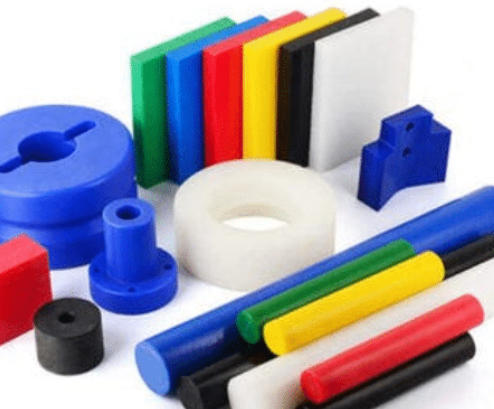
PE masterbatch production relies on intensive mixing and dispersion using compounding equipment such as twin‑screw extruders or internal mixers. The typical process includes:
1. Accurate weighing and feeding of resin, pigments/fillers, and additives
2. Melting and mixing within the extruder to wet and disperse pigments or fillers into the PE carrier
3. Melt filtration to remove contaminants and large agglomerates
4. Strand extrusion, cooling, and pelletizing to produce uniform PE masterbatch granules
Process parameters such as screw speed, barrel temperature profile, and residence time are optimized for each masterbatch type to achieve a balance between dispersion quality and thermal stability.
To ensure stable performance in downstream processing, each batch of PE masterbatch is typically tested for:
- Color strength and ΔE color difference
- Melt flow index and bulk density
- Dispersion level (e.g., microscopy, filter pressure tests)
- Moisture content and volatile content
- Mechanical and functional performance in application‑specific tests
Consistent quality control ensures that PE masterbatch behaves predictably when used at defined let‑down ratios across different production lines and customers.
In film blowing and cast film, PE masterbatch is essential for:
- Coloring bags, liners, shrink films, and stretch films
- Providing anti‑block, slip, and anti‑fog properties for food packaging
- Incorporating UV stabilizers for agricultural films and greenhouse covers
For instance, a packaging manufacturer might combine a white PE masterbatch with a slip/anti‑block masterbatch and an anti‑fog masterbatch to achieve a multifunctional film that runs smoothly on high‑speed lines and meets shelf‑life requirements.
In pipe extrusion and profile production, PE masterbatch is used to:
- Add black color and UV/oxidative stability to outdoor pipes and conduits
- Introduce fillers for dimensional stability and cost optimization
- Tailor friction and wear properties for sliding components
Injection‑molded parts such as caps, closures, toys, and household items rely on PE color masterbatch to provide branding, aesthetics, and identification, while functional PE masterbatch can add features like anti‑static behavior or improved scratch resistance.
In cable sheathing and wire coating, specialized PE masterbatch systems provide:
- Flame retardancy and low smoke generation
- UV resistance for outdoor installations
- Color coding for multi‑core cables
Here, PE masterbatch must combine high functional performance with tight control of electrical and mechanical properties to meet regulatory and safety standards.
A fundamental design rule for PE masterbatch is to match the carrier resin to the host polymer. Using a carrier with similar density, crystallinity, and melting behavior ensures:
- Good interfacial adhesion
- Uniform dispersion and distribution
- Minimal impact on mechanical properties and shrinkage
For example, LDPE‑based PE masterbatch is generally recommended for LDPE or LLDPE films, while HDPE‑based PE masterbatch is more suitable for rigid HDPE applications.
Higher concentration PE masterbatch reduces storage and handling volumes and allows lower addition rates, but it also makes dispersion more challenging. Formulators must balance:
- Pigment or filler loading level
- Dispersant ratio and type
- Viscosity and flow characteristics
A well‑optimized PE masterbatch offers strong performance at low dosage while still dispersing easily in industrial extruders and injection machines.
Another key principle in PE masterbatch design is finding the right balance between cost and performance:
- Selecting fillers and pigments with appropriate quality‑to‑cost ratios
- Optimizing loading levels to avoid over‑engineering
- Minimizing negative effects on mechanical properties and processing
Through careful raw‑material selection and process control, PE masterbatch can significantly reduce overall system cost while providing stable, reliable product performance.
Modern PE masterbatch formulation must consider environmental regulations and sustainability goals. Important aspects include:
- Use of RoHS‑ and REACH‑compliant pigments, fillers, and additives
- Minimization of heavy metals and hazardous substances
- Development of recyclable and, where possible, bio‑based PE masterbatch systems
In addition, PE masterbatch producers are increasingly focused on optimizing formulations to work effectively with recycled PE streams. This includes color masterbatch compatible with recycled resin shades and additive masterbatch that compensates for the lower stability of recycled materials.
PE masterbatch is a sophisticated material engineering tool that integrates pigments, fillers, and functional additives into a polyethylene carrier to deliver precise, repeatable performance in plastic processing. By carefully designing the composition of the PE masterbatch—carrier resin, functional components, and dispersants—manufacturers can control color, mechanical behavior, processing stability, and long‑term durability in a wide variety of applications.
From high‑opacity packaging films and UV‑resistant pipes to anti‑static and flame‑retardant cable jackets, PE masterbatch enables targeted customization while simplifying production and reducing overall system costs. As environmental and regulatory demands grow, advanced PE masterbatch technologies will continue to play a central role in driving innovation, quality, and sustainability in the global plastics industry.
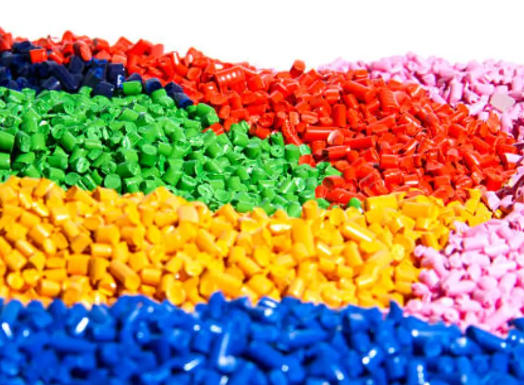
PE masterbatch offers a pre‑dispersed, easy‑to‑dose pellet form that ensures uniform color and properties across each production batch. It simplifies handling, reduces dust and contamination, and improves processing stability compared with dosing powders directly into the extruder or injection machine.
You should choose a PE masterbatch whose carrier resin matches your base polymer in type and processing temperature, such as LDPE, LLDPE, or HDPE. This compatibility ensures good dispersion, minimal impact on mechanical properties, and stable processing behavior at your standard operating conditions.
Yes, the composition and loading level of PE masterbatch can influence tensile strength, elongation, impact resistance, and stiffness. Color PE masterbatch at typical addition levels has limited impact, while high‑filler PE masterbatch can significantly change stiffness and toughness, so dosage and formulation must be carefully optimized.
Let‑down ratios vary depending on masterbatch concentration and target effect, but many color PE masterbatch grades are used at around 1–5% by weight. Highly filled or functional PE masterbatch may require different addition levels to achieve the desired performance without compromising processing or mechanical properties.
PE masterbatch can be designed specifically to work with recycled PE, providing color correction and performance stabilization. By selecting compatible carriers and incorporating suitable stabilizers, PE masterbatch helps improve the appearance, processability, and durability of products made from recycled or mixed‑grade polyethylene.


