


close
Choose Your Site
Global
Social Media


Views: 222 Author: Rebecca Publish Time: 2025-12-08 Origin: Site


Content Menu
● Understanding TPU Masterbatch
● Eco Advantages of TPU in Packaging
● Main Types of TPU Masterbatch for Sustainable Packaging
● TPU Masterbatch in Flexible Films and Pouches
● Supporting Mono-Material and Recyclable Designs
● Biodegradable and Bio-Based TPU Masterbatch Pathways
● Durability, Reusability, and Product Protection
● Aesthetics, Branding, and Consumer Perception
● Functional and Smart Packaging Using TPU Masterbatch
● TPU Masterbatch in Circular Economy and Recycling Systems
● Key Application Areas in Eco-Friendly Packaging
● Design and Processing Considerations
● How Masterbatch Supports Brand Sustainability Strategies
● FAQ About TPU Masterbatch in Eco-Friendly Packaging
>> 1. Is TPU Masterbatch compatible with existing recycling streams?
>> 2. Can TPU Masterbatch be used in food-contact packaging?
>> 3. Does adding Masterbatch reduce the eco benefits of TPU?
>> 4. Are there biodegradable TPU Masterbatch options for single-use packaging?
>> 5. How does TPU Masterbatch support brand differentiation in sustainable packaging?
Thermoplastic polyurethane (TPU) Masterbatch is becoming a strategic material for eco-friendly packaging because it combines high performance, recyclability, and precise control of color and functional properties in a single concentrate. By using TPU Masterbatch, brand owners can reduce material waste, improve recyclability, and design packaging that meets strict sustainability targets without sacrificing aesthetics or protection.[1][2]
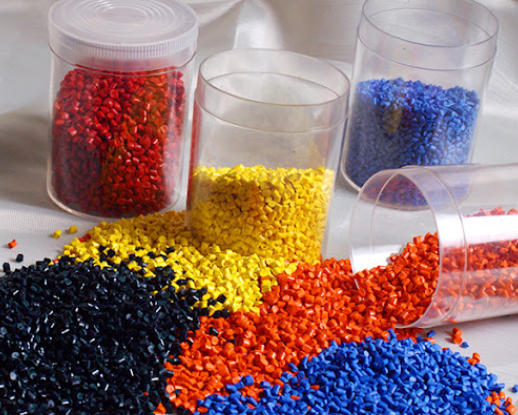
TPU Masterbatch is a pelletized concentrate where pigments or functional additives are dispersed in a TPU carrier resin, then let down into a base TPU or compatible polymer during processing. Because the carrier is TPU, the Masterbatch preserves the excellent elasticity, toughness, and abrasion resistance that TPU is known for, while enabling precise adjustment of color, UV stability, slip, anti-block, and other performance parameters.[3][4]
In eco-friendly packaging, TPU Masterbatch is especially valuable because it allows converters to achieve high color strength or special functions at low dosing levels, which helps maintain the recyclability and mechanical performance of mono-material structures. Properly selected Masterbatch also improves dispersion and processing stability, reducing the risk of defects that would otherwise lead to scrap and unnecessary waste.[5][3]
TPU is regarded as more eco-friendly than many conventional plastics because it is halogen-free, recyclable, and can be processed multiple times without major loss of key properties. Mechanical recycling of TPU—via shredding, re-melting, and compounding—allows production waste and even post-consumer materials to be converted into new packaging components, supporting circular economy models.[4][6]
In addition, some TPU grades are partly bio-based or formulated for improved environmental performance, which reduces dependence on fossil resources and lowers lifecycle impact. For packaging, TPU films and sheets offer a combination of high clarity, flexibility, and durability that helps reduce breakage and product losses, thereby further decreasing the overall environmental footprint.[2][7]
Different TPU Masterbatch types can be tailored to the specific sustainability and performance goals of each packaging solution.[3]
- Color TPU Masterbatch: Provides strong tinting strength and excellent dispersion, enabling vivid or brand-specific colors at low let-down ratios while maintaining recyclability and mechanical strength.[8]
- Matt-effect TPU Masterbatch: Delivers a soft-touch or anti-glare finish and is often formulated with eco-aware components, ideal for premium-looking yet sustainable packaging films and sleeves.[9]
- Biodegradable or bio-based TPU Masterbatch: Integrates biodegradable or bio-origin segments into TPU to create materials that break down more easily in defined environments, suitable for disposable or agricultural packaging.[2]
- Functional TPU Masterbatch: Includes UV stabilizers, antistatic agents, slip and anti-block additives, or conductive fillers to protect sensitive products and enable advanced packaging functions.[10]
By combining several functions into a single Masterbatch—such as color plus UV resistance—converters can simplify formulations, reduce dosing error, and keep the packaging structure as close as possible to a mono-material design.[3]
TPU films are increasingly used in flexible packaging, wraps, and pouches thanks to their elasticity, transparency, and strong sealing properties. TPU Masterbatch allows these films to achieve precise haze, gloss, or matte levels as well as exact brand colors without compromising mechanical strength, which is critical for thin-gauge eco-friendly films.[11][2]
Because TPU films can be recycled and, in some grades, derived partly from renewable resources, the use of compatible TPU Masterbatch supports more sustainable single-layer or co-extruded film structures. Brand owners can design films with enhanced puncture resistance and tear strength, reducing the risk of package failure and decreasing food spoilage or product returns, which in turn lowers total environmental impact.[4][5]
Mono-material packaging—where most components are made from the same polymer—is a key trend for improving recyclability and reducing sorting complexity. TPU Masterbatch fits well into this concept because it introduces color and functionality within the same TPU chemistry, avoiding the need for incompatible coatings or multi-material laminates.[2][4]
By using TPU Masterbatch to replace traditional inks or separate surface treatments, manufacturers can design transparent or colored films, closures, and seals that still behave as a single material during recycling. This compatibility simplifies mechanical recycling processes and helps maintain material value in closed-loop systems, especially for high-value packaging in electronics, sportswear, healthcare, and premium consumer goods.[6][1]
Some TPU Masterbatch solutions leverage biodegradable or bio-based TPU to support stricter environmental regulations and brand sustainability commitments. Biodegradable TPU Masterbatch integrates degradable segments or additives that allow the polymer to break down faster under specific conditions, making it suitable for applications like disposable packaging and certain specialty films.[7][2]
Bio-based TPU—derived partly from renewable feedstocks such as plant-based polyols—reduces reliance on fossil resources while offering comparable mechanical and processing performance. When combined with carefully engineered Masterbatch, bio-based TPU can deliver attractive, durable, and lower-carbon packaging while remaining recyclable or compostable in appropriate systems.[5][7]
One of TPU's key advantages in packaging is its ability to remain flexible yet tough, even at low temperatures. TPU Masterbatch can further reinforce durability by incorporating additives that improve abrasion resistance, impact strength, and stress-crack resistance, which prevents damage during transport and handling.[4][3]
Stronger, longer-lasting packaging means fewer broken packs, fewer product recalls, and less overall waste across the supply chain. For demanding environments—such as reusable bags, protective wraps for electronics, or industrial covers—TPU Masterbatch helps maintain performance over multiple use cycles, reinforcing the economics of reuse schemes and closed-loop logistics.[1][5]
Eco-friendly packaging must still deliver strong brand identity and shelf appeal. TPU Masterbatch allows manufacturers to achieve intense, stable colors, metallic or pearl-like effects, and sophisticated matte or gloss finishes without relying on solvent-based inks or laminated decorative layers. Because pigments and additives are fully dispersed in the TPU carrier, the resulting films and parts feature consistent appearance and reduced color variation.[12][3]
Soft-touch and matt-effect TPU Masterbatch formulations help brands communicate a premium and sustainable image to consumers while providing pleasant haptics. Combined with translucent or high-clarity TPU films, packaging designers can highlight the natural appearance of the product inside while still conveying an eco-conscious message on the outside.[9][2]
Advanced packaging formats increasingly require electrostatic protection, tracking, or sensing functions, and TPU Masterbatch can integrate these capabilities efficiently. Conductive TPU Masterbatch based on carbon nanotubes or other conductive fillers can provide static dissipation or EMI shielding, which is valuable for electronics packaging and other sensitive components.[10]
Because these functional fillers are introduced through a TPU carrier, converters can fine-tune electrical performance while preserving flexibility and recyclability of the overall structure. In the future, TPU Masterbatch may be combined with smart pigments or printed electronics to create intelligent packaging that signals freshness, tampering, or temperature abuse, aligning high-tech functions with eco-friendly material platforms.[1][4]
TPU's thermoplastic nature makes it suitable for mechanical recycling, where it can be reprocessed into new products multiple times with limited loss of core properties. Solutions are already being developed to shred, melt, and re-extrude TPU waste into new films or molded parts, often blended with virgin material to fine-tune performance.[6][5]
TPU Masterbatch formulations must support this circular approach by avoiding problematic additives, heavy metals, or halogens that could complicate recycling or create regulatory risks. Selecting recyclable or mass-balance feedstocks and transparent additive packages helps brand owners build credible circular narratives around their eco-friendly packaging lines.[13][2]
Practical applications of TPU Masterbatch in sustainable packaging already cover several fast-growing segments.[1]
- Flexible food and consumer goods films: TPU-based films colored or functionalized with Masterbatch provide strong sealing, puncture resistance, and adjustable breathability, extending product shelf life and reducing waste.[2]
- Reusable bags and protective covers: Durable TPU films enhanced with matt, anti-scratch, or UV-stable Masterbatch are used for reusable shopping bags, apparel covers, and long-life protective pouches.[5]
- High-value sleeves and labels: Thin TPU sleeves and labels colored by Masterbatch deliver excellent conformability and printability while remaining compatible with recycling in mono-material systems.[4]
- Technical and industrial packaging: TPU Masterbatch enables robust wraps, straps, and cushioning elements that can be reused multiple times in logistics and industrial environments.[1]
As regulatory pressure and consumer expectations increase, these use cases are expanding into e-commerce, sportswear, and technical equipment packaging that requires both robustness and verified sustainability.[2]
Choosing the right TPU Masterbatch for eco-friendly packaging requires aligning material design with processing realities. Important considerations include:[5]
- Compatibility with base TPU or TPU blends to avoid phase separation and preserve mechanical properties and recyclability.[4]
- Effect on melt flow and thermal stability, since film extrusion, lamination, and molding all depend on consistent viscosity and temperature windows.[3]
- Regulatory requirements, including food-contact approvals, low VOC, and compliance with REACH or RoHS for additives and pigments.[13]
- Target let-down ratios and dosing methods, which influence cost, color consistency, and long-term process stability.[3]
Working with a Masterbatch supplier that can perform lab-scale compounding and film trials helps optimize formulations and ensures that sustainability claims are backed by reliable performance in real production.[2]
Beyond technical performance, TPU Masterbatch supports broader brand strategies linked to sustainability and corporate responsibility. By enabling mono-material designs, recycled content, and reduced layer complexity, Masterbatch helps brands meet recycling and recyclability targets set by regulators and industry coalitions.[6][1]
At the same time, TPU Masterbatch allows the creation of visually distinctive and tactilely appealing packaging that signals premium quality and environmental responsibility to consumers. This combination of measurable environmental benefits and strong market differentiation makes TPU Masterbatch a powerful tool in the transition toward greener packaging portfolios.[12][2]
TPU Masterbatch has become a core enabling technology for eco-friendly packaging solutions, offering a unique combination of recyclability, high mechanical performance, and flexible aesthetics within a single material family. By integrating color, matt or gloss control, UV protection, conductivity, and even biodegradable or bio-based content, Masterbatch allows packaging designers to optimize both environmental and commercial performance in films, pouches, labels, and reusable products.[1][2]
As regulations tighten and brands commit to ambitious sustainability goals, TPU Masterbatch will continue to play a central role in mono-material packaging, circular recycling systems, and high-value functional packaging concepts. For global converters and brand owners, partnering with a custom Masterbatch specialist that understands TPU chemistry and eco-design principles is the most effective path to creating future-proof, eco-friendly packaging solutions.[6][5]
In many cases, TPU Masterbatch is compatible with TPU recycling schemes because the carrier resin is also TPU, so it does not introduce foreign polymers that could disrupt mechanical recycling. Recyclability still depends on the specific additives used, so it is important to select Masterbatch formulations that avoid problematic substances and are explicitly designed for circular use.[13][6]
TPU Masterbatch can be used in food-contact packaging when both the base TPU and the Masterbatch comply with relevant food-contact and chemical regulations. Suppliers can provide food-grade or migration-tested Masterbatch grades that meet regional standards, but converters must validate final articles under real processing and use conditions.[13][4]
When correctly formulated and dosed at appropriate let-down ratios, TPU Masterbatch generally maintains the recyclability and durability that make TPU attractive for eco-friendly packaging. In many cases, Masterbatch enhances sustainability by reducing material waste, enabling thinner yet stronger films, and replacing multi-layer or solvent-based decoration systems with simpler mono-material structures.[3][2]
Yes, some TPU Masterbatch solutions incorporate biodegradable or compostable elements that allow materials to break down more quickly in defined environments, suitable for certain single-use or agricultural packaging applications. It is essential to match the biodegradation profile with the actual disposal route and local regulations to ensure that the claimed environmental benefits are achieved in practice.[14][2]
TPU Masterbatch supports brand differentiation by delivering stable, intense colors, unique matt or gloss effects, and soft-touch surfaces that communicate a premium and eco-conscious image. Because these features are integrated into a recyclable TPU matrix, brands can combine strong visual identity with credible sustainability claims, which is increasingly important for winning consumer trust.[9][12]
[1](https://www.atpchem.com/tpo-and-tpu-in-sustainable-packaging-solutions.html)
[2](https://www.singhalglobal.com/blog/tpu-film-the-sustainable-decision-for-your-packaging-needs)
[3](https://www.kerkeextruder.com/masterbatch-production/tpu-masterbatch/)
[4](https://www.tpufilms.com/what-is-tpu-film)
[5](https://expafol.com/en/tpu-material-as-a-sustainable-solution-recyclability-and-ease-of-processing/)
[6](https://www.createitreal.com/2024/12/06/recyclability-of-tpu-material/)
[7](https://www.linkedin.com/pulse/bio-based-tpu-real-world-5-uses-youll-djbhf)
[8](https://www.shubhlabhinternational.com/Products/TPU-Masterbatch/index.html)
[9](https://www.si-tpv.com/polyester-tpu-based-matt-effect-masterbatch/)
[10](https://www.nanocyl.com/product/plasticyl-pp2001-2/)
[11](https://www.siliketech.com/enhance-tpus-matte-finish-durability-with-silike-matt-effect-masterbatch-3135-product/)
[12](https://www.rowa-group.com/en/news/detail-view/news/rowa-masterbatch-sets-the-tone-in-a-growing-segment-new-developments-for-vegan-leather.html)
[13](https://solutions.covestro.com/en/highlights/articles/stories/2021/making-tpu-raw-materials-more-circular)
[14](https://pleblit.com/tpu-and-bio-tpu-materials-investigation/)


