


close
Choose Your Site
Global
Social Media


Views: 222 Author: Rebecca Publish Time: 2026-01-14 Origin: Site


Content Menu
● Understanding PA Masterbatch
● How PA Masterbatch Reduces Production Costs
>> 1. Optimizing Raw Material Usage
>> 2. Enhancing Production Efficiency
>> 3. Minimizing Product Rejection Rates
>> 4. Extending Equipment Life
>> 5. Supporting Automation and Quality Control
● Application Fields of PA Masterbatch
>> Electrical and Electronic Components
>> Packaging and Consumer Goods
>> Textile and Filament Applications
● Environmental and Sustainability Advantages
● Best Practices for Using PA Masterbatch
● Future Trends in Masterbatch Technology
● FAQ
>> 1. What is PA Masterbatch and how does it work?
>> 2. How can PA Masterbatch help reduce costs?
>> 3. Can PA Masterbatch affect the mechanical strength of products?
>> 4. Is PA Masterbatch suitable for recycled materials?
>> 5. What industries benefit most from PA Masterbatch?
The plastics industry is undergoing an evolution, driven by the demand for higher performance, cost efficiency, and sustainability. In this shift, PA Masterbatch—a concentrated mixture of additives and pigments dispersed in a carrier resin—has become a key technology that helps plastic processors enhance material properties while minimizing production expenses. Whether used in injection molding, extrusion, or film manufacturing, PA Masterbatch plays a vital role in balancing material cost, production efficiency, and end-product performance.
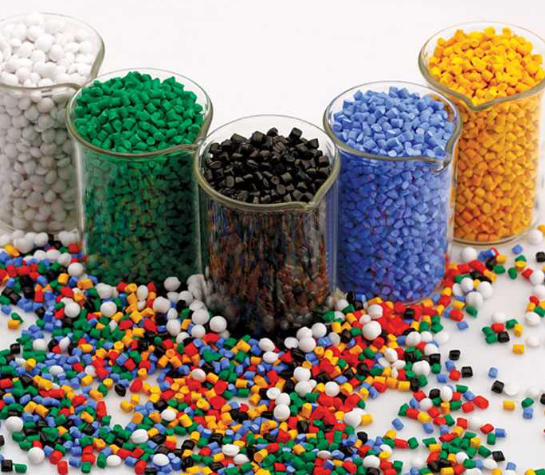
PA (Polyamide) Masterbatch typically serves as a carrier for various pigments, fillers, and performance enhancers. It combines colorants or functional additives with a polyamide base, ensuring uniform distribution and processing compatibility with PA-based resins such as PA6 and PA66.
A PA Masterbatch is composed of three major components:
- Carrier resin (PA6 or PA66): Ensures good dispersion in the final polymer matrix.
- Additives: May include colorants, UV stabilizers, anti-static agents, flame retardants, and lubricants.
- Dispersing agents: Help improve the mixing and flow characteristics of the compound.
This composition allows manufacturers to precisely control both the aesthetic and functional aspects of plastic components without directly adding raw additives during the process.
Different types of Masterbatch are designed to achieve specific results:
1. Color Masterbatch: Enhances visual appearance and branding consistency.
2. Additive Masterbatch: Improves properties such as UV resistance, flame retardancy, or anti-static behavior.
3. Filler Masterbatch: Replaces a portion of virgin resin with cost-effective materials like calcium carbonate or talc to cut costs.
4. Functional Masterbatch: Targets advanced performance needs such as antibacterial or infrared reflection.
Integrating a PA Masterbatch into the production process provides significant economic benefits beyond its primary functionality. These savings emerge from reduced material waste, optimized processing conditions, and longer equipment life.
By using a filler or additive Masterbatch, manufacturers can reduce dependence on 100% virgin polyamide resin. Fillers such as calcium carbonate or glass beads lower the total polymer consumption per unit of product. When carefully formulated, a filler Masterbatch can reduce the cost per kilogram of final plastic by 10–30% without compromising structural quality.
PA Masterbatch improves the rheological properties of the base material, enabling faster processing speeds in extrusion or injection molding. Better material flow means shorter cycle times, reduced machine idle hours, and higher output rates. These improvements translate directly into cost savings per production run.
Inconsistent coloring or poor additive dispersion often leads to defective products that must be scrapped or reprocessed. The use of high-quality PA Masterbatch ensures uniform additive distribution and color consistency, drastically lowering rejection and rework rates. This stability is especially valuable in industries demanding high-precision parts, such as automotive, electronics, and industrial packaging.
Additives in PA Masterbatch can also protect processing equipment. Lubricant-based or anti-wear Masterbatches reduce friction between the polymer melt and the machine barrel, extending the lifespan of machinery components. This benefit reduces long-term maintenance costs and downtime, which are frequent hidden expenses in continuous production systems.
Uniformly pre-dispersed Masterbatch simplifies automated dosing, leading to consistent product quality and precise color matching. It minimizes human intervention in additive mixing, thereby lowering labor costs and ensuring tighter quality control tolerances.
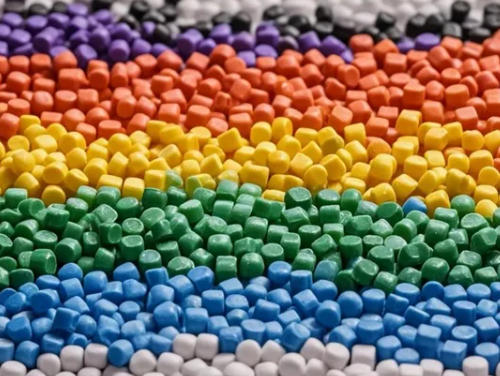
PA Masterbatch is utilized across a wide range of plastic applications, each with different priorities—some demand mechanical strength, others aesthetic precision, and others thermal stability.
In automotive manufacturing, PA compounds are widely used for under-the-hood components, connectors, and trim parts. The integration of thermal stabilizer or flame-retardant Masterbatch ensures that parts perform reliably under high-temperature and chemically aggressive conditions while keeping the overall part cost lower.
PA Masterbatches increase dimensional stability and improve insulation properties in electronic connectors, switches, and housings. Functional Masterbatches with anti-static or flame-retardant properties meet industry-standard safety and durability requirements, reducing the need for expensive secondary treatments.
For packaging applications, PA Masterbatch offers cost-effective color consistency, UV protection, and improved processability. This not only reduces material waste but also enhances shelf appeal—critical in consumer-focused markets.
In the production of PA fibers and filaments, the Masterbatch ensures consistent dye dispersion and UV stability without adversely affecting tensile strength or elongation. The controlled performance helps fiber manufacturers achieve efficiency and color uniformity at scale.
An additional benefit of PA Masterbatch is its contribution to sustainability goals. By reducing the volume of virgin polymer needed and improving yield, Masterbatch technology minimizes plastic waste and energy consumption per production unit.
Moreover, some PA Masterbatch formulations include eco-friendly fillers or bio-based additives that reduce carbon footprint. As global regulations move toward sustainable manufacturing, the adoption of efficient Masterbatch systems aligns well with corporate environmental targets.
Consider a factory producing automotive housings with a monthly output of 80 tons of PA6 parts. Implementing a PA filler Masterbatch with a 20% replacement ratio effectively saves 16 tons of virgin resin per month. At a resin cost of $3.0/kg and filler compound priced at $1.2/kg, this switch results in direct raw material savings exceeding $28,000 monthly. Over a year, savings surpass $330,000—all without sacrificing product quality or performance.
The advantages of PA Masterbatch depend on proper selection and integration. Some best practices include:
- Match carrier resin: Use a PA-based Masterbatch compatible with the main resin to ensure molecular bonding and dispersion.
- Optimize dosage: Typical addition rates vary between 2% and 8%, depending on concentration and desired effect.
- Maintain consistent processing temperature: Overheating can degrade additives and affect color strength.
- Use automated feeders: This ensures precise dosing and minimizes operator error.
- Store properly: Keep Masterbatch dry and sealed to avoid moisture absorption, which may cause bubbles or surface defects.
While PA Masterbatch delivers clear benefits, a few challenges exist in practical use.
- Moisture Sensitivity: PA absorbs water, which can cause processing issues. The solution is to use pre-dried Masterbatch and resins.
- Color migration: Low-quality color Masterbatches may cause color bleeding; high-quality pigment dispersion avoids this defect.
- Overloading additives: Excessive addition can lead to mechanical property reduction; always follow supplier dosage recommendations.
When properly managed, these challenges are minimal compared to the long-term cost advantages provided by PA Masterbatch solutions.
The global shift toward lightweight, sustainable, and high-performance plastics continues to shape Masterbatch innovation.
Emerging developments include:
- Nano-filler Masterbatch: Enhances strength, barrier properties, and heat resistance with minimal filler content.
- Recycled-material compatible Masterbatch: Designed to work efficiently with post-consumer recycled resins.
- AI-assisted color matching: Uses optical sensors and data algorithms to ensure repeatable color quality.
- Biodegradable additive Masterbatch: Facilitates more sustainable plastic formulations for eco-conscious industries.
These innovations indicate that PA Masterbatch will remain a cornerstone of efficient and sustainable polymer manufacturing.
PA Masterbatch technology is far more than a colorant or additive medium—it is a powerful instrument for cost control, quality assurance, and sustainable manufacturing. By leveraging Masterbatch effectively, plastic processors can achieve higher yields, improved performance, longer equipment life, and lower overall costs. In an era of rising raw material prices and environmental scrutiny, the strategic implementation of PA Masterbatch is not only a smart investment but also a necessity for global competitiveness.
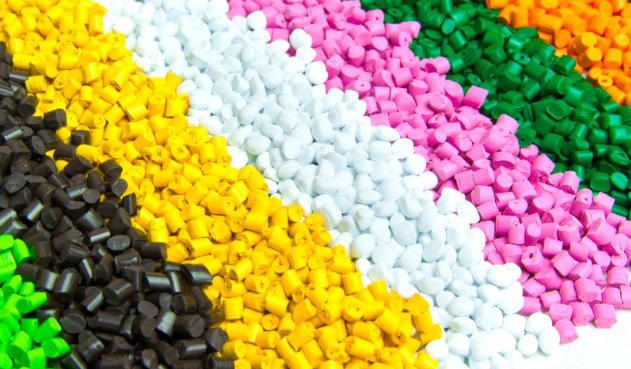
PA Masterbatch is a concentrated mixture of additives and pigments in a polyamide (PA) carrier resin. It ensures even dispersion of colorants or performance enhancers during plastic processing, improving quality and efficiency.
By using fillers and pre-dispersed additives, PA Masterbatch reduces virgin resin consumption, shortens processing cycles, and minimizes product defects, collectively lowering production costs.
When used correctly, it maintains or even enhances mechanical strength. Overdosing, however, may reduce structural integrity, so following supplier guidelines is essential.
Yes. Many modern Masterbatch formulations are compatible with recycled polyamides and designed to restore performance lost in the recycling process.
Automotive, electronics, packaging, and textile manufacturers gain the most value due to its ability to balance cost, performance, and process stability.


