


close
Choose Your Site
Global
Social Media


Views: 222 Author: Rebecca Publish Time: 2026-01-07 Origin: Site


Content Menu
● Key Types of PA Masterbatch for Automotive
>> Flame‑retardant PA masterbatch
>> Conductive and anti‑static PA masterbatch
● Automotive Applications of PA Masterbatch
>> Under‑the‑hood and engine bay parts
>> Electrical and electronic components
>> Exterior and structural clips, fasteners, and brackets
● Performance Benefits in Automotive Manufacturing
>> Lightweighting and fuel efficiency
>> Enhanced durability and safety
>> Surface quality and aesthetics
>> Processing efficiency and consistency
● Selecting the Right PA Masterbatch for Automotive Projects
>> Match masterbatch to resin and process
>> Consider long‑term stability and regulations
>> Leverage custom PA masterbatch development
● FAQ
>> 1) What is PA masterbatch in automotive applications?
>> 2) Why is PA masterbatch preferred over direct additives?
>> 3) Which automotive parts most commonly use PA masterbatch?
>> 4) How does PA masterbatch support lightweighting in vehicles?
>> 5) What factors should be considered when selecting PA masterbatch for an automotive project?
PA masterbatch is a highly concentrated mixture of additives and pigments dispersed in a polyamide carrier resin, typically PA6, PA66, or related copolyamides. This concentrated masterbatch is later diluted into natural PA resin during compounding or molding to achieve the desired performance and appearance in the final automotive part.[4][3][1]
In automotive manufacturing, PA masterbatch allows engineers to modify properties such as mechanical strength, impact resistance, color stability, flame retardancy, UV resistance, and electrical conductivity without changing the base resin system. Using PA masterbatch instead of pure additives also improves handling precision, dosing accuracy, and additive dispersion, which is essential for consistent part quality in high‑volume production.[5][1][4]

Automotive manufacturers rely on several specialized PA masterbatch families to match the diverse performance needs of different vehicle systems. Each type of PA masterbatch targets a different property set while remaining compatible with high‑temperature processing and the demanding service environment of vehicles.[2][6][1]
Reinforced PA masterbatch incorporates glass fiber or carbon fiber to increase tensile strength, stiffness, and dimensional stability of nylon parts. This type of masterbatch is widely used for structural and semi‑structural components that must resist high loads, vibration, and thermal cycling.[3][1]
Toughened PA masterbatch uses elastomeric modifiers to raise impact strength and prevent brittle failure, especially at low temperatures. It is particularly useful for interior parts and trim components that must withstand everyday impacts while maintaining good appearance.[6][1]
Flame‑retardant PA masterbatch provides controlled burning behavior for parts near electrical systems, wiring harnesses, and electronic modules. These masterbatches help components achieve regulatory flame‑retardant ratings while preserving mechanical integrity and processability.[5]
Conductive PA masterbatch contains fillers such as carbon black, metal fibers, or carbon nanotubes to provide electrical conductivity or controlled surface resistivity. In automotive applications, conductive masterbatch supports electromagnetic shielding, anti‑static protection, and safe handling of high‑voltage systems in electric vehicles.[7][1]
Color PA masterbatch delivers precise, repeatable color shades for interior trims, under‑hood clips, fasteners, and visible functional parts. It also helps maintain color stability under heat and UV exposure, which is critical for decorative and branding elements inside and outside the vehicle.[8][9][3]
PA masterbatch is deeply integrated into automotive manufacturing across interior, exterior, and under‑the‑hood domains. By combining multiple PA masterbatch types in a single formulation, OEMs and Tier‑1 suppliers can fine‑tune each plastic part for its unique operating environment.[1][2][3]
Toughened and color PA masterbatch are widely used in dashboard elements, center consoles, seat components, and door panels. These masterbatch solutions provide soft‑touch feel, scratch resistance, good impact strength, and consistent color across different batches and molds.[8][2][1]
Reinforced, heat‑resistant, and flame‑retardant PA masterbatch ensure that engine covers, fan housings, air‑intake manifolds, and brackets maintain strength at elevated temperatures. These masterbatch formulations help replace metal with high‑performance plastics, supporting engine‑bay lightweighting strategies.[10][11][1]
Flame‑retardant and conductive PA masterbatch are used in connectors, cable glands, high‑voltage plugs, sensor housings, and control‑unit enclosures. Such masterbatch systems combine insulation, dimensional stability, and targeted electrical properties to meet automotive safety and EMC requirements.[7][5]
Reinforced PA masterbatch helps produce robust clips, fasteners, and brackets for exterior trim, lighting assemblies, and under‑body panels. These parts must resist mechanical loads, weathering, and thermal cycling without creep or deformation over the vehicle lifetime.[11][3][1]
The widespread adoption of PA masterbatch in automotive manufacturing is driven by its strategic benefits across performance, processing, and cost. Each benefit strengthens the case for switching from pre‑colored compounds or metal components to PA plus specialized masterbatch.[9][12][1]
Reinforced PA masterbatch allows metal replacement for many brackets, covers, and support components, cutting weight while maintaining structural strength. This weight reduction directly supports better fuel economy and extended range in both conventional and electric vehicles.[3][10][1]
Flame‑retardant and UV‑stabilized PA masterbatch improve resistance to heat, flame, and weathering, extending part life in harsh environments. Conductive PA masterbatch also mitigates static buildup and electromagnetic interference around sensitive electronics and high‑voltage circuits.[2][1][5][7]
Color PA masterbatch provides consistent color and gloss, while processing‑aid masterbatch can improve flow, reduce defects, and enhance surface appearance. This combination is vital for visible interior components where visual quality strongly influences perceived vehicle value.[4][9][8]
Lubricating and processing‑aid PA masterbatch reduces melt viscosity, improves mold filling, and decreases cycle times in injection molding. Using PA masterbatch with optimized rheology also lowers scrap rates and enhances reproducibility across different machines and tools.[12][10][1][4]
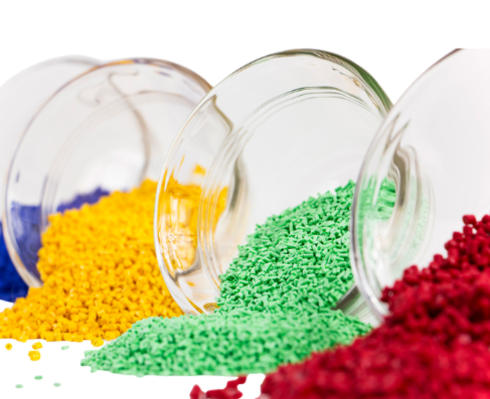
Choosing the optimal PA masterbatch for automotive applications requires a structured evaluation of part requirements, processing conditions, and regulatory constraints. Collaboration between material suppliers, part designers, and processors ensures that each PA masterbatch formulation delivers the targeted balance of properties.[6][10][1][3]
Automotive engineers must first specify mechanical strength, impact resistance, heat resistance, flame rating, electrical behavior, and color requirements for each part. These targets determine whether reinforced, toughened, flame‑retardant, conductive, or purely color PA masterbatch — or a combination — is needed.[1][5][6]
The PA masterbatch carrier must be compatible with the base nylon grade (PA6, PA66, or blends) and withstand typical melt temperatures around 220–260 °C. Process‑oriented PA masterbatch, including lubricants and nucleating agents, should be tuned to injection molding, extrusion, or blow molding conditions for the specific component.[12][11][6][1]
Automotive parts must endure long service lives under temperature cycles, humidity, chemicals, and UV exposure, so stabilizer packages inside the PA masterbatch are critical. Compliance with automotive flame‑retardant, VOC, and recyclability standards must also shape the choice of PA masterbatch chemistries.[10][5][2]
Many suppliers offer custom PA masterbatch formulations tailored to unique OEM color codes, part geometries, or multi‑functional performance requirements. For global platforms, harmonized PA masterbatch solutions help keep material performance consistent across production sites in different regions.[13][14][15][8]
PA masterbatch has become a core enabling technology for modern automotive manufacturing, allowing nylon‑based components to replace heavier metals while still meeting demanding mechanical and safety standards. By carefully selecting and combining reinforced, toughened, flame‑retardant, conductive, and color PA masterbatch systems, automakers can engineer plastics that deliver advanced functionality, high productivity, and consistent quality across global vehicle platforms.[5][3][1]
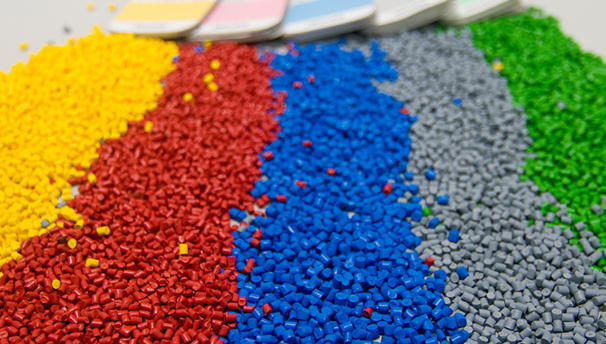
PA masterbatch in automotive applications is a concentrated mix of additives and pigments dispersed in a polyamide carrier, later diluted into nylon resin during processing. It enables precise control over color, mechanical performance, and special functions such as flame retardancy or conductivity in vehicle parts.[4][1][5]
PA masterbatch is preferred because it offers cleaner handling, more accurate dosing, and better dispersion than adding pure additives directly to PA resin. This leads to more uniform part properties, fewer processing defects, and greater production consistency in automotive molding lines.[9][12][1][4]
Common parts using PA masterbatch include dashboards, interior trims, clips and fasteners, engine covers, fan housings, electrical connectors, and cable components. These components benefit from the strength, heat resistance, and functional properties that PA masterbatch provides to nylon materials.[2][1][5]
Reinforced PA masterbatch makes it possible to replace metal brackets, housings, and structural supports with high‑strength nylon compounds. This substitution cuts component weight while preserving or even improving stiffness and durability, supporting fuel‑efficiency and range targets.[3][10][1]
Selection should consider resin type, processing temperature, part geometry, required mechanical and thermal performance, color specifications, and relevant standards such as flame‑retardant ratings. Long‑term stability, UV resistance, chemical resistance, and recyclability requirements are also crucial when defining the right PA masterbatch package.[6][10][1][5]
[1](https://www.kerkeextruder.com/masterbatch-production/pa-masterbatch/)
[2](https://www.linkedin.com/pulse/what-pa-masterbatch-uses-how-works-top-companies-2025-nexovates-c7r0c)
[3](https://af-color.com/en/masterbatches/colormasterbatches/masterbatches-for-polyamides)
[4](https://patents.google.com/patent/EP0835903A1/en)
[5](https://flame-retardant.alfa-chemistry.com/flame-retardant-pa-masterbatch.html)
[6](https://www.lft-g.com/blog/how-to-choose-masterbatch-for-nylon_b142)
[7](https://www.plasticstoday.com/automotive-mobility/color-stable-eorange-masterbatch-developed-for-e-mobility-applications)
[8](https://www.sunchemical.com/masterbatch-industries-applications/)
[9](https://uniformcolor.com/industries/automotive)
[10](https://www.brueggemann.com/en/polymer-additives)
[11](https://polivektris.lt/products/polyamide-pa6-pa66/)
[12](https://www.ampacet.com/wp-content/uploads/Ampacet-Europe-Molding-Guide-v3.pdf)
[13](https://www.ytlinghua.com/plastic-color-masterbatch/)
[14](https://www.debaomasterbatch.com/News_Events/2025-07-04/WhiteMasterbatchManufacturer.html)
[15](https://www.made-in-china.com/products-search/hot-china-products/Masterbatch.html)
[16](https://www.lyondellbasell.com/en/our-solutions/products/advanced-polymer-solutions/masterbatch-custom-performance-color/)
[17](https://www.tosaf.com/wp-content/uploads/2021/10/EMobility.pdf)
[18](https://danpolymer.com/product-category/compound/polyamide-compound/?lang=en)
[19](https://www.siliketech.com/china-masterbatch/)
[20](https://ensun.io/search/black-masterbatch/china)


