


close
Choose Your Site
Global
Social Media


Views: 222 Author: Rebecca Publish Time: 2025-12-20 Origin: Site


Content Menu
● Understanding ABS Masterbatch
>> Key Components of ABS Masterbatch
● How ABS Masterbatch Reduces Production Costs
>> 1. Material Cost Efficiency
>> 2. Improved Processing and Reduced Waste
>> 3. Enhanced Recyclability and Sustainability
>> 4. Optimized Additive Usage
>> 5. Lower Energy Consumption
● Types of ABS Masterbatch Commonly Used
>> 4. Performance Enhancer Masterbatch
● Applications Across Industries
● The Strategic Value of ABS Masterbatch in Modern Manufacturing
● Choosing the Right ABS Masterbatch Supplier
● FAQ
>> 1. What is ABS Masterbatch made of?
>> 2. How does ABS Masterbatch reduce cost in production?
>> 3. Can ABS Masterbatch be used with recycled ABS materials?
>> 4. What industries commonly use ABS Masterbatch?
>> 5. How should I select the right ABS Masterbatch formulation?
In today's manufacturing landscape, efficiency and cost optimization are crucial for success. Among the many ways that plastic product manufacturers achieve these goals, the use of ABS Masterbatch stands out as one of the most impactful solutions. ABS (Acrylonitrile Butadiene Styrene) is a widely used thermoplastic due to its balance of strength, rigidity, and toughness. When combined with masterbatch technology, ABS materials offer manufacturers a cost-effective pathway to produce high-quality products while maintaining performance standards.
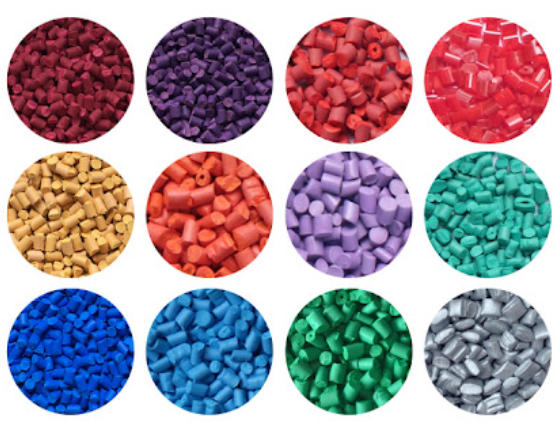
ABS Masterbatch is a concentrated mixture of pigments, additives, or fillers encapsulated during a heat process into a carrier resin based on ABS polymer. This masterbatch can be easily added to pure ABS resin during processing to achieve specific properties, such as color enhancement, UV resistance, flame retardancy, or improved mechanical strength.
An ABS masterbatch typically contains:
- Carrier resin: Usually the same ABS base resin to ensure compatibility.
- Additives: Chemicals or compounds added to enhance certain properties.
- Pigments or fillers: Depending on the required function, these modify color or other physical characteristics.
The primary function of masterbatch is to provide a uniform and practical way of incorporating additives into the plastic base material. Instead of dosing raw additives directly into the polymer, masterbatch ensures even dispersion, stable properties, and clean processing, leading to lower waste and higher production efficiency.
One of the main economic advantages of ABS masterbatch lies in its ability to reduce manufacturing costs across multiple dimensions, from raw material optimization to process efficiency.
By using ABS masterbatch, manufacturers can replace a portion of virgin resin with additive-enhanced compounds that achieve the same or better performance at a lower cost. This substitution not only saves on material expenses but also reduces dependency on high-cost additives or specialty resins. The efficiency of pigment dispersion also means less colorant is required to achieve the same saturation.
In injection molding and extrusion, uniformity is everything. The pre-dispersed nature of ABS masterbatch minimizes inconsistencies in color, mechanical strength, and chemical performance. This leads to:
- Reduced material waste due to fewer rejected products.
- Shorter setup times when switching colors or formulations.
- Stable processing performance, lowering downtime and increasing output per machine.
The stable and cleaner feeding characteristics of masterbatch also reduce contamination in production lines, minimizing maintenance costs.
Using an ABS-based carrier resin ensures compatibility with recycled ABS materials. As global manufacturers move toward sustainable production models, masterbatch can help maintain product quality when incorporating recycled content. This directly contributes to cost reduction by allowing higher usage of recycled ABS without compromising mechanical or visual quality.
ABS masterbatch allows for precise additive dosing. Without a masterbatch, additives like UV stabilizers, flame retardants, or anti-static agents might be overused to ensure adequate performance. With masterbatch technology:
- Each pellet carries the exact additive proportion.
- Processing variability decreases.
- Manufacturers spend less on excessive chemical additives.
This precise control transforms additive management into a predictable, cost-saving factor rather than a trial-and-error expense.
ABS masterbatch enhances melt flow and processing stability, enabling manufacturers to run production at lower temperatures or shorter cycle times. These energy savings accumulate significantly over large production volumes. Reduced processing temperatures not only cut energy costs but also extend equipment lifespan by lowering thermal stress.
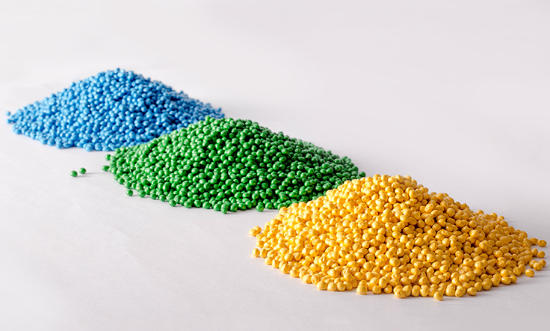
ABS masterbatches are versatile, catering to different industry requirements. Below are some of the most common categories found in industrial applications:
Color masterbatch provides vibrant, consistent colors in final ABS products. This type reduces pigment dust, achieves superior uniformity, and eliminates direct pigment handling.
Functional masterbatch includes UV stabilizers, flame retardants, or anti-static agents. These help manufacturers meet specific regulatory or performance standards at a lower cost.
Filler masterbatch integrates mineral fillers like calcium carbonate or talc into the ABS matrix. It reduces production cost per unit of plastic while maintaining mechanical strength and dimensional stability.
This category improves impact resistance, hardness, or glossiness. It allows manufacturers to use lower grades of ABS raw materials yet still achieve high-end product aesthetics.
The widespread applicability of ABS masterbatch highlights its strategic importance in reducing costs and improving performance in different segments.
- Automotive: Used for dashboards, panels, and trims that require durability and heat resistance at lower production costs.
- Electronics: Provides enhanced flame retardancy and aesthetic consistency in appliance housings, TV frames, and electrical components.
- Consumer goods: Ideal for toys, luggage, and furniture where impact strength, color quality, and cost control are key factors.
- Construction materials: Offers UV stability and impact toughness for fittings, handles, and decorative components.
- Packaging: Enhances gloss and color effects while reducing resin use in rigid packaging applications.
In the competitive global market, integrating ABS masterbatch into production brings both tactical and strategic advantages. Tactically, it reduces direct material costs and rejects. Strategically, it strengthens product performance consistency, improves sustainability, and optimizes the manufacturing workflow.
Additionally, companies that customize their ABS masterbatch formulations can achieve proprietary product differentiation. This customization not only enhances product quality but also allows firms to meet specific client requirements efficiently.
Selecting a dependable supplier is essential for maximizing the benefits of ABS masterbatch. Consider the following factors:
- Technical support and customization capability.
- Compatibility testing with your production line.
- Consistency and quality control in pigment dispersion.
- Sustainable and certified production processes.
A professional masterbatch manufacturer with integrated R&D and production strength can provide tailor-made solutions that anchor long-term cost savings and performance reliability.
ABS Masterbatch plays a decisive role in modern plastics manufacturing. It allows companies to reduce production costs through material efficiency, precise additive dosing, and enhanced process stability. Whether targeting color uniformity, performance improvement, or sustainability, integrating ABS masterbatch into production delivers measurable economic and environmental returns. For producers seeking to enhance competitiveness and sustainability simultaneously, adopting customized ABS masterbatch formulations is a powerful step toward future-ready manufacturing.
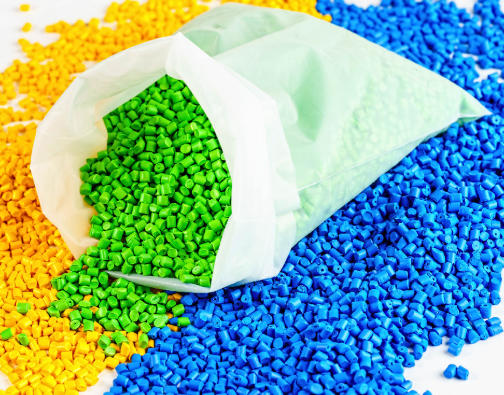
ABS Masterbatch consists of ABS resin as the carrier, combined with pigments or additives that modify the base material's properties during molding or extrusion.
By improving additive efficiency, reducing waste, and lowering processing temperatures, ABS masterbatch minimizes raw material and energy consumption.
Yes. Because the carrier is compatible with ABS resin, it can be mixed with virgin or recycled ABS without degrading performance or appearance.
Automotive, electronics, construction, packaging, and consumer product manufacturers all rely on ABS masterbatch for improved quality and reduced production expenses.
Choose based on application requirements—color, mechanical strength, or functional additives—and work closely with an experienced supplier for tailored performance.


