


close
Choose Your Site
Global
Social Media


Views: 222 Author: Rebecca Publish Time: 2025-12-11 Origin: Site


Content Menu
● Advantages of TPU Masterbatch in Textile Production
>> Enhanced Mechanical Properties
>> Improved Color Consistency and Aesthetics
>> Sustainability and Processing Efficiency
● Applications of TPU Masterbatch in the Textile Industry
>> 1. Melt-Spun Fibers and Yarns
>> 3. Breathable Membranes and Films
>> 4. Smart and Functional Textiles
● The Role of Masterbatch in Sustainable Textile Innovation
● Technological Innovations in TPU Masterbatch Production
● Market Trends and Global Outlook
● Challenges and Future Prospects
>> 1. What is TPU Masterbatch used for in textiles?
>> 2. How does TPU Masterbatch improve sustainability?
>> 3. Can TPU Masterbatch be customized for different textile applications?
>> 4. Is TPU Masterbatch compatible with other polymers?
>> 5. What are the future trends of TPU Masterbatch in the textile industry?
In recent years, Thermoplastic Polyurethane (TPU) Masterbatch has emerged as a transformative material in the textile industry. Used widely in fibers, coatings, membranes, and functional textiles, TPU Masterbatch helps manufacturers achieve both performance efficiency and material innovation. Its high flexibility, durability, and customizability make it the material of choice for applications that demand both softness and strength—qualities essential in modern textiles.
This article explores the growing impact of TPU Masterbatch on the textile sector, its key benefits, production technologies, and emerging market trends. By understanding its functions and advantages, textile manufacturers can make informed decisions to elevate product quality and stay competitive in a fast-evolving market.
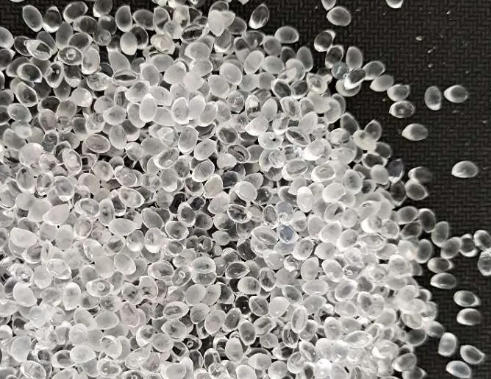
TPU Masterbatch is a concentrated mixture of thermoplastic polyurethane resin blended with additives, pigments, or functional modifiers. It is designed to enhance the processing and performance characteristics of base TPU materials or other polymers during fiber extrusion or textile coating.
The masterbatch acts as an efficient carrier for colorants, UV stabilizers, flame retardants, antistatic agents, or other performance-enhancing chemicals. When compounded into a polymer matrix, it ensures uniform dispersion and consistent quality—reducing waste and improving operational efficiency.
In textile applications, TPU Masterbatch has become a preferred choice due to its balance of elasticity, transparency, and mechanical strength. These features support developments in functional fabrics, sportswear, medical textiles, and industrial composites.
TPU Masterbatch significantly strengthens fiber and film durability. Its high tensile strength and abrasion resistance make it ideal for high-performance textiles such as sports shoes, outerwear, and industrial nets. Unlike traditional plasticizers, TPU Masterbatch maintains flexibility even under extreme temperatures.
Color masterbatches based on TPU enable manufacturers to achieve consistent color shades across different production batches. The excellent color fastness and compatibility improve visual appeal while reducing pigment waste. This is crucial for textile brands that need precise coloration and design repeatability.
TPU Masterbatch can help reduce processing defects and energy consumption by improving melt flow and dispersion. Moreover, TPU-based formulations are often non-toxic, solvent-free, and recyclable, aligning with the global shift toward sustainable textile production.
Manufacturers can tailor TPU Masterbatch formulations for specific applications. For example:
- Anti-UV Masterbatch for outdoor fabrics.
- Flame-retardant Masterbatch for protective clothing.
- Antibacterial Masterbatch for healthcare and hygiene textiles.
- Anti-static Masterbatch for industrial or electronic applications.
Such versatility makes TPU Masterbatch an invaluable tool for producing technical and functional fabrics that meet stringent performance and safety standards.
In fiber extrusion, TPU Masterbatch provides color and enhances mechanical strength. It ensures smooth fiber spinning, reduces breakage, and allows precise control over mechanical properties like elongation and resilience.
Textile coatings made with TPU Masterbatch improve waterproofing, elasticity, and surface finish. This is particularly beneficial in outdoor wear, artificial leather, and inflatable fabrics where both flexibility and toughness are required.
TPU Masterbatch is used in the production of breathable and moisture-wicking membranes, offering superior comfort and performance in sports and medical applications.
With the integration of conductive, anti-odor, or phase-changing Masterbatch formulations, TPU materials can be engineered into smart textiles that respond to temperature, movement, or external stimuli.
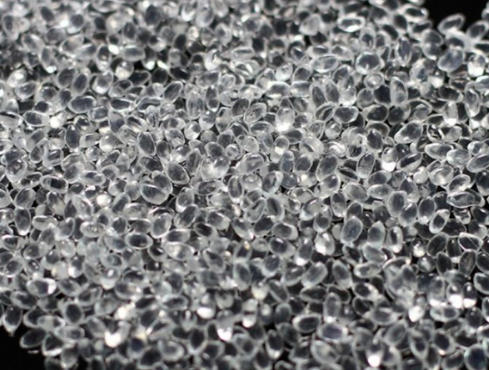
Today's textile industry faces increasing pressure to reduce environmental impact while maintaining product innovation. TPU Masterbatch plays a vital role in supporting sustainability through:
- Material recycling: TPU-based textiles with masterbatch additives can be reprocessed without significant degradation.
- Reduced chemical waste: Using concentrated masterbatch formulations minimizes the need for liquid pigments or separate stabilizers.
- Energy efficiency: Enhanced flow properties shorten production cycles, lowering energy use.
By adopting eco-friendly TPU Masterbatch systems, textile manufacturers can meet both environmental compliance and market demand for greener products.
The advancement of TPU Masterbatch technology has been driven by precision compounding and nanotechnology. Some notable innovations include:
- Nano-filled TPU Masterbatch for superior dispersion and barrier properties.
- Biodegradable Masterbatch using bio-based TPU resins.
- Multi-functional additives combining UV resistance, antibacterial protection, and thermal stability in a single formulation.
- 3D-printable TPU filaments prepared with high-performance masterbatch for advanced prototyping.
These developments enable customized textile engineering, providing manufacturers with more flexibility and design creativity while maintaining cost-efficiency.
Global demand for TPU Masterbatch in the textile sector continues to rise sharply. The industry benefits from the surging popularity of athleisure, technical fabrics, and sustainable materials. According to recent market analyses, the TPU Masterbatch market is projected to grow at a CAGR of over 6% through 2030.
China remains a major producer and innovator in TPU Masterbatch manufacturing, supplying customized solutions to Europe, North America, and Southeast Asia. Local factories have improved compounding technology, enabling color precision, performance stability, and scalability that meet global quality standards.
As the textile industry pushes toward digitalization and smart manufacturing, TPU Masterbatch will remain a core enabling material, linking design functionality with sustainable value creation.
Despite its numerous benefits, TPU Masterbatch production faces challenges such as:
- Cost competitiveness: TPU resins are often more expensive than standard polymers.
- Compatibility issues: Ensuring uniform dispersion and molecular interaction in complex fabric systems.
- Regulatory compliance: Meeting global safety standards on chemical content and recyclability.
To overcome these, manufacturers are investing in advanced compounding lines, AI-based quality control, and collaborative R&D to tailor TPU Masterbatch for next-generation applications.
In the near future, we can expect growth in areas like smart wearables, eco-friendly fibers, and customizable functional fabrics, where TPU Masterbatch will continue to play a transformative role.
The integration of TPU Masterbatch into textile manufacturing represents one of the most important transitions in the modern materials landscape. Its unique balance of flexibility, strength, and environmental compatibility allows textile producers to create more durable, functional, and aesthetic fabrics.
As global demand grows for sustainable and high-performance textiles, the relevance of TPU Masterbatch will only deepen—driving breakthroughs in fiber engineering, coating technologies, and circular manufacturing systems.
Whether for fashion, healthcare, or industrial use, TPU Masterbatch stands at the forefront of textile innovation.
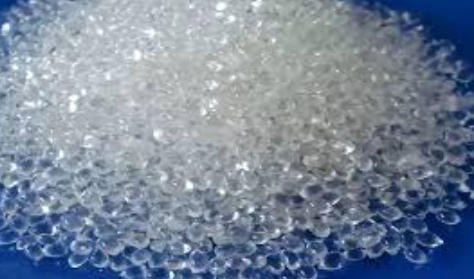
TPU Masterbatch is used to enhance the color, functionality, and mechanical properties of textiles. It improves elasticity, waterproofing, and abrasion resistance in applications such as clothing, footwear, and technical fabrics.
By providing concentrated additives and colorants, TPU Masterbatch reduces chemical waste and improves process efficiency. It also supports recycling, as TPU-based textiles can be reprocessed without major degradation.
Yes. Manufacturers can create customized TPU Masterbatch formulations with properties like UV protection, flame retardancy, antibacterial effects, or conductivity to suit varied textile requirements.
It generally works best with TPU and compatible elastomer systems, though formulations can be optimized for blends with polyester, nylon, or polyolefin materials.
Future developments include bio-based TPU Masterbatch, nanocomposite additives, and smart textile applications. These innovations focus on improving performance, sustainability, and digital manufacturing integration.


