


close
Choose Your Site
Global
Social Media


Views: 222 Author: Rebecca Publish Time: 2025-12-31 Origin: Site


Content Menu
● Understanding PP Masterbatch Technology
● Global Market Dynamics and Growth Drivers
● Sustainability and Environmental Considerations
● Technological Innovations Shaping the Industry
● Regional Market Insights and Strategic Considerations
● Industry Challenges and Risk Mitigation
● Future Outlook and Strategic Opportunities
● FAQ
>> 1. What exactly is PP masterbatch and how does it differ from direct pigment addition?
>> 2. How does sustainability impact PP masterbatch development and selection?
>> 3. Which industries are the primary consumers of PP masterbatch?
>> 4. What factors should manufacturers consider when selecting a PP masterbatch supplier?
>> 5. How are technological innovations changing PP masterbatch capabilities?
The global plastics industry stands at a pivotal crossroads, where innovation meets sustainability, and polypropylene (PP) masterbatch has emerged as a cornerstone material driving this transformation. As manufacturers worldwide seek enhanced performance characteristics, cost efficiency, and environmental responsibility, PP masterbatch solutions have become indispensable in modern plastic production. This comprehensive analysis explores the evolving landscape of PP masterbatch technology, examining market dynamics, emerging trends, and the strategic insights shaping the industry's future trajectory.
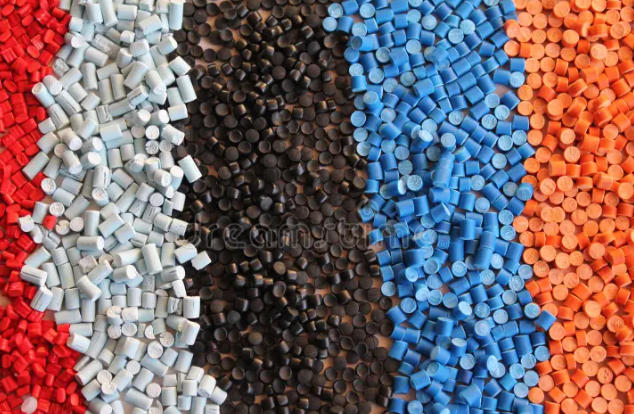
PP masterbatch represents a concentrated mixture of pigments, additives, or fillers encapsulated within a polypropylene carrier resin. This sophisticated material enables manufacturers to introduce specific properties—such as color, UV resistance, flame retardancy, or antimicrobial characteristics—into polypropylene products during the manufacturing process. The masterbatch approach offers superior dispersion quality compared to direct pigment addition, ensuring consistent coloration and enhanced performance attributes throughout the final product.
The versatility of PP masterbatch extends across numerous industries, from automotive components and packaging materials to textile fibers and consumer goods. Manufacturers increasingly recognize that masterbatch technology delivers not only aesthetic improvements but also functional enhancements that meet stringent performance standards. The carrier resin compatibility ensures seamless integration during extrusion, injection molding, or blow molding processes, making PP masterbatch an efficient solution for diverse production requirements.
Modern masterbatch formulations have evolved significantly, incorporating advanced additive packages that address multiple performance criteria simultaneously. Manufacturers can now select from specialized masterbatch variants designed for specific applications, whether requiring enhanced thermal stability for high-temperature processing or specialized surface properties for improved printability. This customization capability has positioned PP masterbatch as a critical enabler of product differentiation in competitive global markets.
The PP masterbatch market has experienced remarkable expansion over the past decade, driven by accelerating demand across multiple end-use sectors. Industry analysts project continued robust growth, with the global masterbatch market expected to reach substantial valuations as manufacturers increasingly adopt these concentrated additives. The Asia-Pacific region dominates consumption patterns, accounting for the largest market share due to extensive manufacturing infrastructure and growing consumer markets in countries like China, India, and Southeast Asian nations.
Several fundamental drivers propel market expansion. The packaging industry remains the single largest consumer of PP masterbatch, fueled by e-commerce growth, food safety requirements, and consumer preference for attractive product presentation. Automotive manufacturers increasingly specify masterbatch solutions to achieve weight reduction targets while maintaining component durability and aesthetic appeal. The construction sector's adoption of PP-based materials for pipes, fittings, and insulation products further amplifies masterbatch demand.
Economic factors significantly influence market dynamics. Raw material price fluctuations, particularly polypropylene resin costs, directly impact masterbatch pricing structures. However, the value proposition of masterbatch technology—reduced material waste, improved process efficiency, and enhanced product quality—continues to justify investment even during price volatility periods. Manufacturers who integrate masterbatch solutions often realize total cost benefits that extend beyond simple material costs, encompassing reduced processing time, minimized quality defects, and streamlined inventory management.
Environmental consciousness has fundamentally reshaped PP masterbatch development priorities. The industry faces mounting pressure to address plastic waste concerns while maintaining the performance attributes that make polypropylene materials indispensable. This challenge has catalyzed innovation in sustainable masterbatch formulations, with manufacturers developing solutions that support circular economy principles without compromising material properties.
Bio-based masterbatch alternatives represent one significant innovation pathway. Some manufacturers now offer masterbatch products incorporating renewable feedstocks or bio-derived additives, reducing dependence on petroleum-based resources. These formulations maintain compatibility with conventional PP processing equipment while delivering comparable performance characteristics. Although bio-based options currently command premium pricing, increasing production scale and technological refinement promise improved cost competitiveness.
Recyclability considerations have become paramount in masterbatch development. Forward-thinking manufacturers design masterbatch formulations that remain compatible with recycling streams, ensuring colored or modified PP products can be effectively reprocessed. Advanced masterbatch technologies enable easier separation during recycling operations, supporting closed-loop material flows. Some specialized masterbatch products actually enhance recycled PP properties, addressing quality degradation concerns that previously limited recycled content utilization.
The concept of "design for recycling" now influences masterbatch selection decisions. Brands and manufacturers increasingly evaluate how masterbatch choices impact end-of-life product scenarios. Light-stable masterbatch formulations, for instance, prevent discoloration in recycled materials, maintaining aesthetic appeal across multiple use cycles. This holistic approach to material selection reflects the industry's commitment to sustainable practices while preserving the functional advantages that masterbatch technology provides.
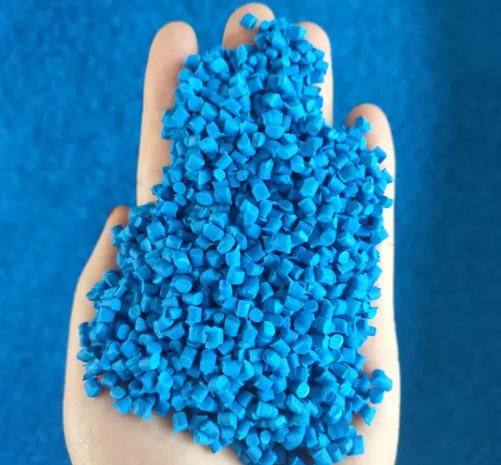
Innovation continues to redefine PP masterbatch capabilities, with research and development efforts focused on enhanced performance, processing efficiency, and expanded functionality. Nanotechnology integration represents one frontier, where nano-sized additives dispersed within masterbatch carriers deliver unprecedented property improvements. Nano-enhanced masterbatch formulations can provide superior barrier properties, mechanical strength, and UV protection at lower additive concentrations compared to conventional approaches.
Smart masterbatch technologies have emerged as another transformative innovation. These advanced formulations incorporate responsive additives that react to environmental stimuli—temperature changes, UV exposure, or moisture levels—enabling products with adaptive properties. Applications range from color-changing packaging that indicates product freshness to temperature-sensitive materials for medical or cold-chain logistics applications. Such functional masterbatch solutions create new value propositions beyond traditional coloring or basic property modification.
Processing efficiency improvements constitute a critical innovation focus. Modern masterbatch formulations optimize dispersion characteristics, reducing mixing time and energy consumption during production. Some advanced masterbatch products enable processing temperature reductions, extending equipment lifespan while decreasing energy costs. Manufacturers increasingly prioritize masterbatch solutions that streamline production workflows, recognizing that processing efficiency directly impacts competitiveness in global markets.
Digital technology integration is transforming how manufacturers develop and deploy masterbatch solutions. Computational modeling enables precise formulation optimization before physical production, accelerating development cycles and reducing trial-and-error costs. Some suppliers now offer digital color-matching platforms where customers can visualize and specify exact masterbatch colors remotely, improving specification accuracy and reducing sampling iterations. These digital capabilities enhance the overall customer experience while improving operational efficiency throughout the supply chain.
Geographic variations significantly influence PP masterbatch market dynamics, with distinct regional characteristics shaping demand patterns and competitive landscapes. The Asia-Pacific region's dominance stems from its position as the global manufacturing hub, where extensive plastic processing capacity drives substantial masterbatch consumption. Chinese manufacturers, in particular, have invested heavily in masterbatch production capabilities, establishing comprehensive portfolios that serve both domestic and export markets.
North American and European markets exhibit different characteristics, with stringent regulatory requirements and high sustainability expectations influencing product specifications. These regions demonstrate stronger demand for premium masterbatch formulations that meet rigorous safety standards and environmental criteria. Manufacturers serving these markets must navigate complex regulatory landscapes, including FDA compliance for food-contact applications and REACH regulations governing chemical substances in Europe.
Emerging markets present substantial growth opportunities as industrialization accelerates and consumer markets expand. Countries throughout Latin America, Africa, and parts of Asia are experiencing rapid infrastructure development and rising middle-class populations, driving demand for plastic products across multiple sectors. Local masterbatch production capabilities remain limited in many emerging markets, creating opportunities for established manufacturers to expand distribution networks and develop region-specific formulations.
Strategic considerations for masterbatch suppliers increasingly emphasize technical service capabilities alongside product quality. Customers seek partners who provide application development support, helping optimize masterbatch integration within specific production processes. This consultative approach distinguishes leading suppliers, who recognize that successful masterbatch deployment requires understanding customer processing parameters, performance requirements, and cost constraints. Building these collaborative relationships enables suppliers to develop customized formulations that address unique application challenges.
The PP masterbatch industry confronts multiple challenges that require strategic responses. Raw material supply chain vulnerabilities have become more apparent following recent global disruptions, highlighting the risks associated with concentrated supplier bases and geographic production concentrations. Leading manufacturers increasingly diversify sourcing strategies, establishing relationships with multiple resin suppliers and developing contingency plans for supply interruptions.
Competitive pressures intensify as market maturity increases in established regions. Commodity masterbatch segments face particularly acute price competition, compressing margins and challenging differentiation strategies. Successful manufacturers respond by emphasizing technical capabilities, developing specialized formulations for niche applications, and providing value-added services that justify premium positioning. Innovation investment becomes essential for maintaining competitive advantages in increasingly crowded markets.
Regulatory complexity presents ongoing challenges as governments worldwide implement evolving plastic-related policies. Manufacturers must continuously monitor regulatory developments across multiple jurisdictions, adapting formulations to comply with changing requirements. Proactive engagement with regulatory processes and industry associations helps companies anticipate policy directions and participate in shaping reasonable regulatory frameworks that balance environmental objectives with practical manufacturing realities.
Quality consistency remains a fundamental challenge, particularly as manufacturers scale production or expand into new geographic markets. Rigorous quality control systems, standardized manufacturing processes, and comprehensive testing protocols ensure that masterbatch products deliver consistent performance across production lots. Leading manufacturers invest in advanced analytical equipment and quality management systems that verify specification compliance and enable rapid problem resolution when quality variations occur.
The future trajectory of PP masterbatch markets appears robust, supported by fundamental trends that favor continued adoption and innovation. Sustainability imperatives will increasingly drive formulation development, with successful products balancing environmental responsibility with performance requirements. Manufacturers who pioneer truly circular masterbatch solutions—enabling high-quality recycled content utilization while maintaining product integrity—will capture significant competitive advantages.
Customization and specialization represent key growth vectors. As end-use industries demand increasingly specific performance characteristics, generic commodity masterbatch offerings will face limitations. Manufacturers who develop deep application expertise and invest in custom formulation capabilities will differentiate themselves in premium market segments. This trend favors technical collaboration between masterbatch suppliers and end-users, fostering partnerships that drive co-innovation and application-specific solution development.
Geographic expansion opportunities remain substantial, particularly in emerging markets where plastic consumption growth outpaces global averages. However, successful market entry requires more than simply establishing distribution channels. Understanding local market dynamics, building relationships with regional processors, and potentially establishing local production capabilities will determine success in these high-growth markets. Strategic partnerships with local manufacturers can facilitate market access while mitigating investment risks.
Digital transformation will increasingly influence competitive dynamics. Manufacturers who embrace digital technologies—from formulation development and quality control to customer engagement and supply chain management—will operate more efficiently and responsively than competitors relying on traditional approaches. Data analytics capabilities enable predictive maintenance, quality optimization, and customer behavior insights that inform strategic decisions. The integration of digital capabilities throughout the value chain represents a critical competitive frontier.
The PP masterbatch industry stands at an exciting juncture, where traditional manufacturing expertise intersects with sustainability imperatives and technological innovation. Market fundamentals remain strong, supported by diverse end-use applications and continued plastic material adoption across multiple sectors. However, success in this evolving landscape requires more than simply producing quality masterbatch products. Manufacturers must embrace sustainability as a core principle, invest in innovation that addresses emerging customer needs, and develop the technical capabilities that enable true partnership with customers.
The most successful companies will be those that view masterbatch not merely as a commodity additive but as a sophisticated solution enabling their customers' success. This perspective demands continuous innovation, rigorous quality standards, and deep application expertise. As the industry progresses toward a more sustainable and circular future, PP masterbatch technology will play an essential role in enabling high-performance plastic products that meet both functional requirements and environmental responsibilities. The future belongs to manufacturers who can navigate this complex landscape while delivering consistent value to customers and stakeholders across the global plastics ecosystem.
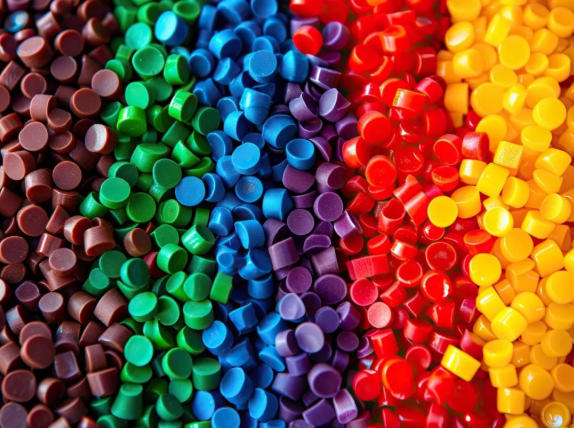
PP masterbatch is a concentrated mixture of pigments, additives, or fillers incorporated into a polypropylene carrier resin. Unlike direct pigment addition, masterbatch offers superior dispersion quality, easier handling, reduced dust exposure, and more consistent coloration. The pre-dispersed format eliminates the need for specialized mixing equipment and reduces contamination risks during production. Manufacturers achieve better color consistency and can easily switch between colors without extensive equipment cleaning. Additionally, masterbatch formulations can incorporate multiple additives simultaneously, providing functional properties beyond simple coloration that would be difficult to achieve through direct addition methods.
Sustainability considerations fundamentally influence modern masterbatch development, driving innovation in recyclability, bio-based alternatives, and circular economy compatibility. Manufacturers increasingly formulate masterbatch products that remain compatible with recycling streams, ensuring colored or modified PP materials can be effectively reprocessed. Some advanced formulations actually enhance recycled PP properties, addressing quality concerns that previously limited recycled content usage. Bio-based masterbatch options incorporating renewable feedstocks are emerging, though currently at premium pricing. Forward-thinking companies evaluate how masterbatch choices impact product end-of-life scenarios, prioritizing formulations that support closed-loop material flows while maintaining performance requirements essential for application success.
The packaging industry represents the largest PP masterbatch consumer, driven by e-commerce growth, food safety requirements, and consumer preferences for attractive product presentation. Automotive manufacturers constitute another major market segment, utilizing masterbatch to achieve weight reduction while maintaining component durability and aesthetic appeal. The textile industry consumes significant volumes for synthetic fiber production, while the construction sector employs PP masterbatch in pipes, fittings, and insulation materials. Consumer goods manufacturers across categories—from household appliances to toys—rely on masterbatch for product differentiation. Healthcare and medical device sectors represent specialized markets requiring stringent quality standards and regulatory compliance for masterbatch formulations.
Supplier selection requires evaluating multiple critical factors beyond simple pricing considerations. Technical support capabilities rank paramount—suppliers should provide application development assistance, helping optimize masterbatch integration within specific production processes. Quality consistency and rigorous testing protocols ensure reliable performance across production lots. Regulatory compliance expertise becomes essential for applications with strict standards, particularly food-contact or medical uses. Supply chain reliability, including geographic production diversity and contingency planning, mitigates disruption risks. Innovation capabilities indicate a supplier's commitment to developing advanced formulations addressing emerging needs. Finally, sustainability credentials and commitment to circular economy principles increasingly influence selection decisions as companies pursue environmental responsibility objectives.
Technological advancement continuously expands masterbatch functionality and performance characteristics. Nanotechnology integration enables superior property improvements—enhanced barrier characteristics, mechanical strength, and UV protection—at lower additive concentrations than conventional formulations. Smart masterbatch technologies incorporate responsive additives that react to environmental stimuli, creating adaptive products for specialized applications. Processing efficiency improvements reduce energy consumption and mixing time, delivering cost benefits beyond material savings. Digital technologies transform development processes, with computational modeling accelerating formulation optimization and digital color-matching platforms improving specification accuracy. These innovations collectively enhance masterbatch value propositions, enabling manufacturers to differentiate products while improving operational efficiency and meeting evolving customer requirements across diverse application sectors.


