


close
Choose Your Site
Global
Social Media


Views: 222 Author: Rebecca Publish Time: 2026-01-28 Origin: Site


Content Menu
● What Is PE Masterbatch and Why It Matters
● Technological Advancements Driving Innovation
>> 1. Advanced Additive Formulations
>> 2. Nanotechnology Integration
>> 3. Smart and Biodegradable Carriers
>> 4. Automation and Digitalization
● Applications Across Industries
>> Agriculture
>> Construction
>> Automotive
● Sustainability and Environmental Challenges
● Growth Opportunities and Future Outlook
● FAQ
>> (1) What is the main function of a PE Masterbatch?
>> (2) What are the common types of PE Masterbatch?
>> (3) How does sustainable PE Masterbatch support eco-friendly production?
>> (4) In which industries is PE Masterbatch most commonly applied?
>> (5) What future technologies will shape the PE Masterbatch market?
Polyethylene (PE) Masterbatch has become one of the most dynamic sectors within the global plastics industry. As industries seek sustainable, high-performance, and cost-effective materials, the demand for innovative Masterbatch formulations continues to rise. China, as one of the world's largest polymer production hubs, is driving this transformation through cutting-edge technology, material innovation, and globalized supply chains.
This article examines the evolving landscape of PE Masterbatch production, market dynamics, technological innovations, and future trends that will define the next decade.

PE Masterbatch is a concentrated mixture of pigments, additives, or both encapsulated within a carrier resin, typically polyethylene (PE). It plays a crucial role in plastics processing by allowing manufacturers to introduce color, UV stability, antimicrobial properties, or other desired features into their final products.
By dispersing pigments or additives evenly, Masterbatch eliminates handling difficulties, ensures color consistency, and enhances performance. PE-based Masterbatch products are highly compatible with various polymers, making them ideal for films, packaging, household goods, and automotive applications.
The global PE Masterbatch market has grown significantly over the past decade. According to industry analyses, the market value surpassed USD 9 billion in 2025 and is expected to reach more than USD 12 billion by 2030, reflecting a steady CAGR of around 5%. Several structural factors contribute to this growth:
- Rising demand for flexible packaging in food, pharmaceutical, and e-commerce sectors.
- Increasing adoption of sustainable packaging materials with color-stable, recyclable Masterbatch systems.
- Expanding use of lightweight plastic components in construction and automotive industries.
- Ongoing development of specialty Masterbatch types (antimicrobial, anti-fog, flame retardant, and UV-resistant).
China, India, and Southeast Asia are major production hubs due to lower production costs and deeper integration of petrochemical supply chains. However, North America and Europe remain high-value markets driven by quality standards and tight environmental regulations.
New generations of PE Masterbatch now incorporate multifunctional additives. Instead of single-purpose compounds like simple colorants, modern Masterbatch products deliver combination performance — for example, combining UV stabilization with antistatic or anti-blocking properties. These multifunctional blends reduce processing time and improve material efficiency.
Nanofillers are revolutionizing PE Masterbatch design. By incorporating nanoscale particles such as carbon nanotubes or nano-silica, manufacturers achieve advanced mechanical strength, heat resistance, and controlled optical effects. This trend aligns with high-performance product applications such as electronic packaging or agricultural films.
Sustainability pressures have accelerated R&D efforts to replace conventional resins with bio-based or biodegradable masterbatch carriers. Bio-PE derived from renewable sources, like sugarcane or corn, offers the same chemical structure as traditional PE but with a reduced carbon footprint. This transition opens the door for eco-friendly masterbatch systems serving circular economy goals.
Automation in extrusion and compounding lines ensures better consistency in Masterbatch production. Modern systems use AI-assisted color-matching software and real-time quality monitoring. This digital transformation minimizes human error, improves efficiency, and allows small-batch custom formulations for specialized client needs.
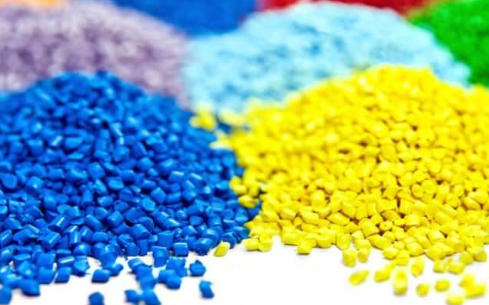
PE Masterbatch remains indispensable in flexible and rigid packaging. It enhances film gloss, transparency, and mechanical durability. Additive masterbatch formulations ensure UV protection for packaged goods, extend shelf life, and improve brand aesthetics with vibrant, precise colors.
Agricultural films benefit from UV stabilizers, anti-fog, and antimicrobial additives. These specialized masterbatches help farmers preserve greenhouse film clarity, improve crop yield, and extend film durability under extreme sunlight exposure.
In the construction sector, black and white PE Masterbatch compounds are used in geomembranes, water pipes, and cable insulation. These Masterbatch variants provide weather resistance, dimensional stability, and pigmentation uniformity required for long-term structural reliability.
The automotive industry increasingly relies on lightweight polymer components. PE Masterbatch enables the creation of durable, colored, and UV-stabilized interior and exterior parts without compromising mechanical integrity or visual quality.
For household and consumer utilities, PE Masterbatch delivers bright coloration, scratch resistance, and product differentiation — key factors in retail appeal and brand recognition.
- Asia-Pacific: Dominates global output due to large-scale resin production and competitive manufacturing infrastructure. Chinese companies continuously invest in R&D and automation, turning PE Masterbatch into a global export product.
- Europe: Focuses on compliance, sustainability, and bio-based masterbatch development, aligning with the EU's circular economy targets.
- North America: Driven by innovation in specialty and high-performance masterbatch formulations used for medical and packaging fields.
- Middle East & Africa: Gaining momentum through petrochemical investments and local polymer value chain expansion.
The environmental impact of plastic materials has sparked debates across industries. In this context, PE Masterbatch manufacturers must adapt to stricter regulations and consumer expectations. Three main strategies define the industry's response:
1. Use of Recycled Polymers: Integrating recycled polyethylene as the carrier resin without compromising quality.
2. Biodegradable Additives: Creating masterbatches that accelerate polymer degradation under composting conditions.
3. Energy-Efficient Production: Optimizing compounding processes to reduce energy consumption and CO₂ emissions.
These practices align with ESG (Environmental, Social, and Governance) frameworks increasingly favored by global brands.
Leading global and Chinese manufacturers are racing to expand production capacity while upgrading technology. Companies such as Avient, Ampacet, and Cabot dominate worldwide markets, while Chinese enterprises like Shandong Ruifeng, Ningbo Colour Master, and Guangzhou Koral are rapidly becoming top global suppliers.
Key strategies include:
- Strategic partnerships for sustainable polymer supply.
- Investments in R&D facilities for advanced polymer chemistry.
- Expansion of overseas distribution channels.
- Emphasis on customer-specific customization through digital engineering.
Global competition is not merely about price but about innovation, reliability, and sustainability — areas where Chinese manufacturers are gaining significant competitive advantage.
The next decade of PE Masterbatch development will be characterized by several transformative trends:
1. Circular Economy Integration: Increased adoption of bio-based and recycled Masterbatch products.
2. AI in Color Management: Predictive color-matching algorithms for precision customization.
3. 3D Printing Compatibility: Masterbatch tailored for additive manufacturing materials.
4. Global Collaboration: Stronger partnerships between petrochemical companies, compounders, and converters.
5. Eco-Certification: Masterbatch products certified under international sustainability standards like ISCC Plus and REACH.
In essence, the future of PE Masterbatch lies in combining technological sophistication with environmental consciousness, meeting global standards while staying cost-efficient.
PE Masterbatch continues to serve as the cornerstone of modern polymer innovation. Driven by sustainability, digitalization, and performance optimization, the market is advancing beyond traditional formulations toward smart, multifunctional, and eco-friendly solutions. As China consolidates its position as a global leader in Masterbatch R&D and production, the world market will witness a new era of collaborative development and sustainable growth.
Manufacturers who invest today in cleaner technologies, AI-driven customization, and green material integration will be the leaders of tomorrow's polymer revolution.
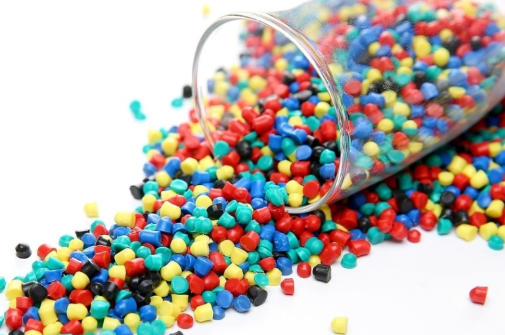
PE Masterbatch is used to add color, UV protection, and specific functional properties to plastic products while ensuring uniform dispersion and processing stability.
Major categories include color masterbatch, white masterbatch, black masterbatch, and additive masterbatch, each serving different performance and aesthetic purposes.
Sustainable PE Masterbatch uses recycled or bio-based carriers and minimizes environmental impact by improving product recyclability and reducing waste in production.
It is widely used in packaging, agriculture, construction, automotive, and consumer goods manufacturing due to its versatility and compatibility with polyethylene materials.
Emerging technologies include nanocomposite formulations, AI-based quality control, biodegradable additives, and bio-PE development, all enhancing the industry's sustainability and performance potential.


