


close
Choose Your Site
Global
Social Media


Views: 222 Author: Rebecca Publish Time: 2026-01-19 Origin: Site


Content Menu
● Understanding PA Masterbatch Basics
● From Early Masterbatch to High-Performance PA Systems
● Market Forces Shaping PA Masterbatch Evolution
● Technological Trends in PA Masterbatch
>> Advanced Color and Effect Masterbatch
>> Functional and Flame-Retardant Masterbatch
>> Sustainable and Biodegradable Masterbatch
>> Digitalization and Industry 4.0 in Masterbatch
● What's Next for PA Masterbatch Technology?
>> Smarter, Multi-Functional Masterbatch Systems
>> AI-Assisted Formulation and Virtual Prototyping
>> Greater Integration with Recycling and Circular Economy
>> Regional Innovation and Supply Chain Resilience
● How Innovative PA Masterbatch Supports Global Manufacturers
● Working with a Custom PA Masterbatch Partner
● FAQ About PA Masterbatch Technology
>> 1. What is PA Masterbatch and how is it used?
>> 2. How does PA Masterbatch differ from regular Masterbatch?
>> 3. Can PA Masterbatch support sustainability and recycling goals?
>> 4. Which industries benefit most from advanced PA Masterbatch?
>> 5. What should buyers consider when selecting a PA Masterbatch supplier?
PA Masterbatch (polyamide Masterbatch) is a concentrated mixture of pigments and/or functional additives dispersed in a PA carrier resin, designed to be let down into base polymers during processing. This Masterbatch approach allows processors to achieve precise color, UV stability, flame retardance, lubrication, or other performance enhancements without handling large volumes of loose powders or liquids.
Compared with direct compounding of additives, PA Masterbatch offers cleaner dosing, better dispersion, and improved batch-to-batch consistency, which is critical in high-spec industries such as automotive, e‑mobility, and engineering plastics. By adjusting Masterbatch carrier compatibility (PA6, PA66, and specialty nylons), processors can fine‑tune melt flow, mechanical strength, and surface quality for demanding applications.
In practical production, PA Masterbatch is usually supplied in pellet form and is dosed through gravimetric or volumetric feeders into the processing machine. This makes Masterbatch easier to store, transport, and meter, while giving processors the flexibility to switch grades quickly when changing colors or performance requirements. For global converters working on multiple product platforms, this flexibility is a key advantage of using PA Masterbatch rather than pre-colored compounds only.
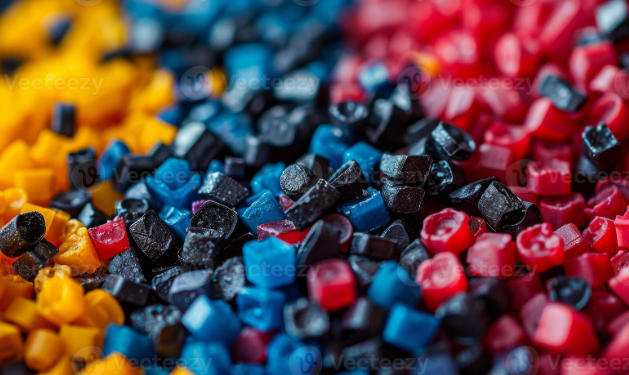
The first commercial Masterbatch formulations emerged in the 1960s, when polymer processors needed an easier way to introduce color and additives into rapidly growing plastic production lines. Early Masterbatch products focused mainly on simple color concentrates and basic stabilizers, with limited attention to long-term durability or advanced functional performance.
Over the following decades, innovations such as twin‑screw extrusion, more efficient mixing elements, and better dispersion agents transformed Masterbatch production into a high-precision compounding technology. As engineering plastics like PA6 and PA66 became mainstream in automotive and electronics, specialized PA Masterbatch systems were developed to withstand higher temperatures, mechanical stress, and aggressive environments.
At the same time, global brand owners started to demand tighter color tolerances and more uniform surface quality, which pushed Masterbatch suppliers to improve pigment selection, carrier design, and process control. This led to the modern concept of high-performance PA Masterbatch: engineered concentrates capable of delivering exact color coordinates and functional properties across different plants, regions, and processing technologies.
Several powerful market forces are currently driving the evolution of PA Masterbatch technology worldwide. These forces are reshaping how Masterbatch is formulated, produced, and specified by global customers.
Key drivers include:
- Rising demand for lightweight engineering plastics in automotive and aerospace, where PA Masterbatch enables thin-wall, high-strength components with consistent aesthetics.
- Stricter regulations around emissions, recyclability, and hazardous substances, which push Masterbatch suppliers to redesign formulations and develop low-VOC, RoHS- and REACH-compliant solutions.
- Global moves toward a circular economy, leading to more recycled-content compounds, biodegradable Masterbatch options, and improved compatibility with mechanical and chemical recycling streams.
In parallel, digital transformation and Industry 4.0 technologies are changing how PA Masterbatch is developed, produced, and used, from automated compounding lines to data-driven process optimization. The result is a new generation of PA Masterbatch that is more reliable, traceable, and customizable than ever before.
Several key technological trends define the current generation of PA Masterbatch and point to what comes next for the industry. These trends directly impact how global manufacturers specify, purchase, and apply Masterbatch in high-value applications and how they differentiate their end products in competitive markets.
Color Masterbatch for PA has evolved from simple solid tones to complex effect Masterbatch with metallic, pearlescent, fluorescent, and signal colors tailored to brand and safety requirements. For example, new high-chroma orange PA Masterbatch systems have been created for e‑mobility components, delivering strict color coordinates and heat stability for high-voltage parts.
Modern color PA Masterbatch often incorporates several advanced features. High-temperature-stable pigments optimized for PA6 and PA66 help prevent discoloration during repeated processing cycles and under long-term heat exposure. Improved dispersion packages minimize specks, streaks, and flow marks in glass-fiber-reinforced polyamide parts, which is crucial for visible technical components. Integrated functional additives such as UV stabilizers, anti-oxidants, or laser-marking additives can be combined directly into one Masterbatch, so processors can achieve both aesthetics and performance in a single dosing step.
These advances allow brand owners and OEMs to standardize color globally while maintaining the mechanical and thermal performance expected from engineering-grade PA materials. In addition, color masterbatch databases, digital color matching tools, and spectrophotometric control systems simplify the communication between Masterbatch suppliers and customers, shortening the time needed to qualify new PA Masterbatch grades in different regions.
Beyond color, functional PA Masterbatch is becoming a strategic tool for tuning part performance and lifetime. In many cases, functional Masterbatch replaces or complements traditional additive packages, giving processors more flexibility to adapt formulations to specific customer requirements. Typical PA Masterbatch families include:
- Flame-retardant PA Masterbatch for electrical connectors, e‑mobility, and industrial components, formulated to meet demanding fire-safety standards.
- Heat and UV-stabilizing Masterbatch that protects PA parts in under‑hood, outdoor, or high-temperature environments, extending service life.
- Lubricating and processing-aid Masterbatch that reduces friction, improves mold release, and smoothens surface appearance in complex components.
There are also anti-static Masterbatch solutions that reduce dust attraction on PA surfaces, nucleating Masterbatch for faster crystallization and improved dimensional stability, and impact-modification Masterbatch that enhances toughness at low temperatures. In many cases, these functional PA Masterbatch grades are designed as modular “building blocks,” allowing compounders and OEMs to combine several Masterbatch types in a single formulation without sacrificing compatibility or processing stability.
Sustainability is one of the strongest forces reshaping the Masterbatch market, including PA-based systems. While biodegradability is more common in PLA, PBAT, and other bioplastics, sustainable Masterbatch thinking is increasingly applied to engineering plastics as well.
Key directions include:
- Biodegradable Masterbatch for compostable applications, using bio-based carriers and fillers to reduce reliance on fossil feedstocks in suitable systems.
- Bio-filler Masterbatch with starch, plant fibers, or mineral fillers that lower carbon footprint and reduce the amount of virgin polymer required in a part.
- Non‑carbon‑black black Masterbatch solutions that allow near‑infrared sorting in recycling plants, enabling better recovery of dark-colored plastic waste.
For PA Masterbatch, these sustainable strategies translate into higher use of recycled PA carriers, low‑VOC additive packages, halogen-free flame retardants, and better compatibility with end-of-life separation and recycling technologies. In addition, many Masterbatch producers are measuring and communicating the carbon footprint of their PA Masterbatch ranges, supporting OEMs in life-cycle assessments and sustainability reporting.
Industry 4.0 tools are transforming Masterbatch development and production, especially for high-value PA Masterbatch where consistency and traceability are critical. Modern Masterbatch plants increasingly use automated dosing systems and gravimetric feeders to control pigment and additive ratios with high precision, improving Masterbatch uniformity and reducing human error.
Online sensors and data analytics help monitor melt temperature, torque, dispersion quality, and color during compounding and pelletizing, allowing operators to react quickly when deviations occur. Digital formulation databases, virtual lab systems, and advanced simulation tools shorten the development cycle for new PA Masterbatch recipes tailored to specific applications. For processors, digital connectivity provides real-time feedback on Masterbatch performance in injection molding, extrusion, or blow molding lines, helping optimize let-down ratios, reduce waste, and stabilize cycles.

Looking ahead, PA Masterbatch is expected to evolve in several interconnected directions that align with market, regulatory, and technological changes. These future trends will affect how global customers specify and use Masterbatch in demanding environments and how suppliers position their portfolios.
The next generation of PA Masterbatch will increasingly combine multiple functions in a single, application-specific product. Rather than using separate Masterbatch types for color, UV stability, and flame retardance, processors will adopt integrated Masterbatch systems that deliver several properties at once.
Typical combinations will include color plus fire protection plus UV resistance in e‑mobility and electrical applications, or mechanical reinforcement, impact modification, and aesthetics in lightweight structural components for automotive and consumer goods. By embedding more intelligence into each Masterbatch pellet, manufacturers can simplify inventory, reduce dosing complexity, and improve overall process robustness. This trend also supports faster product launches, because fewer raw materials need to be qualified and approved per project.
As data volumes grow, AI and machine learning are being applied to Masterbatch formulation to predict dispersion behavior, mechanical properties, and long-term stability under different processing and service conditions. Using historical compounding data and application performance feedback, PA Masterbatch producers can build virtual models that recommend optimal pigment packages, carrier choices, and additive combinations for each customer requirement.
In the future, AI tools may enable “virtual prototyping” of PA Masterbatch, where customers can simulate how a proposed Masterbatch formulation will perform in their specific part design and process before any physical material is produced. This AI-assisted approach can significantly reduce the number of trial-and-error iterations, cutting development time and speeding up the delivery of custom PA Masterbatch solutions for global OEMs.
Circular economy targets are reshaping how Masterbatch is designed and used, especially in high-volume markets where regulations push for higher recycled content. For PA Masterbatch, the next phase will focus on formulations that remain effective across multiple recycling loops without excessive color drift or property loss.
Masterbatch carriers and additives will be designed so they do not hinder depolymerization or chemical recycling processes for polyamide. There will also be PA Masterbatch developed specifically for recycled PA streams, compensating for variability in feedstock quality and stabilizing mechanical and aesthetic properties. By integrating PA Masterbatch more closely into the circular economy, the industry can support both environmental goals and long-term supply security for engineering plastics.
The global PA Masterbatch market is forecast to grow steadily, with Asia Pacific remaining a key growth engine supported by expanding automotive, electronics, and industrial sectors. At the same time, regional hubs across Europe, the Middle East, and the Americas are investing in localized Masterbatch production to improve supply-chain resilience and reduce lead times.
Localizing PA Masterbatch production allows closer technical cooperation with customers, faster color-matching services, and better adaptation to regional regulations and performance expectations. For a Chinese company supplying innovative PA Masterbatch solutions worldwide, this environment offers strong opportunities to leverage integrated R&D, custom formulation, and flexible production to serve diverse markets with consistent quality and service.
For global OEMs and converters, the evolution of PA Masterbatch translates into several practical benefits across the product lifecycle. These advantages are particularly important in highly competitive sectors where performance, cost, and sustainability must be balanced and where small improvements in Masterbatch can create significant value.
Key benefits of advanced PA Masterbatch solutions include improved processing stability and lower scrap rates, as high-quality Masterbatch ensures consistent color and properties across large production runs. Enhanced product performance is another major benefit, with tailored Masterbatch supporting higher mechanical strength, heat resistance, electrical safety, and long-term durability. Optimized let‑down ratios and efficient Masterbatch design help reduce total cost of ownership, because processors can avoid over-pigmentation, reduce cycle time, and cut rework related to quality deviations.
From a sustainability viewpoint, new-generation Masterbatch supports recycled content, biodegradable systems, and easier sorting and recovery. Many PA Masterbatch producers are also investing in renewable energy and lean production practices, making their Masterbatch ranges more attractive for brands with ambitious ESG targets. By partnering with Masterbatch suppliers that invest in R&D, digital technologies, and sustainable chemistry, manufacturers can align PA Masterbatch strategies with broader innovation and environmental roadmaps.
As PA Masterbatch technology becomes more sophisticated, collaboration between suppliers and customers is critical. Leading PA Masterbatch providers increasingly act as technical partners rather than simple material vendors, helping customers translate performance targets into optimized Masterbatch formulations.
Typical cooperation areas include joint development projects to create custom PA Masterbatch formulations for new automotive, e‑mobility, packaging, or industrial applications. Application testing and simulation support are also common, with Masterbatch experts helping optimize part design, gate layout, wall thickness, and processing parameters. Regulatory and sustainability consulting adds further value, as Masterbatch partners guide customers through evolving requirements related to chemical content, recycling, and environmental labeling.
A Chinese-based, innovation-driven Masterbatch producer with integrated R&D, compounding, and global sales can provide tailored PA Masterbatch solutions that meet local and international standards while supporting customers' branding, performance, and sustainability goals. By combining strong technical expertise with flexible manufacturing and responsive service, such a partner can help customers turn PA Masterbatch into a strategic tool for differentiation.
PA Masterbatch technology has evolved from simple color concentrates to highly engineered systems that combine aesthetics, functionality, and sustainability for demanding polyamide applications. Driven by market forces, regulatory pressure, and digital transformation, the next phase of PA Masterbatch development will emphasize multi-functional performance, AI-assisted formulation, circular-economy compatibility, and tighter integration with customer processes worldwide.
Manufacturers that choose advanced PA Masterbatch solutions can expect more consistent quality, improved processing efficiency, and a stronger sustainability footprint in sectors from automotive and e‑mobility to electronics, packaging, and industrial components. By collaborating closely with innovative Masterbatch partners, they can turn PA Masterbatch into a strategic lever for product differentiation and long-term competitive advantage.
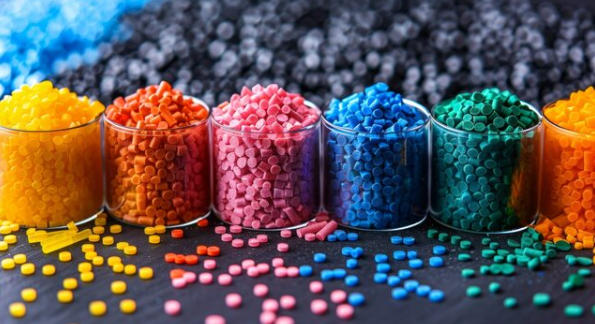
PA Masterbatch is a concentrated mixture of pigments and/or additives dispersed in a polyamide carrier, designed to be diluted into base polymers during processing. Processors dose PA Masterbatch into PA6, PA66, or other nylon resins at a specified let-down ratio to achieve the desired color or functional performance in injection molding, extrusion, or blow molding operations, while maintaining stable mechanical properties and surface quality.
While Masterbatch in general refers to additive concentrates for a wide range of polymers, PA Masterbatch specifically uses polyamide carriers optimized for high-temperature, high-strength engineering applications. This matching of carrier and base resin improves compatibility, dispersion, and mechanical performance compared with using non‑PA Masterbatch in polyamide systems, reducing the risk of delamination, streaking, and inconsistent physical performance in finished parts.
Yes, modern PA Masterbatch is increasingly designed to support circular-economy strategies through recycled PA carriers, low‑VOC additives, and compatibility with mechanical and chemical recycling processes. In addition, sustainable Masterbatch concepts such as bio-based fillers, halogen-free flame retardants, and NIR-detectable color systems help improve recyclability, reduce environmental impact, and support brand owners' sustainability claims across the product life cycle.
Key sectors include automotive and e‑mobility, electrical and electronics, industrial equipment, and high-performance packaging that requires excellent barrier properties and durability. These industries rely on PA Masterbatch to combine high mechanical and thermal performance with precise color, flame retardance, UV stability, and other critical properties, enabling lightweight designs, safety compliance, and strong visual identity in global markets.
Buyers should evaluate technical expertise in PA Masterbatch formulation, consistency of color and additive performance, regulatory compliance, and the ability to support custom development projects. It is also important to consider the supplier's commitment to digitalization, quality control, sustainable Masterbatch solutions, and global technical service, ensuring that the chosen partner can provide reliable support from design to mass production and throughout the entire product lifecycle.
1. https://www.linkedin.com/pulse/key-trends-opportunities-pa-masterbatch-market-from-2025-rql9c
2. https://www.einpresswire.com/article/876891137/the-masterbatch-market-is-projected-to-grow-to-usd-12-55-billion-by-2029-with-a-6
3. https://www.lucintel.com/masterbatch-market.aspx
4. https://www.plasticportal.eu/articles/eorange-new-color-stable-cost-effective-pa-color-masterbatch-for-e-mobility
5. https://www.linkedin.com/pulse/pa6-masterbatch-market-transformation-2025-cmxff
6. https://ehdapolymer.com/en/blog/the-history-of-masterbatch/
7. https://compounders.eu/sustainable-biodegradable-and-compostable-masterbatches-by-ampacet/
8. https://colloids.com/sustainable-masterbatch-solutions
9. https://www.datainsightsmarket.com/reports/pa-flame-retardant-masterbatch-1822724
10. https://www.meticulousresearch.com/product/masterbatch-market-5849
11. https://www.datainsightsmarket.com/reports/pa-flame-retardant-masterbatch-1822724
12. https://alokmasterbatches.home.blog/2025/03/07/the-evolution-of-masterbatch-manufacturing/
13. https://eupegypt.com/blog/plastic-knowledge/biodegradable-masterbatch/
14. https://www.marketsandmarkets.com/Market-Reports/masterbatches-market-168014686.html
15. https://www.dgyx-plastic.com/the-future-of-pa-masterbatch-innovations-and-market-insights.html


