


close
Choose Your Site
Global
Social Media


Views: 222 Author: Rebecca Publish Time: 2026-01-19 Origin: Site


Content Menu
● Understanding PA Masterbatch
● Why Masterbatch Exists in the First Place
● Myth 1: “Masterbatch Automatically Harms the Environment”
● Myth 2: “Sustainable Masterbatch Is Just Greenwashing”
● Myth 3: “All Flame‑Retardant Masterbatches Are Toxic”
● Myth 4: “Masterbatch Prevents Plastics From Being Recycled”
● Myth 5: “Biodegradable Masterbatch Is Always Eco‑Perfect”
● Fact 1: PA Masterbatch Can Reduce Overall Plastic Use
● Fact 2: Masterbatch Supports Energy‑Efficient Processing
● Fact 3: Recycled Polyamide and PA Masterbatch Work Together
● Fact 4: Masterbatch Can Extend Product Life
● Fact 5: Masterbatch Supports Better Design and Less Waste
● How PA Masterbatch Influences Life‑Cycle Assessments
● Design Strategies for Environmentally Responsible PA Masterbatch
● Practical Steps for Customers Using PA Masterbatch
● Future Trends in Sustainable PA Masterbatch
● The Role of Innovation in Masterbatch Sustainability
● FAQ About PA Masterbatch and the Environment
>> 1) Does PA Masterbatch increase microplastic pollution?
>> 2) Can PA Masterbatch be used with recycled plastics?
>> 3) Is sustainable Masterbatch always more expensive?
>> 4) How can manufacturers verify the environmental performance of a Masterbatch?
>> 5) What role will PA Masterbatch play in future sustainable plastics?
PA Masterbatch plays a critical role in modern plastics while often being blamed for environmental problems that actually come from broader plastic misuse and poor waste management, not the Masterbatch itself. When engineered and used correctly, PA Masterbatch can support durability, recyclability and lower overall resource consumption across many industries.
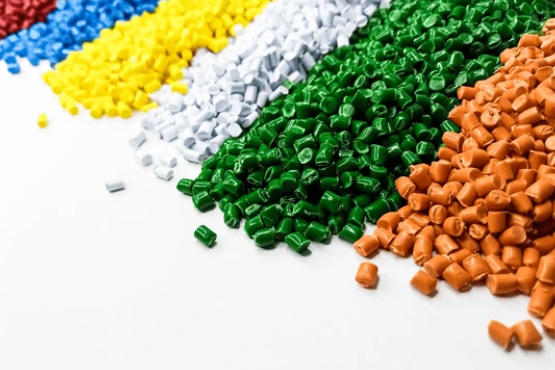
PA Masterbatch is a concentrated mixture of pigments, additives or functional fillers dispersed in a polyamide (nylon) carrier resin, designed to be let down into base polymers during processing. This Masterbatch approach enables precise control of color and performance with relatively low dosing levels compared with using raw additives directly.
Because the carrier is polyamide, PA Masterbatch is especially suitable for engineering plastics that demand high mechanical strength, thermal resistance and dimensional stability, such as automotive components, electrical devices and high‑performance films. By using PA Masterbatch instead of pre‑compounded materials, processors gain flexibility to fine‑tune properties while optimizing cost and inventory.
The Masterbatch concept emerged to solve three major industrial challenges: dispersion quality, production efficiency and flexible customization. A properly designed Masterbatch ensures uniform dispersion of pigments and additives, which is difficult to achieve if powders are metered directly into the extruder or injection machine.
At the same time, Masterbatch reduces handling of dusty powders, improves dosing accuracy and simplifies logistics by consolidating multiple additives into a single, easy‑to‑use pellet form. This allows manufacturers to switch quickly between colors and functionalities while reducing material waste, changeover time and potential operator exposure to raw chemicals.
A common myth is that Masterbatch, including PA Masterbatch, inherently increases environmental damage simply because it is another plastic‑based product. In reality, Masterbatch is a tool that can either support or undermine sustainability depending on design and application.
When PA Masterbatch is formulated to improve durability, weatherability and mechanical stability, the resulting parts last longer in use, which can reduce replacement frequency and total plastic consumption over a product's life cycle. Additive Masterbatch can also optimize processing, reducing scrap rates, energy use and off‑spec production, which cuts the environmental footprint per functional unit.
Another misconception is that “sustainable Masterbatch” is only a marketing label without real impact. In practice, the Masterbatch market is shifting toward eco‑efficient production, recycled carriers and bio‑based or lower‑toxicity additive systems.
Sustainable Masterbatch solutions may incorporate recycled polyamide or other recycled polymers, reducing reliance on virgin fossil‑based resins and associated emissions. They can also use carriers and additives designed for better compatibility with recycling streams, supporting higher recycled content in finished products and helping customers meet tightening regulatory and brand sustainability targets.
Flame‑retardant Masterbatch is sometimes equated with toxic smoke and hazardous emissions, but that view mainly reflects older halogenated systems. Modern flame‑retardant PA Masterbatch increasingly uses phosphorus‑based or nitrogen‑based chemistries that can significantly reduce smoke density and toxic gas formation compared with traditional halogenated formulations.
These newer PA Masterbatch technologies enable parts to meet strict flame‑retardant standards in electronics, cables and automotive applications while aligning better with human health and environmental requirements. As regulations tighten, more Masterbatch producers are phasing out problematic halogen systems in favor of cleaner additive packages.
Some stakeholders assume that the presence of Masterbatch automatically blocks recycling or makes recycled material unusable. In fact, Masterbatch can be engineered for recyclability by using compatible carriers, carefully selected pigments and additive packages that remain stable through multiple reprocessing cycles.
There is also growing use of compatibilizer Masterbatch solutions that help blend mixed or multilayer scrap streams, improving mechanical performance of recycled compounds. This type of Masterbatch reduces down‑cycling and allows a broader range of post‑industrial and post‑consumer waste to be brought back into high‑value applications.
Biodegradable or compostable Masterbatch is often treated as universally “good,” but not all biodegradable Masterbatch systems are environmentally equivalent. Differences in raw materials, degradation conditions and processing methods mean some formulations may perform well only in specific industrial composting environments.
If biodegradable Masterbatch is used in applications where there is no appropriate collection and composting infrastructure, its environmental benefit can be limited. Responsible use requires matching the Masterbatch chemistry with end‑of‑life scenarios, clear labeling and collaboration across the value chain to avoid contamination of conventional recycling streams.
One of the most important facts is that PA Masterbatch can enable lightweighting and performance optimization, which may reduce the total amount of plastic needed for a given function. Reinforced PA Masterbatch with glass fiber or other fillers allows thinner sections and lighter parts while preserving structural integrity, especially in automotive and industrial components.
Because Masterbatch concentrates high levels of active ingredients in a small carrier portion, processors achieve the desired effect at low dosage, which can minimize total additive consumption compared with pre‑colored or heavily filled base resins. Combined with design optimization, this can lower material intensity and the embodied environmental impact per product.
Universal and high‑flow Masterbatch grades can improve processing stability and enable shorter cycle times or lower processing temperatures. When formulations are tuned for a specific polymer family, manufacturers can reduce the number of separate additive systems and minimize changeover complexity, which saves energy across production.
In many cases, Masterbatch enables consistent color and property development at lower screw speeds or with fewer passes through compounding equipment. This helps cut electricity consumption and reduce greenhouse gas emissions per kilogram of finished product, especially in high‑volume extrusion and injection‑molding operations.
Recycling of polyamide has become a strategic priority, with recycled PA showing significantly lower energy demand and carbon footprint than virgin nylon. Producing recycled PA can save a large share of the energy required for virgin production and reduce emissions by several tons of carbon dioxide per ton of material.
PA Masterbatch formulated for use with recycled polyamide allows converters to maintain mechanical strength, gloss and color consistency even at higher recycled content levels. This combination supports circular‑economy models, reduces pressure on non‑renewable resources and helps brands meet carbon‑reduction commitments.
Additive Masterbatch that improves UV resistance, chemical resistance or fatigue performance directly lengthens the service life of plastic components. For example, weather‑resistant PA Masterbatch uses UV absorbers and stabilizers to stop cracking, fading and mechanical degradation in outdoor or high‑stress applications.
By extending service life for building products, agricultural films or automotive parts, manufacturers avoid frequent replacement cycles and associated resource use, logistics and waste. This life‑extension effect can outweigh the environmental cost of the Masterbatch itself when evaluated over the full product lifecycle.
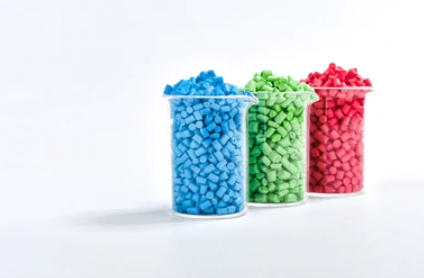
Good product design is essential for sustainability, and Masterbatch is a key design enabler. It allows designers to integrate color, branding, functional additives and protection into a single optimized formulation instead of multiple coatings, labels or secondary treatments that add complexity and waste.
Because Masterbatch provides consistent properties from lot to lot, it reduces the risk of off‑spec production during color changes or formulation adjustments. Less scrap, fewer rejected parts and more stable processing all translate into a smaller environmental footprint and improved resource efficiency.
Life‑cycle assessment (LCA) evaluates a product from raw material extraction through production, use and end‑of‑life. In LCAs that compare pure base resin with resin plus PA Masterbatch, the extra impact of the Masterbatch itself is typically small relative to total system impacts.
What often matters more is how PA Masterbatch changes durability, weight, recyclability and energy use. If PA Masterbatch reduces material usage, enables recycling or extends product life, the overall LCA can improve significantly even though an additional component has been introduced into the system.
To ensure PA Masterbatch contributes positively to sustainability goals, manufacturers can adopt several design strategies. One is shifting to recycled or bio‑based carriers where performance and processing allow, thereby cutting embodied emissions from fossil feedstocks.
Another is rigorous selection of pigments and additives that are non‑toxic, compliant with evolving regulations and compatible with common recycling streams. Continuous R&D, transparent safety data and alignment with global sustainability frameworks help customers trust that their Masterbatch choices support long‑term environmental objectives.
Brand owners and converters can also influence environmental outcomes through how they specify and use PA Masterbatch. Working closely with Masterbatch suppliers to define performance targets, recycling requirements and regulatory constraints allows more efficient, purpose‑built formulations.
In production, monitoring dosing accuracy, melt temperature, residence time and scrap rates helps verify that the Masterbatch is delivering both performance and efficiency benefits. Integrating PA Masterbatch into broader sustainability programs—such as lightweighting, recycled content and design for disassembly—ensures that materials and process choices reinforce each other rather than working at cross‑purposes.
Future sustainable PA Masterbatch will increasingly combine recycled carriers, low‑carbon fillers and advanced additives that support energy‑efficient processing. The focus will be on Masterbatch that helps reduce cycle time, lower processing temperatures and maintain mechanical performance even when recycled content is high.
At the same time, more PA Masterbatch products will be tailored for digital product passports, traceability and regulatory reporting, giving brand owners clear data on carbon footprint and material composition. As environmental regulations tighten, such transparent, high‑performance PA Masterbatch solutions will become a crucial competitive advantage for plastics manufacturers.
Innovation in Masterbatch formulation and processing technology is essential to achieving the next level of environmental performance. New generations of compatibilizer Masterbatch, nucleating Masterbatch and processing‑aid Masterbatch are being engineered to support higher recycled content, better surface quality and reduced energy use.
Digitalization and process monitoring will also support smarter use of PA Masterbatch, enabling real‑time optimization of dosing and process conditions. This data‑driven approach reduces over‑use of Masterbatch, lowers scrap and ensures that every kilogram of Masterbatch delivers maximum functional value.
The environmental impact of PA Masterbatch is not determined by the Masterbatch itself but by how it is formulated, applied and integrated into product and recycling systems. When thoughtfully designed, PA Masterbatch can reduce material usage, lower energy consumption, enable higher recycled content and extend product life, all of which support more sustainable manufacturing.
Myths that portray Masterbatch as automatically harmful overlook the role it plays in optimizing performance and resource efficiency. By focusing on responsible PA Masterbatch design, transparent data and collaboration across the plastics value chain, manufacturers and brand owners can unlock significant environmental benefits while still meeting demanding technical and economic requirements.
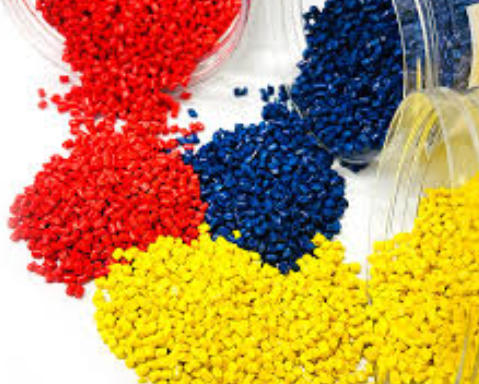
PA Masterbatch itself does not directly create microplastics; microplastics primarily result from mismanaged waste, abrasion and fragmentation of finished plastic products in the environment. However, PA Masterbatch that improves abrasion resistance and durability can slow down fragmentation, potentially reducing microplastic generation over a product's lifetime when combined with proper collection and recycling.
Yes, many PA Masterbatch formulations are compatible with recycled polyamide and other recycled polymers, and are specifically engineered to stabilize color and mechanical properties in recycled compounds. In fact, combining recycled polyamide with optimized PA Masterbatch can significantly cut energy use and carbon emissions while maintaining performance close to virgin materials.
Sustainable Masterbatch solutions can have higher upfront material costs, especially when they use advanced additives or certified recycled content. However, lifecycle savings from reduced energy, lower scrap rates, longer product life and better regulatory compliance often offset these initial premiums, making sustainable Masterbatch cost‑competitive over time.
Manufacturers should request technical data sheets, safety documentation and, where available, life‑cycle or carbon‑footprint information for specific Masterbatch grades. Independent certifications, regulatory compliance statements and supplier transparency on raw material sourcing and energy use all provide additional assurance about environmental performance.
PA Masterbatch will remain a key enabler of lightweight, durable and recyclable engineering plastics as regulations tighten and circular‑economy models expand. Expect greater use of recycled carriers, low‑toxicity additives and compatibilizer Masterbatch systems that help turn complex scrap streams into high‑value recycled materials for demanding applications.
1. https://www.kerkeextruder.com/masterbatch-production/pa-masterbatch/
2. https://www.cosmochem.in/blog/why-the-plastic-industry-chooses-masterbatch-as-a-key-raw-material-for-its-products
3. https://www.kandui.in/blog/universal-masterbatches-a-sustainable-approach-to-plastic-manufacturing
4. https://stellarix.com/insights/articles/strategic-imperative-of-polyamide-recycling/
5. https://europlas.com.vn/en-US/blog-1/recycled-polyamide-everything-you-need-to-know-in-2025
6. https://www.grapheneup.com/thermoplastics-masterbatches/
7. https://www.ampacet.com/ampacet-introduces-revive-compatibilizer-enables-recycling-of-co-mingled-scrap/
8. https://eupegypt.com/blog/plastic-knowledge/biodegradable-masterbatch/
9. https://plasticsmyths.com/app/uploads/2022/02/PlasticMyths5.pdf
10. https://www.plastikakritis.com/en/blog/how-plastika-kritis-masterbatch-technologies-support-plastics-recycling-6
11. https://www.ipgchem.com/blog/benefits-of-pe-pp-masterbatch-in-plastic-manufacturing/
12. https://tirupathihydrocarbon.com/blog/the-role-of-white-masterbatch-in-maintaining-sustainability-in-the-packaging-industry
13. https://www.kandui.in/blog/universal-masterbatches-a-sustainable-approach-to-plastic-manufacturing


