


close
Choose Your Site
Global
Social Media


Views: 222 Author: Rebecca Publish Time: 2026-02-11 Origin: Site


Content Menu
● How PE Masterbatch Supports Sustainable Manufacturing
>> 2. Energy Efficiency in Processing
>> 3. Easier Recycling and Reuse
>> 5. Optimization of Resource Utilization
>> 6. Cleaner and Safer Manufacturing Processes
● Types of PE Masterbatch with Eco-Friendly Benefits
● The Role of PE Masterbatch in Carbon Reduction Goals
● Innovations Driving Green Masterbatch Development
● Economic Advantages of Eco-Friendly Masterbatch Use
● Future Outlook of PE Masterbatch in Sustainable Manufacturing
● FAQ About PE Masterbatch and Sustainability
>> 1. What makes PE masterbatch environmentally friendly?
>> 2. Can PE masterbatch be used with recycled plastics?
>> 3. How does PE masterbatch help lower carbon emissions?
>> 4. Are biodegradable masterbatches available for PE plastics?
>> 5. What industries benefit most from using PE masterbatch?
In today's sustainable manufacturing era, companies across the globe are shifting toward eco-friendly materials and production methods. One such powerful advancement driving this green transformation is PE masterbatch — a compound that not only enhances plastic performance but also significantly reduces the environmental burden. By incorporating PE masterbatch into production lines, manufacturers can lower material waste, save energy, and extend product life cycles.
This article explores how PE masterbatch contributes to environmental sustainability while providing critical economic and operational benefits for industrial manufacturers.
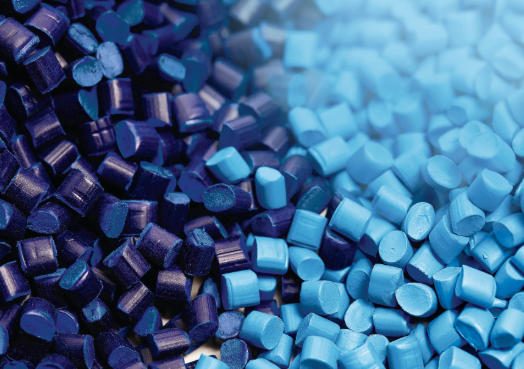
PE masterbatch is a concentrated mixture of pigments, additives, and polymer carriers — usually polyethylene (PE) — that is used to color or modify the properties of plastic products. Instead of directly adding raw pigment or additives to plastic resin, manufacturers use masterbatch for consistency, dispersion, and performance control.
PE masterbatch typically consists of three main components:
- Carrier resin: Usually low-density polyethylene (LDPE) or high-density polyethylene (HDPE).
- Functional additives: Such as UV stabilizers, flame retardants, or slip agents.
- Color pigments or fillers: That determine color, opacity, and special features.
By combining these elements, PE masterbatch ensures a uniform distribution of additives, creating more stable, durable, and environmentally friendly end products.
The environmental advantages of PE masterbatch go far beyond simple efficiency gains. Below are several key ways masterbatch contributes to sustainability across the entire plastic manufacturing lifecycle.
Traditional plastic production processes often suffer from pigment and additive losses. When raw colorants or powders are manually blended, they can disperse unevenly, causing production defects and requiring rework. With PE masterbatch, these issues are minimized.
Because masterbatch pellets combine color and additives evenly, manufacturers achieve:
- More accurate dosing and better color consistency.
- Fewer rejected products, leading to less waste.
- Cleaner production environments and less airborne particulates.
By optimizing pigment distribution, PE masterbatch minimizes plastic scrap generation, saving both energy and material resources — directly supporting circular economy goals.
Using PE masterbatch helps manufacturers reduce energy consumption during plastic processing. Since the additives and pigments are pre-dispersed within the carrier resin, the mixing and melting steps require less time and energy.
Compared to direct coloring methods, PE masterbatch:
- Shortens extrusion and molding cycles.
- Enables lower processing temperatures.
- Reduces overall power demand in production lines.
These efficiencies accumulate, leading to a smaller carbon footprint throughout the manufacturing process.
As sustainability regulations tighten worldwide, recyclability has become a top priority for plastic producers. PE masterbatch aids recyclability by maintaining material purity and ensuring better compatibility with recycled content streams.
Masterbatches based on polyethylene allow manufacturers to:
- Reprocess PE-based waste without compromising performance.
- Achieve consistent coloration even with recycled materials.
- Enhance polymer strength and appearance in regrind products.
This compatibility makes PE masterbatch a key enabler of closed-loop plastic production, aligning with the principles of the circular economy.
Durability is a crucial factor in sustainable design. A well-formulated PE masterbatch integrates additives that improve the weather resistance, UV protection, and oxidation stability of plastic materials. These performance enhancements allow products to last longer in challenging conditions.
For example:
- Agricultural films with anti-UV masterbatch can withstand prolonged sun exposure.
- Packaging materials with antioxidant masterbatch resist yellowing and degradation.
- Outdoor construction components remain functional over extended service periods.
By extending product longevity, PE masterbatch effectively delays the need for replacement, reducing raw material demand and waste generation.
PE masterbatch also promotes better resource efficiency by allowing manufacturers to achieve desired properties using lower additive concentrations. A small percentage of masterbatch can impart powerful functional enhancements, meaning less pigment or additive material is needed compared to traditional compounding methods.
This optimization leads to:
- Reduced consumption of nonrenewable resources.
- Streamlined logistics (less storage and transportation of bulk powders).
- Lower lifecycle environmental costs.
The pelletized form of PE masterbatch makes handling less messy, safer, and more environmentally controlled. Workers are less exposed to potentially harmful powder dust, and the risk of pigment contamination in parallel production lines is minimized.
Moreover, the use of PE masterbatch contributes to better workplace cleanliness, which indirectly improves energy use efficiency by reducing downtime and maintenance.
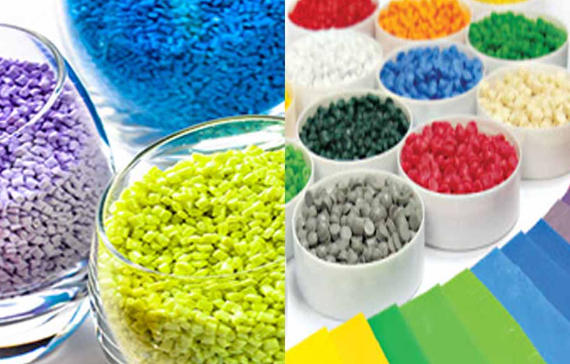
Manufacturers can choose from various PE masterbatch types depending on their product needs and sustainability goals.
- Color masterbatch: Offers consistent pigmentation while avoiding excess dye waste.
- Additive masterbatch: Includes UV absorbers, anti-static agents, and antioxidants that enhance durability.
- Filler masterbatch: Incorporates calcium carbonate or talc to reduce pure polymer consumption and lower material costs.
- Biodegradable or compostable masterbatch: Combines PE carriers with eco-friendly additives to improve environmental compatibility.
Each type provides a distinct environmental contribution. For instance, filler masterbatch decreases plastic resin use, while additive masterbatch prolongs product life.
Globally, industries are under increasing pressure to reduce greenhouse gas emissions. By introducing masterbatch-based formulations, manufacturers can cut energy use and shrink their carbon footprint. Because production efficiency improves, less electricity and thermal energy are required per unit of output.
Moreover, lighter and more durable products reduce transportation emissions and extend application lifetimes. PE masterbatch, therefore, indirectly supports cleaner industrial operations across supply chains.
An example is the packaging sector: adopting masterbatch-enhanced polyethylene packaging not only cuts raw material use but also simplifies recycling infrastructure by maintaining monomaterial structures.
Modern R&D in PE masterbatch production focuses strongly on environmental innovation. Emerging trends include:
- Bio-based carrier resins: Derived from renewable plant-based polyethylene.
- Recycled-content masterbatch: Designed specifically for post-consumer resin integration.
- Low-VOC formulations: Reducing volatile organic compound emissions.
- Energy-saving manufacturing processes: Using advanced extrusion equipment to minimize power usage.
Chinese producers are playing a vital role in driving these advances. The country's robust polymer industry is increasingly adopting sustainable masterbatch technology to serve eco-conscious global markets.
Beyond the clear environmental benefits, PE masterbatch offers compelling business reasons for adoption:
- Lower cost-per-unit: Thanks to reduced pigment waste and improved efficiency.
- Faster production cycles: Allowing higher output rates.
- Reduced quality control rejections: By improving consistency across product batches.
- Brand sustainability reputation: Meeting the growing market demand for green-certified materials.
These combined advantages make masterbatch usage both an eco-friendly and economically sound decision for manufacturers aiming to remain competitive.
The future of PE masterbatch looks promising as the manufacturing industry accelerates toward net-zero targets. Material scientists continue to develop new bio-based and degradable formulations compatible with international sustainability standards such as REACH, RoHS, and UN SDGs.
In the coming years, masterbatch products will likely integrate smart additives that enable recyclability tracking, energy savings during molding, and automatic degradation under specific environmental triggers.
Such developments will help establish PE masterbatch as a cornerstone of green polymer engineering, bridging performance and sustainability seamlessly.
The integration of PE masterbatch in plastic manufacturing provides clear environmental and industrial advantages. By reducing material waste, cutting energy consumption, enhancing recyclability, and increasing product durability, masterbatch technology aligns perfectly with global green production goals.
As manufacturers worldwide pursue sustainable transformation, PE masterbatch stands out as a practical innovation — merging ecological responsibility with superior material performance. Companies that embrace this technology will be better positioned for the next generation of sustainable plastic production.
PE masterbatch reduces pigment waste, improves production efficiency, and simplifies recycling processes. Its use minimizes raw material consumption and enables cleaner, safer factory operations.
Yes. PE masterbatch is highly compatible with recycled polyethylene materials. It ensures stable color and properties even when mixed with regrind, making it ideal for circular manufacturing systems.
By improving process efficiency and shortening production cycles, PE masterbatch reduces overall energy consumption. This directly cuts industrial carbon emissions associated with plastic manufacturing.
Absolutely. Recent innovations include biodegradable and bio-based masterbatches that work with PE resins. These products enhance end-of-life environmental performance while maintaining strength and durability.
Packaging, film production, automotive, agriculture, and household goods industries all benefit. Each sector enjoys advantages like improved recyclability, cost savings, and enhanced product quality.


