


close
Choose Your Site
Global
Social Media


Views: 222 Author: Rebecca Publish Time: 2025-12-01 Origin: Site


Content Menu
● Main Categories of Masterbatch
● Process Differences Between Masterbatch and Compound
● Cost, Logistics and Inventory Strategy
● Quality, Consistency and Process Control
● Choosing Between Masterbatch and Compound
● Role of Masterbatch and Compound in Custom Solutions
● FAQ About Masterbatch and Compound
>> 1. What is the key functional difference between masterbatch and compound?
>> 2. In which situations is masterbatch usually the better choice?
>> 3. When does it make more sense to use a compound?
>> 4. Can masterbatch and compound be combined in one system?
>> 5. How does each option influence total production cost?
Masterbatch and compound are two essential but distinct approaches to modifying plastics, and understanding their differences helps manufacturers design more flexible, efficient, and cost‑effective material strategies. Masterbatch is a concentrated additive or color system that must be mixed with base resin, while compound is a complete, ready‑to‑use material that contains all necessary ingredients in the final formulation.[1][5][8][10]
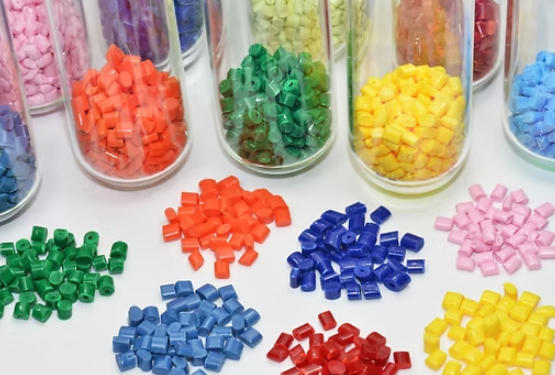
Masterbatch is a highly concentrated mixture of pigments, fillers, and/or functional additives encapsulated in a compatible carrier resin, typically in pellet or granular form. During processing, this masterbatch is dosed in relatively low percentages into a natural polymer such as PE, PP, PS, ABS, PET, or other thermoplastics, so that the final plastic part obtains the desired color and properties.[4][5][7][1]
Because masterbatch is pre‑dispersed in a carrier, it offers cleaner handling, better dispersion, and more consistent performance than using individual powders or liquid additives directly on the machine. Processors only need to adjust the let‑down ratio, which is the percentage of masterbatch added to the base resin, to fine‑tune color strength, opacity, or additive level in different products.[5][6][10][4]
Masterbatch can be classified by its main function, which is useful when designing plastic material solutions for different applications and industries. The three most common groups are color masterbatch, additive masterbatch, and filler masterbatch, with many sub‑types customized for specific processes and polymers.[7][8][11]
Color masterbatch is designed primarily to provide color or special visual effects, such as solid tones, transparent tints, pearlescent or metallic finishes, and is widely used in packaging, consumer goods, and fibers. Additive masterbatch includes UV stabilizers, anti‑oxidants, slip agents, antistatic additives, antiblock agents, flame retardants and antimicrobial systems, which improve performance and durability without needing to handle each additive separately. Filler masterbatch combines mineral fillers like calcium carbonate or talc with a carrier resin to reduce cost and adjust mechanical properties, stiffness, and dimensional stability.[8][11][12][13][14][7]
A plastic compound is a fully formulated, ready‑to‑use material in which base polymer, colorants, fillers, and all functional additives have already been blended together and pelletized. The compounding process uses high‑shear mixing, typically in twin‑screw extruders, to disperse pigments, fibers, and additives uniformly throughout the polymer matrix, so that each pellet has nearly identical composition.[6][10][15][5]
Once a compound has been developed and approved, the processor can feed it directly into injection molding, extrusion, blow molding or other processes without adding extra masterbatch or separate additives on the production line. This makes compound particularly attractive for demanding applications where consistent mechanical, thermal, electrical, or regulatory properties are critical and must be maintained from batch to batch.[16][17][5][6]
Although both masterbatch and compound are produced with similar types of equipment, the process objectives and usage are different. In masterbatch production, the main goal is to load as much pigment or additive as possible into the carrier resin while ensuring excellent dispersion and compatibility with a wide range of base polymers.[10][1][4][5]
In compound production, all elements of the final recipe—base polymer, reinforcing agents, fillers, colors, stabilizers, impact modifiers and other functional additives—are combined at the target levels for end‑use. As a result, the compound that leaves the extruder is essentially the final material, and downstream processors use it without further formulation steps, focusing mainly on process conditions like temperature, screw speed, and cooling.[15][5][6]
Masterbatch emphasizes concentrated design and flexible dilution, while compound emphasizes fixed composition and direct usability. A typical masterbatch can contain very high loadings of pigments or additives, such as a high titanium dioxide white masterbatch or carbon black masterbatch with strong tinting strength, making it suitable for fine control over color intensity and functional dosage at the machine.[11][13][5][7]
Because the processor can vary the let‑down ratio, one masterbatch can support many slightly different product requirements by adjusting only the masterbatch percentage, not the base formulation itself. By contrast, a compound has all components locked into a fixed recipe; changing color or mechanical behavior usually means switching to a different compound grade, which is less flexible but more predictable.[17][4][5][10]
Masterbatch is widely used in high‑variety, multi‑color, or frequently changing production environments. For film and packaging, processors often purchase standard PE or PP base resins and then apply different color masterbatch, UV masterbatch, antifog masterbatch or slip masterbatch to create a wide range of end products from a limited number of base polymers.[12][14][5][6]
In injection molding of consumer goods, closures, housewares and small parts, masterbatch helps factories switch colors quickly while using a common base resin, reducing stock complexity and shortening changeover times. In fiber spinning and non‑wovens, spinning masterbatch ensures clean processing and good color consistency without dust, which is particularly important for hygiene products and textiles.[13][11][12]
Compound is favored in applications where high‑level performance integration and long‑term repeatability are more important than maximum flexibility on the production line. Automotive components, electrical housings, appliance parts, and engineering structures often rely on glass‑fiber‑reinforced or mineral‑filled compounds of PA, PP, PC, PBT and other engineering polymers to meet strength, rigidity, heat resistance, and dimensional stability targets.[18][15][17]
Compounds are also essential in flame‑retardant systems, cable insulation, building materials and electronics where specific fire, smoke, and toxicity standards must be satisfied and verified. For medical, food‑contact and highly regulated sectors, a validated compound with a fixed formulation simplifies certification, documentation, and traceability across different production sites.[15][16][17]
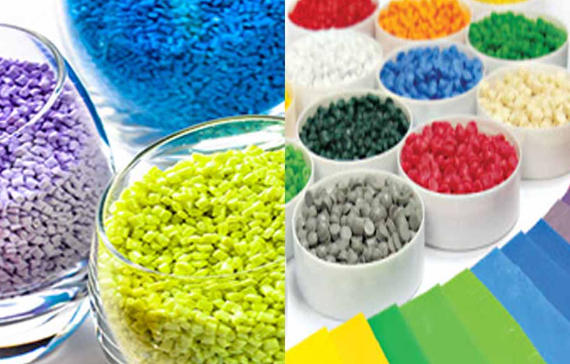
From a cost and logistics perspective, masterbatch and compound support different purchasing and inventory models. With masterbatch, processors can stock relatively few grades of base resin and a range of masterbatch products, combining them as needed to generate many final material variations without carrying a separate compound grade for each SKU.[4][5][6]
This approach is especially attractive for small and medium batches or frequent design changes because it lowers inventory value, improves stock rotation, and keeps flexibility high. Compound, on the other hand, means each application or color usually corresponds to a specific compound code, so inventory may be larger and more fragmented, but production can be simpler because no on‑line dosing or mixing of masterbatch is required.[5][6][10][4]
Quality and consistency are critical considerations in choosing between masterbatch and compound. When using masterbatch, the material supplier is responsible for dispersion quality inside the masterbatch, but the processor must handle accurate dosing, proper mixing inside the machine, and stable base resin quality to achieve consistent results.[1][10][4][5]
Any deviation in masterbatch feed rate, base resin properties, or processing conditions can cause color shifts or property variations, so good feeder calibration and process control are essential. With compound, all formulation work is executed during compounding, and each pellet contains the same mix of polymer and additives, which greatly reduces variability at the processing stage and helps maintain stable performance over time.[6][17][5][15]
Selecting masterbatch or compound depends on a balance of technical, operational, and commercial factors. Masterbatch is often the first choice where the key drivers are color flexibility, short lead times, many SKUs, and moderate technical complexity, because it allows one base resin to serve multiple products by changing only the masterbatch.[7][4][5]
Compound tends to be preferred where performance requirements are strict, such as reinforced, flame‑retardant, conductive, or high‑temperature‑resistant applications, and where large and stable volumes justify a dedicated material. In practice, many manufacturers use a hybrid strategy, for example selecting a performance compound for mechanical strength and safety, then applying a separate color masterbatch to provide aesthetic variation without changing the core compound design.[17][18][5][6]
For a plastics materials company focused on innovation and customization, both masterbatch and compound are strategic platforms to create differentiated solutions. When working with global customers, technical teams typically start from the end‑use requirements—such as target color, mechanical profile, UV durability, processing method, and regulatory constraints—and then decide whether a masterbatch‑based approach or a compound‑based approach will provide the most value.[8][16][7][15]
Masterbatch is especially useful where customers want to use locally sourced or regionally standardized base resins while keeping color and additive packages globally consistent through centralized masterbatch specifications. Tailor‑made compounds, on the other hand, can integrate high‑performance polymers, advanced additives, and precise rheology control in a single material, guaranteeing repeatable processing and properties across plants and markets.[14][18][5][17]
By offering a complete portfolio of color masterbatch, additive masterbatch, filler masterbatch, and specialized compounds, a supplier can support customers from early formulation trials through pilot runs and full‑scale production. This combination of masterbatch and compound capabilities makes it possible to optimize cost, performance, and supply security at the same time, which is increasingly important in competitive global value chains.[16][5][6][17]
Masterbatch and compound both aim to enhance plastic materials, but they do so in very different ways, and each approach has its own strengths. Masterbatch is a concentrated system that relies on mixing with base resin at the processor's plant, delivering outstanding flexibility for color and minor property changes, especially where product variety and agility are crucial.[1][4][5]
Compound is a complete, ready‑to‑use material with all ingredients fixed during compounding, ideal for high‑performance, tightly specified, and high‑volume applications where process simplicity and consistency are critical. By clearly understanding the differences in composition, process, flexibility, cost structure, and quality control, manufacturers can design a smart strategy that may use masterbatch, compound, or a combination of both to meet demanding technical and commercial goals.[5][6][17]
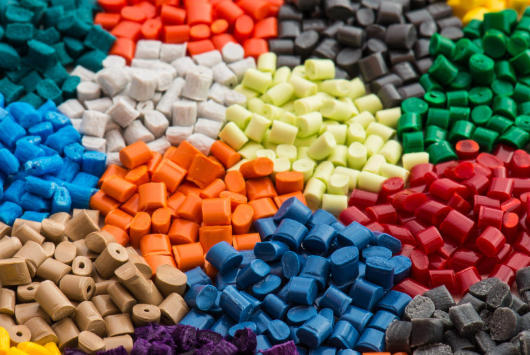
The key functional difference is that masterbatch is a concentrated additive or color system that must be mixed with base resin during processing, while compound is a fully formulated plastic material that can be processed directly without additional ingredients. Masterbatch provides flexibility at the machine; compound provides stability and simplicity by locking the formulation in advance.[10][8][1][5]
Masterbatch is usually preferred when manufacturers need many colors or small recipe variations based on the same polymer, or when production is organized in short runs with frequent changeovers. In these cases, masterbatch reduces the number of full material SKUs, simplifies stock management, and allows quick adjustments by changing let‑down ratios instead of changing entire materials.[4][6][5]
Compound makes more sense when a part must meet complex performance requirements involving reinforcement, flame retardancy, impact modification, dimensional stability, or strict regulatory standards. Because compound is pre‑formulated and thoroughly mixed, it delivers highly consistent properties and can simplify quality control and certification for long‑term, high‑volume projects.[15][16][17]
Yes, many manufacturers successfully combine compound and masterbatch to balance performance and flexibility. A common approach is to use a high‑performance compound for mechanical and safety functions, then add a color masterbatch to adjust color without altering the validated compound formulation.[18][7][5]
Masterbatch tends to be more cost‑effective for small and medium volumes, multiple colors, or low additive loadings because it reduces inventory complexity and lets processors use standard base resins for many different products. Compound can reduce total cost for large, stable programs with demanding specifications, because it minimizes on‑line dosing, reduces the risk of errors, and often streamlines quality control and processing.[6][10][4][5]
[1](https://www.jmpolymers.fr/en/the-differences-between-masterbatch-and-compound/)
[2](https://www.ilhanplastik.com.tr/en/blog/differences-between-masterbatch-and-compound)
[3](https://phoenixplastics.com/cost-benefits-using-masterbatch-vs-compounding/)
[4](https://www.matrix-plastics.co.uk/post/compounding-masterbatch-and-dry-blends-whats-the-difference)
[5](https://granuleplus.com/compound-vs-masterbatch/)
[6](https://bsmasterbatch.com/blogs/masterbatch-vs-compounding/)
[7](https://alokmasterbatches.home.blog/2025/03/05/masterbatches-vs-compounds-whats-the-difference/)
[8](https://wci-polimer.com/What-is-the-difference-between-compound-and-masterbatch-)
[9](https://www.instagram.com/p/DQQ2cDcAZAb/)
[10](https://daiaplastic.com/plastic-compound-compare-to-masterbatch/)
[11](https://daiaplastic.com/types-of-masterbatches-used-in-the-plastic-industry/)
[12](https://www.cowellextrusion.com/what-are-the-types-of-masterbatch/)
[13](https://www.abbeymb.com/types-of-masterbatch-and-their-individual-uses/)
[14](https://mascomglobal.com/common-plastic-types-and-applications-choosing-plastic-types-in-filler-masterbatch-production/)
[15](https://exirpolymer.com/plastic-compounding/)
[16](https://europlas.com.vn/en-US/blog-1/what-is-compounding-in-polymer-common-types-of-polymer-compounding)
[17](https://www.custom-profile.com/blog/plastic-compounds-what-are-they-and-what-are-the-benefits-in-the-plastic-extrusion-process/)
[18](https://www.polymer-compounders.com/polymer-compounding-how-plastics-get-their-properties/)


