


close
Choose Your Site
Global
Social Media


Views: 222 Author: Rebecca Publish Time: 2026-01-22 Origin: Site


Content Menu
● The Production Process of PE Masterbatch
● Key Applications of PE Masterbatch
>> Construction and Infrastructure
>> Consumer Goods and Appliances
● Benefits of Using PE Masterbatch
>> 1. Enhanced Product Consistency
>> 2. Improved Processing Efficiency
>> 4. Better Environmental Control
>> 5. Customization and Flexibility
● Choosing the Right PE Masterbatch Supplier
● Market Trends and Future Outlook
● Quality Testing and Standards for PE Masterbatch
● Environmental Considerations
● Challenges in PE Masterbatch Formulation
● FAQ
>> 1. What is the main purpose of using PE Masterbatch?
>> 2. Is PE Masterbatch environmentally friendly?
>> 3. Can PE Masterbatch be used with other polymers?
>> 4. How should PE Masterbatch be stored?
>> 5. How do I determine the right dosage of PE Masterbatch?
Polyethylene (PE) is one of the most widely used polymers in the plastics industry. Its versatility, durability, and cost-effectiveness make it an ideal choice for applications ranging from packaging to construction. To enhance its performance and create tailored material properties, manufacturers rely heavily on PE Masterbatch—a concentrated mixture of pigments, additives, and carrier resins engineered to improve the characteristics of base polymers.
This comprehensive guide explores the concept of PE Masterbatch in depth, including its types, production process, key applications, and the significant benefits it offers to industries across the globe.
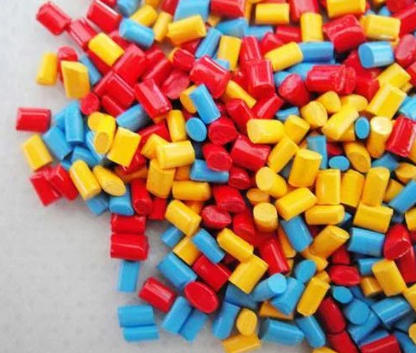
PE Masterbatch is a solid additive formulation used in the plastic manufacturing process. It consists of three main components: carrier resin (usually polyethylene), pigments or additives, and dispersing agents. Together, these components ensure a uniform distribution of colorants or functional additives throughout the polymer during molding or extrusion.
Instead of adding these ingredients directly into the polymer, masterbatches are pre-engineered to enhance processing efficiency, achieve consistent coloration, and boost polymer performance. This approach simplifies manufacturing operations while reducing waste and costs.
There are different kinds of PE Masterbatch, each serving specific functional or aesthetic purposes. Let's look at the main types:
Color masterbatches are made by dispersing pigments or dyes into a polyethylene carrier resin. They enable vibrant, consistent coloring in plastic products such as packaging films, containers, and household goods.
White masterbatch contains titanium dioxide (TiO₂) as its pigment, providing high opacity, whiteness, and UV resistance. It's widely used in film production, injection molding, and sheet extrusion.
Black masterbatch typically utilizes carbon black to deliver superior UV protection, conductivity, and opacity. It's used in trash bags, pipes, cables, and automotive components.
This category modifies the physical or chemical properties of plastics by introducing additives like antioxidants, UV stabilizers, anti-block agents, flame retardants, or anti-fog agents.
Filler masterbatch incorporates mineral fillers such as calcium carbonate or talc to improve mechanical strength, reduce production costs, and enhance heat resistance.
Manufacturing PE Masterbatch involves a meticulous process to ensure uniform dispersion and consistent quality. Here's a breakdown of the main stages:
1. Material Selection – Engineers choose pigments, additives, and the most compatible polyethylene carrier resin based on desired application performance.
2. Weighing and Pre-Mixing – The ingredients are accurately measured and pre-mixed to ensure even distribution.
3. Melt Compounding – The mixture is melted and blended using a twin-screw extruder at controlled temperatures to achieve homogeneous dispersion of additives.
4. Cooling and Pelletizing – The extruded material is cooled and cut into small granules or pellets, which are then packaged for downstream plastic processing.
5. Testing and Quality Control – Rigorous quality tests are conducted to verify dispersion quality, color consistency, and physical performance.
This controlled process guarantees that the final PE Masterbatch meets industry standards and performs reliably in different processing environments.
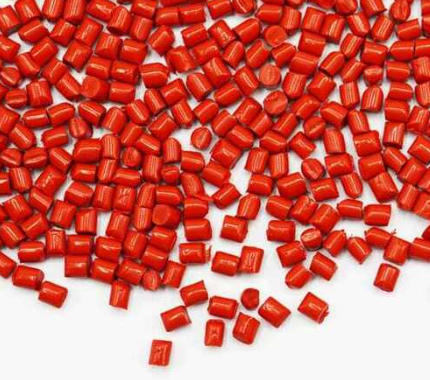
The widespread use of PE Masterbatch spans multiple industries due to its flexibility and compatibility. Below are some major application fields:
PE Masterbatch plays a vital role in packaging materials such as films, bags, and containers. Color and additive masterbatches improve aesthetic appeal, enhance barrier performance, and protect contents from UV degradation.
In agriculture, PE Masterbatch is used to produce mulch films, greenhouse films, and irrigation pipes. UV stabilizer and anti-fog masterbatches prolong film life and improve crop productivity.
In construction, black and filler PE Masterbatches are used in pipes, cables, and insulation materials. They enhance mechanical strength, weather resistance, and long-term durability.
Automotive parts such as dashboards, trims, and under-the-hood components incorporate PE Masterbatch for color uniformity, heat stability, and chemical resistance.
From household items to electronic casings, masterbatches help manufacturers achieve desired colors, finishes, and performance features without complex formulation steps.
Choosing PE Masterbatch over raw additives brings numerous advantages to manufacturers and end-users alike.
Masterbatch ensures precise dispersion of pigments and additives, resulting in uniform color and mechanical performance across production batches.
PE Masterbatch simplifies mixing, eliminates dust handling, and enables higher productivity in extrusion, injection molding, and blow molding processes.
By incorporating concentrated formulations, manufacturers can reduce material waste, minimize batch inconsistency, and lower overall production costs.
Masterbatches minimize direct exposure to fine powders or pigments, ensuring a safer and cleaner work environment.
Producers can design custom masterbatches to achieve specific color shades, UV resistance, anti-static behavior, or barrier properties for customized applications.
Selecting a reliable PE Masterbatch manufacturer is critical for production quality and consistency. Consider the following factors:
- Technical Expertise: The supplier should have a proven R&D capability to develop customized masterbatch solutions.
- Quality Assurance: Look for ISO-certified facilities with strict quality control systems.
- Compatibility Testing: Ensure the masterbatch is compatible with your base polymer and processing equipment.
- Sustainability Practices: Choose suppliers that offer eco-friendly formulations, such as biodegradable or recycled-based masterbatches.
- Global Support: Reliable after-sales support and logistics ensure stable long-term cooperation.
The global market demand for PE Masterbatch continues to grow due to increased consumption of polyethylene-based products. Sustainable trends such as biodegradable masterbatch, recyclable compounds, and energy-efficient production are reshaping the industry.
Innovations in nanotechnology and functional additives are expected to further expand the performance limits of PE Masterbatch. As industries shift toward circular economy models, masterbatch manufacturers are developing eco-conscious materials that maintain high functionality while minimizing environmental impact.
To ensure reliability in industrial applications, PE Masterbatch undergoes several quality tests:
- Melt Flow Index (MFI): Evaluates flow properties and processing compatibility.
- Color Strength Test: Confirms the intensity and uniformity of color.
- Dispersion Testing: Checks the pigment distribution under a microscope.
- UV Stability and Weathering Tests: Assess outdoor performance for films and cables.
- Mechanical Property Tests: Measure tensile strength, elongation, and impact resistance.
Complying with global standards such as ASTM, ISO, and RoHS enhances the credibility of the product across international markets.
In response to increasing sustainability demands, the use of eco-friendly PE Masterbatch has gained momentum. Recycled and bio-based carriers are replacing traditional virgin polymers, while non-toxic pigments and additive systems are being adopted to meet environmental regulations.
Manufacturers are also focusing on producing recyclable and compostable polyethylene compounds that retain mechanical integrity while reducing plastic waste in landfills.
Despite its many advantages, producing high-quality PE Masterbatch involves technical challenges:
- Pigment Dispersion: Uniform dispersion requires precise temperature and shear control.
- Additive Compatibility: Some additives may degrade or interact negatively during extrusion.
- Color Matching: Achieving exact color shades across different batches needs expertise.
- Processing Conditions: Optimal parameters vary with each polymer and should be continuously monitored.
These challenges highlight the importance of maintaining strong research capabilities and quality control throughout production.
PE Masterbatch has become a cornerstone of modern plastics engineering, enabling manufacturers to deliver high-performance, customized, and aesthetically pleasing products efficiently. Whether in packaging, construction, or automotive sectors, the strategic use of masterbatch improves material functionality, reduces costs, and supports sustainability goals.
As plastic technology continues to evolve, innovations in eco-friendly and high-performance masterbatches will drive future progress in the global manufacturing landscape.
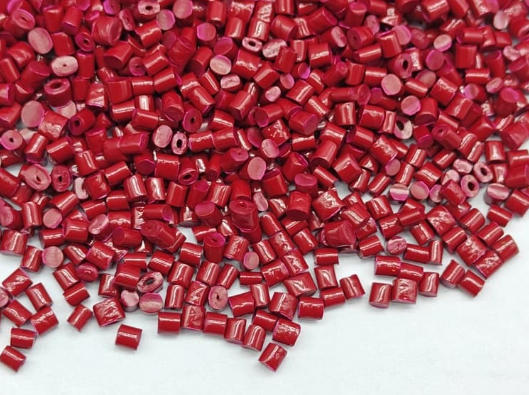
The main purpose is to distribute pigments or additives evenly within the polymer, enhancing color, strength, and processing stability.
Yes. Many modern formulations are eco-friendly, using bio-based materials, non-toxic pigments, and recyclable carrier resins.
While designed for polyethylene, many masterbatches can also be adapted for polypropylene (PP) and other compatible resins through customized engineering.
Store it in a cool, dry environment away from direct sunlight and moisture to maintain consistent quality and processability.
The typical dosage ranges from 1% to 5% depending on the application, pigment concentration, and desired color intensity. Testing small samples is recommended before full-scale production.


