


close
Choose Your Site
Global
Social Media


Views: 222 Author: Rebecca Publish Time: 2026-01-25 Origin: Site


Content Menu
● Why PE Masterbatch Matters in Textiles
>> 1. Superior Color Dispersion and Stability
>> 2. Improved Processability and Production Efficiency
>> 3. Enhanced Functional Performance
>> 4. Consistent Quality and Material Compatibility
>> 5. Cost Efficiency and Waste Reduction
● Types of PE Masterbatch in Textile Applications
● Environmental and Sustainability Benefits
● Application Areas in Textile Manufacturing
● How to Choose the Right PE Masterbatch
● The Future of PE Masterbatch in Textiles
● FAQ
>> 1. What is the main purpose of using PE Masterbatch in textiles?
>> 2. Can PE Masterbatch be used with polypropylene (PP) fibers?
>> 3. Is PE Masterbatch environmentally friendly?
>> 4. How do I choose between color and additive masterbatch?
>> 5. Does PE Masterbatch affect the mechanical strength of fibers?
In the rapidly evolving textile industry, the demand for durable, high-performance, and cost-efficient materials is stronger than ever. As innovation continues to shape textile manufacturing, PE Masterbatch (Polyethylene Masterbatch) has emerged as a crucial additive solution that empowers producers to achieve better color dispersion, material strength, and environmental sustainability.
From fiber production to non-woven fabric processing, PE Masterbatch plays a key role in enhancing both the physical and visual properties of textile products. This article explores the major benefits, working mechanisms, and usage strategies of PE Masterbatch in textile applications across the global market.
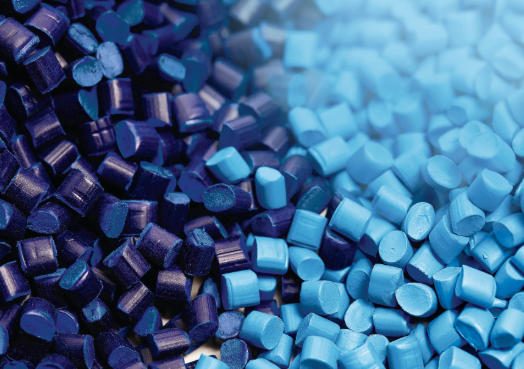
PE Masterbatch is a concentrated mixture of pigments, additives, and carrier resins—typically polyethylene (PE)—used to modify the color, performance, or physical properties of plastics and synthetic fibers. It functions as a key component in the polymer manufacturing process, allowing manufacturers to efficiently incorporate colorants and additives into textiles without compromising material quality.
By using masterbatch instead of direct pigment addition, textile manufacturers gain better dispersion, cleaner processing, and improved product consistency. PE Masterbatch is commonly used in polyethylene-based fibers, non-woven fabrics, and industrial textiles such as agricultural films, packaging fabrics, and medical-grade synthetic cloth.
PE Masterbatch brings multiple performance and production advantages to the textile industry. In modern manufacturing, it supports enhanced product functionality, visual appeal, and production cost efficiency. Let's look at the key benefits that make PE Masterbatch indispensable.
Color consistency is a critical factor in textile manufacturing. PE Masterbatch ensures uniform color dispersion, resulting in even shades across large-scale production batches. The pigments in the masterbatch are pre-dispersed within a PE carrier resin, minimizing streaking and clumping commonly seen in raw pigment use.
Furthermore, PE Masterbatch provides UV resistance and thermal stability, preventing color fading under sunlight and high-temperature processing—perfect for textiles used in outdoor and industrial environments.
One of the key benefits of using PE Masterbatch is its ability to streamline production processes. Because the pigment or additive is already pre-dispersed in a polymer base, it integrates smoothly into textile materials such as polypropylene (PP) or polyethylene terephthalate (PET).
Manufacturers can achieve shorter mixing times, lower processing temperatures, and improved extrusion or spinning efficiency. This translates into reduced energy consumption and less waste, supporting both economic and environmental goals.
PE Masterbatch is more than just a color carrier—it also delivers functional benefits tailored to specific textile needs. Different formulations allow fibers and fabrics to exhibit properties such as:
- UV protection for outdoor fabrics
- Anti-static performance for technical textiles
- Anti-bacterial properties for medical fabrics
- Flame retardancy for industrial and protective clothing
- Softening or matting effects for fashion and upholstery applications
By integrating the right masterbatch type during fiber extrusion, manufacturers can enhance textile performance while maintaining production flexibility.
The controlled composition of PE Masterbatch ensures superior compatibility with polymer-based fibers. Its consistent granule size enables homogenous blending and reproducibility across production runs, thereby minimizing product rejection and ensuring stable color shade from batch to batch.
Because PE Masterbatch uses the same polymer base as the main resin, it readily melts and blends during processing, ensuring a trouble-free integration that doesn't alter the mechanical or chemical properties of the textile.
Using PE Masterbatch significantly reduces pigment usage, as the concentrated formula ensures optimal dispersion. This leads to lower material waste and reduced production cost compared to using dry pigments or liquid coloring systems.
Additionally, the clean and dust-free nature of PE Masterbatch minimizes machine contamination and downtime during color changes, further improving operational efficiency.
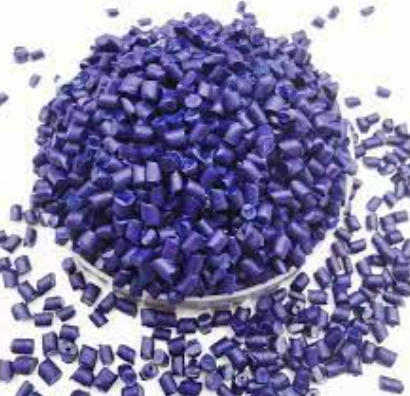
Different types of masterbatch are used depending on the target property and textile category. Common classes include:
- Color Masterbatch: Provides vibrant, uniform coloration for fibers and fabrics.
- Additive Masterbatch: Enhances performance with UV stabilizers, flame retardants, or anti-static agents.
- White and Black Masterbatch: Often used as base materials for blending or to create strong, opaque colors.
- Functional Masterbatch: Tailored for special properties like hydrophobicity, antimicrobials, or friction control.
By combining various PE Masterbatch formulations, textile manufacturers can achieve customized performance requirements suitable for fashion, industrial, or technical markets.
The textile industry is under increasing pressure to reduce its environmental footprint. PE Masterbatch supports this shift toward sustainability in several ways:
- Reduced pigment waste: Pre-dispersed concentrates minimize excess pigment disposal.
- Energy efficiency: Easier blending and lower processing temperatures save energy.
- Recyclability: Many PE Masterbatches are recyclable with base polymers, facilitating circular production models.
- Lower emissions: Cleaner processing generates fewer volatile organic compounds (VOCs).
When paired with eco-friendly carrier resins or bio-based polymers, PE Masterbatch helps manufacturers meet international environmental certification standards without sacrificing quality.
PE Masterbatch finds extensive use in both woven and non-woven textile production. Some major application areas include:
- Spunbond and melt-blown non-wovens: Commonly used in medical masks, hygiene products, and filtration fabrics.
- Agricultural fabrics: Require UV stabilization and color durability under outdoor exposure.
- Geotextiles: Demand high strength, colorfastness, and weather resistance.
- Packaging textiles: Such as woven bags and wrapping materials for industrial use.
- Fashion and upholstery fabrics: Utilize customized color masterbatches for aesthetic consistency and softness.
Each of these applications benefits from the precise performance tuning offered by PE Masterbatch formulations.
Selecting the correct PE Masterbatch is essential for achieving the desired color and functional effect. Consider these key factors:
1. Base resin compatibility – Ensure the masterbatch carrier resin matches the main polymer (e.g., PE, PP, PET).
2. Pigment concentration – Choose the right loading level to achieve vivid colors without overuse.
3. Thermal stability – Verify that the masterbatch can withstand fiber extrusion temperatures.
4. Additive functionality – Select formulations including UV absorbers, anti-static agents, or fire retardants as required.
5. Processing method – Match the masterbatch to your system (e.g., melt spinning, extrusion, or injection molding).
A reliable supplier with technical support can provide customized PE Masterbatch solutions optimized for your textile applications.
The growing emphasis on customization and sustainability is driving innovation in PE Masterbatch technology. Manufacturers are now developing bio-based carrier resins, smart colorants, and nanocomposite additive systems that extend functionality beyond traditional expectations.
Additionally, digital color-matching systems integrated with masterbatch production allow exact replication of shades across diverse materials, strengthening brand identity and quality assurance for global textile companies.
As industries strive for greener and more efficient processes, the role of PE Masterbatch will continue expanding—bridging performance, cost, and aesthetics in one versatile material technology.
PE Masterbatch has proven itself as an indispensable component in modern textile production. It enhances color consistency, functional performance, and production efficiency while contributing to environmental sustainability. For manufacturers looking to balance quality, cost, and creativity, PE Masterbatch serves as the foundation for advanced textile innovation.
Through the smart use of customized formulations, the global textile industry can continue evolving toward a more efficient, colorful, and eco-conscious future—powered by the science and versatility of PE Masterbatch.
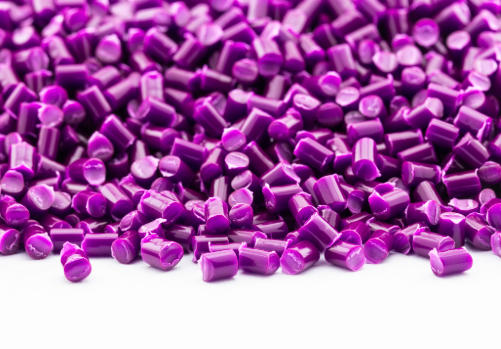
PE Masterbatch is used to introduce colorants, additives, and performance enhancers into polymer-based fibers, improving color consistency, UV resistance, and processing efficiency.
Yes. PE Masterbatch can be used with PP fibers as long as the carrier resin is compatible. Some suppliers design specific formulations for PP-based textiles.
Many PE Masterbatch products are recyclable and compatible with sustainable polymers. Using masterbatch also reduces pigment waste and energy consumption.
Color Masterbatch adds pigmentation, while Additive Masterbatch modifies properties like flame retardancy or UV stability. They can be combined based on specific textile needs.
No. When properly selected and used, PE Masterbatch blends seamlessly without compromising fiber strength or elasticity.


