


close
Choose Your Site
Global
Social Media


Views: 222 Author: Rebecca Publish Time: 2026-01-30 Origin: Site


Content Menu
● Understanding the Role of Plastic in Modern Society
● What Is Masterbatch and Why Does It Matter?
>> Key Functions of Masterbatch:
● The Environmental Challenge: Why Banning Plastic Sounds Appealing
● The Realistic Alternative: Sustainable Plastic and Masterbatch Innovation
>> 1. Biodegradable and Compostable Masterbatch
>> 2. Recycled Plastic Masterbatch
>> 3. Energy-Efficient Color Concentrates
● Economic Impacts of a Total Plastic Ban
● The Science Behind Plastic Longevity and Degradation
● Innovation in Masterbatch: The Future of Sustainable Plastic Development
>> Examples of Next-Generation Masterbatch Technologies:
● Global Regulations and Plastic Substitution Trends
● Should We Completely Ban Plastic?
● Building a Circular Plastic Economy with Masterbatch
● FAQs
>> (1) What is Masterbatch used for in plastic manufacturing?
>> (2) Can Masterbatch make plastic biodegradable?
>> (3) How does Masterbatch contribute to recycling?
>> (4) Are Masterbatch products safe for food packaging?
>> (5) How can Masterbatch support sustainability goals?
In recent years, a global debate has emerged around the use of plastic materials — should we completely ban them, or should innovation, technology, and sustainable approaches like Masterbatch-based plastic solutions guide their responsible use? The answer is not as simple as it may appear. Plastic has become a vital part of our modern economy, but its environmental footprint raises serious concerns.
This article explores both sides of the issue, analyzes the potential impact of a total plastic ban, and discusses how Masterbatch technology could redefine the future of sustainable plastics.
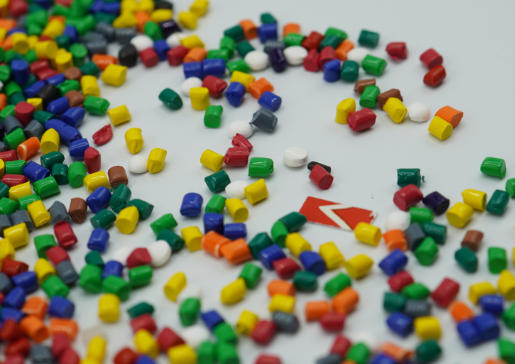
Plastic materials are everywhere — from the packaging that preserves our food to the construction components that support modern infrastructure. They are lightweight, durable, and flexible, making them indispensable for many industries, including automotive, medical, and electronics.
However, the same properties that make plastic useful also make it problematic. Its long decomposition cycle, often lasting hundreds of years, creates immense waste and pollution challenges. The question, therefore, is whether we should replace plastic entirely or innovate to make it better.
This is where Masterbatch plays a crucial role. By improving plastic production efficiency, color stability, and recyclability, Masterbatch-based solutions create a bridge between sustainability and performance.
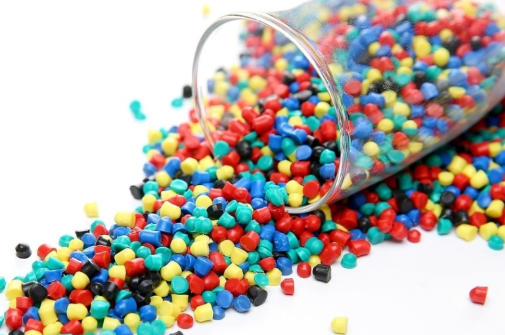
Masterbatch is a concentrated mixture of pigments, additives, or fillers encapsulated during a heat process into a carrier resin. It is later cooled and cut into granules or pellets, which are then used to color or enhance the properties of plastic materials.
- Color Control: Offers consistent, accurate coloration for plastic products.
- Additive Enhancement: Includes UV stabilizers, flame retardants, antioxidants, and anti-static properties.
- Improved Processability: Makes production more uniform, reduces defects, and enhances product quality.
- Recyclability Optimization: Boosts the potential for reprocessing plastic waste into high-value products.
Instead of banning plastic outright, many environmental experts advocate for advanced use of Masterbatch technology to create plastics that are recyclable, bio-based, or degradable under specific conditions.
Environmental pollution, especially in oceans, has made plastic a global villain. Millions of tons of plastic waste enter the oceans annually, harming marine life and threatening ecosystems. Single-use plastics, such as straws, packaging films, and disposable cutlery, are particularly damaging.
A complete plastic ban seems like a direct solution to stop this pollution. Governments around the world have already implemented partial bans — the European Union restricted certain single-use plastics, and China imposed regulations on plastic bag distribution.
Yet, these bans often overlook a critical issue: not all plastics are the same. Many industries depend on engineered plastics that cannot be easily replaced without causing other problems, such as increased energy consumption or product cost escalation.
Instead of banning plastic, we can restructure its lifecycle through innovation — particularly by using eco-friendly Masterbatch solutions.
This type of Masterbatch introduces bio-based additives that enhance the degradation process once the product reaches its end-of-life. For example, oxo-biodegradable Masterbatch helps plastic break down faster in natural environments.
A sustainable approach involves reusing post-consumer recycled (PCR) and post-industrial recycled (PIR) plastic materials. Masterbatch formulated for recycled plastics improves their mechanical strength, color uniformity, and stability.
Coloring plastics through Masterbatch is far more efficient than direct dyeing or painting. This reduces waste, lowers energy costs, and enhances durability — an environmentally responsible production method.
By combining these innovations, manufacturers can significantly reduce carbon footprints while maintaining product performance.
A complete ban on plastic materials could disrupt global supply chains, cause unemployment in manufacturing sectors, and raise costs for consumers. In the packaging, automotive, construction, and healthcare industries, plastic plays a vital role due to its hygiene, strength, and lightweight properties.
Consider medical equipment such as syringes or IV bags. Replacing these with glass or metal is impractical and unsafe. Likewise, the logistics industry would face skyrocketing transportation costs if packaging weight multiplied by a factor of ten.
Instead of a ban, a regulated, innovation-driven plastic economy that encourages recyclable Masterbatch solutions and sustainable plastic design offers a balanced path forward.
Plastics are mainly made of polymer chains derived from petroleum-based sources. These chains resist natural degradation, making plastics persistent in the environment. However, Masterbatch technology can integrate degradation catalysts that trigger breakdown under controlled environmental exposure.
For instance:
- Photo-degradable Masterbatch reacts to UV light exposure.
- Thermo-degradable Masterbatch activates at elevated temperatures.
- Microbial-active Masterbatch enables breakdown through bacterial activity.
These solutions ensure that plastics can still perform their intended functions during use but start decomposing safely after disposal — without leaving harmful residues.
Innovation continues to push Masterbatch technology toward sustainability, efficiency, and cost reduction. Today's R&D teams are combining nanotechnology, renewable materials, and smart additives to revolutionize how plastics behave and interact with the environment.
- Nanoclay-filled Masterbatch: Strengthens plastic while reducing material use.
- Bio-based pigment Masterbatch: Derived from plant or algae sources.
- Antimicrobial Masterbatch: Prevents bacterial growth on plastic surfaces, enhancing hygiene applications.
- Carbon-neutral Masterbatch: Utilizes captured CO₂ as part of its formulation.
Each of these innovations demonstrates how we can improve plastic instead of eliminating it.
Governments and international organizations increasingly emphasize circular economy strategies. Instead of total prohibition, policies now encourage design for recyclability and eco-friendly production using sustainable Masterbatch additives.
For instance:
- The European Green Deal focuses on promoting recyclable food contact materials with clear traceability.
- China's Plastic Pollution Control Plan (2025) supports biodegradable material development and encourages enterprises to upgrade via green Masterbatch technologies.
- The U.S. Environmental Protection Agency (EPA) promotes reprocessing infrastructure to recover and reuse plastic more efficiently.
By aligning with these policies, plastic manufacturers can transform environmental pressure into market opportunity.
Given the global reliance on plastic materials and the potential of Masterbatch innovation to mitigate environmental harm, a total ban does not seem practical. Instead, the future lies in harmonizing production, usage, and recycling.
Banning plastic without an adequate substitute may shift the problem elsewhere — metal, glass, or paper alternatives often carry higher energy production costs and larger carbon footprints. The real goal should be achieving plastic circularity — manufacturing products that return to the production cycle after use.
To make plastic part of a circular economy, key strategies include:
1. Design for Recycling: Products should be designed from the start to fit recycling streams.
2. Integrate Recycled Content: Use high-quality Masterbatch to stabilize recycled polymers.
3. Promote Bio-based Alternatives: Encourage renewable feedstocks such as corn starch or sugarcane.
4. Implement Closed-loop Systems: Collect, process, and reuse plastic locally.
5. Educate Consumers and Industries: Awareness ensures proper waste sorting and material recovery.
By combining these practices, we can sustain the benefits of plastics without their negative environmental consequences.
Completely banning plastic materials is neither realistic nor economically sustainable. Instead, innovation in Masterbatch technology, circular economy principles, and global cooperation can reshape the way we produce and use plastic.
From bio-degradable Masterbatch to recycled polymer enhancement, the possibilities for sustainable plastic use are vast and transformative. The path forward lies not in abandoning plastic — but in reinventing it responsibly.
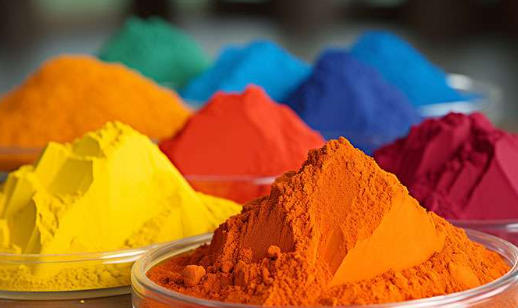
Masterbatch is used to add color, improve processing, and enhance performance properties like UV resistance or flame retardancy in plastic products. It ensures uniform quality while optimizing production efficiency.
Yes. Specialized biodegradable Masterbatch formulations can accelerate the degradation process of certain plastics, allowing them to break down in controlled environments without harming ecosystems.
Masterbatch improves the consistency and strength of recycled plastics, helping to maintain or even enhance product quality during repeated reprocessing cycles.
Most food-grade Masterbatch is engineered to comply with international safety standards such as FDA and EU regulations, making them safe for direct contact with foods and beverages.
By enabling bio-based production, enhancing recyclability, and improving durability, Masterbatch-making companies help industries reduce waste and lower carbon emissions while maintaining performance.


