


close
Choose Your Site
Global
Social Media


Views: 222 Author: Rebecca Publish Time: 2025-12-31 Origin: Site


Content Menu
● Understanding PP Masterbatch
>> Composition of PP Masterbatch
● Key Advantages of Using PP Masterbatch
>> 1. Enhanced Color Precision and Consistency
>> 2. Optimized Processing and Improved Productivity
● Applications of PP Masterbatch
>> Electrical and Construction Materials
● Technological Innovations in PP Masterbatch
● Production Process of PP Masterbatch
● Quality Considerations in PP Masterbatch
● Sustainability and Environmental Impact
● FAQ
>> (1) What is the main purpose of PP Masterbatch?
>> (2) How is masterbatch different from raw pigment?
>> (3) Can PP Masterbatch be recycled?
>> (4) What industries benefit most from PP Masterbatch?
>> (5) How is the quality of PP Masterbatch tested?
In the evolving world of polymer technology, PP Masterbatch has become one of the most essential additives in modern plastics engineering. As industries worldwide seek sustainable, efficient, and high-performance polymer materials, Polypropylene (PP) masterbatch stands out as a versatile and cost-effective solution. Whether used for enhancing color, improving functionality, or optimizing manufacturing performance, PP masterbatch plays a crucial role across multiple plastic production lines — from packaging films and injection-molded products to fibers and automotive components.
PP Masterbatch blends innovation and chemistry to create plastic materials that are not only visually appealing but also functionally superior. By integrating pigments, fillers, and performance enhancers into a concentrated carrier resin, masterbatch technology allows manufacturers to customize plastic properties according to unique market demands.
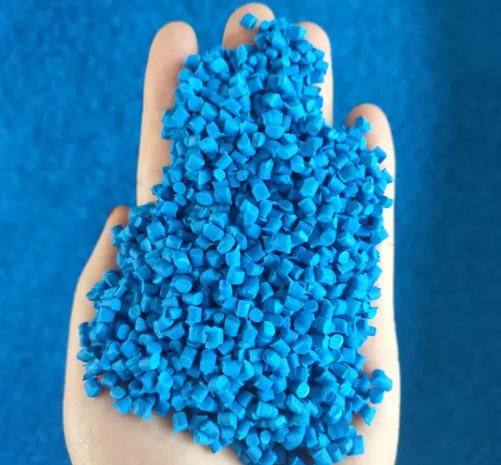
At its core, a masterbatch is a concentrated mixture of pigments, additives, or other materials encapsulated into a base polymer resin. When used in polypropylene (PP) products, it ensures consistent dispersion and uniform properties throughout the final product. The carrier resin — PP in this case — ensures perfect compatibility and easy blending with the host polymer during processing.
This method of introducing colors or functional additives offers better control, higher efficiency, and cost savings when compared with direct addition of pigments or powders.
Typical PP masterbatch formulations include:
- Carrier resin: Polypropylene or compatible polymer.
- Pigments and dyes: Inorganic or organic colorants for aesthetic quality.
- Additives: Such as UV stabilizers, flame retardants, antistatic agents, or slip modifiers.
- Dispersing agents: For even pigment distribution and consistent color output.
By adjusting these components, manufacturers can create tailored masterbatch types for specific manufacturing requirements and applications.
Masterbatch technology allows for extremely accurate color matching. Unlike dry pigment mixing, which can result in uneven tones or color streaks, PP color masterbatch provides uniform coloration and repeatable results — critical for consumer goods, automotive parts, and brand-consistent packaging.
Using PP masterbatch simplifies handling and mixing during manufacturing. Granular masterbatch blends seamlessly with base resin pellets, reducing dust, contamination, and equipment wear. This ensures faster production cycles and fewer material losses — offering both operational and environmental benefits.
Beyond adding color, functional masterbatches introduce performance characteristics such as:
- UV Resistance Masterbatch: Protects outdoor products from degradation.
- Antimicrobial Masterbatch: Prevents bacterial growth in hygiene products.
- Anti-block and Slip Masterbatch: Enhances surface performance in films.
- Flame Retardant Masterbatch: Improves safety compliance for electrical and construction materials.
Since masterbatch is formulated as a concentrated compound, manufacturers can achieve desired results with lower additive ratios, minimizing consumption and improving cost-performance balance.
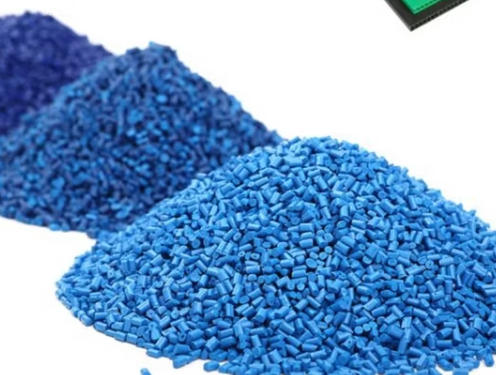
Color masterbatch is the most common form, delivering customized hues while maintaining the mechanical integrity of polypropylene products. It is available in various shades, including opaque, transparent, and metallic effects.
Composed primarily of titanium dioxide (TiO₂), white masterbatch provides brightness, opacity, and UV resistance. It's widely used in PP films, sheets, containers, and molded products.
Made with carbon black, black masterbatch offers high jetness, UV protection, and conductivity potential — ideal for automotive interiors, cables, and construction applications.
Functional masterbatches incorporate specialized additives to improve product performance, durability, and sustainability. Examples include antioxidant, antiblocking, and anti-fogging formulations used extensively in packaging films and fibers.
One of the largest consumers of PP masterbatch, the packaging industry uses it for films, containers, and food-grade wraps. It enhances visual appeal, improves mechanical properties, and extends shelf life through UV and antioxidant additives.
The automotive industry relies on PP masterbatch for dashboards, trims, and under-the-hood components. By using flame retardant and color masterbatch solutions, manufacturers achieve both safety and aesthetics.
From home appliances to disposable goods, PP masterbatch ensures vibrant colors and improved durability for everyday plastic items.
In nonwoven fabrics and fibers, PP masterbatch provides long-lasting coloration, UV stability, and heat resistance — essential for synthetic textiles and geotextiles.
PP-based products used in cables, pipes, and insulation materials benefit from the tailored performance provided by specialized masterbatches, extending product lifespan and regulatory compliance.
The future of PP masterbatch lies in advanced formulations designed for sustainability and efficiency. Key developments include:
- Biodegradable and bio-based masterbatches: Supporting the shift toward eco-friendly plastics.
- Nanotechnology integration: Improving dispersion, mechanical strength, and barrier properties.
- Recycled PP compatibility: Facilitating circular economy applications and reducing waste.
- Smart masterbatch solutions: Incorporating heat-sensitive or photochromic pigments that respond to environmental changes.
These innovations align with global trends promoting low-carbon manufacturing, making PP masterbatch a cornerstone of modern plastic innovation.
The production of PP masterbatch involves several carefully controlled steps:
1. Weighing and mixing raw pigments, additives, and carrier resin.
2. Melt compounding through twin-screw extruders to ensure uniform dispersion.
3. Cooling and pelletizing the molten strand into granules.
4. Quality testing for color accuracy, dispersion quality, and physical properties.
The result is a high-quality masterbatch ready to be used in injection molding, extrusion, or blow molding operations.
When selecting or developing a PP masterbatch, manufacturers must consider:
- Pigment compatibility: Ensuring chemical stability during high-temperature processing.
- Color strength and dispersion: For uniform appearance and performance.
- Thermal stability: Maintaining functionality under processing conditions.
- Long-term performance: Especially for outdoor or high-stress applications.
Strict quality control testing ensures that each batch delivers consistent performance, reducing waste and maximizing customer satisfaction.
With growing demand for environmentally responsible materials, the masterbatch industry is embracing sustainable solutions. Eco-friendly PP masterbatch formulations use:
- Recycled carrier resins.
- Non-toxic pigments and additives.
- Reduced energy production processes.
These initiatives help plastic manufacturers meet global sustainability standards while maintaining superior quality and functionality.
PP Masterbatch continues to shape the future of plastics manufacturing by offering precision, functionality, and cost-effectiveness. From color enhancement to advanced performance modifications, masterbatch solutions enable industries to innovate faster and manufacture smarter. As technology advances, the integration of sustainable materials and intelligent additives will push the boundaries of polypropylene applications even further — making PP masterbatch an irreplaceable component of modern polymer engineering.
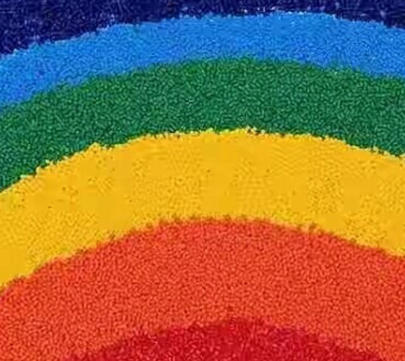
PP Masterbatch is used to impart color and functional properties to polypropylene products, ensuring consistent quality, ease of use, and improved processing efficiency.
Unlike raw pigments, PP masterbatch encapsulates pigments or additives in a PP carrier resin, providing superior dispersion and reducing dust, waste, and contamination during manufacturing.
Yes. Many masterbatches are compatible with recycled PP materials, and newer formulations enhance recyclability to support circular economy practices.
Industries such as packaging, automotive, consumer goods, textiles, and construction extensively rely on PP masterbatch for color precision and performance improvement.
Manufacturers evaluate masterbatch quality through tests on dispersion, melt flow index, color strength, and thermal stability to ensure optimal performance in final applications.


