


close
Choose Your Site
Global
Social Media


Views: 222 Author: Rebecca Publish Time: 2026-01-04 Origin: Site


Content Menu
● Understanding PP Masterbatch
>> How PP Masterbatch Works in Plastic Processing
● Key Advantages of Using PP Masterbatch
>> 1. Improved Product Quality and Performance
● Main Types of PP Masterbatch
>> White and Black Masterbatch
● Customization in PP Masterbatch Production
>> Tailoring Formulations for Specific Industries
>> Research and Development Capabilities
● PP Masterbatch in Different Industries
>> Agriculture
● Sustainability and Green Innovation
>> Shift Toward Eco-Friendly Masterbatch
>> Circular Economy Integration
● How to Choose the Right PP Masterbatch Supplier
● Challenges and Future Trends
● FAQ
>> 1. What is the main purpose of PP masterbatch?
>> 2. How is PP masterbatch used in production?
>> 3. Can PP masterbatch be customized?
>> 4. What are the key advantages of using masterbatch over raw additives?
>> 5. Is PP masterbatch environmentally friendly?
Polypropylene (PP) masterbatch has become an essential material in modern plastic production, offering a flexible, efficient, and cost-effective method to enhance the properties and aesthetics of polypropylene-based products. As industrial demand grows for lightweight, durable, and sustainable plastic solutions, PP masterbatch plays a central role in enabling manufacturers to meet diverse functional and visual requirements across various sectors—from packaging and automotive to consumer goods and construction.
In this article, we'll explore how PP masterbatch works, its advantages, major types, customized applications, and the innovations driving its future in the global plastic materials market.

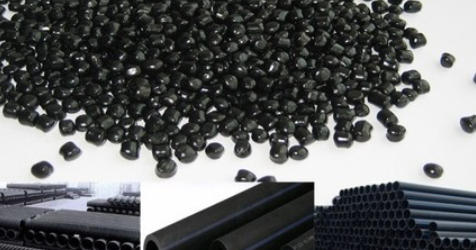
PP masterbatch is a concentrated mixture of additives and pigments encapsulated in a PP carrier resin. It is designed to provide color, functional performance, or processing improvements when mixed with natural polypropylene during manufacturing. Rather than adding raw additives or pigments directly into plastic, masterbatch allows consistent dispersion, simplifying production and enhancing uniformity.
Manufacturers typically use masterbatch in pellet form, adjusting the dosage according to the desired final properties. This approach minimizes waste, speeds up production, and ensures precise color matching or additive performance.
During compounding or molding, PP masterbatch is blended with virgin PP resin at a defined let-down ratio, usually between 1% and 5%, depending on the concentration of the masterbatch. The compounded resin is then processed into final products such as films, containers, automotive parts, or fibers. The even distribution of additives in the polymer matrix ensures stable product performance and visual consistency.
Masterbatch enhances specific material properties such as UV resistance, flame retardancy, or mechanical strength. For manufacturers, this means achieving greater durability without changing the core polymer formulation.
Since additives are pre-dispersed in the masterbatch, it eliminates the need for complex mixing on-site and reduces the risk of batch inconsistencies. This leads to lower production costs, less downtime, and better yield rates.
Color masterbatch ensures exact and repeatable color shades across multiple production runs. With modern color-matching technology, manufacturers can reproduce precise hues that meet brand or product requirements.
PP masterbatch can improve melt flow, reduce die build-up, and enable higher processing speeds, particularly in extrusion and injection molding operations.
By optimizing additive usage, PP masterbatch reduces material waste and energy consumption. Recyclable and biodegradable formulations are also being developed to support sustainable manufacturing practices.
Each type of PP masterbatch is designed for specific applications, defined by its composition and targeted functionality.
Color masterbatch provides vibrant, consistent colors to polypropylene products. It's widely used in household items, packaging, toys, and consumer goods where appearance plays a key role. Custom color masterbatch formulations can replicate Pantone or RAL color systems to match precise branding requirements.
Additive masterbatch improves the functional performance of plastics. Common additive masterbatches include:
- UV stabilizer masterbatch: Protects outdoor exposure products from degradation.
- Antioxidant masterbatch: Prevents polymer aging and yellowing at high temperatures.
- Antistatic masterbatch: Reduces electrostatic charges.
- Slip and anti-block masterbatch: Enhances film performance in packaging.
- Flame retardant masterbatch: Increases fire safety in automotive and electronic parts.
Filler masterbatch incorporates materials like calcium carbonate or talc into PP resin to improve stiffness, reduce production costs, and modify surface texture. It's essential in producing cost-efficient films, containers, or injection-molded parts.
- White masterbatch typically uses titanium dioxide (TiO₂) to achieve opacity and brightness for packaging, containers, and films.
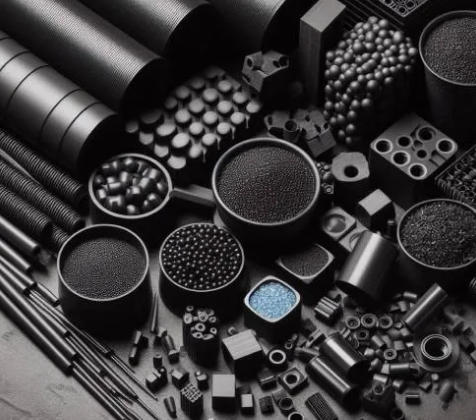
- Black masterbatch, made primarily from carbon black, provides deep coloration, UV stability, and conductivity for high-end electronics or automotive components.
Modern manufacturing demands high customization. Every product may require unique combinations of color, performance, and processing properties. Leading masterbatch manufacturers offer tailored formulas based on the customer's resin type, end-use conditions, and production method.
For instance:
- Automotive components: Often require UV resistance, heat stability, and aesthetic finishes.
- Food packaging: Needs FDA-compliant, odor-free, and non-toxic masterbatch formulations.
- Textiles or fibers: Benefit from anti-static, color-fast, and weather-resistant grades.
- Construction materials: Typically need flame retardancy and weatherability.
The core of customized PP masterbatch lies in R&D. Laboratories perform extensive pigment dispersion analysis, polymer compatibility testing, and accelerated weather resistance evaluations. Innovation in nano-additives, biodegradable carriers, and high-load dispersions continues to redefine masterbatch technology, offering customers more efficient and eco-friendly solutions.
PP masterbatch is widely applied in injection-molded and blown films for packaging. It provides color strength, opacity control, and sealing optimization. Additive masterbatch types such as slip, anti-fog, and anti-block improve packaging film performance, ensuring smooth processing and excellent shelf appeal.
In automobiles, PP-based interior and exterior parts rely on UV-stabilized and heat-resistant masterbatch for lasting color retention and durability. Flame retardant and anti-scratch masterbatches are also vital in safety and surface protection applications.
PP masterbatch enhances greenhouse films, irrigation pipes, and mulch sheets by improving UV protection and mechanical toughness. Customized formulations optimize light transmission while extending field service life.
From furniture to kitchenware, masterbatch enables vivid, long-lasting color and scratch resistance. The aesthetic appeal, combined with improved functionality, helps brands enhance product value.
Black and conductive masterbatches help protect electronic casings from static damage, while flame retardant types improve safety compliance across home appliances and devices.
Growing environmental regulations and consumer awareness are pushing industries toward green solutions. PP masterbatch is evolving accordingly through:
- Use of bio-based carriers.
- Development of recyclable color masterbatch.
- Integration of biodegradable additives.
Regrind-compatible formulations also help reduce waste by allowing manufacturers to reuse scraps without quality loss.
By promoting easier recycling, color segregation, and longer product lifespans, PP masterbatch contributes to circular economy targets. Manufacturers are investing in closed-loop systems to recover and reprocess post-industrial and post-consumer PP materials efficiently.
Selecting a reliable masterbatch manufacturer is vital for consistent production and performance. Consider the following factors:
1. Technical expertise: Ensure the supplier understands polymer chemistry and processing requirements.
2. Customization capability: Look for a partner who can tailor colors or additives to match your unique product specifications.
3. Quality assurance: Check for ISO, ROHS, or FDA compliance.
4. R&D support: Advanced analytical equipment ensures innovation and reliable performance data.
5. Global supply capacity: For export-oriented businesses, an international logistics network ensures just-in-time delivery.
- Rising costs of pigments and additives.
- Environmental restrictions on heavy-metal colorants.
- Compatibility issues between masterbatch and modified PP grades.
- Development of biodegradable masterbatch for sustainable plastics.
- Use of nanotechnology for enhanced functional properties.
- Integration of AI-driven color prediction systems for faster development cycles.
- Expansion of 3D printing-grade masterbatch for customized production.
The versatility and innovation behind PP masterbatch make it one of the most powerful tools in modern plastic manufacturing. From customized color solutions to high-performance additive systems, PP masterbatch enables product differentiation, efficiency, and sustainability across industries. As global demand rises for environmentally responsible materials, the continuous evolution of PP masterbatch technology will remain at the forefront of the plastics industry—reshaping how we design, produce, and use polymer-based products.
PP masterbatch serves to add color, strength, and functional additives into polypropylene products, improving their performance, appearance, and processing characteristics.
It is typically mixed with virgin PP resin at a specific let-down ratio during molding, extrusion, or film blowing. The masterbatch disperses evenly, ensuring consistent results.
Yes. Manufacturers can tailor masterbatch formulations based on color requirements, additive types, and the final product's performance needs.
Masterbatch offers better dispersion, easier handling, improved dosing accuracy, and stable quality—reducing waste and production complexity.
Many producers now offer eco-friendly, recyclable, or bio-based PP masterbatch options that support sustainable and circular manufacturing practices.


