


close
Choose Your Site
Global
Social Media


Views: 222 Author: Rebecca Publish Time: 2025-12-31 Origin: Site


Content Menu
>> 4. White and Black Masterbatch
● The Manufacturing Process of PP Masterbatch
● Advantages of Using PP Masterbatch
>> 1. Improved Product Quality
>> 4. Eco-Friendly Manufacturing
● Applications of PP Masterbatch
>> Electrical and Electronic Products
● PP Masterbatch and Sustainability
● How to Choose the Right PP Masterbatch
● The Global Market Outlook for PP Masterbatch
>> 1. What is the main purpose of PP masterbatch?
>> 2. How is PP masterbatch different from pigment powder?
>> 3. Is PP masterbatch suitable for recycling?
>> 4. Can PP masterbatch improve product durability?
>> 5. What factors affect the quality of PP masterbatch?
In today's manufacturing world, the call for sustainability and performance efficiency has never been louder. As industries strive to reduce their carbon footprint and produce eco-friendly materials, PP masterbatch (polypropylene masterbatch) has become a vital component in creating high-quality, sustainable plastic products. More than just a colorant or additive, masterbatch technology plays a crucial role in enhancing material properties, reducing waste, and cutting down production costs.
This article explores the importance of PP masterbatch, its production process, types, applications, and how it contributes to sustainable industrial development across global manufacturing sectors.

PP masterbatch is a concentrated mixture of pigments, additives, and carrier resins, typically polypropylene (PP), used to modify or enhance the properties of base polymers. During plastic manufacturing, a small percentage of masterbatch is added to raw PP resin to achieve specific characteristics such as improved color, UV resistance, flame retardancy, or mechanical strength.
In practical terms, masterbatch acts like a “booster” that transforms basic plastic pellets into high-performance materials suitable for different industrial applications. It ensures uniform dispersion of additives throughout the plastic matrix, resulting in consistent product quality and excellent appearance.
There are several types of PP masterbatch, each designed for special purposes depending on the desired product performance and environmental requirements.
Color masterbatch contains concentrated pigments used to color PP materials consistently. Manufacturers can produce a wide range of hues—from vivid primary colors to subtle shades—without compromising on polymer strength.
This type introduces functional properties to PP resin. Additives can include UV stabilizers, antioxidants, anti-blocking agents, flame retardants, or anti-static compounds. Each additive masterbatch targets a specific performance improvement based on end-use applications.
Filler masterbatch incorporates mineral fillers like calcium carbonate or talc, which reduce raw material costs while improving stiffness, thermal stability, and processability. It is often used in packaging films and injection-molded products.
White masterbatch, typically made from titanium dioxide, delivers brightness and opacity, while black masterbatch containing carbon black provides excellent UV resistance and coverage. These are widely used in packaging, pipes, and industrial containers.
Producing PP masterbatch involves several key stages to ensure high dispersion quality, optimal performance, and stable product consistency.
1. Mixing: Pigments, additives, and PP carrier resin are precisely weighed and mixed.
2. Extrusion: The mixture is melted in a twin-screw extruder, allowing pigments and additives to blend uniformly into the PP matrix.
3. Cooling and Cutting: The molten blend is cooled and cut into small masterbatch pellets.
4. Quality Control: The final masterbatch undergoes rigorous testing for dispersion, color concentration, and mechanical performance.
This controlled process ensures that every batch maintains consistent quality, ready to enhance the properties of PP materials across various product lines.
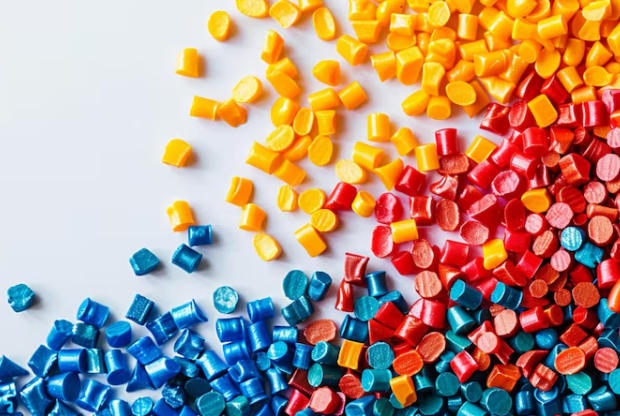
Incorporating PP masterbatch offers multiple benefits to modern manufacturers striving for efficiency and sustainability.
Masterbatch ensures uniform dispersion of colorants or additives, giving products a consistent and appealing finish. It prevents defects like streaking or uneven coloration.
By offering concentrated additive solutions, masterbatch reduces the total amount of pigment or additive needed. Moreover, it simplifies production and minimizes waste, leading to lower costs.
The uniformity of PP masterbatch improves processing performance. It ensures better melt flow, reduced cycle time, and easier control during extrusion or injection molding.
Since PP masterbatch reduces material waste and can be formulated using eco-based additives, it supports sustainable manufacturing practices. Many producers now develop bio-based and recyclable masterbatch solutions to align with global green standards.
PP masterbatch is used across a wide range of industries due to its flexibility, durability, and processing advantages.
PP masterbatch is extensively applied in films, bottles, caps, and containers. It ensures rich coloration, better surface quality, and functional performance such as UV blocking and anti-slip features.
In automobiles, masterbatch helps achieve desired mechanical strength, thermal stability, and visual appeal in interior and exterior components—like dashboards, trims, and bumpers.
Non-woven fabrics and PP fibers benefit from color and additive masterbatch to enhance UV resistivity, softness, and longevity.
Masterbatch improves flame resistance, anti-static capability, and gloss consistency in electronic housings and accessories.
Pipe manufacturers use PP masterbatch for enhanced strength, weather resistance, and long-term durability. It adds value to products like composite panels, fittings, and film coatings.
The environmental benefits of PP masterbatch are becoming increasingly important in the global transition to eco-conscious production.
1. Material Optimization: By improving dispersion efficiency, less raw pigment or additive is needed, leading to reduced material consumption.
2. Recyclability: Many masterbatch formulations are compatible with recycling processes, ensuring the final products remain part of the circular economy.
3. Energy Saving: Enhanced processing performance means lower energy usage during polymer molding and extrusion.
4. Waste Reduction: Consistent production quality minimizes defective output, directly cutting industrial waste.
As industries adopt green manufacturing, PP masterbatch provides a pathway to meet both performance and environmental targets without major production compromises.
Selecting the right PP masterbatch is vital for balancing performance, cost, and ecological responsibility.
- Define Application Needs: Different industries require different functionalities—optical brightness for packaging, heat stability for automotive, or softness for textiles.
- Ensure Compatibility: Choose a masterbatch with a PP carrier resin that aligns with your polymer base to guarantee smooth blending and processing.
- Check Additive Concentration: Overuse or underuse may affect product properties; rely on data sheets from reliable suppliers.
- Request Sample Testing: Reputable manufacturers provide sample testing to validate performance under your processing conditions.
- Prioritize Sustainability: Opt for products using eco-certified raw materials or recyclable ingredients.
Strategic selection supports better processing efficiency and product differentiation in a competitive market.
The demand for PP masterbatch continues to grow, driven by expanding sectors like packaging, automotive, and construction. With the global shift toward sustainable materials, PP masterbatch suppliers are developing bio-based versions and recycled-content blends.
Asia remains the leading producer and exporter, with China playing a central role thanks to its advanced processing capabilities, strong manufacturing ecosystem, and global distribution networks. The increasing focus on smart manufacturing and digitalized quality control further boosts the competitiveness of Chinese masterbatch manufacturers.
Future innovation will largely center around eco-efficient masterbatch technologies, digital color matching, and polymer recycling compatibility—making PP masterbatch a cornerstone material for modern sustainable production.
PP masterbatch has evolved from a simple additive into a high-performance and eco-friendly solution for modern manufacturing. It enhances polymer characteristics, cuts costs, reduces environmental impact, and ensures consistent product quality across applications. For businesses worldwide, investing in advanced masterbatch technology not only boosts operational efficiency but also aligns production with global sustainability goals.
As industries move toward circular economy models, PP masterbatch stands out as a sustainable, adaptable, and competitive solution for the next generation of plastic innovation.
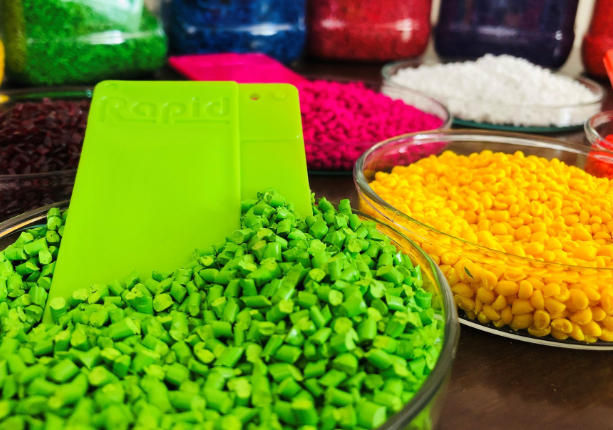
PP masterbatch allows manufacturers to add colorants or functional additives to polypropylene products efficiently. It enhances appearance, strength, and performance while optimizing cost and process control.
Unlike raw pigment powder, masterbatch encapsulates pigments in a PP carrier resin, ensuring even dispersion, easier handling, and cleaner production with no dust or contamination.
Yes. PP masterbatch is designed to be fully compatible with recycling streams when used correctly. Many sustainable grades use recyclable or bio-based resins.
Absolutely. Additives like UV stabilizers, antioxidants, and flame retardants increase the lifetime and strength of finished products, making them more durable and reliable.
The quality depends on pigment dispersion, carrier resin compatibility, additive concentration, and processing conditions. Choosing a reputable supplier is key to optimal results.


