


close
Choose Your Site
Global
Social Media


Views: 222 Author: Rebecca Publish Time: 2026-01-28 Origin: Site


Content Menu
● Understanding PE Masterbatch
● Role of PE Masterbatch in Sustainable Manufacturing
>> 3. Lightweight Manufacturing
● Types of PE Masterbatch and Their Applications
● Manufacturing Process of PE Masterbatch
● Advantages of Using PE Masterbatch
● The Role of PE Masterbatch in Key Industries
>> Packaging
>> Automotive
>> Construction
>> Agriculture
● The Shift Toward Bio-Based and Circular Masterbatch Solutions
● How to Select the Right PE Masterbatch
● Future Trends in PE Masterbatch Technology
● Environmental Impact of PE Masterbatch
● FAQ
>> 1. What is PE Masterbatch used for?
>> 2. Can PE Masterbatch be recycled?
>> 3. What factors determine the quality of a PE Masterbatch?
>> 4. How do I select the right let-down ratio (LDR)?
>> 5. Why is PE Masterbatch preferred over liquid additives?
The manufacturing world is undergoing a profound transformation. As global industries move toward eco-friendly materials and responsible production, PE Masterbatch has emerged as a key solution bridging performance and sustainability. This versatile material not only enhances plastic properties but also contributes to a circular economy through efficient resource utilization and recyclability.
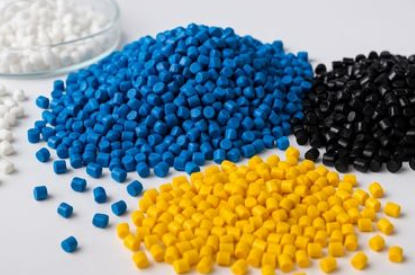
PE Masterbatch is a concentrated mixture of pigments, additives, or fillers encapsulated in a polyethylene (PE) carrier resin. It allows manufacturers to modify polymer properties effectively during the plastic production process. Unlike traditional compounding methods, masterbatch technology ensures even dispersion of colorants and additives, producing consistent quality and appearance in the final product.
There are two major forms of PE Masterbatch:
- Color Masterbatch: Adds pigments to plastic resins for color customization.
- Additive Masterbatch: Enhances functional performance—such as UV resistance, flame retardancy, or anti-static behavior.
Combining these two categories gives manufacturers full control over both appearance and mechanical performance, leading to more efficient operations and reduced waste.
Modern industries face dual challenges: the rising demand for high-performing materials and the urgent need to reduce environmental impact. PE Masterbatch directly addresses these challenges by enabling energy-efficient production, minimizing raw material waste, and improving recyclability.
By using a concentrated form of active ingredients, PE Masterbatch reduces the need for bulk additives, resulting in less storage space, lower transportation costs, and minimized material consumption. This streamlined process decreases carbon emissions and enhances production efficiency.
Many masterbatch formulations employ recycled PE resins as carriers, supporting closed-loop recycling. Furthermore, properly selected masterbatches don't disrupt polymer recycling chains, allowing used materials to be reprocessed without losing their mechanical integrity or color consistency.
Plastic parts made with PE Masterbatch maintain strength while reducing weight—important for automotive, packaging, and construction industries. Lighter products translate into lower energy usage during transportation and improved fuel efficiency.
Color is often the first attribute consumers notice in a plastic product. Color PE Masterbatch provides uniform, vibrant coloring without compromising structural performance. These masterbatches can achieve almost any tone—from opaque shades to transparent finishes.
Applications:
- Packaging films and containers
- Household products
- Consumer appliances
- Automotive interiors
In modern plastic engineering, functionality is as important as aesthetics. Additive PE Masterbatches improve product durability and extend service life. Some common variations include:
- UV stabilizer masterbatch: Protects against sun damage and fading.
- Antistatic masterbatch: Prevents surface dust accumulation.
- Antioxidant masterbatch: Resists thermal oxidation during processing.
- Slip and antiblock masterbatch: Enhances film smoothness for packing lines.
Applications:
- Outdoor furniture
- Agricultural films
- Electronic components
- Industrial packaging
Filler PE Masterbatch replaces part of the virgin polymer with minerals like calcium carbonate or talc, lowering overall cost while improving stiffness and printability.
Applications:
- Plastic bags and sheets
- Injection-molded parts
- Extruded pipes
Producing high-quality PE Masterbatch requires advanced processing and strict material selection. The general process involves:
1. Material Selection: Choosing the right PE resin base, pigment, and additive system to achieve target performance.
2. Mixing: Raw materials are blended uniformly using high-intensity mixers.
3. Extrusion: The mixture passes through a twin-screw extruder, dispersing pigments or additives evenly within the polymer matrix.
4. Pelletizing: The masterbatch is cooled and cut into granules for easy handling and dosage control during film or molding production.
5. Quality Testing: Laboratory checks ensure color consistency, melt flow index, and additive concentration meet specifications.
By controlling these steps precisely, manufacturers guarantee stability and optimal results for end-users.

The popularity of PE Masterbatch stems from its versatility, reliability, and environmental benefits. Some of its major advantages include:
- Enhanced Product Quality: Uniform pigmentation and additive distribution lead to consistent color and mechanical strength.
- Improved Processing Efficiency: Masterbatch pellets are easy to dose and disperse, reducing downtime and defects.
- Cost Optimization: Using concentrated masterbatches helps lower material and energy costs during production.
- Customizable Solutions: Manufacturers can tailor masterbatch formulas to meet very specific industrial requirements.
- Eco-Friendly Attributes: Many masterbatches use recyclable carriers or bio-based pigments for greener operations.
Packaging remains the largest end-use sector for PE Masterbatch. It provides film clarity, color uniformity, and crucial barrier protection against moisture or UV degradation. Companies use specialty additive masterbatches to prevent food spoilage and extend shelf life.
In the automotive industry, PE Masterbatch helps achieve both aesthetic appeal and weight reduction. Color masterbatches give vehicle interiors vibrant, fade-resistant surfaces, while filler and additive types improve strength and temperature resistance in exterior parts.
Pipes, cables, sheets, and roofing membranes all depend on high-performance PE Masterbatch to resist extreme environmental conditions. UV and flame-retardant masterbatches ensure products maintain long-term stability even under sunlight and heat exposure.
Agricultural films require durability under sunlight, humidity, and temperature fluctuations. PE Masterbatch formulations with UV absorbers and anti-fog agents help optimize crop yield and longevity of greenhouse covers.
The future of PE Masterbatch lies in sustainability and green chemistry. Bio-based masterbatches—using natural pigments and biodegradable carriers—are gaining attention from manufacturers aiming to meet stricter environmental regulations.
Recycled masterbatches also play a critical role in supporting the circular economy. By reusing waste polyethylene as carriers, these products reduce dependence on virgin plastic and lower carbon emissions. Industries worldwide increasingly demand such sustainable options to align with ESG (Environmental, Social, and Governance) targets.
Choosing the right type of PE Masterbatch is fundamental to achieving desired results. Key considerations include:
- Compatibility: Ensure the masterbatch carrier resin matches the base polymer (HDPE, LDPE, LLDPE, etc.).
- Concentration: Determine optimal let-down ratio (LDR) to balance cost and performance.
- Additive Functionality: Select additives that enhance required properties, such as slip, anti-block, or UV protection.
- Processing Conditions: Match masterbatch melting point and flow properties to processing technologies like extrusion, blow molding, or injection molding.
- Regulatory Compliance: For food contact or medical applications, verify compliance with FDA, REACH, and RoHS standards.
Collaboration with experienced masterbatch suppliers ensures both technical compatibility and operational efficiency.
Automation and AI-driven color matching are transforming how PE Masterbatch is designed. Modern software allows faster formulation, precise toning, and reduced human error during blending.
Nanotechnology enhances masterbatch performance at a microscopic level. Nano-fillers improve strength, heat stability, and barrier performance without affecting transparency.
Innovative manufacturers are exploring masterbatches with sensor-based additives that monitor degradation, temperature, or strain. Such intelligent materials could revolutionize traceability and maintenance in packaging and automotive sectors.
Although polyethylene is a synthetic polymer, the use of PE Masterbatch contributes positively to environmental stewardship in several ways:
- Reduced Pigment Waste: Concentrated masterbatches minimize spillage and processing dust.
- Energy Efficiency: Proper dispersion means lower required mixing temperatures.
- Recyclability: Many masterbatch-enhanced plastics can be re-extruded multiple times.
- Durability: Longer-lasting products mean fewer replacements and less waste.
When integrated thoughtfully, masterbatch technology helps balance industrial growth with ecological responsibility.
PE Masterbatch stands at the intersection of innovation and sustainability. As industries aim to reduce emissions, streamline production, and embrace a circular economy, this versatile material provides a reliable path forward. Whether used for color consistency, functional enhancement, or cost efficiency, PE Masterbatch plays a defining role in shaping the future of modern manufacturing.
By embracing advanced masterbatch solutions, global manufacturers can produce stronger, lighter, and more sustainable plastic products—meeting the economic and environmental expectations of today's world.
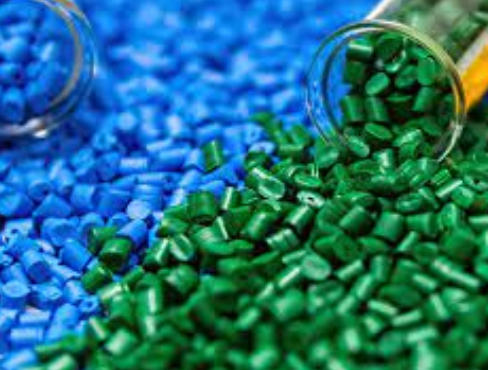
PE Masterbatch is used to add color, functionality, or filler material to polyethylene-based plastics. It improves aesthetics, performance, and processability in products like films, bottles, and molded parts.
Yes, most PE Masterbatches are recyclable, especially when using compatible PE resins as carriers. They maintain quality through multiple processing cycles, supporting circular manufacturing.
The quality depends on pigment dispersion, carrier resin purity, additive stability, and consistent pellet size. Proper testing ensures compatibility and desired performance.
The LDR depends on masterbatch concentration and application needs. Typically, ratios range from 1% to 5%, but precise adjustments ensure optimal color and cost performance.
PE Masterbatch offers cleaner handling, better dispersion, and superior shelf life compared to liquid or powder additives, making it an efficient and cost-effective choice for manufacturers.


