


close
Choose Your Site
Global
Social Media


Views: 222 Author: Rebecca Publish Time: 2026-01-22 Origin: Site


Content Menu
● The Composition and Production of PE Masterbatch
● Types of PE Masterbatch and Their Functions
● The Role of PE Masterbatch in Sustainable Manufacturing
>> Enhancing Resource Efficiency
>> Supporting Green Product Innovation
● Applications of PE Masterbatch Across Industries
● The Future of PE Masterbatch in Eco-Design
● How to Choose the Right PE Masterbatch
● Advantages of Adopting PE Masterbatch Technology
>> 1. What is the difference between Masterbatch and Compound?
>> 2. How much PE Masterbatch should be added to the base polymer?
>> 3. Can PE Masterbatch be used with recycled plastics?
>> 4. Are there eco-friendly or biodegradable PE Masterbatches?
>> 5. How does PE Masterbatch contribute to cost savings?
In today's era of environmental awareness and responsible production, the global plastics industry faces increasing pressure to develop materials that balance performance, cost, and sustainability. One of the key solutions that has gained significant traction across multiple sectors is the PE Masterbatch — a material that not only enhances plastic's functional properties but also contributes to sustainable manufacturing practices.
This article explores in depth what PE Masterbatch is, how it works, its applications, and its crucial role in promoting eco-friendly production systems.
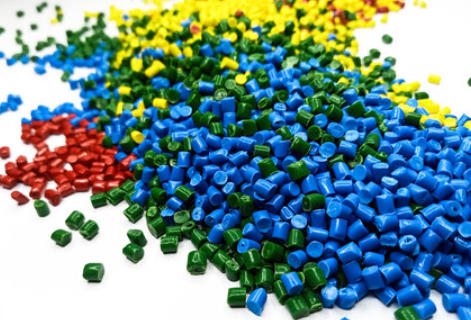
PE Masterbatch is a concentrated mixture of pigments, additives, and a polyethylene (PE) carrier resin. During the plastic production process, it is incorporated into raw polymer materials to modify or improve specific characteristics such as color, UV stability, flame retardancy, or mechanical strength.
Masterbatch technology offers a method for manufacturers to distribute additives and colorants uniformly without having to pre-blend powders or handle dust-prone loose materials. The result is consistent, high-quality plastic that meets diverse functional requirements across a wide range of industries.
PE Masterbatch is typically designed for polyethylene-based products, such as films, sheets, pipes, and packaging items. However, through precise formulation, it can also be compatible with other polymers like polypropylene (PP) or polyvinyl chloride (PVC).
To understand why PE Masterbatch plays such a crucial role in manufacturing, it's important to first examine its core components and production process.
A typical PE Masterbatch consists of three key elements:
1. Carrier Resin (PE):
Polyethylene serves as the base resin that encapsulates and delivers additives into the main polymer. Its compatibility ensures even dispersion and high stability during melting and mixing.
2. Additives or Pigments:
These are the active ingredients chosen to impart specific properties. For example, carbon black for UV protection, titanium dioxide for whiteness, or calcium carbonate for improved stiffness and cost reduction.
3. Dispersing Agents:
These facilitate the uniform distribution of additives within the polymer melt, preventing clumping or uneven coloring during extrusion or molding.
The manufacturing process generally involves the following steps:
- Weighing and mixing raw materials accurately.
- Melt compounding through twin-screw extrusion at controlled temperatures.
- Cooling the extrudate into strands.
- Pelletizing the strands into uniform granules ready for packaging and distribution.
By precisely controlling temperature, mixing time, and shear force during extrusion, manufacturers ensure that the Masterbatch remains stable and consistent across batches.
One of the most widely used types, color masterbatch, introduces vibrant, consistent coloring into plastics. Instead of dry pigments, which may cause uneven coloration, color masterbatch ensures excellent dispersion and long-lasting visual quality. It is essential in consumer packaging, film production, and household plastic products.
Containing high concentrations of titanium dioxide, white masterbatch offers strong opacity and brightness. It's used in film, extrusion, and injection molding applications — especially in food contact packaging, labels, and containers requiring a clean, aesthetic finish.
Black masterbatch typically uses carbon black as its primary additive. It provides deep black coloration, UV resistance, and heat stability, ideal for applications like agricultural films, pipes, cables, and automotive parts.
Filler masterbatch incorporates inorganic materials such as calcium carbonate or talc. This variant helps reduce production costs, improve dimensional stability, and enhance surface smoothness — a preferred option in the packaging and textile industries.
This type includes antioxidants, UV stabilizers, slip agents, flame retardants, and other functional additives that improve the durability and processability of plastics. It's particularly relevant for applications exposed to sunlight, heat, or friction.
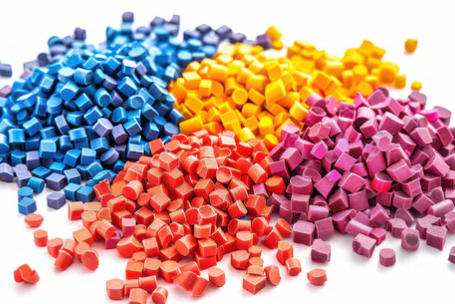
One of the key benefits of PE Masterbatch lies in its ability to reduce waste and optimize raw material usage. Instead of dispersing large volumes of additives directly into polymers, manufacturers can achieve desired effects using minimal masterbatch quantities — typically less than 5% of the total composition.
This precision leads to:
- Lower production costs.
- Reduced material waste.
- Fewer rejected products due to coloration or defect inconsistencies.
In a circular economy, reuse and recyclability are paramount. Well-formulated PE Masterbatch enables easy recycling of plastic products by maintaining consistent coloration and mechanical properties even after multiple processing cycles.
In addition, biodegradable and compostable masterbatch formulations are emerging, using organic carriers and non-toxic additives that allow materials to break down under industrial composting conditions.
PE Masterbatch manufacturing promotes efficient melting and mixing, lowering the overall energy consumption during the plastic production phase. Optimized formulations can reduce extrusion or molding temperatures by 5–10%, providing substantial energy savings in large-scale manufacturing environments.
By leveraging innovation in bio-based carriers and non-toxic pigments, masterbatch producers can help clients meet international eco-certifications such as REACH, RoHS, or FDA compliance.
For example, color masterbatch for food-grade packaging can be developed using organic or mineral colorants, avoiding heavy metals and volatile substances that harm the environment.
PE Masterbatch is widely used in film extrusion, helping packaging manufacturers achieve precise color consistency, higher barrier properties, and better surface finish. It's especially valuable in food wrapping, shrink films, shopping bags, and industrial packaging.
In agriculture, black and white PE masterbatch assist in controlling light transmission and temperature management in greenhouse films, mulching sheets, and irrigation pipes. They improve crop yield and durability while minimizing harmful UV radiation.
Construction materials such as pipes, sheets, and insulation films benefit from masterbatch additives that provide flame retardancy, weather resistance, and strength retention under varying environmental conditions.
PE masterbatch helps the automotive sector meet high visual and mechanical standards in dashboards, trims, and under-the-hood components, where heat and UV stability are critical.
Everyday items like toys, containers, and furniture rely on color and additive masterbatch for durability, visual appeal, and performance consistency. Custom formulation ensures products remain safe, lightweight, and recyclable.
As global regulations tighten and consumers demand sustainable products, the future of PE Masterbatch technology centers on eco-innovation.
Emerging trends include:
- Bio-based carrier resins: Replacement of petroleum-based polyethylene with bio-PE derived from renewable feedstocks like sugarcane.
- Recycled Masterbatch solutions: Designed to ensure compatibility with post-consumer recycled polymers.
- Nanocomposite masterbatch: Incorporating nanoscale additives to achieve enhanced mechanical and barrier properties with minimal material input.
- Smart masterbatch formulations: Enabling functional integration such as antimicrobial surfaces or infrared absorption for advanced energy management.
These innovations make PE Masterbatch a cornerstone of the next-generation manufacturing ecosystem — aligning performance, aesthetics, and environmental stewardship.
Selecting the ideal masterbatch formulation depends on several factors:
1. End Application Requirements:
Determine color stability, opacity, mechanical strength, or special functionality needed for the product.
2. Polymer Compatibility:
Ensure the carrier resin matches the base polymer for optimal dispersion and performance.
3. Processing Conditions:
Consider extrusion temperature, screw speed, and residence time to prevent additive degradation.
4. Regulatory Compliance:
For food-grade, medical, or export products, verify certifications such as FDA, EU Food Contact, or RoHS.
5. Cost-Performance Balance:
Weigh the benefits of high-performance masterbatches against production cost constraints to achieve maximum efficiency.
Embracing PE Masterbatch in production lines offers numerous technical and economic advantages:
- Enhanced color uniformity and aesthetic appeal.
- Simplified inventory management by using standard polymer bases.
- Improved processing efficiency and reduced downtime.
- Significant material cost optimization through controlled additive dosing.
- Greater environmental compliance due to recyclable and eco-friendly formulations.
These benefits position PE Masterbatch as an indispensable tool for modern plastic manufacturers striving to balance profitability with sustainability.
PE Masterbatch is more than a technical additive; it's a strategic enabler of sustainable manufacturing. From optimizing resource use and enhancing recyclability to enabling product innovation and environmental compliance, PE Masterbatch supports the global shift toward greener production and responsible consumption.
As governments and consumers demand cleaner solutions, industries that integrate advanced masterbatch technologies will lead the transition toward a low-carbon, circular economy — where plastics perform better, last longer, and impact the environment less.
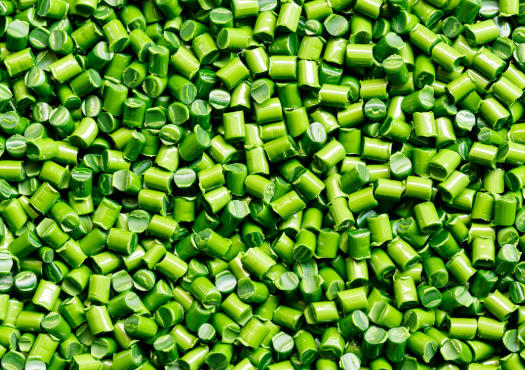
Masterbatch is a concentrated mix of additives or pigments dispersed in a carrier resin, while a compound already contains all necessary raw materials blended and ready for final use. Masterbatch allows more flexibility for dosage control and color variation.
Typically, the addition ratio ranges from 1% to 5%, depending on the required color strength or additive performance. Manufacturers must perform trials to find the optimal dosage for consistent results.
Yes. Properly designed PE Masterbatch formulations are compatible with recycled polymers, ensuring color consistency and mechanical integrity even after multiple processing cycles.
Absolutely. Modern developments include bio-based and compostable masterbatch types using organic pigments and biodegradable carrier resins to reduce environmental footprint.
By concentrating additives and reducing wastage, PE Masterbatch enables manufacturers to lower additive usage, enhance product yield, and cut energy costs during processing — leading to measurable cost advantages.


