


close
Choose Your Site
Global
Social Media


Views: 222 Author: Rebecca Publish Time: 2026-01-14 Origin: Site


Content Menu
● Understanding PA Masterbatch
● Key Advantages of Using PA Masterbatch
● Industrial Applications of PA Masterbatch
>> Construction and Infrastructure
>> Industrial Machinery and Tools
● Customization in Masterbatch Production
● Environmental and Performance Considerations
● Technical Development Trends
● Choosing the Right PA Masterbatch Partner
● FAQ
>> 1. What is the difference between PA Masterbatch and color masterbatch?
>> 2. Can PA Masterbatch be used with recycled nylon?
>> 3. Is PA Masterbatch environmentally friendly?
>> 4. What factors influence the quality of a PA Masterbatch?
>> 5. How can manufacturers ensure consistent masterbatch performance?
In today's rapidly evolving industrial and manufacturing environment, PA Masterbatch (Polyamide Masterbatch) stands out as a cornerstone material enabling innovation, performance, and sustainability across multiple applications. From automotive components to electrical housings, packaging films, and construction materials, PA Masterbatch helps manufacturers achieve precise color matching, enhanced mechanical performance, weather resistance, and processing stability.
This article explores the nature, advantages, types, and applications of PA Masterbatch, as well as the reasons why custom solutions tailored to diverse industries create measurable value for global manufacturers.
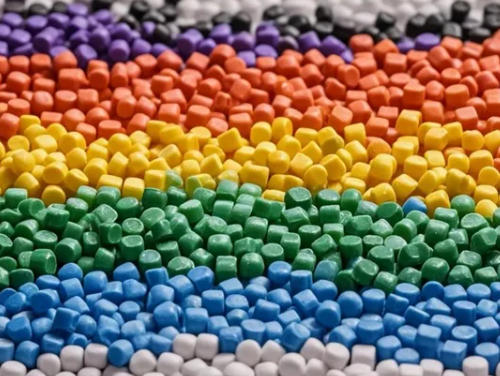
PA Masterbatch refers to a concentrated blend of pigments, additives, and polyamide resin (commonly PA6 or PA66) used to impart color and performance-enhancing properties to base polymer materials. It functions as a highly efficient and consistent method to modify base polymers during processing without compromising product quality or material stability.
The polyamide base resin—such as nylon 6 or nylon 66—offers excellent mechanical strength, heat resistance, and chemical durability. By combining specialized additives and colorants, the masterbatch can deliver specific functions such as UV protection, flame retardance, anti-static behavior, or heat stabilization.
In practice, PA Masterbatch ensures uniform dispersion, easy processing, and reliable performance in injection molding, extrusion, and blow molding operations.
The adoption of PA Masterbatch brings a long list of technical and economic benefits to product designers, engineers, and manufacturers. Some of the main advantages include:
- Consistent Coloration and Quality Control: The masterbatch provides homogeneous color dispersion, preventing streaks or shade variations even in complex parts.
- Enhanced Mechanical Strength: Additives can improve tensile strength, impact resistance, and wear resistance—ideal for structural components.
- Optimized Processing: Masterbatches improve flow characteristics, reduce energy consumption, and minimize processing defects like voids or surface flaws.
- Custom Functionality: Manufacturers can tailor PA Masterbatch formulations for UV stability, flame retardancy, lubricity, or antistatic properties.
- Cost Efficiency: Because pigments and additives are pre-dispersed, material waste decreases while productivity and process repeatability increase.
These qualities make PA Masterbatch a preferred solution for industries demanding precision performance under challenging conditions.
The flexibility of PA Masterbatch technology allows it to serve different requirements by using varied types of formulations. The most common categories include:
Color masterbatch is a mixture of pigments and carrier PA resin, designed to create vibrant and stable color effects. It enables consistent shade matching across production batches while minimizing dispersion issues. Industries such as automotive interiors, consumer products, and packaging widely rely on this form of masterbatch.
Additive PA masterbatch enhances the physical and chemical performance of the polymer. Common additive types include:
- UV stabilizers and antioxidants for outdoor applications.
- Flame-retardant systems for electrical or automotive uses.
- Anti-static or conductive agents for electronic housings.
- Anti-wear and heat stabilizers for mechanical components.
Filler masterbatch utilizes inorganic materials such as calcium carbonate or talc to reduce material costs, improve stiffness, or modify the density of the final product. For polyamide systems, filler masterbatch also enhances dimensional stability and warpage control.
This category introduces advanced functionalities such as infrared absorption, laser marking, antimicrobial effects, or high-impact modification. The development of specialized PA masterbatches continues to expand in sectors such as medical devices, optical fibers, and smart packaging.
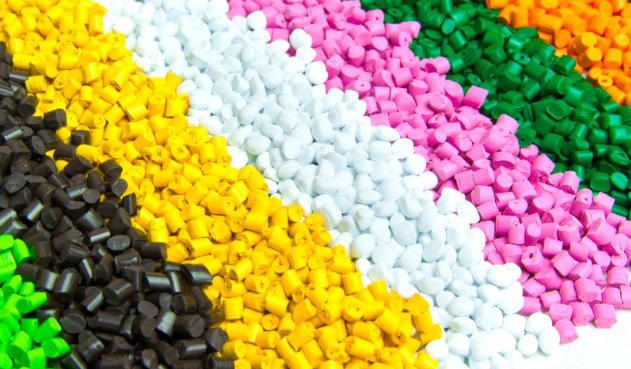
The adaptability of PA Masterbatch makes it an industrial favorite across a wide range of production sectors.
In automotive engineering, PA Masterbatch is used in components such as bumpers, radiator grilles, mirror housings, and interior trims. Polyamide materials reinforced with functional masterbatch additives achieve high dimensional stability, wear resistance, and long-term heat endurance. Custom coloring allows seamless integration with design aesthetics.
Modern electrical housings, connectors, and cable insulation rely heavily on polyamide compounds with flame-retardant or conductive masterbatches. The materials offer safety and performance while maintaining fine surface finishing and tight tolerance integrity.
Polyamide-based components are increasingly adopted in building hardware, profiles, and pipes. PA masterbatch helps maintain strength, UV resistance, and aesthetic qualities in harsh environmental conditions, contributing to durable and sustainable material performance.
Although polyamide is not as common as polyethylene in packaging, PA Masterbatch delivers key improvements for high-barrier films and specialty packaging. Additive systems can enhance oxygen resistance, gloss level, and surface smoothness, which are critical for food and pharmaceutical applications.
For gears, bearings, and structural fittings, the mechanical reinforcement and thermal resistance achieved through PA Masterbatch formulations enable polymer solutions to replace heavier metal parts without compromising mechanical function.
The most powerful benefit of PA Masterbatch lies in customization. No two industry sectors or product designs require the same solution. Tailored masterbatch formulations address variables like:
- Polymer grade compatibility (PA6, PA66, PA12, etc.).
- Target color shades using advanced spectrophotometry.
- Additive functionality balance—such as combining UV stabilizer and anti-oxidant.
- Processing conditions like temperature or shear sensitivity.
Modern compounding technology, supported by high-torque twin-screw extruders and automated feeding systems, ensures uniform dispersion and repeatable batch accuracy. Manufacturers offering integrated R&D–production–testing systems can rapidly collaborate with clients to engineer the perfect masterbatch recipe for specific needs.
Sustainability is a growing priority, and PA Masterbatch can contribute to environmental responsibility in several ways:
- Reduced Waste: Controlled formulation reduces pigment overuse and eliminates trial-and-error mixing.
- Recyclability Support: Certain PA masterbatches promote reprocessing compatibility without color deviation.
- Energy Efficiency: Improved processing stability reduces machine downtime and energy consumption.
- Bio-based Options: Some producers now offer bio-compatible or degradable additive masterbatches to align with green manufacturing goals.
The integration of eco-conscious additives with durable PA resin systems represents a realistic path toward sustainable industrial materials without sacrificing performance or aesthetic value.
Emerging innovations continue to redefine the possibilities of PA Masterbatch:
- Nanocomposite Additives: Incorporating nanoscale fillers enhances mechanical reinforcement at minimal loading.
- Laser Marking Masterbatch: Enabling permanent, high-contrast markings without inks.
- Smart Functional Additives: Responsive materials that provide thermal or color change upon environmental stimuli.
- Electro-Conductive Masterbatches: Allow for lightweight, static-safe polyamide casings in electronics.
- Recycled PA Compatibility: Designed masterbatches that maintain color quality even in recycled nylon feedstocks.
These developments demonstrate the evolution of masterbatch technology from simple coloring agents into precise engineering tools.
Selecting an expert PA Masterbatch supplier requires balancing technical capability with service flexibility. Consider the following aspects:
- In-house Research and Development: A robust laboratory ensures more efficient formulation design and rapid customization.
- International Quality Standards: ISO 9001 or REACH certification ensures stability and compliance.
- Color Matching Expertise: Advanced color evaluation systems guarantee accuracy across production runs.
- Global Logistic Support: For manufacturers serving international markets, steady masterbatch availability is crucial.
- Sustainability Commitment: Suppliers embracing biodegradable additives or recycling initiatives support clients' environmental goals.
A professional masterbatch partner acts not just as a supplier but as a co-developer—helping manufacturers translate ideas into tangible products.
PA Masterbatch sits at the intersection of material science and industrial innovation. Its influence extends far beyond color—covering the full spectrum of performance improvements from structural reinforcement to heat endurance and sustainability. As industries pursue lighter, stronger, and smarter materials, the demand for custom PA Masterbatch solutions will only continue to rise.
By combining deep R&D expertise, rigorous quality control, and customer-centric flexibility, a specialized masterbatch manufacturer can empower global partners to deliver consistent, high-value products that meet the next generation of performance and environmental standards.
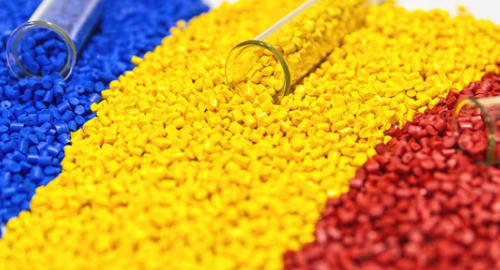
Answer: PA Masterbatch specifically uses polyamide resin (like PA6 or PA66) as the carrier to match nylon-based systems, whereas general color masterbatch may use other carriers like PE, PP, or PET. This ensures better compatibility, mechanical strength, and processing efficiency in nylon applications.
Answer: Yes. Many modern formulations are engineered to maintain color stability and performance even when mixed with recycled PA. Custom formulations may include stabilizers to offset degradation during reprocessing.
Answer: It can be when properly formulated. Using bio-based additives, low-VOC pigments, and recyclable polymer carriers, PA Masterbatch contributes to reducing overall carbon footprint and improving material reuse efficiency.
Answer: Key factors include pigment dispersion quality, carrier resin purity, additive synergy, production consistency, and process control. Certification under international standards also guarantees long-term performance reliability.
Answer: Partnering with experienced suppliers that provide laboratory testing, pre-production trials, and color matching services ensures uniformity. Proper storage and stable processing conditions also maintain masterbatch integrity.


