


close
Choose Your Site
Global
Social Media


Views: 222 Author: Rebecca Publish Time: 2026-01-19 Origin: Site


Content Menu
● The Importance of Color Matching in Plastics
>> Reasons Why Color Matching Matters
● How Masterbatch Improves Color Consistency
>> Step 3: Compounding and Testing
>> Step 4: Production Optimization
● Factors Affecting Color Accuracy
● Additives in PA Masterbatch Formulations
● Application Areas of PA Masterbatch
>> 2. Electrical & Electronics
>> 4. Industrial Engineering Products
● Sustainable Trends in Masterbatch Development
● Best Practices For Consistent Masterbatch Performance
● FAQ
>> 1. What is the difference between PA Masterbatch and other polymer Masterbatches?
>> 2. Why is pre-drying important before using PA Masterbatch?
>> 3. Can I use one PA Masterbatch for both Nylon 6 and Nylon 66?
>> 4. How much Masterbatch should be added during processing?
>> 5. Are eco-friendly PA Masterbatches available?
In the world of plastic engineering, Masterbatch technology plays an essential role in achieving precise coloration, improved material performance, and process consistency. Among various polymer bases, Polyamide (PA) Masterbatch is recognized for its outstanding compatibility, high mechanical strength, and reliable color consistency in engineering plastics.
This article explores the fundamentals of PA Masterbatch, its importance in color matching, factors influencing consistent results, and best practices to ensure uniform quality across large-scale production.
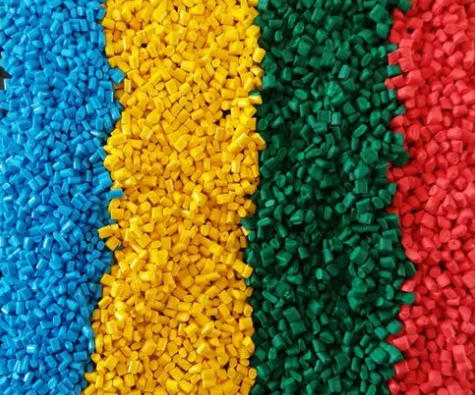
PA Masterbatch (Polyamide Masterbatch) is a concentrated mixture of pigments, additives, and polyamide resin, designed to color and modify thermoplastic materials. It is typically created by dispersing colorants or performance-enhancing agents into a carrier resin that matches the base polymer to ensure even distribution.
- Base Material: Mainly Nylon 6 or Nylon 66.
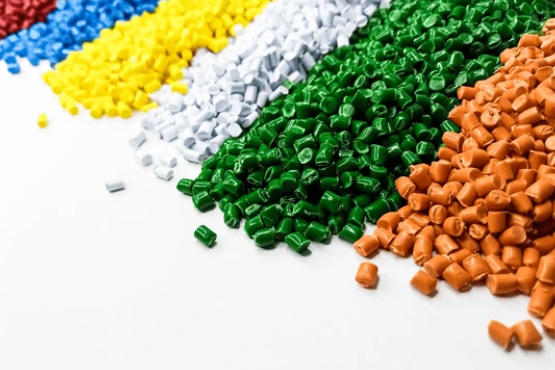
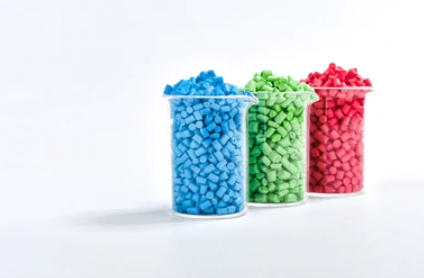
- Form: Granular pellets that integrate easily into polymer melt.
- Function: Provides stable color and enhances properties such as UV resistance, flame retardancy, or antistatic behavior.
Because it uses a polyamide carrier resin, the Masterbatch ensures excellent compatibility with PA-based engineering plastics—including fibers, automotive components, and electronic housing.
Color is not just a surface feature; it defines brand identity, aesthetics, and consumer appeal. In industrial applications, mismatched colors can cause product rejections, wasted material, and customer dissatisfaction.
- Brand consistency: Ensures uniform appearance across product batches.
- Compliance: Many industries have strict visual or safety color standards.
- Aesthetic appeal: Crucial for consumer-oriented goods and technical parts visible in assembly.
In the PA Masterbatch process, color accuracy is achieved through precise pigment blending and systematic quality control—both essential to guaranteeing repeatable results in injection molding, extrusion, or fiber spinning.
One of the primary benefits of using Masterbatch over raw pigments is dispersion quality. Pigments alone tend to agglomerate and cause streaking or uneven tones. When bound within a PA carrier, each pigment particle is finely distributed throughout the polymer, resulting in consistent coloration.
A Masterbatch provides a controlled ratio of pigment to carrier resin. Manufacturers can adjust let-down ratios (e.g., 2%-4%) to match specific opacity or brightness while maintaining process repeatability.
Polyamide resins often undergo high-temperature processing. The use of PA Masterbatch ensures pigments maintain stability and resist fading even under thermal stress.
The color formulation begins with analyzing hue, opacity, and heat resistance. Organic and inorganic pigments are chosen based on compatibility with PA resin and final product application.
Small-scale testing identifies the best pigment ratios. Using a color spectrophotometer, technicians create a base formula that matches the target shade within specific Delta-E tolerances.
Once the color is confirmed, pigments and additives are dispersed in the PA carrier resin via twin-screw extrusion. The resulting Masterbatch is tested for consistency in color strength, dispersion, and performance.
Before full-scale manufacturing, processing parameters such as temperature, pressure, and screw speed are adjusted to prevent discoloration or degradation.
1. Base Polymer Quality: Variance in molecular weight or moisture content affects color results.
2. Pigment Stability: Poor-quality pigments may fade or react under heat.
3. Processing Temperature: Overheating causes oxidation, altering final appearance.
4. Moisture Control: Nylon absorbs moisture; improper drying leads to uneven coloration.
5. Mixing Uniformity: Uneven dispersion of Masterbatch results in streaking or blotchy effects.
Consistent production requires strict monitoring of these factors to maintain high-quality outcomes.
In addition to colorants, Masterbatch often incorporates additives that enhance functional performance:
- UV Stabilizers: Prevent discoloration and degradation under sunlight.
- Antioxidants: Protect against heat-induced oxidation.
- Flame Retardants: Improve safety standards in electrical components.
- Anti-static Agents: Reduce dust attraction and static buildup.
- Lubricants: Improve flow and surface finish during molding.
These additives can be combined to produce multi-functional Masterbatches, giving manufacturers flexibility and cost efficiency.
Quality control determines the success of every PA Masterbatch formulation. Each batch undergoes extensive testing:
- Color Measurement: Using spectrophotometers to confirm Delta-E within tolerance.
- Heat Resistance Test: Verifying pigment durability at process temperatures up to 280°C.
- Dispersion Microscopy: Checking for uniform color distribution.
- Mechanical Property Evaluation: Ensuring the Masterbatch does not impair tensile or impact strength.
Automated testing systems and standardized protocols (ISO 9001, ASTM D629) help maintain repeatable performance for international customers.
Used for dashboards, interior components, and under-hood parts requiring heat and chemical resistance.
Enables the production of durable, color-stable housings for connectors, switches, and cables.
Applied in nylon fiber spinning to achieve long-lasting color without secondary dyeing.
Supports the production of gears, bearings, and mechanical parts that demand both strength and aesthetics.
Used in electrical appliances, sports equipment, or household tools to maintain vibrant colors over time.
As environmental awareness grows, the Masterbatch industry is shifting toward more sustainable solutions.
- Bio-based Polymers: Using bio-nylon or biodegradable carriers to reduce carbon footprint.
- Recycled Content Integration: Formulating Masterbatches that perform consistently with post-consumer recycled PA.
- Low-VOC Pigments: Developing eco-safe coloring agents with minimal volatile emissions.
- Closed-loop Manufacturing: Reusing offcuts and waste materials to reduce production losses.
Sustainable PA Masterbatch innovations not only benefit the environment but also appeal to eco-conscious customers worldwide.
- Calibrate Equipment Regularly: Ensure extruders and feeders operate uniformly.
- Pre-Dry the Polymer: Remove moisture before mixing with Masterbatch.
- Maintain Consistent Processing Conditions: Control melt temperature and screw speed.
- Follow Standard Color Matching Protocols: Use spectrophotometric verification.
- Work With Certified Suppliers: Reliable partners provide technical data and batch traceability.
Following these guidelines ensures every production run delivers stable, repeatable color performance.
PA Masterbatch stands at the intersection of material science and creative color engineering. It offers precision, reliability, and enhanced performance for industries requiring aesthetic control and mechanical excellence. Through scientific formulation, advanced dispersion methods, and rigorous quality control, manufacturers can achieve extraordinary color consistency and functional strength in nylon-based products.
Ultimately, a well-designed Masterbatch does more than deliver color—it builds brand reliability, product durability, and sustainable innovation for the future of polymer manufacturing.
Answer: PA Masterbatch uses a polyamide resin as its carrier, ensuring excellent compatibility with nylon-based products. In contrast, PE or PP Masterbatches are best suited for polyolefin systems.
Answer: PA resins absorb moisture easily, which can cause color variation and processing defects. Pre-drying eliminates water, ensuring consistent melt flow and color uniformity.
Answer: Although they share similar chemistry, their melting points differ. A tailored Masterbatch is recommended to achieve optimal dispersion and thermal stability.
Answer: The typical let-down ratio ranges from 2% to 5%, depending on desired color intensity and transparency requirements.
Answer: Yes. Many manufacturers now offer bio-based or recycled PA Masterbatches featuring low-VOC pigments and sustainable additives to support green manufacturing goals.


