


close
Choose Your Site
Global
Social Media


Views: 222 Author: Rebecca Publish Time: 2026-01-30 Origin: Site


Content Menu
● Understanding the Plastic Material Landscape
● The Mystery Behind "Delrow" Plastic
>> Possible Interpretations of Delrow:
● How Masterbatch Allows New Plastic Names to Emerge
>> Key Reasons for Custom-Named Plastics:
● Masterbatch in Advanced Plastic Customization
>> 1. Functional Performance Enhancement
>> 2. Color Precision and Consistency
>> 3. Sustainability and Recyclability
>> 4. Cost-Effective Material Engineering
● The Role of Chinese Manufacturers in Material Innovation
● How to Verify Unknown Plastic Materials
● Potential Applications of “Delrow”-Type Compounds
● Advantages of Choosing Masterbatch-Based Materials
● Industry Outlook: Future of Masterbatch-Centric Material Development
● FAQ
>> 1. What is Masterbatch used for?
>> 2. Is Delrow a real plastic material?
>> 3. How does Masterbatch improve plastic performance?
>> 4. Can Masterbatch be used with recycled plastics?
>> 5. How to source reliable Masterbatch materials?
In the modern plastics industry, new materials and trade names appear constantly. Some are the result of genuine innovation, while others emerge from mistaken references or brand-specific jargon. One name that occasionally appears in market inquiries or supplier discussions—especially online—is *Delrow*. But is *Delrow* really a plastic material? Or is it a common misnomer for another kind of polymer or composite blend, often customized with masterbatch additives?
This article explores the origins of the term *Delrow*, investigates its possible material category, and examines how Masterbatch technology influences modern plastic material development and customization across industries.
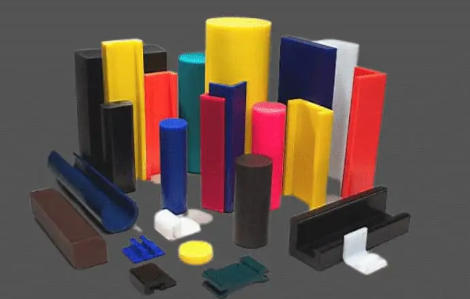
The world of plastics includes a massive range of chemical families, such as polyethylene (PE), polypropylene (PP), polycarbonate (PC), and acrylonitrile butadiene styrene (ABS). These polymers are the basis for almost every plastic product around us. Yet as manufacturers innovate, new blend names often arise, sometimes adopted as brand names rather than recognized polymer categories.
Before exploring *Delrow*, it's important to understand how modern plastics are classified:
- Commodity plastics: such as PP, PE, PVC, PS—used in packaging, containers, and household goods.
- Engineering plastics: such as PC, POM, PA, and ABS—offering stronger mechanical performance and heat resistance.
- High-performance plastics: including PEEK, PES, or fluoropolymers—used in aerospace, automotive, and electronics.
Amid these classifications, the role of Masterbatch becomes particularly important, as it allows customization without altering the base polymer's molecular structure.
Masterbatch is a concentrated mixture of pigments, additives, or fillers encapsulated into a carrier resin. When mixed with base polymer during the production process, it imparts specific properties or colors to the final plastic material. Essentially, masterbatches enable cost-effective, controlled, and uniform distribution of functional additives.
Common types of masterbatches include:
- Color Masterbatch: Provides consistent and vivid coloration in plastics.
- Additive Masterbatch: Introduces UV resistance, flame retardancy, or anti-static performance.
- Filler Masterbatch: Integrates minerals like calcium carbonate to improve stiffness or reduce cost.
- Functional Masterbatch: Delivers advanced properties such as anti-microbial or biodegradable effects.
Masterbatch technology lies at the core of new material innovation, including the development of hybrid or proprietary materials like the so-called *Delrow*.
Search results and trade discussions indicate that “Delrow” might not correspond to any officially recognized polymer type. Instead, *Delrow* seems to be a *brand-specific or misspelled* variation of certain plastic materials that originate from modified polymer compositions using masterbatch formulations.
In some industrial forums, “Delrow” has been mentioned alongside terms like *Delrin* (a DuPont acetal resin, POM material) or *Delron*. This similarity suggests that “Delrow” might be a phonetic variation or mistranslation of one of these existing engineering plastics.
1. Delrin Confusion: Delrin is a well-known acetal plastic with high stiffness and low friction. Non-English speakers or trade translations may mistakenly call it “Delrow.”
2. Custom Compound: Some local manufacturers in Asia might create proprietary blends customized with masterbatch pigments or performance enhancers and label them as *Delrow* to differentiate their products.
3. Marketing Label: The term could also represent a trade name for a company's in-house modified plastic series—especially common among custom compounding firms in China or Southeast Asia.
Therefore, *Delrow* is unlikely a standard global plastic type but may refer to a customized formulation developed with Masterbatch integration.
The *Delrow* term reflects a deeper phenomenon in the polymer sector—the rise of customized material branding. As customers demand more specialized performance, manufacturers increasingly use masterbatch combinations to create proprietary solutions. The resulting products often receive new names for marketing or differentiation purposes.
- Brand Distinction: Companies differentiate themselves with unique compound names, even if the base polymer is common.
- Targeted Applications: Masterbatch-modified plastics can meet niche performance needs (e.g., UV-stable outdoor parts or flame-retardant housings).
- Product Identity: New names help marketing and product positioning, especially in the export market.
Thus, while *Delrow* may not exist as a scientific polymer category, its usage demonstrates how masterbatch-driven formulations are reshaping material identification across the supply chain.
The flexibility offered by masterbatch formulations supports the continuous evolution of materials like *Delrow-style* compounds. Let's explore how masterbatches contribute to technical, aesthetic, and environmental advancements in plastics.
Through additive masterbatches, manufacturers can fine-tune properties like flame retardancy, weather resistance, anti-microbial function, or impact strength. For instance, a polypropylene base modified with flame-retardant masterbatch can meet UL94 standards without complete reformulation.
Color masterbatches allow plastic processors to achieve accurate hues and transparent shades efficiently. Compared to liquid coloring, masterbatches ensure clean dosing, minimal equipment staining, and reproducible results between production batches.
Eco-friendly masterbatches, including biodegradable additives and recycled fillers, promote the circular economy. By combining reprocessed PE or PP with eco masterbatch, manufacturers reduce carbon footprint while maintaining required mechanical properties.
Instead of developing a brand-new polymer from scratch, engineers can derive new performance traits through proper Masterbatch composition. This cost-efficient approach explains why proprietary materials (like *Delrow*) often appear as modified versions of existing polymers.
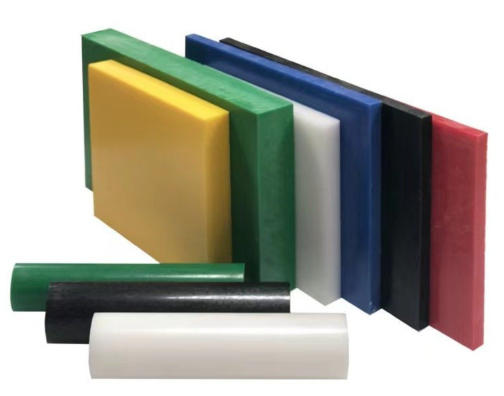
China has become a major hub for Masterbatch and plastic compound production, exporting to over 100 countries. Many Chinese manufacturers combine local raw materials with imported pigments or stabilizers to produce customized masterbatches for specific industry needs.
Through years of development, Chinese firms are also branding their formulations with catchy names—sometimes resulting in unconventional names like *Delrow* that attract international interest. Such brand-specific compounds often focus on sectors like:
- Appliance housings and electronic components.
- Packaging films and injection-molded parts.
- Automotive interior and exterior plastic products.
- Construction panels and pipe systems.
These enterprises offer flexible masterbatch-based customization, enabling global buyers to achieve performance parity with imported materials at competitive prices.
Whether you encounter *Delrow* or another unfamiliar brand name, follow a systematic approach to identify its true composition.
1. Request a Technical Data Sheet (TDS): The TDS should specify the base resin type, filler content, colorant, and mechanical data.
2. Ask for a Material Safety Data Sheet (MSDS): This reveals the chemical components and safety classifications of the compound.
3. Run a Laboratory Analysis: Infrared spectroscopy (FTIR) can identify the polymer structure and confirm whether it's based on PE, PP, POM, or another resin.
4. Consult an Experienced Supplier: Professional masterbatch producers can analyze samples and reproduce similar or superior materials based on customer needs.
This process ensures reliability and consistency when sourcing materials labeled under unfamiliar or nonstandard names like *Delrow*.
Assuming *Delrow* represents a masterbatch-based modified plastic compound, it likely serves in several application areas requiring custom mechanical or visual properties.
- Automotive components needing high impact resistance and UV stability.
- Electrical appliances requiring flame-retardant and thermal-resistant housings.
- Packaging materials where clarity, gloss, or opacity can be modified via color and filler masterbatch.
- Consumer goods products demanding unique aesthetic color effects or soft-touch finishes.
These applications mirror the widespread utility of customized Masterbatch systems across polymer industries.
Masterbatch-based plastic compounds, including those marketed under creative names like *Delrow*, provide several core advantages:
- Ease of Processing: Masterbatch granules disperse evenly, simplifying manufacturing.
- Superior Quality Control: Centralized compounding ensures uniformity across batches.
- Reduced Waste: Accurate dosing prevents material wastage and color variation.
- Performance Flexibility: Different masterbatch combinations can balance strength, cost, and appearance to fit specific requirements.
- Eco-efficiency: Many new masterbatches use bio-based or recycled carriers to support sustainability goals.
The future of plastics is shifting toward multifunctional, sustainable, and traceable materials. Advanced masterbatch formulations are fueling this transformation by introducing intelligent features like thermal regulation, color-changing effects under UV light, or biodegradable performance for short-life packaging.
With this trajectory, the emergence of brand-style materials like *Delrow* is expected to increase. Rather than standardizing around one polymer name, the market will continue encouraging local or proprietary blends optimized for regional needs.
As artificial intelligence, process automation, and digital material databases advance, Masterbatch will remain central to polymer innovation—enabling tailored solutions faster and more economically than ever before.
While *Delrow* is not a recognized scientific name for any standard polymer, it likely refers to a proprietary or localized plastic compound developed through Masterbatch modification. This reflects a common trend in today's plastics industry, where manufacturers create distinctive material blends and trade names to meet specific technical or aesthetic requirements.
Ultimately, the conversation around *Delrow* underlines the growing influence of masterbatch technology in shaping plastic innovation. Whether for functional optimization, branding, or cost-effective customization, masterbatches continue to form the backbone of material advancement—bridging performance with creativity in polymer engineering.
Answer: Masterbatch is used to introduce colorants, fillers, or additives into plastics, improving performance and aesthetics without altering the base polymer's structure.
Answer: No industry database or polymer classification recognizes *Delrow* as a distinct plastic. It may be a brand name or a mistranslation related to other polymers such as Delrin (POM).
Answer: Masterbatch enhances mechanical, thermal, and surface properties of plastics by uniformly dispersing performance additives and pigments within the polymer matrix.
Answer: Yes, modern masterbatch formulations are compatible with both virgin and recycled polymers, helping improve appearance and quality in sustainable applications.
Answer: Always verify suppliers' technical data sheets, conduct sample testing, and consult professional compounders with proven quality certification to ensure consistency and reliability.


