


close
Choose Your Site
Global
Social Media


Views: 222 Author: Rebecca Publish Time: 2025-12-09 Origin: Site


Content Menu
● What Is Resin In Materials Science?
● How Plastic Resin Is Produced
● Resin vs Plastic: Conceptual Difference
● Natural Resins vs Synthetic Plastic Resins
● Is Resin A Plastic Material In Practice?
● Key Families Of Plastic Resin
>> Polystyrene (PS) And Expanded Polystyrene (EPS)
>> Polyethylene Terephthalate (PET)
● The Central Role Of Masterbatch In Resin Engineering
● How Masterbatch Transforms Resin Into High‑Value Plastic
● Processing Behavior Of Resin And The Impact Of Masterbatch
● Masterbatch And Resin For Recycled And Eco‑Friendly Plastics
● Resin, Polymer, Plastic: Terminology For Engineers And Buyers
● Practical Answer: Is Resin A Plastic Material?
● FAQ
>> 1: Is resin always a plastic?
>> 2: What is the main difference between resin and plastic?
>> 3: How does Masterbatch relate to resin?
>> 4: Can the same resin be used for different products?
>> 5: How should a buyer specify resin and Masterbatch together?
Resin and plastic are closely related engineering materials, but they are not entirely identical. In modern polymer science and industry, resin usually means the raw polymer material, while plastic refers to the final shaped product that contains resin plus additives and a defined processing history. In practical purchasing and product‑design work, synthetic resins such as PE, PP, PVC, PS, PET, TPU and their Masterbatch modified versions are widely treated as plastic materials because they are intended to be melted, formed, and used as plastics in real applications.

In general materials terminology, resin describes a high‑molecular‑weight organic substance that may be natural or synthetic and is capable of forming a solid, often glassy or tough phase.
Natural resins include tree resins like rosin and amber, historically used for varnishes, adhesives, inks, and incense, while synthetic resins include epoxy, polyester, polyurethane, and a wide range of thermoplastic resins used for plastics and coatings. In modern plastics, when engineers talk about “resin,” they almost always mean synthetic polymer resin supplied as pellets or viscous liquids that are ready to be processed into films, molded parts, fibers, and other components.Resins are usually characterized by properties such as molecular weight distribution, melt flow index, glass transition temperature, and crystallinity.
These parameters strongly influence how the resin flows during processing and how the final plastic behaves in terms of stiffness, toughness, impact resistance, and thermal stability. Because of this, engineers and Masterbatch specialists pay close attention to resin type and grade when designing color and additive Masterbatch systems that must disperse correctly and deliver predictable performance.
Most synthetic plastic resins originate from petrochemical or bio‑based feedstocks that are converted into monomers, then polymerized into long‑chain molecules. Typical examples include ethylene (for polyethylene), propylene (for polypropylene), vinyl chloride (for PVC), styrene (for polystyrene), and ethylene glycol plus terephthalic acid (for PET). After polymerization, the molten polymer is usually extruded and cut into pellets that are easy to handle, ship, and store.
At this stage the material is known as plastic resin or polymer resin and may already contain a small number of basic stabilizers. However, many applications need additional performance, so the resin is often compounded with Masterbatch or other additives before or during the final converting process. This concept of “resin plus Masterbatch” allows material suppliers to keep the base resin relatively standard while giving converters enormous flexibility to tailor the final plastic properties.
The essential conceptual difference is that resin describes the unshaped, raw, polymer‑based material, while plastic describes the formed article that consumers and OEMs actually use. Resin is the starting point; plastic is the end result. Resin may come in pellets, powder, or viscous liquid form and is defined mostly by its chemistry and molecular structure. Plastic, in contrast, is defined by geometry, application, and performance in a specific use environment.Another way to describe this relationship is to say that plastic is resin plus additives plus process.
Additives can include colorants, stabilizers, flame retardants, antistatic agents, slip agents, fillers, and many other ingredients. The process can include injection molding, extrusion, blow molding, thermoforming, 3D printing, or other forming methods. In most cases, Masterbatch is the most practical vehicle for delivering many of these additives into the resin in a controlled and efficient way.
Natural resins are organic substances secreted by plants, especially trees, and have been used for centuries in traditional industries. They are often brittle solids at room temperature that soften upon heating and are soluble in certain organic solvents, making them suitable for varnishes and adhesives. Although they share the word “resin,” they are not the primary base for the vast majority of modern plastic products.
Synthetic plastic resins, on the other hand, are engineered polymers made through controlled chemical reactions. They can be thermosets, such as epoxy or phenolic resins that cure irreversibly, or thermoplastics, such as PE, PP, PVC, PS, and PET, which soften on heating and can be remelted. Thermoplastic resins are the main feedstock for plastic converters, and they form the core of most Masterbatch carrier systems used in color and additive engineering.
In strict scientific language, resin and plastic are not perfectly interchangeable terms. However, in industrial and commercial language, synthetic polymer resin used in plastics is widely regarded as a plastic material. When a buyer orders “PP resin,” the expectation is that this is a plastic‑grade polypropylene suitable for molding or extrusion into plastic parts. When a converter discusses “resin cost,” it is usually the cost of plastic resin that dominates the material price.
For this reason, a practical answer for most industrial users is: yes, plastic resins are plastic materials in their raw form, while “plastic” is the shaped product. The important thing is to be aware of context. In procurement, “resin” often focuses on base polymer selection and price. In product design and engineering, “plastic” refers to the full system: base resin, Masterbatch, fillers, and process parameters that together deliver the final part performance.
Polyethylene is one of the most widely used plastic resins worldwide, available in grades such as LDPE, LLDPE, and HDPE. LDPE and LLDPE are common in films and flexible packaging, while HDPE is used in blow‑molded bottles, pipes, crates, and many rigid containers. With PE, Masterbatch is commonly used to provide color, slip and antiblock properties, UV resistance for outdoor films, and processing aids that improve film clarity and line speed.
Polypropylene offers a balance of stiffness, chemical resistance, and relatively high heat resistance. It is widely used for automotive parts, household containers, caps and closures, nonwoven fabrics, and appliances. PP Masterbatch solutions can introduce nucleating agents for shorter cycle times, clarifyers for transparent containers, impact modifiers for tougher parts, and color Masterbatch to match brand palettes precisely.
PVC is known for its good flame resistance and versatility in both rigid and flexible forms. Typical applications include pipes, window profiles, cable insulation, and flooring. In PVC systems, Masterbatch and other additive packages can supply heat stabilizers, impact modifiers, flame retardants, and weathering stabilizers, ensuring long‑term performance under sunlight and electrical stress while controlling cost.
PS is a rigid, transparent resin often used for food packaging, disposable cutlery, and electronics housings, while EPS provides lightweight thermal insulation and protective packaging. Masterbatch for PS can control color, gloss or matte appearance, antistatic properties for electronics, and processing aids to reduce flow defects and surface streaks.
PET resin is essential for beverage bottles, food packaging trays, and synthetic fibers, where clarity, strength, and barrier properties are important. Masterbatch in PET systems is vital for bottle color (from clear to tinted to fully opaque), UV barrier to protect beverages, and reheat additives to improve bottle‑making efficiency in stretch blow molding processes. It can also help compensate for color variations when a high content of recycled PET (rPET) is used.
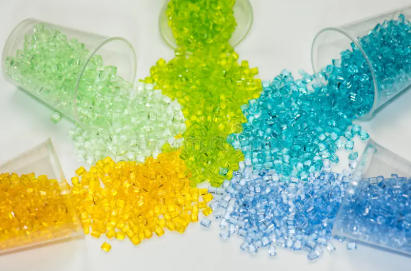
Masterbatch is a concentrated formulation of pigments and/or functional additives dispersed in a carrier resin compatible with the target base resin. Instead of handling pigment powders or multiple additives individually, processors use Masterbatch to simplify dosing, improve cleanliness, and ensure consistent dispersion. When the Masterbatch is mixed into the base resin at a specified let‑down ratio, the final plastic gains the desired color or performance without complicated blending on the production floor.From the point of view of resin engineering, Masterbatch is the key bridge between generic resin and application‑specific plastic. A PE or PP resin by itself may have good mechanical and processing properties but limited visual and functional differentiation. Once it is combined with color Masterbatch, UV Masterbatch, slip/antiblock Masterbatch, flame‑retardant Masterbatch, or anti‑fog Masterbatch, that same resin can serve many different markets, from agricultural film and food packaging to automotive interior trim.
Masterbatch allows one base resin to support a large portfolio of applications by tuning only the additive package. For example, a single grade of HDPE resin can be used for:- Milk bottles, with white or opaque color Masterbatch and food‑approved stabilizers. - Outdoor chemical containers, with UV‑stabilizer Masterbatch and specific color coding. - Household cleaning bottles, with impact‑modifier Masterbatch and glossy color Masterbatch. The same concept applies to PP, PET, TPU, and other resins. A converter can standardize on a limited number of resin families and then rely on Masterbatch to differentiate products, reduce inventory complexity, and respond faster to customer design changes. This is particularly attractive for a Chinese company focused on innovative plastic materials, because it can provide customized Masterbatch formulations that perfectly match each client’s resin, processing conditions, and end‑use environment.
Resin rheology—how the molten polymer flows—has a huge impact on cycle time, energy consumption, and part quality. Resin properties such as melt flow index, molecular weight distribution, and crystallization behavior determine whether the material fills molds easily, maintains dimensional stability, and avoids warpage. Masterbatch can be used to fine‑tune these behaviors without changing the base polymer.Processing‑aid Masterbatch for films and pipes reduces die build‑up, melt fracture, and surface defects, allowing higher extrusion speeds and smoother surfaces. Nucleating agents in Masterbatch for PP promote faster crystallization, enabling shorter cooling times and higher productivity in injection molding. Lubricant Masterbatch improves demolding, while antistatic Masterbatch reduces dust attraction on plastic surfaces. By blending appropriate Masterbatch into the resin, converters can optimize production and product quality simultaneously.
As sustainability becomes more important, manufacturers are increasing the use of recycled resins and bio‑based resins. However, recycled resin often has variable color, odor, and mechanical properties compared with virgin material. Masterbatch plays a crucial role here by compensating for these variations and enabling high‑quality products that still contain significant recycled content.Color Masterbatch can neutralize or mask the yellow or gray tint in recycled PE, PP, and PET, while additive Masterbatch can restore impact resistance, UV stability, and processing stability. This enables packaging, textiles, and consumer products that meet performance requirements while supporting circular‑economy targets. For bio‑based or compostable resins, customized Masterbatch systems must be carefully designed to remain compatible with environmental certifications, which requires deep understanding of resin chemistry and regulatory standards.
In technical documentation, polymer is the chemical term describing the long‑chain molecules formed from repeating monomer units. Resin is the commercial form of that polymer, usually supplied as pellets or liquids, and is the starting material for converters. Plastic is the final product—resin plus additives plus process—taking the form of bottles, films, parts, and components.For buyers, using precise terminology can prevent misunderstandings. When specifying a material, it is better to state the polymer family (for example PP‑random copolymer), the resin grade (with melt flow and other key data), and the Masterbatch requirements (color code, additive package, and let‑down ratio). This clarity helps Masterbatch suppliers design compatible systems and ensures that the final plastic meets mechanical, aesthetic, and regulatory requirements.
From a practical industry perspective, synthetic polymer resin such as PE, PP, PVC, PS, and PET is indeed treated as a plastic material in its raw form. It is a plastic‑grade resin, intended to be melted and converted into plastic parts. The word “resin” simply emphasizes that it is the feedstock, not yet shaped or fully formulated. Once it is combined with Masterbatch and any other additives, and then processed by molding or extrusion, the result is the plastic product that enters the market.Therefore, when global customers ask about plastic materials, they are usually referring to both the base resin and the associated Masterbatch solutions. A company specializing in innovative plastic materials can add value by understanding the full chain: selecting the right resin family, engineering the proper Masterbatch package, and advising customers on processing conditions that turn resin into reliable, high‑performance plastic components.
Resin and plastic are deeply connected stages of the same polymer system: resin is the high‑molecular raw material, while plastic is the shaped, additive‑modified material that users see and touch. Synthetic plastic resins such as PE, PP, PVC, PS, and PET are the essential building blocks of modern plastic products, and they can be considered plastic materials in their industrial context. The difference lies mainly in whether the material has been fully formulated and processed into its final form.Masterbatch is the critical technology that transforms generic resin into customized plastic, supplying color, stabilizers, and functional additives that align with each application’s mechanical, aesthetic, and regulatory needs. For global customers, thinking in terms of “resin plus Masterbatch” makes it easier to design optimized plastic solutions and to collaborate efficiently with a Chinese partner focused on innovative plastic materials and tailored Masterbatch systems.
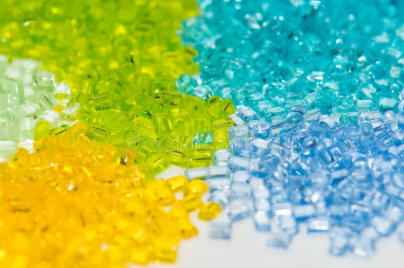
Resin is not always a plastic, because the term also includes natural resins like rosin and amber that are not used as modern structural plastics. However, when manufacturers talk about PE, PP, PVC, PS, PET, or TPU resin for molding or extrusion, they are referring to plastic‑grade resins that are indeed plastic materials in raw form.
The main difference is that resin is the raw polymer material, while plastic is the final, shaped material that includes resin plus additives and process history. Resin emphasizes chemistry and molecular structure, whereas plastic emphasizes application performance and product geometry.
Masterbatch is a concentrated mixture of pigments or functional additives formulated in a carrier resin compatible with the base resin. When blended into the base resin at a defined ratio, Masterbatch delivers color, UV resistance, flame retardancy, antistatic behavior, slip, or other functions, allowing one resin to serve many different applications.
Yes, the same base resin can be used for many different products by changing the Masterbatch and processing conditions. For example, one grade of HDPE resin can be used for milk bottles, chemical containers, and household packaging simply by adjusting color Masterbatch, stabilizer Masterbatch, and molding parameters.
A buyer should clearly state the polymer family and target resin grade, including key data such as melt flow index and regulatory requirements, and then define color and functional requirements that will be handled by Masterbatch. Sharing details about processing equipment and end‑use application helps the material supplier design a resin‑plus‑Masterbatch package that achieves stable performance, attractive appearance, and competitive cost.


