


close
Choose Your Site
Global
Social Media


Views: 222 Author: Rebecca Publish Time: 2025-12-02 Origin: Site


Content Menu
● Understanding Polypropylene as a Plastic
● Polypropylene in the Polyolefin Family
● Key Material Properties of Polypropylene
● Types and Grades of Polypropylene
● Polypropylene vs. Other Common Plastics
● Processing and Manufacturing of Polypropylene
● The Central Role of Masterbatch in Polypropylene
● Industrial Applications of Polypropylene and Masterbatch Solutions
● Sustainability, Recycling, and Future Trends
● FAQ
>> 1. Is polypropylene a safe plastic for food contact?
>> 2. Why is masterbatch preferred over direct pigment addition in PP?
>> 3. Can recycled polypropylene still use masterbatch?
>> 4. What is the difference between PP homopolymer and copolymer in applications?
>> 5. How does UV masterbatch help polypropylene used outdoors?
Polypropylene is a widely used thermoplastic polymer and is absolutely considered a plastic material. It belongs to the polyolefin family and is valued for its low density, good mechanical strength, and excellent chemical resistance, making it one of the most important plastics in modern manufacturing. As a Chinese enterprise specializing in innovative plastic material R&D, production, and sales, polypropylene and polypropylene-based masterbatch are at the core of many of the customized solutions provided to global customers.[1][6][8]

Polypropylene (PP) is a synthetic, man‑made thermoplastic produced from the monomer propylene through chain‑growth polymerization. It is partially crystalline and partially amorphous, which gives it a unique balance of stiffness, toughness, and processability compared with many other plastics. Because it softens when heated and hardens when cooled without significant degradation, polypropylene can be repeatedly melted and reshaped, which is the defining behavior of a thermoplastic plastic material.[2][5][6]
In pure form, polypropylene is generally a white or translucent solid, but in commercial use it is almost always combined with masterbatch to achieve specific colors and performance characteristics. Through controlled polymerization and additive design, PP can be tailored to be rigid or flexible, opaque or transparent, and suitable for applications ranging from thin films to thick injection‑molded parts.[5][1]
Polypropylene belongs to the polyolefin family along with polyethylene (PE), a group of plastics derived from simple olefin monomers such as ethylene and propylene. Within this family, PP stands out for higher heat resistance and stiffness compared with most grades of PE, while still maintaining a relatively low density. This combination makes polypropylene particularly suitable for applications where weight reduction and durability are both critical, such as automotive components and lightweight packaging.[3][8][1]
Masterbatch technology further differentiates polypropylene from other polyolefins in practical use. By using PP‑based carrier resins in masterbatch, additive systems can be perfectly compatible with the polypropylene matrix, giving stable mechanical and optical properties even at high additive loadings.[9][10]
Polypropylene is recognized for several core material properties that explain why it is one of the most widely used plastics in the world. Its density is around 0.90–0.91 g/cm³, making it lighter than many other commodity plastics while still providing good mechanical strength. This low density translates directly into weight savings and material efficiency for manufacturers who choose polypropylene over heavier plastics or traditional materials like metal or glass.[6][7][2]
Mechanically, polypropylene offers good tensile strength, flexural strength, and fatigue resistance, allowing it to withstand repeated bending and stress without cracking. Its relatively high melting temperature for a commodity plastic, typically in the range of about 130–170°C depending on grade, gives polypropylene better heat tolerance than many other common plastics in everyday use. PP also absorbs very little moisture, preserving dimensional stability and mechanical properties in humid or wet environments.[2][6]
From a chemical standpoint, polypropylene resists attack from many acids, bases, and solvents, which is why it is favored for chemical containers, tanks, and piping systems. These baseline properties form the foundation, while masterbatch is then used to extend performance into new areas such as UV resistance, flame retardancy, or enhanced impact strength.[7][9]
Commercial polypropylene is available in multiple main types, each optimized for different performance requirements. Polypropylene homopolymer (PPH) consists only of propylene units and is the most commonly used grade, offering high stiffness, good chemical resistance, and a relatively high melting point. Homopolymer PP is widely applied in packaging, fibers, pipes, sheets, and general‑purpose injection‑molded parts where rigidity and strength are essential.[1][2]
Polypropylene copolymers introduce other monomers such as ethylene into the chain to modify properties. Random copolymer PP contains small amounts of comonomer randomly distributed along the chain, improving clarity and impact resistance, which is ideal for transparent or translucent packaging and medical components. Impact copolymer (block copolymer) PP has segments of ethylene‑rich chains that significantly enhance low‑temperature impact strength, making it suitable for automotive parts, crates, and durable housings.[6][1]
Specialty grades include high melt strength (HMS) polypropylene, which has long‑chain branching that improves foaming and thermoforming performance, and biaxially oriented polypropylene (BOPP) film, which is stretched in two directions to deliver high tensile strength, gloss, and barrier performance for advanced packaging films. For each of these grades, dedicated masterbatch formulations are used to maintain processability and end‑use properties, such as slip additives for films or nucleating agents for faster crystallization.[9][1]
When compared to other major plastics, polypropylene offers a distinct balance of performance, cost, and processability. Against polyethylene, PP generally provides higher stiffness, improved heat resistance, and better fatigue performance, which is why it is commonly chosen for living hinges, automotive components, and reusable containers. While PE may have slightly better low‑temperature impact resistance, polypropylene often wins in applications requiring shape stability at elevated temperatures, such as hot‑fill packaging.[1][2]
Compared with polyethylene terephthalate (PET), polypropylene has superior moisture barrier properties but lower gas barrier performance, meaning it is excellent for products where water protection is critical but may not be ideal for high‑carbonation beverage bottles. In addition, PP can be hot‑filled at higher temperatures than many PET grades in certain packaging systems. Relative to engineering plastics like polycarbonate or ABS, polypropylene is more economical and lighter, though those materials may provide higher stiffness and temperature resistance; masterbatch and filled PP compounds can, however, partially close this performance gap in many cost‑sensitive markets.[6][1]
Polypropylene is produced at industrial scale by polymerizing propylene gas in the presence of catalysts such as Ziegler–Natta or metallocene systems under carefully controlled conditions. The polymer is then pelletized into granules that can be used in a wide range of transformation processes including injection molding, extrusion, blow molding, and thermoforming. Each processing route requires specific melt flow characteristics, which are controlled through molecular weight and molecular weight distribution during polymerization.[4][8][1]
In injection molding, polypropylene's relatively low melt viscosity and favorable melt flow rate allow it to fill complex, thin‑walled molds efficiently, producing parts with fine detail and good surface finish. In extrusion and film blowing, PP can be processed into pipes, profiles, sheets, and films with consistent thickness and mechanical performance. At each of these stages, masterbatch is the preferred way to incorporate colorants, stabilizers, and functional additives, because it disperses rapidly in the molten polypropylene and minimizes batch‑to‑batch variation.[4][2][9]
Shrinkage, crystallization rate, and cooling conditions significantly affect the final dimensions and appearance of polypropylene parts. Optimizing processing parameters together with the correct choice of masterbatch—for example, nucleating masterbatch for faster crystallization or process‑aid masterbatch for smoother surface—helps manufacturers achieve higher productivity and better quality with polypropylene components.[10][4]
Masterbatch is a highly concentrated mixture of pigments and/or additives that is dispersed in a carrier resin, often polypropylene itself when used for PP applications. Instead of adding powders or liquids directly, processors dose masterbatch pellets into the polypropylene processing line, achieving clean handling, accurate metering, and excellent dispersion in the final plastic. This approach allows fine control of color, UV stability, flame retardancy, anti‑static behavior, anti‑fog properties, and many other functions without compromising base resin performance.[10][9]
Color masterbatch is widely used in polypropylene packaging, consumer goods, and automotive interiors to achieve consistent shades and branding effects. White and black masterbatch, typically formulated with titanium dioxide or carbon black, offer opacity, coverage, and improved UV resistance, making them indispensable for films, pipes, and outdoor parts. For applications where cost reduction and stiffness are priorities, filler masterbatch containing mineral powders like calcium carbonate or talc is incorporated into polypropylene, lowering resin consumption while maintaining acceptable mechanical properties.[9][10]
Functional masterbatch extends polypropylene into specialized fields by integrating additives such as antioxidants, UV stabilizers, flame retardants, slip agents, anti‑blocking agents, and anti‑microbial ingredients. For example, UV masterbatch protects outdoor polypropylene products from embrittlement and color fading, while flame‑retardant masterbatch helps meet fire safety standards in construction and electrical components. Carefully matching masterbatch chemistry with polypropylene grade and processing conditions is critical to avoid issues such as additive migration, poor adhesion, or reduced impact strength.[11][9]
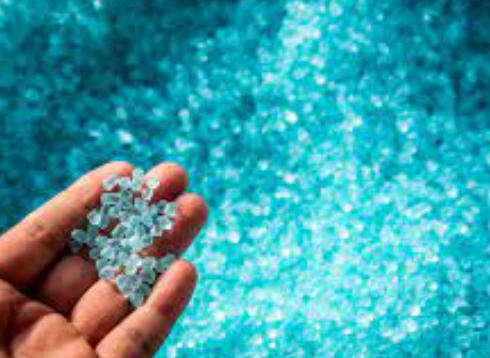
Polypropylene's combination of light weight, chemical resistance, and competitive cost has made it indispensable in packaging. Rigid PP containers, caps, and closures are used for food, beverages, pharmaceuticals, and household chemicals, where tailored color masterbatch, clarifying masterbatch, and barrier‑enhancing masterbatch deliver the desired shelf appeal and performance. Flexible polypropylene films, including BOPP films, rely on masterbatch to achieve slip control, printability, and anti‑fog behavior in snack, confectionery, and fresh‑produce packaging.[3][1]
In the automotive sector, polypropylene is used for bumpers, door panels, interior trims, battery cases, and under‑the‑hood components. Impact copolymer PP with filler masterbatch and reinforcement additives provides the stiffness and impact strength needed for demanding mechanical applications while keeping weight and cost under control. Color and UV masterbatch ensure that interior and exterior components maintain an attractive appearance over years of exposure to sunlight and temperature cycling.[3][1][9]
Medical and healthcare products such as syringes, laboratory ware, and sterile packaging depend on medical‑grade polypropylene for its biocompatibility, chemical resistance, and ability to withstand steam or gamma sterilization. In these applications, carefully designed masterbatch systems are used to provide color‑coding, radiation resistance, or anti‑microbial performance without compromising regulatory compliance. In infrastructure and industrial sectors, PP pipes, fittings, chemical tanks, and filter housings use additive masterbatch to extend service life in aggressive media and to meet safety and quality standards.[5][7][3]
Polypropylene is fully recyclable and can be reprocessed multiple times into new products, making it an important material in circular‑economy strategies. Mechanical recycling of PP waste into re‑granulate is already common in packaging and automotive industries, with masterbatch used to restore color, mask impurities, and rebalance mechanical properties in recycled streams. As regulations and brand commitments to sustainability tighten globally, demand is growing for polypropylene masterbatch systems optimized for high‑recycled‑content products.[2][6]
Advanced R&D is focusing on improving the recyclability and environmental profile of polypropylene through better sorting, compatibilizers, and more sustainable additive chemistries. Developments in bio‑based and low‑VOC masterbatch formulations are helping reduce the overall environmental footprint while maintaining the performance required in demanding applications. Looking ahead, polypropylene combined with smart masterbatch—such as systems that enable traceability or condition monitoring—will support more intelligent and efficient product lifecycles across industries.[12][6]
As a Chinese enterprise dedicated to innovative plastic materials, integrating high‑performance polypropylene with advanced masterbatch technologies makes it possible to deliver precisely tuned solutions for customers in packaging, automotive, medical, consumer goods, and industrial sectors worldwide. Through continuous investment in formulation design, processing optimization, and sustainability, polypropylene will remain a leading plastic material in the global market for many years to come.[13][6]
Polypropylene is unequivocally a plastic material and one of the most important thermoplastics in use today, combining low density, good mechanical strength, and robust chemical resistance. Its versatility is further expanded by the use of masterbatch, which allows manufacturers to tailor color, performance, and processing characteristics with high precision. For global customers seeking customized polypropylene solutions, the integration of advanced masterbatch systems ensures high‑value, application‑specific materials that meet strict technical and regulatory requirements while supporting long‑term sustainability goals.[8][1][9]
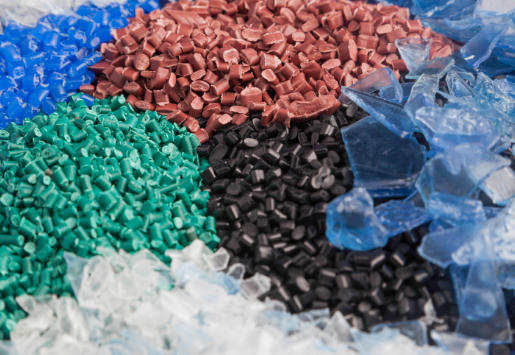
Polypropylene is widely used for food containers, caps, and packaging because many grades are approved for food contact and show low migration of constituents under normal use. As with any plastic, safety depends on the specific formulation, so additives and masterbatch systems must be chosen to comply with relevant FDA, EU, or local regulations.[14][5]
Masterbatch offers cleaner handling, more accurate dosing, and better dispersion of pigments and additives in the polypropylene melt than direct powder addition. This results in more consistent color, stable mechanical properties, and reduced risk of contamination or processing problems in industrial production.[10][9]
Yes, recycled polypropylene commonly uses masterbatch to restore color, adjust mechanical properties, and improve processing behavior. Specially formulated masterbatch can help compensate for degradation in the recycled PP stream and mask impurities to achieve acceptable appearance and performance.[12][6]
PP homopolymer offers higher stiffness and a higher melting point, making it suitable for rigid parts, pipes, and many general‑purpose components. PP copolymer, especially impact copolymer, provides better impact resistance and toughness at low temperatures, so it is favored for automotive parts, crates, and applications where shock loading is common.[1][6]
UV masterbatch contains stabilizers that absorb or neutralize harmful ultraviolet radiation, slowing the degradation of polypropylene chains and preventing embrittlement and discoloration. By adding the correct level of UV masterbatch, outdoor PP products such as garden furniture, agricultural films, and exterior car components can maintain their properties and appearance for much longer service life.[11][9]
[1](https://www.specialchem.com/plastics/guide/polypropylene-pp-plastic)
[2](https://www.essentracomponents.com/en-us/news/manufacturing/injection-molding/everything-you-need-to-know-about-pp-plastic)
[3](https://www.protolabs.com/materials/polypropylene/)
[4](https://www.ineos.com/globalassets/ineos-group/businesses/ineos-olefins-and-polymers-usa/products/technical-information--patents/ineos_polypropylene_processing_guide.pdf)
[5](https://www.ntotank.com/blog/what-is-polypropylene)
[6](https://www.aprios.com/insights/polypropylene-pp-a-versatile-and-durable-material-for-manufacturing)
[7](https://www.marlinwire.com/blog/7-need-to-know-polypropylene-material-properties)
[8](https://en.wikipedia.org/wiki/Polypropylene)
[9](https://www.icib.co/en/news/what-is-polypropylene-masterbatch-pp-masterbatch-and-what-are-its-applications)
[10](https://www.charmingmb.com/2025/10/23/what-is-pp-masterbatch/)
[11](https://www.kerkeextruder.com/masterbatch-production/pp-masterbatch/)
[12](https://pmc.ncbi.nlm.nih.gov/articles/PMC10761633/)
[13](https://www.weprofab.com/polypropylene-sheet/)
[14](https://www.webmd.com/a-to-z-guides/what-to-know-about-the-toxicity-of-polypropylene)


