


close
Choose Your Site
Global
Social Media


Views: 222 Author: Rebecca Publish Time: 2026-01-30 Origin: Site


Content Menu
● Understanding Plastic as a Material
>> The Basic Composition of Plastic
● Why Plastics Are Good Insulators
● The Role of Masterbatch in Plastic Insulation
>> Types of Masterbatch Used in Insulating Plastics
● Industrial Applications of Plastic Insulators
>> Electronics and Electrical Engineering
>> Automotive and Transportation
>> Household and Consumer Applications
● Factors Influencing Plastic Insulation Efficiency
● Advantages of Using Plastic as an Insulator
● Environmental Considerations
● Future Trends in Plastic Insulation
● FAQ
>> 1. What makes plastic an effective electrical insulator?
>> 2. How does Masterbatch improve insulation properties?
>> 3. Can all plastics be used as insulators?
>> 4. Are insulated plastics environmentally friendly?
>> 5. What industries benefit most from plastic insulation?
Plastics have become one of the most essential materials in modern life, used in everything from electronics and construction to automotive and medical applications. Among their many advantages, one of the most important properties of plastic material is its insulating capability. But what makes plastic a good insulator? And how do additives such as Masterbatch influence its performance?
This article will deeply explore the science, functionality, and application of plastics as electrical and thermal insulators, with a special focus on the vital role of Masterbatch in enhancing plastic properties.

Plastics are synthetic polymers primarily composed of carbon and hydrogen atoms, often combined with oxygen, nitrogen, chlorine, or sulfur. Their molecular structure typically features long, repeating chains that make them lightweight yet strong. Since these polymers lack free electrons, they resist the flow of electric current, making them natural electrical insulators.
There are two main categories of plastics:
- Thermoplastics, such as polyethylene (PE), polypropylene (PP), and polyvinyl chloride (PVC), can be melted and reshaped multiple times.
- Thermosetting plastics, such as epoxy resins and melamine formaldehyde, form permanent hard structures once cured.
Each type offers varying degrees of insulation and can be modified through the use of Masterbatch to meet specific performance requirements.
The insulating property of plastic originates from its chemical bonding and molecular structure. Unlike metals, plastics do not have delocalized electrons that can move freely. This lack of electron mobility prevents heat and electricity conduction.
Plastics are prized in electrical applications because they resist the flow of current. For example, electric wiring, cable coatings, and switch housings are often made of PVC or PE. These materials provide a safe, non-conductive barrier that prevents electric shock or short circuits.
By incorporating a Masterbatch into the plastic compound, manufacturers can improve electrical resistance or add flame retardancy, UV protection, or anti-static properties to suit demanding environments.
Thermally, plastic materials exhibit low heat conductivity compared to metals or ceramics. This makes them ideal for use in:
- Building insulation panels
- Refrigerator linings
- Automotive components to reduce heat transfer
The addition of Masterbatch can further enhance thermal stability and mechanical durability, ensuring consistent insulation performance under fluctuating temperatures.
Masterbatch is a concentrated mixture of pigments, additives, and carrier resins used to color plastics or modify their properties. It allows precise control over functional characteristics without altering the base polymer excessively. For insulation materials, the right Masterbatch can significantly enhance dielectric strength, thermal stability, and environmental resistance.
1. Color Masterbatch – Adds desired pigmentation for identification or UV resistance.
2. Additive Masterbatch – Enhances physical or chemical properties like flame retardancy or anti-static performance.
3. Filler Masterbatch – Reduces cost and can improve stiffness or dimensional stability.
4. Carbon Black Masterbatch – Widely used for electrical insulation and UV protection due to its unique conductive-structure control.
For insulation-focused applications, additive Masterbatch formulations are particularly vital in tailoring heat deflection, chemical resistance, and moisture absorption characteristics.
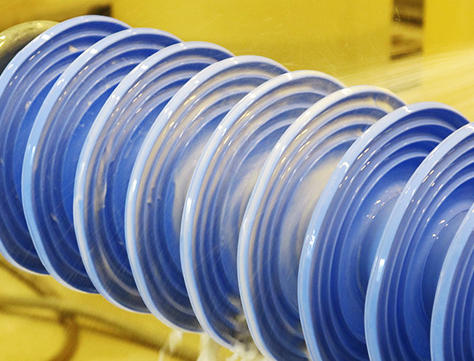
Plastics dominate the electronics industry because of their superior insulation and versatility. Common examples include:
- Cable sheathing
- Circuit board components
- Insulated housings for devices
Manufacturers often use PVC Masterbatch blends to improve dielectric strength and durability under load.
In construction, insulating plastics help enhance energy efficiency and comfort. Expanded polystyrene (EPS), polyurethane foam, and PVC boards are common insulation materials. Masterbatch-modified formulations provide better weather resistance and extended service life.
In vehicles, plastic insulators reduce weight and manage temperature within engine compartments or electric vehicles' battery systems. Flame-retardant Masterbatch ensures that these parts maintain safety standards while offering superior performance.
Appliances, cookware handles, and tools often rely on plastic insulation to prevent burns and electric shocks. High-precision Masterbatch formulations help manufacturers maintain consistent color, strength, and insulation quality.
Several factors affect how effectively plastic acts as an insulator:
- Material Type: Polymers like polycarbonate or PVC perform differently under various conditions.
- Additive Content: The ratio and type of Masterbatch additives determine resistance, flexibility, and heat transfer.
- Environmental Conditions: Humidity and temperature exposure can slightly alter electrical and thermal conductivity.
- Processing Technique: Injection molding or extrusion conditions influence polymer bonding and density, affecting insulation value.
Through careful control of these factors, engineers can produce high-performance insulating plastics tailored to specific uses.
1. Lightweight: Reduces total product weight while maintaining strength.
2. Cost-efficient: Easier to manufacture at scale compared to metals or ceramics.
3. Corrosion-resistant: Ideal for outdoor or chemical exposure applications.
4. Customizable: Addition of Masterbatch allows property enhancement without compromising quality.
5. Electrical and Thermal Safety: Naturally non-conductive materials enhance safety and reliability.
While plastics offer exceptional insulation performance, environmental challenges such as recycling and waste management must be addressed. Modern innovations in biodegradable plastics and recycled Masterbatch solutions provide sustainable alternatives. These developments allow companies to maintain insulation efficiency while reducing ecological impact.
As industries push toward higher efficiency and sustainability, polymer science continues to evolve. Future trends include:
- Smart Masterbatch formulations that respond to temperature or voltage changes.
- Nanocomposite Masterbatch for ultra-high insulation and strength.
- Recycled or bio-based plastics for greener product development.
These advancements will further solidify the role of plastics as indispensable insulating materials across various industries.
Plastics are indeed excellent insulators, both electrically and thermally, due to their molecular structure that restricts electron and heat flow. By customizing formulations with Masterbatch, manufacturers can tailor insulation performance, color stability, and durability to meet diverse industrial needs. As polymer innovation continues, plastic insulation materials are expected to become even more efficient, sustainable, and multifunctional, powering the progress of technology and infrastructure worldwide.
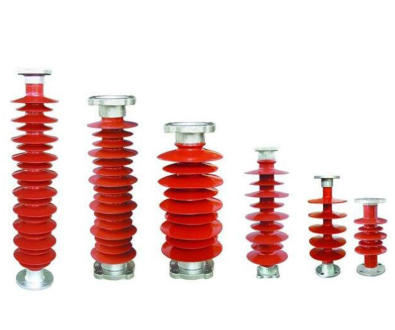
Plastic lacks free electrons, preventing electric current flow. Its polymer chains create a stable structure that resists conductivity, making it ideal for wire coatings and electronic parts.
Masterbatch allows precise addition of additives that enhance flame resistance, dielectric strength, UV stability, or thermal endurance—without altering the polymer's base composition.
Most plastics act as insulators, but their effectiveness varies. Materials like PVC, PE, and PTFE offer excellent insulation, while others may require Masterbatch modification for better performance.
While traditional plastics pose recycling challenges, the use of recycled or biodegradable Masterbatch can improve sustainability and reduce ecological impact.
Electronics, construction, automotive, and consumer goods industries all benefit due to plastic's versatility, durability, and customizable insulating properties.


