


close
Choose Your Site
Global
Social Media


Views: 222 Author: Rebecca Publish Time: 2025-12-02 Origin: Site


Content Menu
● Main Types of Nylon Plastics
● Core Properties of Nylon Plastics
>> Thermal and Chemical Properties
>> Moisture Behavior and Dimensional Stability
● Typical Applications of Nylon Plastics
● Why Masterbatch Is Essential For Nylon
>> Color Masterbatch For Nylon
>> Additive Masterbatch For Functional Performance
>> Masterbatch And Recycled Nylon
● How Nylon Compares To Other Plastics
● Design and Processing Considerations For Nylon With Masterbatch
● FAQ
>> 1. Is nylon always classified as a plastic?
>> 2. What is the role of masterbatch in nylon production?
>> 3. Does using masterbatch change the strength of nylon?
>> 4. Can nylon with masterbatch be recycled?
>> 5. How should nylon be dried and processed when using masterbatch?
Nylon is indeed a plastic material, more specifically a family of synthetic thermoplastic polyamides widely used as engineering plastics in demanding applications. As a polymer that can be melted, shaped, and re-melted, nylon combines the advantages of conventional plastics with mechanical performance that can replace metals in many parts. This article explains what nylon is, why it is considered a plastic, its main properties and applications, and how masterbatch technology helps customize nylon solutions for modern industries.[3][5][11]
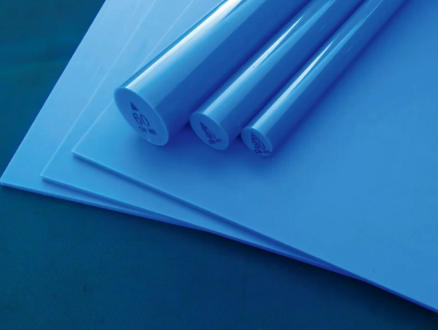
Nylon belongs to the polyamide (PA) family, which consists of long chains of repeating units connected by amide bonds. Like other thermoplastic plastics, nylon softens and melts when heated and solidifies again when cooled, without undergoing a fundamental chemical change. This thermoplastic behavior allows nylon to be processed by injection molding, extrusion, blow molding, and 3D printing just like other plastic materials.[2][4][5][7][12][3]
From an engineering point of view, nylon is categorized as a high-performance plastic because of its combination of strength, toughness, and heat resistance. It is semi‑crystalline, meaning its molecular structure contains both ordered crystalline regions and disordered amorphous regions, which together give nylon its stiffness, strength, and controlled flexibility. This structural nature clearly distinguishes nylon from elastomeric rubbers, which are highly elastic and not generally classified as engineering plastics.[6][13][2][3]
Nylon is produced through condensation polymerization, where specific monomers react to form long polymer chains while releasing small molecules such as water. For nylon 6,6, the key monomers are adipic acid and hexamethylenediamine, which first form a “nylon salt” before being polymerized at high temperatures into long polyamide chains. Nylon 6, by contrast, is created from caprolactam, a single monomer that opens and links into a chain during polymerization.[4][7][8][12]
After polymerization, the molten nylon is extruded into strands, cooled, and cut into pellets that are used as feedstock for further processing. These pellets can then be combined with color or additive masterbatch and processed by injection molding, extrusion, filament spinning, or 3D printing to form finished nylon products. This pellet-based processing route is typical for many thermoplastic plastics and underscores nylon's nature as a plastic material.[5][7][2][3][4]
There are many grades of nylon, but several families dominate industrial use.[2][4]
- Nylon 6 (PA6): Offers excellent toughness, good chemical resistance, and easy processability, widely used in automotive components, textiles, and industrial machine parts.[8][4]
- Nylon 6,6 (PA66): Provides higher heat resistance and stiffness than nylon 6, making it suitable for structural components, gears, and high‑temperature applications.[8][2]
- Nylon 4,6 (PA4,6): Designed for enhanced heat and chemical resistance, often used under the hood in vehicles and in high‑temperature industrial parts.[4][2]
- Nylon 11 and Nylon 12 (PA11, PA12): Specialty nylons with low moisture absorption, excellent flexibility, and high impact and chemical resistance, often used in fuel lines, pneumatic tubing, and flexible pipes.[5][4]
Each type of nylon can also be modified with fillers such as glass fibers or lubricating additives to further enhance specific properties. Many of these modified grades are supplied using masterbatch technology to introduce color or functions into the nylon base resin efficiently.[14][15][3][6]
Nylon exhibits high tensile strength, toughness, and abrasion resistance compared to many commodity plastics. This strength can be further increased by adding glass fiber, allowing certain nylon composites to approach or surpass light metal alloys in specific applications. The material also maintains good impact resistance, especially in flexible grades such as PA11, making it suitable for dynamic and load‑bearing parts.[7][3][6][4][5]
Nylon has relatively high melting points, with nylon 6,6 melting around 252 °C and nylon 6 around 215 °C, which supports use in moderately high‑temperature environments. Heat‑stabilized masterbatch formulations can further extend nylon's long‑term service temperature window in demanding conditions. Chemically, nylon is resistant to many oils, greases, and solvents, which is why it is chosen for automotive, mechanical, and chemical‑processing components.[15][3][6][7][14]
A notable feature of nylon is its tendency to absorb moisture from the environment, which affects dimensions and mechanical properties. Water uptake can increase flexibility and toughness but may reduce stiffness and impact tight tolerances, which designers must account for in wet or humid service conditions. Certain grades like PA11 and PA12 show lower moisture absorption, and specific masterbatch additives can help manage moisture sensitivity in applications requiring dimensional stability.[3][15][5]
Because of its performance profile, nylon is used in both consumer products and high‑end engineering applications.[7][3]
- Automotive and Transportation: Intake manifolds, fuel system parts, under‑the‑hood brackets, and cable ties leverage nylon's heat resistance, strength, and chemical resistance.[2][4]
- Mechanical Components: Gears, bearings, bushings, rollers, and sprockets exploit nylon's wear resistance and ability to operate with reduced external lubrication.[6][3]
- Electrical and Electronics: Connectors, housings, and circuit board supports benefit from nylon's insulating properties, dimensional stability, and flame‑retardant masterbatch options.[16][3]
- Textiles and Consumer Goods: Fibers for clothing, ropes, fishing lines, zippers, and toothbrush bristles rely on nylon's combination of strength, light weight, and abrasion resistance.[4][7]
- 3D Printing and Prototyping: Nylon powders and filaments are popular for functional prototypes and end‑use parts due to durability and fatigue resistance.[9][5]
In all of these segments, masterbatch solutions are used to color nylon, stabilize it against heat and UV light, or add anti‑static and flame‑retardant functions, enabling highly differentiated product designs.[14][15]
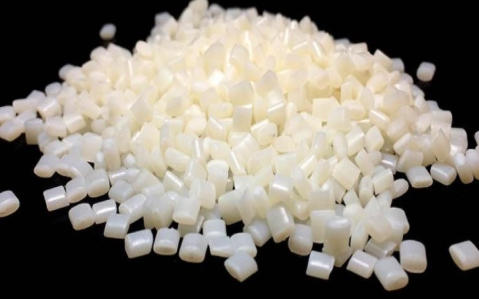
Masterbatch is a concentrated mixture of pigments and/or additives encapsulated in a carrier resin, usually compatible with the target polymer. In nylon applications, masterbatch technology provides a flexible and cost‑effective way to customize material performance without the complexity of full compounding at every production site.[17][18][19][15]
Color masterbatch for nylon contains high loadings of pigments or dyes dispersed in a compatible polyamide carrier. During processing, a controlled dosage of masterbatch pellets is blended with base nylon pellets to produce consistently colored parts. This approach simplifies inventory management—manufacturers can stock natural nylon plus a portfolio of color masterbatch grades rather than many pre‑colored resins.[18][20][21][15][14]
For global OEMs seeking strict brand color consistency, masterbatch technology allows precise color matching and easy adjustment across different production lines and regions. It also offers flexibility for small‑lot or special‑edition colors, since the same base nylon can support multiple color masterbatch options without changing the base formulation.[21][22][23][18]
Additive masterbatch products are designed to introduce non‑color functionalities to nylon without complex formulation work at the processing machine. Typical additive masterbatch solutions for nylon include:[15][14]
- UV stabilizer masterbatch: Protects outdoor nylon components, such as cable ties, automotive exterior clips, and agricultural parts, from degradation under sunlight.[14][15]
- Heat stabilizer masterbatch: Extends the service life of nylon parts in high‑temperature environments, especially under‑the‑hood automotive components.[24][15]
- Lubricating and slip masterbatch: Reduces surface friction and improves wear performance in sliding components like gears and bushings.[20][24]
- Flame‑retardant and anti‑drip masterbatch: Enables nylon components to meet stringent fire safety standards in electrical, transportation, and building applications.[18][14]
- Anti‑static masterbatch: Controls static electricity in nylon films, fibers, and parts used in electronics or dust‑sensitive environments.[15][14]
Using masterbatch, processors can fine‑tune the balance between cost, mechanical performance, and regulatory compliance, without changing the core nylon grade. This modular approach aligns well with modern lean manufacturing and global supply chain strategies.[18][15]
The increasing focus on sustainability has brought more attention to recycled nylon streams from industrial scrap and post‑consumer products. Color and additive masterbatch allow recyclers and converters to compensate for variations in color, mechanical properties, and stability in recycled nylon. For example, masterbatch can reintroduce UV stabilizers, impact modifiers, or process aids, making recycled nylon competitive with virgin material in many applications.[25][24][15][18]
By enabling more consistent quality in recycled nylon applications, masterbatch contributes to circular economy initiatives and helps reduce the environmental footprint of nylon‑based products.[24][15]
Nylon is often compared with commodity plastics such as polypropylene (PP) and polyethylene (PE), and with engineering plastics like polycarbonate (PC) or polyoxymethylene (POM). While PP and PE are cheaper and more chemically inert in some environments, nylon provides significantly higher mechanical strength, stiffness, and thermal resistance. Compared to some engineering plastics, nylon offers an attractive balance of performance, processability, and cost, especially when tailored with the right masterbatch solutions.[3][2][4]
In terms of process behavior, nylon typically requires higher processing temperatures and careful moisture control before molding or extrusion. Proper drying and the use of suitable process aid masterbatch help ensure stable viscosity, reduced defects, and better surface finish in finished parts.[9][20][6][18]
When designing nylon components, engineers must account for both the base polymer properties and the effects of masterbatch additives. Glass‑fiber‑reinforced nylon, for example, delivers much higher stiffness and strength but has different flow characteristics and anisotropic shrinkage, affecting mold design and gating. Additive masterbatch can also influence crystallization rate, surface appearance, and warpage, which must be considered during mold and process optimization.[6][8][3][14][18]
From a processing perspective, accurate dosing of masterbatch is critical to achieve target color and performance levels. Gravimetric or volumetric dosing systems help maintain consistent masterbatch ratios, especially in high‑volume extrusion and injection lines. For demanding engineering parts, many manufacturers perform material qualification tests to confirm that specific masterbatch and nylon combinations meet mechanical, thermal, and regulatory requirements.[26][21][15][18]
Nylon is clearly a plastic material, belonging to the polyamide family of thermoplastic engineering plastics with excellent strength, toughness, and thermal resistance. Its ability to be melted, shaped, and reprocessed using standard plastic technologies—combined with a broad range of grades such as PA6, PA66, PA11, and PA12—makes nylon a core material in automotive, mechanical, electrical, textile, and 3D printing applications. Masterbatch solutions play a central role in unlocking the full potential of nylon by enabling precise color control, functional additives, and performance customization, including in recycled nylon streams. For manufacturers and brand owners seeking high‑performance, customized plastic parts, nylon combined with advanced masterbatch technology offers a powerful, flexible platform for innovation.[11][2][3][4][14][15]
Yes, nylon is classified as a synthetic thermoplastic polyamide and is universally regarded as a plastic, specifically an engineering plastic because of its enhanced mechanical and thermal performance. Its processing methods—such as injection molding, extrusion, and 3D printing—are identical to those used for other thermoplastic plastics.[11][5][2][4]
Masterbatch is used to introduce color and functional additives into nylon in a controlled and efficient way. By adjusting the dosage and type of masterbatch, processors can achieve consistent color, improve heat and UV resistance, add flame retardancy, or enhance processing behavior without changing the base nylon grade.[17][14][15][18]
Some additive or glass‑filled masterbatch formulations can significantly modify nylon's mechanical properties, increasing stiffness, strength, or wear resistance depending on the design. However, color‑only masterbatch typically has minimal effect on mechanical performance when used within recommended dosage levels.[3][6][14][18]
Nylon containing color and additive masterbatch can usually be mechanically recycled, though the presence of certain additives or fillers may influence the properties of the recycled material. In many cases, additional masterbatch is applied during reprocessing to adjust color, stabilize properties, and restore performance in recycled nylon applications.[25][24][15][18]
Because nylon absorbs moisture, both the base resin and masterbatch should be thoroughly dried before processing to avoid bubbles, streaks, or loss of mechanical properties. Processors typically follow recommended drying temperatures and times and ensure accurate masterbatch dosing to maintain consistent color and part quality.[20][9][18][3]
[1](https://www.tuntunplastic.com/news/how-to-recognize-nylon-from-plastic-a-comprehensive-guide.html)
[2](https://www.specialchem.com/plastics/guide/polyamide-pa-nylon)
[3](https://www.curbellplastics.com/materials/plastics/nylon/)
[4](https://www.hubs.com/knowledge-base/what-is-nylon-and-what-are-its-material-properties/)
[5](https://www.shapeways.com/blog/3d-printing-materials-a-quick-guide-to-nylon-plastics)
[6](https://aipprecision.com/machining-nylon-polyamide-a-plastics-guide/)
[7](https://www.xometry.com/resources/materials/properties-of-nylon/)
[8](https://www.protolabs.com/resources/blog/types-of-nylon/)
[9](https://www.simplify3d.com/resources/materials-guide/nylon/)
[10](https://www.plasticservice.com/industry-news/7081/nylon-6-6--a-comprehensive-guide)
[11](https://www.xometry.com/resources/materials/nylon/)
[12](https://en.wikipedia.org/wiki/Nylon)
[13](https://www.beeplastic.com/blogs/plastic-insights/is-nylon-a-plastic-or-a-type-of-rubber-understanding-the-differences)
[14](https://www.tosaf.com/article/plastic-masterbatch-article/)
[15](https://www.microban.com/blog/top-5-benefits-of-using-polymer-masterbatches)
[16](https://www.lsrpf.com/en/blog/7-properties-of-nylon-everything-you-need-to-know)
[17](https://en.wikipedia.org/wiki/Masterbatch)
[18](https://mascomglobal.com/additive-masterbatch-enhancing-nylon-bag-production-efficiency/)
[19](https://www.jmpolymers.fr/en/the-role-of-masterbatch-in-the-production-of-plastics/)
[20](https://ariaamizeh.com/en/what-is-nylon-masterbatch-and-what-is-it-used-for/)
[21](https://cpiplastic.com/en/the-meaning-and-importance-of-masterbatch-in-plastic-manufacturing/)
[22](https://daiaplastic.com/5-types-of-plastic-masterbatch-are-mainly-used-for-application-in-packaging-production/)
[23](https://www.gettyimages.com/photos/nylon-manufacturing)
[24](https://www.youtube.com/watch?v=8kqNvw9pLn0)
[25](https://www.youtube.com/watch?v=metSDEKejZ4)
[26](https://www.americhem.com/materials/nylon/)


