


close
Choose Your Site
Global
Social Media


Content Menu
● Is Masterbatch Itself Toxic?
● Regulatory Frameworks Governing Masterbatch Safety
● Masterbatch And Food Contact Safety
● Masterbatch In Medical And Pharmaceutical Packaging
● How Masterbatch Is Manufactured
● Why Masterbatch Is Often Safer Than Powder Pigments
● Potentially Harmful Components In Masterbatch
● Workplace Exposure And Processing Safety
● Masterbatch And Environmental Impact
● Masterbatch In Child‑Safe And Consumer Products
● How To Ensure The Masterbatch You Use Is Safe
● Is Masterbatch Harmful Or Safe Overall?
● FAQ About Masterbatch Safety
>> 1. Is masterbatch harmful to human health?
>> 2. Is masterbatch safe for food contact packaging?
>> 3. Can masterbatch used in toys and consumer products harm children?
>> 4. Does masterbatch contribute to environmental pollution?
>> 5. How can manufacturers verify that their masterbatch is safe and compliant?
Masterbatch is a core technology in modern plastics, and many brand owners and consumers are concerned about whether masterbatch is harmful or safe in daily use. Masterbatch can be used in food packaging, toys, medical and pharmaceutical packaging, construction, and many other sectors, so its safety directly affects both people and the environment. Understanding what masterbatch is, how it is manufactured, and how regulations control its components is the key to answering the question “Is Masterbatch Harmful?”.

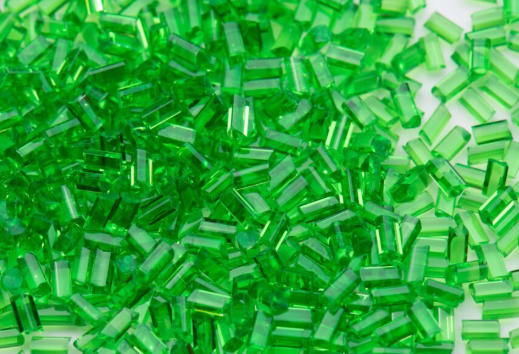
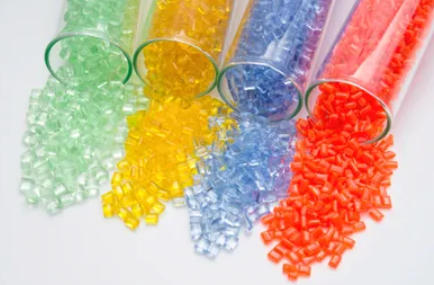
Masterbatch is a concentrated mixture of pigments and/or additives dispersed in a carrier resin that is compatible with the final polymer. It is usually supplied in pellet form and is dosed at a relatively low addition rate into a base polymer during processing to provide color, UV resistance, flame retardancy, antistatic properties, and many other functions.[10][11]
The masterbatch concept allows converters to achieve accurate color and performance with only a few percent of masterbatch, while the remaining majority of the formulation is the base polymer. Because pigments and additives are encapsulated inside a polymer carrier, masterbatch also improves dispersion, reduces dust, and simplifies handling compared with loose powders.[12][13]
From a safety perspective, it is important to understand that not all masterbatch types are the same, because each contains different active ingredients. The main categories include:[13]
- Color masterbatch: Contains pigments or dyes to provide color, sometimes along with small amounts of additives for stability.[10]
- Additive masterbatch: Contains functional additives such as UV stabilizers, antioxidants, slip agents, antistatic agents, flame retardants, or anti‑fog compounds.[13]
- Filler masterbatch: Contains high levels of fillers such as calcium carbonate or talc to reduce cost or modify stiffness and other mechanical properties.[3]
Each family of masterbatch has its own regulatory and toxicological considerations, especially when used in food contact, toys, medical or pharmaceutical applications.[14]
In normal industrial practice, masterbatch pellets are usually regarded as articles of low acute toxicity when properly formulated and handled. Safety Data Sheets (SDS) for many commercial color and additive masterbatch grades show that the pellets are considered inert solids at room temperature, with main hazards arising from dust or process fumes rather than from the solid pellets themselves.[15][16]
The real safety concern lies in what chemicals are built into the masterbatch, for example specific pigments, stabilizers, flame retardants, plasticizers, or other additives, and whether these chemicals can migrate from the final plastic or cause harm during processing or disposal. When masterbatch is manufactured with compliant ingredients and used as recommended, it is generally considered safe for workers and end‑users in approved applications.[17][18]
The safety of masterbatch is not left to chance; it is tightly controlled by regulatory and industry standards that govern raw materials, migration, and toxicology. The most relevant frameworks include:[19]
- Food contact regulations such as FDA 21 CFR in the United States and EU Regulation (EC) No 1935/2004 together with EU 10/2011 for plastic food‑contact materials.[18][14]
- Chemical regulations such as REACH in the EU, which restricts certain substances of very high concern (SVHC).[20][19]
- Toy and child‑care product standards like CPSIA and EN 71, which limit heavy metals and other hazardous substances.[21]
Masterbatch manufacturers serving these markets must verify that the pigments, additives and carriers they use are compliant and that overall and specific migration from the final plastics remain below legal limits.[22]
One of the most sensitive questions is whether masterbatch used in food packaging is harmful. Food‑grade masterbatch is formulated from ingredients that are approved for food‑contact and tested so that any potential migration into food stays below strict regulatory thresholds. This includes evaluating pigments (for example, special carbon black grades), stabilizers, lubricants, and other additives used in the masterbatch.[14][22]
Reputable suppliers provide a Declaration of Compliance referencing EU 10/2011 or FDA regulations, backed by migration tests under worst‑case conditions for time, temperature, and food simulants. When processors follow recommended let‑down ratios and processing conditions, food‑contact plastics colored or modified with certified masterbatch are widely recognized as safe for consumers.[20][22][14]
For medical devices and pharmaceutical packaging, masterbatch safety requirements are even more demanding because products may contact the body for long periods or be used in critical environments. Masterbatch for medical applications is designed with carefully selected pigments and additives that avoid restricted substances and are often tested for biocompatibility, extractables and leachables in line with medical and pharmaceutical guidelines.[23][18]
Silicone masterbatch and other specialty systems for healthcare applications are developed to be non‑toxic, non‑sensitizing and compliant with specific healthcare restrictions on pigments and fillers. Device and packaging manufacturers typically request detailed regulatory and toxicological dossiers from masterbatch suppliers before approving these materials in their product designs.[24][18][23]
The masterbatch manufacturing process is itself highly controlled in order to ensure consistent dispersion, performance, and safety. Although individual factories may differ, the main steps generally include:[1]
1. Raw material selection: Choosing a compatible carrier resin, approved pigments, and additives according to the target application and regulatory requirements.[3]
2. Weighing and mixing: Precisely dosing and dry‑blending pigments, additives, and carrier granules in high‑speed mixers to achieve a homogeneous premix.[1][3]
3. Extrusion and compounding: Feeding the premix into a single or twin‑screw extruder, where heat and shear melt the carrier resin and distribute pigments and additives uniformly in the polymer.[6][7]
4. Cooling and pelletizing: Cooling the extruded strands in water or air and cutting them into pellets with controlled size and shape to produce the final masterbatch.[6]
5. Quality testing: Checking color strength, dispersion, mechanical properties of the carrier, moisture, and sometimes migration or other functional tests.[5][1]
Modern masterbatch production lines may integrate automated dosing, computer‑controlled extrusion, and real‑time monitoring to keep process parameters within tight safety and quality limits.[6]
From an industrial hygiene standpoint, masterbatch can actually reduce risk compared with direct handling of powder pigments and additives. When pigments are encapsulated in a polymer carrier, they dust less, are less likely to become airborne, and are simpler to dose accurately into the process.[13]
This reduced dust exposure is particularly important for pigments that could cause irritation or harm if inhaled in powder form, even when they are not highly toxic. The masterbatch format therefore contributes to a cleaner working environment, easier housekeeping, and more consistent product quality, all of which are positive for worker safety.[8][13]
Although masterbatch as a technology is not inherently harmful, problem formulations can exist if they contain restricted or poorly controlled substances. Examples of potentially problematic components include:[17][21]
- Heavy metal pigments: Legacy color systems may contain lead, cadmium, mercury, or hexavalent chromium, which are restricted in many markets due to toxicity and bioaccumulation.[21]
- Certain plasticizers and stabilizers: Some phthalates and other additives are subject to strict limits in toys, food contact, and medical devices.[20]
- High‑volatility organic compounds: In some additive masterbatch, volatile substances can contribute to odor or emissions if not controlled.[25]
Modern regulatory frameworks and industry best practices push manufacturers to use heavy‑metal‑free pigments, low‑migration stabilizers, and safer additive chemistries, so compliant masterbatch products are designed to avoid these hazards.[19]
For workers in compounding and plastics processing plants, the main safety concerns around masterbatch involve dust, fumes, and hot materials rather than chronic toxicity from the pellets themselves. At typical temperatures used in extrusion and molding, masterbatch and base polymers can generate fumes that may irritate the eyes and respiratory system if ventilation is poor.[16][15]
Standard safety recommendations therefore include local exhaust ventilation at processing machines, use of gloves and eye protection, and avoiding direct skin contact with hot polymer melt. When these measures are in place, and when masterbatch is formulated with approved materials, occupational exposure can be kept within normal industrial hygiene limits.[15][16]
The question “Is Masterbatch Harmful?” also touches on broader environmental issues, such as plastic waste, microplastics, and chemical leaching. Plastics containing masterbatch can fragment into microplastics in the environment, and some additives may slowly leach out under long‑term exposure to sunlight, heat, and mechanical stress.[25]
Research shows that aged plastic fragments can release chemicals that may affect aquatic organisms, which means even compliant masterbatch systems must be used within a framework of responsible product design, waste management, and recycling. At the same time, masterbatch can support sustainability when it enables downgauging (thinner parts), longer product life, and better recyclability compared with alternatives that use higher additive loadings in liquid or powder form.[25][13]
Many consumer products such as toys, housewares, packaging, and textiles rely on masterbatch for bright colors and special effects, which raises concerns about child safety and casual contact. In regulated markets, masterbatch used for toys must comply with heavy metal limits, migration limits for certain elements, and other toxicological criteria defined in standards such as EN 71 and CPSIA.[17][21]
To meet these requirements, child‑safe masterbatch formulations avoid restricted pigments and problematic additives and are validated through migration and extraction tests on final plastic parts. As a result, when reputable manufacturers use certified masterbatch within specified loading levels, consumer products and toys are designed to be safe for normal handling and use, including contact by children.[21][17]
For converters, brand owners and buyers, there are practical steps to confirm that the masterbatch used in their products is not harmful:
- Define the application clearly: food contact, toys, medical, automotive, electrical, or general industrial, because different sectors have different regulatory frameworks.[14][19]
- Select specialized masterbatch grades: choose food‑contact, medical‑grade, toy‑grade or other dedicated lines rather than generic grades when safety requirements are high.[26][14]
- Request documentation: obtain Declarations of Compliance, SDS, and, where relevant, test reports for migration, heavy metals, and other restricted substances.[22][20]
- Audit your supplier: work with reputable masterbatch manufacturers that follow quality systems, track regulatory changes, and can explain their formulations in a transparent way.[19]
- Validate in your own process: perform your own migration, sensory and performance tests on final products to confirm that safety and functional targets are met.[25]
By following these steps, companies can greatly reduce safety risks related to masterbatch and ensure that their plastic products meet both legal and brand‑owner expectations.[19]
Taking all of these factors together, the safety profile of masterbatch depends less on the fact that it is a concentrated pellet and more on the specific chemistry and regulatory compliance behind each grade. When masterbatch is formulated with compliant pigments and additives, manufactured under controlled conditions, and used at the recommended levels, it is widely considered safe in food‑contact, medical, toy, and general consumer applications.[18][13][14]
Potential harm mainly arises when non‑compliant raw materials are used, when dust and fumes are not properly controlled in the workplace, or when plastic waste is mismanaged and allowed to accumulate in the environment. Therefore, the answer to “Is Masterbatch Harmful?” is that modern, certified masterbatch used correctly is not inherently harmful, but responsible formulation, processing, and end‑of‑life management remain essential.[15][13][17][19][25]
In contemporary plastics processing, masterbatch is an indispensable tool for delivering color and functionality while simplifying handling and improving dispersion. Properly designed masterbatch consists of pigments and additives encapsulated in a compatible carrier resin and is governed by strict regulations for food contact, toys, medical devices, and other sensitive applications. When manufacturers select appropriate grades and follow regulatory requirements and good processing practice, the resulting products are considered safe for consumers and workers alike.[10][18][13][14][20]
The potential for harm is mainly linked to poor formulation choices, inadequate control of dust and fumes, or irresponsible disposal of plastic products that leads to environmental pollution. By choosing reputable masterbatch suppliers, demanding clear compliance documentation, and managing products responsibly across their life cycle, companies can enjoy the performance advantages of masterbatch without compromising health, safety, or the environment.[13][15][17][19][25]
When masterbatch is produced with approved pigments, additives, and carriers and used at recommended dosage levels, it is generally not harmful to human health in normal use. Occupational risks are mainly associated with hot melt, fumes, and dust during processing, which can be controlled with good ventilation and personal protective equipment.[16][18][14][15]
Food‑grade masterbatch is specifically formulated and tested to meet food‑contact regulations such as FDA and EU 10/2011, ensuring that any migration into food remains below strict limits. When processors select certified food‑contact masterbatch and follow the supplier's processing and dosage guidelines, the resulting packaging is widely accepted as safe.[22][14]
Masterbatch for toys and children's products must comply with heavy‑metal limits and other safety requirements defined in standards such as CPSIA and EN 71. Child‑safe masterbatch formulations avoid restricted pigments and additives, and when such masterbatch is used correctly, the end products are designed to be safe even under frequent handling and mouthing by children.[17][21]
Masterbatch itself is a concentrated form of additives in plastic pellets, but plastics containing masterbatch can contribute to microplastic pollution and chemical leaching if waste is not properly managed. Using more stable, lower‑toxicity additives, designing products for recycling, and ensuring controlled collection and treatment of plastic waste are critical to reducing environmental impacts.[13][25]
Manufacturers should define the application requirements, select appropriate food‑grade, medical‑grade, or toy‑grade masterbatch, and request Declarations of Compliance, SDS, and relevant test reports from suppliers. They should also conduct their own validation tests on final products and periodically audit suppliers to ensure ongoing compliance with evolving regulations.[20][22][19]
[1](https://www.charmingmb.com/2025/10/09/masterbatch-manufacturing-process-a-complete-guide-to-production-and-innovation/)
[2](https://www.materials.zone/blog/8-steps-to-optimize-the-masterbatch-manufacturing-process)
[3](https://www.debaomasterbatch.com/News_Events/2025-09-04/masterbatch-manufacturing-process.html)
[4](https://masterbatchglobal.com/articles/inside-the-masterbatch-manufacturing-process/)
[5](https://kaysapolymer.com/en/masterbatch-production-process/)
[6](https://jieyatwinscrew.com/blog/masterbatch-production-line/)
[7](https://eupegypt.com/blog/color-masterbatch-manufacturing-process/)
[8](https://www.badgercolor.com/Portals/0/Documents/Masterbatch%20Vs%20Dry%20Blending%20Badger%20Color.pdf?ver=cN7ZleNGKu9hiVD3-ER7_A%3D%3D)
[9](https://suryamb.com/blog/masterbatch-manufacturing-process-a-step-by-step-overview/)
[10](https://en.wikipedia.org/wiki/Masterbatch)
[11](https://rajivplastics.com/masterbatch.html)
[12](https://www.3devo.com/blog/complete-guide-plastic-pigments-how-colorants-work)
[13](https://deltatecnic.com/complete-guide-to-masterbatch/)
[14](https://alokmasterbatches.home.blog/2025/03/18/masterbatch-for-medical-and-food-contact-applications-key-considerations/)
[15](https://www.stobec.com/DATA/PRODUIT/2424~v~msds.pdf)
[16](https://www.goldsmith-eggleton.com/wp-content/uploads/2019/07/GE-1605-Black-Masterbatch-SDS-2019.pdf)
[17](https://alokmasterbatches.home.blog/2025/03/18/masterbatch-for-non-toxic-and-child-safe-plastics/)
[18](https://www.granula.eu/en/masterbatch-regulations/food-drugs-administration-fda)
[19](https://colourhousemasterbatch.co.uk/news/regulatory-compliance-in-masterbatch-manufacturing)
[20](https://uniformcolor.com/pages/regulatory-compliance)
[21](https://europlas.com.vn/en-US/blog-1/how-to-know-color-masterbatch-you-are-using-is-good-or-bad)
[22](https://www.e-luckcn.com/news/industry-news/how-can-food-contact-black-masterbatch-ensure-safety-and-compliance.html)
[23](https://www.silicone-polymers.co.uk/Healthcare%20Restricted%20Pigments%20-%20Additives%20and%20Fillers.php)
[24](https://www.additivebz.com/is-silicone-masterbatch-toxic/)
[25](https://www.sciencedirect.com/science/article/abs/pii/S0269749119334840)
[26](https://www.americhem.com/industries/industrial/food-safety/)


