


close
Choose Your Site
Global
Social Media


Views: 222 Author: Rebecca Publish Time: 2025-12-02 Origin: Site


Content Menu
● Why Acrylic Is Classified as a Plastic
● Key Properties of Acrylic Plastic
>> Mechanical and Thermal Properties
>> Chemical and Weather Resistance
>> Polymerization and Base Resin Production
>> Sheet Extrusion and Molding
● Understanding Masterbatch in Acrylic Production
>> Types of Masterbatch for Acrylic
>> How Masterbatch Is Integrated with Acrylic
● Applications of Acrylic Plastic with Masterbatch
>> Architectural and Construction Uses
>> Automotive, Transportation, and Lighting
>> Displays, Signage, and Retail
>> Household, Medical, and Industrial Products
● Custom Acrylic Solutions from a Masterbatch-Focused Manufacturer
● FAQ
>> 1. Is acrylic the same as glass?
>> 2. How does masterbatch affect the quality of acrylic products?
>> 3. Can acrylic with masterbatch be recycled?
>> 4. What masterbatch loadings are typical for acrylic applications?
>> 5. Why choose a Chinese manufacturer for acrylic and masterbatch solutions?
Acrylic is absolutely a plastic material, and more precisely, it belongs to the family of transparent thermoplastics widely used in both industrial and consumer applications. It combines glass-like clarity with excellent impact resistance, easy processing, and strong compatibility with modern masterbatch technologies for color and performance customization. For a company focused on innovative plastic materials and masterbatch-based solutions, acrylic is one of the most strategic and versatile polymers to develop.
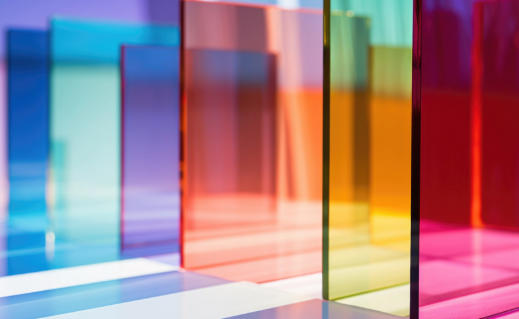
Acrylic is the common name for polymethyl methacrylate (PMMA), a synthetic polymer obtained from methyl methacrylate monomers. As a thermoplastic, acrylic softens when heated and solidifies again when cooled, without undergoing significant chemical change. This behavior makes acrylic ideal for processes like extrusion, injection molding, thermoforming, and casting, and it allows manufacturers to incorporate masterbatch for color and functional additives at different stages of production.
Chemically, acrylic is built from carbon, hydrogen, and oxygen atoms arranged into long chains. The structure creates a rigid but not brittle material with a high level of transparency. Acrylic is often used as a substitute for glass because it transmits light efficiently while being significantly lighter and more impact-resistant. When combined with the right masterbatch system, PMMA can achieve even better UV resistance, color stability, and surface properties.
Acrylic fits the definition of a plastic because it is a polymeric material that can be molded or shaped under heat and pressure. Plastics are typically divided into thermoplastics and thermosets. Acrylic clearly belongs to the thermoplastic group since it can be reheated and reshaped multiple times. This recyclability and processability are important advantages for manufacturers that need flexibility in design and production.
Another reason acrylic is classified as a plastic is its compatibility with classic plastic processing techniques and additives. It can be compounded with masterbatch in pellet or powder form, extruded into sheets, injected into complex molds, or thermoformed into 3D shapes. In all these operations, the behavior of acrylic mirrors that of other thermoplastics like polycarbonate or polystyrene, although its optical and surface properties are unique.
One of acrylic's most famous features is its excellent optical clarity. High-quality PMMA can offer light transmission over 90%, which rivals or exceeds many types of glass. This makes acrylic an ideal material for windows, light covers, lenses, signage, and display products. When manufacturers need tinted or diffused light, they typically use color or diffusion masterbatch to control how acrylic transmits or scatters light while protecting its transparency as much as possible.
Acrylic also has a relatively high refractive index for a plastic, contributing to its bright, glass-like appearance. In optical applications, this property is carefully balanced with the selection of masterbatch to avoid haze, streaks, or color shifts. Special masterbatch formulations are engineered to retain clarity while introducing precise color or UV-blocking capabilities, which is critical for automotive lighting, LED diffusers, and high-end display covers.
Mechanically, acrylic offers a combination of rigidity, surface hardness, and impact resistance that positions it between standard commodities and engineering plastics. It is significantly more impact-resistant than glass, yet more rigid than many flexible polymers. This means that acrylic components can maintain their shape under stress while still providing a certain level of toughness. In design terms, this allows thinner sections and more daring geometries than traditional glass or brittle plastics.
Thermally, acrylic has a moderate heat deflection temperature and a relatively low water absorption level. These characteristics translate into good dimensional stability under normal service conditions, including outdoor environments with temperature variations. When higher performance is necessary, manufacturers can introduce heat stabilizers, UV absorbers, or impact modifiers through dedicated masterbatch products. Such masterbatch enhancements make acrylic suitable for demanding uses like exterior panels, lighting housings, and structural glazing.
Acrylic has good resistance to many dilute acids, alkalis, and cleaning agents, making it a practical choice for household goods, sanitary equipment, and industrial covers. However, some organic solvents and aggressive chemicals can attack or craze standard PMMA surfaces. To mitigate such limitations, custom masterbatch solutions can introduce anti-crazing additives or tailor the surface energy, improving chemical resistance while maintaining core acrylic properties.
Weather resistance is another major advantage of acrylic plastic. It naturally resists yellowing and degradation under UV exposure better than many other transparent plastics. When paired with UV-stabilizing masterbatch, acrylic can withstand prolonged sunlight, rain, and temperature cycling, which is why it is a preferred material for outdoor signage, skylights, canopies, and architectural panels. This long-term stability adds strong value for global customers who want durable plastic solutions with low maintenance requirements.
The manufacturing of acrylic begins with the polymerization of methyl methacrylate monomer. The monomer is mixed with initiators and sometimes small amounts of additives, then subjected to controlled temperature and pressure. During polymerization, monomer molecules join together to form long PMMA chains. This process can be carried out using different methods, such as bulk polymerization, suspension polymerization, or solution polymerization.
At the end of polymerization, the result is a base acrylic resin that may appear as syrup, granules, or slabs, depending on the technology. This resin is then converted into pellets or sheet stock for further processing. It is at this stage or shortly after that masterbatch can be introduced to provide color and special performance features. To ensure consistency, the resin is often filtered, dried, and standardized so that its molecular weight, viscosity, and other key parameters fall within tight tolerances.
Once the base PMMA resin is available, it can be processed into final products by extrusion, casting, injection molding, or thermoforming. In sheet extrusion, acrylic pellets are fed into an extruder where they are melted, mixed, and pushed through a flat die to form a continuous sheet. The sheet is then cooled and calibrated by rollers to achieve a precise thickness and smooth surface. Masterbatch pellets are dosed together with the acrylic pellets to introduce color, UV stability, diffusion, or other effects directly in the melt.
In injection molding, acrylic pellets and masterbatch enter a heated barrel. The screw plasticizes the material, then injects the molten acrylic into a mold cavity. After cooling, the part is ejected in its final shape. This process is widely used for lighting covers, instrument panels, lenses, and complex plastic parts. Masterbatch is critical here to ensure color repeatability, minimize defects like streaks or cloudiness, and optimize flow behavior.
Thermoforming starts with pre-extruded acrylic sheet, which is reheated until it softens and then formed over or into a mold using vacuum or pressure. This route is preferred for large, shallow shapes like bathtubs, signage, machine guards, and architectural domes. Because the sheet is often pre-colored with masterbatch at the extrusion stage, the thermoformed part maintains uniform appearance and performance throughout its thickness.
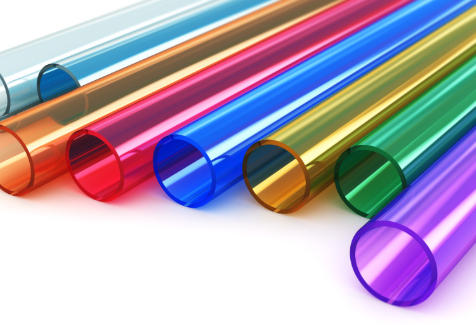
Masterbatch is a highly concentrated mixture of pigments and/or additives encapsulated in a compatible carrier resin. In the context of acrylic, the carrier is often PMMA or another resin with similar processing behavior. The masterbatch is produced by compounding pigments or functional additives with the carrier at high temperature, then cooling and pelletizing the mixture into granules. These pellets are then added in small percentages to the base plastic during processing to achieve the desired color or functionality.
Using masterbatch offers several benefits compared with adding raw powders directly. It improves dispersion of pigments and additives, ensures more accurate dosing, reduces dust and contamination, and makes it easier to change or fine-tune formulations. For acrylic manufacturers and converters, masterbatch is the preferred way to introduce color, UV stabilizers, antioxidants, flame retardants, anti-static agents, slip agents, and other performance enhancers.
There are several broad categories of masterbatch used in acrylic plastic production:
- Color masterbatch: Focused on pigments or dyes designed for high transparency, high opacity, or special visual effects. For acrylic, transparent and translucent color masterbatch must be very finely dispersed to avoid haze.
- Additive masterbatch: Contains functional additives such as UV stabilizers, light diffusers, anti-scratch additives, antioxidants, and processing aids.
- Filler masterbatch: Incorporates mineral fillers like talc, calcium carbonate, or barium sulfate to change density, stiffness, or cost. For high-clarity acrylic, filler use is limited, but in opaque products it can be valuable.
- Combination masterbatch: Combines color and multiple additives into one pellet, offering a turnkey solution for specific applications like outdoor signage, automotive lighting, or sanitary ware.
For a comprehensive acrylic solution, a manufacturer may use a combination of color masterbatch and additive masterbatch, carefully balancing loading levels to achieve both visual and performance targets.
In actual production, masterbatch is typically dosed at a few percent of the total material weight. The pellets of base PMMA and masterbatch are mixed in a hopper or via gravimetric dosing equipment to ensure a consistent ratio. As the mixture is fed into an extruder or injection unit, both materials melt together, and the additives disperse throughout the molten acrylic.
Proper integration of masterbatch with acrylic requires attention to compatibility and processing conditions. The melt temperature, shear rate, and residence time all affect how well pigments and additives are dispersed. If parameters are not optimized, defects like streaks, color variations, or reduced mechanical strength can occur. For this reason, high-quality masterbatch suppliers develop products specifically tailored to acrylic's processing window.
For a specialized Chinese manufacturer of innovative plastic materials, mastering the interaction between acrylic and masterbatch is a central capability. It allows production teams to design materials with exact color, gloss, transparency, impact resistance, and weatherability for each customer's project.
In construction and architecture, acrylic is used for windows, skylights, canopies, façade panels, balcony guards, noise barriers, and light domes. The material's clarity and weather resistance make it attractive for structures that must remain visually appealing for many years. By using masterbatch with UV stabilizers and light-diffusing additives, it is possible to create acrylic panels that provide comfortable lighting inside buildings while protecting occupants from harmful radiation.
Colored acrylic panels, produced with specialized masterbatch, are also popular in modern architecture. They enable designers to play with color, transparency, and light in ways that traditional glass cannot match. For customers worldwide, a Chinese supplier can offer a full range of masterbatch-colored acrylic sheets, from clear and neutral tints to bold corporate colors.
In the automotive and transportation sectors, acrylic is often used for tail light covers, indicator lenses, interior lighting, mirrors, and instrument cluster covers. The material's optical quality and resistance to UV make it ideal for exterior lighting systems. Masterbatch plays a key role in generating red, amber, and clear lenses that meet strict colorimetric standards, as well as in integrating UV stabilizers to keep these parts from fading or becoming brittle over time.
Acrylic is also used in public transportation vehicles, airplanes, and trains for interior panels and lighting diffusers. Masterbatch with flame retardant or low-smoke additives can be introduced to meet safety regulations while preserving the aesthetics and weight advantages of acrylic.
One of the most visible uses of acrylic is in displays and signage. From illuminated shop signs and logo panels to transparent display cases and point-of-sale stands, acrylic is favored for its brightness and ability to be laser cut, polished, and shaped into striking designs. Color masterbatch lets brands match their precise corporate colors and maintain a consistent image worldwide.
Light diffusing masterbatch is widely used in backlit displays and LED panels to distribute light evenly and avoid hotspots. Retail environments, exhibitions, and trade shows rely on acrylic combined with high-performance masterbatch to create durable and attractive installations that can be reused many times.
In the household sector, acrylic appears in furniture, bathroom fittings, kitchenware, storage containers, and decorative items. Here, masterbatch can add scratch-resistant, anti-microbial, or anti-fingerprint properties to improve user experience and product longevity. Transparent and opaque acrylic formulations can be tuned to complement interior design trends and consumer preferences.
In medical and laboratory environments, acrylic is used for equipment housings, shields, and some disposables, thanks to its clarity, rigidity, and sterilizability. Carefully designed masterbatch can meet regulatory and hygiene requirements by minimizing extractables and adding anti-microbial agents where permitted.
Industrial and manufacturing environments use acrylic for machine guards, covers, and viewing windows. When combined with impact-modifying or anti-static masterbatch, these components help improve safety while dealing with dust, sparks, or high-speed moving equipment.
For a global customer base, a Chinese company that integrates R&D, production, and sales of advanced plastic materials can deliver tailored acrylic solutions based on masterbatch technology. The process often begins with understanding the end use: optical performance, mechanical requirements, regulatory constraints, and branding needs. Based on these inputs, the technical team selects or develops a suitable base acrylic grade and designs a masterbatch package to match.
Typical customization steps include:
- Defining the target color and translucency level, then either selecting an existing color masterbatch or formulating a new one.
- Choosing additive masterbatch for UV resistance, weatherability, impact modification, flame retardancy, or surface effects.
- Testing small-scale extrusion or molding runs to verify processing behavior and appearance.
- Adjusting masterbatch loading to balance cost, performance, and aesthetics.
- Scaling up to full production with automated quality monitoring.
By controlling both acrylic and masterbatch, such a manufacturer can respond quickly to market demands, offer OEM and private-label services, and ensure stable quality in large-volume orders shipped worldwide.
Acrylic is clearly a plastic material—specifically, a transparent thermoplastic with a unique combination of clarity, durability, and weather resistance. Its polymer structure and processing behavior place it firmly in the thermoplastic family, while its compatibility with sophisticated masterbatch systems unlocks exceptional potential for customization. Through careful selection and integration of color and additive masterbatch, acrylic can be tailored for demanding applications in architecture, automotive, lighting, signage, medical devices, and everyday consumer products. For a specialized manufacturer, this synergy between acrylic and masterbatch creates a powerful platform for delivering innovative, high-performance plastic solutions to global customers.
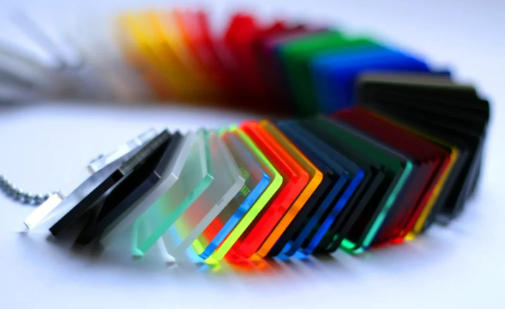
Acrylic is not glass, but a transparent plastic that visually resembles glass while being lighter and more impact-resistant. Unlike glass, acrylic is a thermoplastic that can be melted and reshaped, and it can be customized with masterbatch to introduce color, UV protection, and other properties. This makes acrylic more versatile and easier to process than traditional glass in many applications.
Masterbatch has a direct impact on the color consistency, surface appearance, and performance of acrylic products. High-quality masterbatch ensures uniform pigment dispersion, which prevents streaks, color variation, and haze. Additive masterbatch can also improve UV resistance, impact strength, processing stability, and surface behavior, resulting in acrylic components that are more durable and reliable.
In many cases, acrylic that contains masterbatch can still be recycled, especially if the carrier of the masterbatch is compatible with PMMA. During recycling, the acrylic is ground, re-melted, and reprocessed, so stable pigments and additives are important to maintain consistent properties. Good formulation practices and clear traceability of masterbatch types help recyclers manage material streams more effectively.
Typical masterbatch dosages for acrylic range from about 1% to 5% by weight, depending on how intense the color or how strong the desired effect should be. For highly transparent tints, lower dosages are often enough, while opaque colors or complex additive packages may require higher levels. The exact loading is usually determined through lab trials that check color, mechanical properties, and processing behavior.
A Chinese manufacturer with integrated capabilities in acrylic and masterbatch can offer competitive pricing, high-volume capacity, and extensive customization options. Such a supplier can quickly develop new formulations, adjust production to different market standards, and provide OEM services for brands, wholesalers, and manufacturers worldwide. This combination of technical expertise and flexible manufacturing makes China a strong hub for acrylic-based plastic solutions.
[1](https://carbokene.com/masterbatch-manufacturing-process/)
[2](https://masterbatchglobal.com/articles/masterbatch-resin-manufacturing/)
[3](https://www.raytopoba.com/Masterbatch-manufacturing-process_174.html)
[4](https://www.mcneallplastics.com.au/news/the-manufacturing-process-of-acrylic-plastics-what-you-need-to-know)
[5](https://www.sciencedirect.com/topics/engineering/masterbatch)
[6](https://eupegypt.com/blog/masterbatch-definition-and-applications/)
[7](https://jumei-acrylic.com/understanding-how-acrylic-is-manufactured)
[8](https://patents.google.com/patent/WO2003025046A1/en)
[9](https://www.cutmy.co.uk/ideas-advice/how-acrylic-is-made/)
[10](https://fillplas.com/applications-color-masterbatch-plastic-production/)


