


close
Choose Your Site
Global
Social Media


Views: 222 Author: Rebecca Publish Time: 2025-12-01 Origin: Site


Content Menu
● Understanding TPU and TPU Masterbatch
● Why Automotive Manufacturers Choose TPU Masterbatch
● Interior Applications: Comfort, Aesthetics, and Long-Term Appearance
>> Soft-Touch Surfaces and Trim
>> Color, Texture, and Surface Effects
● Exterior Applications: Weatherability and Impact Performance
>> Bumpers, Body Protection, and Sealing Elements
● Hoses, Tubes, and Under-Hood Components
>> Oil-Resistant and Fuel-Resistant Hoses
>> Seals, Gaskets, and Functional Elastomer Parts
● Cables, Wires, and Electronic Components
>> Cable Jackets and Sheathing
● Functional Types of TPU Masterbatch for Automotive Manufacturing
>> Flame-Retardant TPU Masterbatch
>> Weather-Resistant TPU Masterbatch
>> Biodegradable and Eco-Focused TPU Masterbatch
● Processing and Manufacturing Considerations
>> Injection Molding and Over-Molding
● Performance and Case Study Insights
● Future Directions for TPU Masterbatch in Automotive Manufacturing
● Frequently Asked Questions (FAQ)
>> 1. What exactly is TPU masterbatch in automotive applications?
>> 2. Which automotive components most commonly use TPU masterbatch?
>> 3. How does TPU masterbatch improve processing efficiency for automotive manufacturers?
>> 4. Can TPU masterbatch support sustainability initiatives in the automotive industry?
>> 5. What should automotive engineers consider when choosing a TPU masterbatch supplier?
Thermoplastic polyurethane (TPU) masterbatch is redefining how automotive manufacturers design, engineer, and produce plastic components across the entire vehicle. By combining TPU's elasticity and toughness with tailored pigments and functional additives, TPU masterbatch enables high-performance parts that are lighter, safer, more durable, and easier to process. For OEMs and Tier 1 suppliers, TPU masterbatch is no longer just a coloring solution; it has become a strategic material platform for innovation in automotive manufacturing.[1][2][3][4]

TPU is a versatile thermoplastic elastomer combining the elasticity of rubber with the processability of plastic. It offers excellent abrasion resistance, flexibility over a wide temperature range, and strong resistance to oils, fuels, and many chemicals, which makes it particularly attractive for automotive environments. Automotive components manufactured with TPU can endure repeated mechanical stress and harsh operating conditions while maintaining dimensional stability and appearance.[3][4][1]
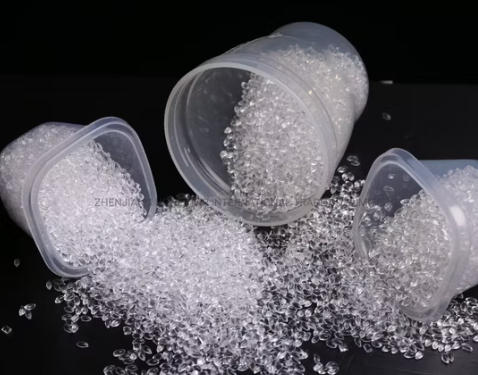
TPU masterbatch is a concentrated mixture of pigments and/or functional additives dispersed in a TPU carrier resin. The masterbatch is dosed into base TPU or other compatible polymers during extrusion, injection molding, or blow molding to achieve targeted colors and performance characteristics. Compared with direct pigment or additive dosing, TPU masterbatch gives better dispersion, simplified handling, and more consistent quality, which directly supports automotive quality and safety requirements.[5][1]
Automotive OEMs face rising expectations in terms of design freedom, cabin comfort, energy efficiency, and sustainability. TPU masterbatch provides a flexible toolkit to meet these evolving needs through material-level engineering.[4][3]
Key reasons why TPU masterbatch is preferred in automotive manufacturing include:
- Ability to combine mechanical robustness (abrasion, tear, and impact resistance) with soft touch and comfort in a single material system.[1][3]
- Possibility to engineer functions such as flame retardance, UV stability, antistatic behavior, or matte/gloss finishes directly into the polymer via TPU masterbatch.[9][1]
- Improved processing efficiency: masterbatch dosing simplifies production, stabilizes color, and reduces scrap caused by inconsistent additive distribution.[5][1]
By tuning the masterbatch formulation and loading level, material suppliers and automotive engineers can precisely balance performance, appearance, and cost for every application.[4][5]
One of the most visible automotive uses of TPU masterbatch is in interior trim and soft-touch surfaces. TPU masterbatch is used to produce skins and over-molded layers for:
- Seat armrests and side bolsters
- Headrests and steering wheel covers
- Instrument panels, center consoles, and door panel skins
These applications benefit from TPU's pleasant haptic feel, scratch resistance, and resistance to common automotive chemicals such as sunscreen, skin oils, and cleaning agents. Color masterbatch ensures that the interior palette is uniform and repeatable, which is essential for global production platforms where components come from different plants yet must look identical in every vehicle.[3][1][5]
TPU color masterbatch provides a wide design window for OEMs wanting to differentiate their interiors with special hues, brand-specific tones, and multi-tone combinations. Because the pigments are fully dispersed in the TPU carrier, the color distribution in the final part is consistent and stable, even in complex geometries. In addition to color, specialized TPU matt masterbatch can provide low-gloss or velvet-like surfaces that reduce reflection on dashboards and improve perceived quality.[9][1][5]
Fine-tuning the masterbatch formulation allows manufacturers to maintain TPU's core mechanical properties while controlling gloss level, surface friction, and resistance to abrasion or staining. This capability helps interior designers achieve both visual luxury and long-term durability.[5][9]
On the exterior, TPU masterbatch is used in parts that require a combination of impact resistance, flexibility, and long-term weather stability. Typical applications include:
- Bumpers and bumper inserts
- Mudguards and splash shields
- Window seals and weatherstrips
Weather-resistant TPU masterbatch includes UV stabilizers and anti-aging additives that protect surfaces from sunlight, ozone, and temperature cycles. This is critical for maintaining gloss, color stability, and mechanical integrity over years of outdoor exposure. For minor impact zones and trim parts, TPU masterbatch enables energy absorption without cracking, which helps prevent visual damage from small collisions or stone chips.[1][3][4]
For newer vehicle designs, TPU masterbatch supports advanced exterior styling such as translucent light guides, decorative light bars, and accent trims that integrate lighting functions. By using translucent or colored TPU masterbatch, engineers can create illuminated design signatures while preserving impact resistance and flexibility. Masterbatch also makes it easier to harmonize color across painted and unpainted parts, which is especially useful for textured black or dark-colored trims.[3][4]
Under the hood, TPU masterbatch plays a vital role in critical fluid handling and mechanical protection systems.
TPU masterbatch is used in hoses for fuel, brake fluid, coolant, and other automotive fluids because TPU exhibits excellent resistance to oils, fuels, and many chemicals while staying flexible at low temperatures. Flame-retardant TPU masterbatch can be incorporated when regulatory or OEM standards require specific fire performance levels, particularly around fuel systems and engine compartments. These hoses must maintain pressure resistance and flexibility across a wide temperature range, and TPU masterbatch helps achieve these targets with stable, repeatable quality.[6][4][1][3]
TPU masterbatch also serves as an engineering solution for seals, gaskets, O-rings, and vibration-damping elements in injection-molded form. TPU's inherent abrasion resistance and resilience, combined with tailored additive masterbatch, make it suitable for parts that must withstand dynamic motion, vibration, and exposure to oils or greases. Masterbatch allows these elastomeric parts to incorporate specific colors for easy identification, assembly guidance, or functional coding (for example, pressure rating or fluid type).[6][4][5]
Electrification and digitalization are rapidly increasing the complexity and importance of wiring systems in vehicles. TPU masterbatch contributes significantly in this area.
TPU is widely used in cable sheathing for both conventional automotive harnesses and specialized applications such as robot cables and new energy vehicle charging cables. It provides excellent abrasion resistance and flexibility even under continuous bending and mechanical movement, which is essential in tight installation spaces. A single TPU masterbatch formulation can often provide both color and key functional properties such as flame retardance or enhanced flexibility, simplifying inventory and production logistics.[7][4][1]
Color masterbatch in TPU simplifies cable identification and routing in complex harness systems, making assembly faster and reducing the risk of wiring errors. Flame-retardant TPU masterbatch further helps cables meet stringent fire standards, a crucial safety factor in both conventional and electric vehicles. By consolidating multiple functions (color, flame retardant, flexibility) in one TPU masterbatch system, suppliers can reduce changeovers and achieve more consistent cable performance.[10][7][1][5]
TPU masterbatch is not a single product but a family of formulations designed for different engineering needs. In automotive applications, several key functional types stand out.
Flame-retardant TPU masterbatch includes halogen-free or low-halogen flame retardants, depending on regulatory and OEM specifications. It is commonly used in:
- Cable sheathing and connectors
- Battery-related components
- Interior and under-dash parts near electronic systems
By incorporating flame-retardant TPU masterbatch, manufacturers can meet vehicle fire safety regulations while preserving flexibility and mechanical strength.[7][1]
Antistatic TPU masterbatch integrates antistatic agents that lower surface resistivity and minimize static charge buildup on plastic parts. In automotive environments, this has several benefits:[1]
- Less dust attraction on interior surfaces, keeping cabins cleaner
- Protection of sensitive electronics by reducing electrostatic discharge (ESD) risk
- Improved safety in areas with vapors or fine powders
Antistatic masterbatch is especially relevant for electronic housings, sensor covers, and interior components close to infotainment or control modules.[4][1]
Weather-resistant TPU masterbatch formulations include UV absorbers, stabilizers, and antioxidants carefully balanced to resist photo-oxidation and thermal degradation. These are crucial for exterior and semi-exterior parts such as:[1]
- Bumpers and exterior trims
- Window seals and roof moldings
- Underbody protection components exposed to road conditions
By using weather-resistant TPU masterbatch, automotive parts maintain elasticity, color, and surface integrity over long service periods in diverse climates.[3][1]
To address environmental concerns and regulatory pressures, biodegradable TPU masterbatch incorporates structures or components that allow controlled degradation under specific conditions. Although full biodegradability is more common in packaging and non-automotive fields, automotive manufacturers are exploring eco-focused TPU masterbatch for components where reduced long-term persistence is desirable or where circular-economy strategies prioritize end-of-life treatment. At the same time, silicone-modified TPU masterbatch systems can improve the recyclability of TPU-based materials by enhancing melt stability and preserving mechanical performance over multiple recycling cycles.[11][1]
The performance of TPU masterbatch in automotive applications is closely tied to how it is processed during compounding and molding.
TPU masterbatch is typically produced on twin-screw extruders, where TPU, pigments, and additives are mixed under controlled shear and temperature to achieve uniform dispersion. During production of automotive compounds, accurate feeding of base TPU and TPU masterbatch is critical to maintain consistent mechanical properties and color. Advanced automation and closed-loop control of temperature, screw speed, and feed rate help stabilize quality across large volumes and multi-shift production, matching automotive expectations for reproducibility.[4][1]
In injection-molded automotive parts, TPU masterbatch must be compatible with the base TPU or other polymers, both chemically and rheologically, to ensure good flow, bonding, and surface finish. TPU masterbatch allows over-molding of soft-touch layers on rigid substrates, such as combining TPU over ABS or PC for interior handles and knobs. Proper selection and dosing of masterbatch ensure that molded parts meet impact strength, hardness, and color targets while avoiding issues like blooming or surface defects.[6][4]
Practical case studies illustrate how TPU masterbatch leads to measurable gains in automotive applications. For example, incorporating TPU masterbatch into automotive structural or semi-structural components has been reported to improve durability by more than 30% compared with unmodified formulations, enabling longer service life and reduced warranty claims. Silicone-modified TPU masterbatch systems for seals and dynamic components show significant reductions in wear and friction, translating into quieter operation and longer maintenance intervals. Graphene-enhanced TPU masterbatch can further increase stiffness and thermal stability, opening new possibilities in demanding under-hood and battery-adjacent zones.[2][8][12][11]
These examples highlight how TPU masterbatch is shifting from a decorative additive to a core performance enabler in modern vehicle design and engineering.[12][2]
As vehicles move toward electrification, autonomy, and smart connectivity, TPU masterbatch will play an even more significant role. Electric vehicles require more complex and thermally demanding cable and battery systems, where flame-retardant and high-performance TPU masterbatch offers important advantages. Lightweighting strategies will continue to favor advanced plastics over metal, making high-hardness, reinforced TPU masterbatch formulations attractive alternatives for selected components.[8][12][7][1]
In parallel, sustainability targets are driving interest in recyclable, bio-based, and biodegradable TPU masterbatch options and in masterbatch systems that support closed-loop manufacturing. Automotive suppliers capable of providing customized TPU masterbatch solutions—combining performance, processing efficiency, and environmental responsibility—will be well positioned to serve global OEM platforms.[11][1]
TPU masterbatch has become a key enabler of innovation in automotive manufacturing, bridging the gap between design ambitions and engineering realities. By leveraging TPU's inherent toughness, flexibility, and chemical resistance and combining them with highly engineered masterbatch formulations, manufacturers can produce interior and exterior components, hoses, cables, and sealing systems that outperform conventional solutions in durability, comfort, and aesthetics. At the same time, TPU masterbatch streamlines processing, supports regulatory compliance, and opens new paths toward more sustainable, recyclable, and future-ready automotive materials. For global automakers seeking differentiation and reliability, innovative uses of TPU masterbatch will remain central to the next generation of vehicles.[11][3][1]
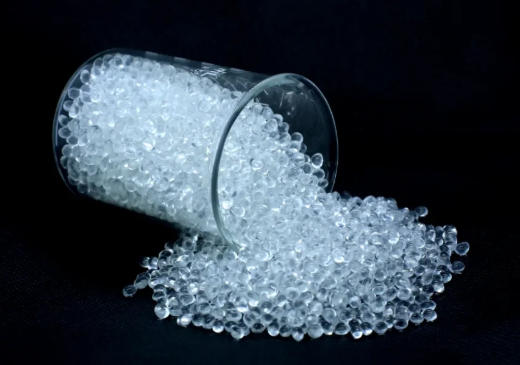
TPU masterbatch in automotive applications is a concentrated blend of pigments and/or functional additives dispersed in a TPU carrier resin, which is dosed into base TPU or compatible polymers during processing to impart color and specific performance properties. This approach allows manufacturers to tailor features such as flame retardance, UV resistance, surface texture, and antistatic behavior while preserving the inherent mechanical advantages of TPU.[5][4][1]
TPU masterbatch is widely used in interior trim skins, armrests, headrests, dashboards, door panels, exterior seals and trims, bumpers, mudguards, hoses, cables, and various seals and gaskets. These parts benefit from TPU's flexibility, abrasion resistance, chemical resistance, and weatherability, all of which can be optimized through tailored masterbatch formulations.[6][3][1]
By using TPU masterbatch, processors handle a single, pre-dispersed additive package rather than multiple raw pigments and additives, simplifying dosing and reducing the risk of formulation errors. This leads to more stable color, fewer surface defects, shorter changeover times, and less scrap, which together improve manufacturing efficiency and cost control in automotive production lines.[4][5][1]
Yes. Biodegradable and eco-focused TPU masterbatch options are being developed to reduce long-term environmental impact and help manufacturers align with regulatory and corporate sustainability goals. Additionally, silicone-modified and other advanced TPU masterbatch systems can enhance the recyclability and multi-cycle durability of TPU-based materials, supporting circular manufacturing strategies.[12][11][1]
Engineers should evaluate a supplier's ability to provide consistent quality, precise color matching, and application-specific formulations covering flame retardance, weather resistance, antistatic behavior, and processing stability. It is also important to consider the supplier's expertise in automotive standards, their technical support for compounding and molding, and their capability to develop customized TPU masterbatch solutions for emerging needs such as EV cables, battery components, and advanced interior surfaces.[2][5][1][4]
[1](https://www.kerkeextruder.com/masterbatch-production/tpu-masterbatch/)
[2](https://masterbatchglobal.com/articles/thermoplastic-tpu-masterbatch/)
[3](https://www.haisiextrusion.com/Applications-of-TPU-in-The-Automotive-Industry-id42813096.html)
[4](https://www.cowellextrusion.com/comprehensive-guide-to-tpu-extrusion-and-manufacturing/)
[5](https://www.rfdmaterial.com/products_de/TPU_Color_Masterbatch.html)
[6](https://www.ytlinghua.com/news/application-of-tpu-in-injection-molding-products/)
[7](https://www.plasticstoday.com/automotive-mobility/tpu-cable-coloring-simplified-with-single-masterbatch)
[8](https://blackswangraphene.com/news/black-swan-graphene-launches-its-fourth-graphene-enhanced-masterbatch-product-a-revolutionary-thermoplastic-polyurethane-masterbatch/)
[9](https://www.si-tpv.com/tpu-matt-masterbatch/)
[10](https://deltatecnic.com/delta-tecnic-simplifies-the-colouring-of-tpu-cables-with-a-single-masterbatch/)
[11](https://www.xiangxichem.com/how-does-silicone-thermoplastic-polyurethane-outperform-traditional-polymers/)
[12](https://www.pu-magazine.com/pu/news/meldungen/20251107-graphene-infused-TPU-first-shipment.php)


