


close
Choose Your Site
Global
Social Media


Views: 222 Author: Rebecca Publish Time: 2025-12-01 Origin: Site


Content Menu
● Introduction to TPU Masterbatch
● The Composition and Production of TPU Masterbatch
● Enhancing Durability with TPU Masterbatch
>> Wear and Abrasion Resistance
>> Impact Strength and Flexibility
>> Chemical and Weather Resistance
● Elevating Aesthetics with TPU Masterbatch
>> Color Consistency and Customization
>> Transparency and Special Effects
● Processing Advantages of TPU Masterbatch
● Key Application Fields Internationally
● Best Practices for Developing TPU Masterbatch
● FAQ
>> 1. What is TPU masterbatch and why is it better than direct additives?
>> 2. How does TPU masterbatch contribute to product durability?
>> 3. Will the use of TPU masterbatch impact softness or flexibility?
>> 4. What kind of aesthetic effects can TPU masterbatch achieve?
>> 5. What industries use TPU masterbatch most frequently?
Thermoplastic polyurethane (TPU) masterbatch has become a game-changer in customizing and maximizing the value of engineered plastics. By engineering color and functionality directly into the polymer using TPU masterbatch, manufacturers create products with impressive durability, exceptional surface qualities, and long-term stability.
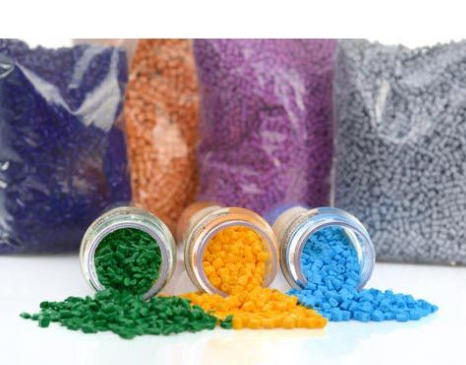
TPU masterbatch is a specialized pelletized concentrate composed of pigments or advanced functional additives dispersed evenly in a TPU carrier matrix. This advanced compounding method ensures superior distribution of colorants and performance enhancers compared to traditional raw additives, safeguarding the mechanical and visual properties of TPU end products.[1][11][12][13]
Modern plastic manufacturing for global markets increasingly relies on TPU masterbatch for reliable product differentiation. The compatibility between the TPU carrier within the masterbatch and the base TPU resin produces finished products with uniform texture, color consistency, and premium qualities, strengthening product portfolios for manufacturers who emphasize innovation and performance.[11][12][1]
The foundation of each TPU masterbatch is a precise mix of three elements: pigment or additive, a TPU carrier, and, optionally, specialty performance materials such as UV absorbers or flame retardants. The thorough dispersion of these ingredients during compounding is a defining feature that delivers homogeneous color and robust functionality.
There are two main production processes for TPU masterbatch:
- Prepolymerization Method: Polyester or polyether polyols undergo vacuum dehydration. Isocyanates are introduced, creating prepolymer chains, followed by a chain extension step before extrusion and cooling, forming uniform pellets. This approach offers stable quality and is suited for high-performance, high-value products.
- One-Step Method: All reactants, including polyols, isocyanates, additives, and pigments, are dosed into a high-shear twin-screw extruder. Chemical reactions, dispersion, and extrusion happen simultaneously under controlled temperature profiles. This technique is efficient and cost-effective but demands high-quality raw materials and strict process controls.[1]
The process concludes with cooling, pelletizing, and automated packaging. Tight temperature and pressure controls, along with advanced automation, guarantee consistency in pellet shape, additive loading, and particle size, thereby preserving end-use performance.[1]
Product durability in TPU is the result of superior wear resistance, impact strength, resistance to environmental stress, and stability throughout the product's lifetime. TPU masterbatch engineering offers multiple pathways to enhance these parameters.
In wear-intensive and contact-prone products—such as shoe soles, conveyor belts, and handles—the use of TPU masterbatch with surface-enhancing additives significantly elevates resistance to abrasion. Silicone-infused masterbatch further lowers surface friction, yields a smoother finish, and maintains a pristine product appearance even under heavy or repeated use.[14][15][1]
Color and additive masterbatches made with TPU protect and often improve the elasticity and impact resilience of finished parts. Because the compounding process prevents additive agglomeration, the resulting products maintain flexibility and toughness, critical for items like safety gear, automotive components, and outdoor applications.[13][16][17][11]
TPU masterbatch can be tailored for outstanding chemical stability, shielding the polymer from oil, grease, and chemical exposure. Added UV stabilizers and antioxidants in specialized masterbatches defend against color fading, surface cracking, and physical degradation caused by long-term sunlight and temperature swings, making them suited for exterior and automotive parts.[18][13][1]
Beyond durability, aesthetics play a pivotal role in product demand. TPU masterbatch enables unparalleled visual and sensory customization, meeting both branding and design needs.
State-of-the-art masterbatch delivers exceptional color uniformity across diverse production batches. Using pre-dispersed formulations ensures that the intended shade remains stable, eliminating streaks, cloudy tints, and defects. Manufacturers can achieve vivid solids, pastels, and even dramatic effects by selecting the correct masterbatch formula. This uniformity supports branding, compliance, and consumer expectations on international markets.[12][19][11][13]
TPU masterbatch unlocks a range of surface textures—from high-gloss finishes found on modern electronics to premium matte appearances for luxury goods. Matte and soft-touch masterbatch solutions lower surface gloss and introduce anti-glare properties, while silicone-based masterbatches bring gentle, tactile qualities appreciated in wearable and automotive products. These modifications are embedded at the molecular level, requiring no secondary post-processing.[15][20][21][14]
Some applications, such as clear housings and medical tubing, demand high transparency. Carefully engineered transparent or colorless masterbatches minimize haze while offering UV protection or anti-fog features. Special effect masterbatches introduce dazzling options—glitter, pearlescence, metallic shine, and marbling—for electronics, fashion, and sporting equipment.[22][11][12]
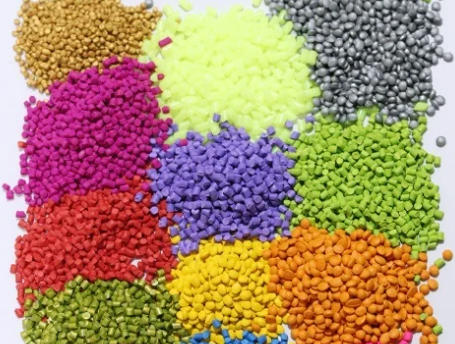
Leveraging TPU masterbatch also simplifies and improves processing for manufacturers:
- Cleaner and safer production, as masterbatch pellets are dust-free and easy to handle.
- Lower risk of equipment fouling, reducing maintenance costs and downtime.
- Consistency in color and functional performance reduces production scrap and eases logistics.
- Compatibility with advanced technologies such as gravimetric dosing, automated extrusion, and multi-component molding.
This leads to cost savings, greater efficiency, and more predictable performance outcomes, enabling companies to focus on scale and customization for different markets.[11][13][1]
TPU masterbatch serves as a cornerstone for innovation in multiple sectors, including:
- Sports and Footwear: Vibrant, wear-resistant soles and midsoles that withstand intense use.
- Automotive: Soft-touch or matte finishes and UV resistance in interiors and exteriors.
- Consumer Electronics: Durable, anti-scratch, and brightly colored phone cases and device housings.
- Cables and Industrial Uses: Flame-retardant, anti-static, and chemical-resistant masterbatch for hoses, seals, and cable jackets.
- Medical and Outdoor: High-purity, transparent, and easy-to-clean components requiring strict regulatory compliance.[17][23][12][18][22][1]
These solutions allow global manufacturers to target niche markets or create mass-market offerings with confidence in long-term product quality.
A systematic approach to R&D, process control, and customer feedback is essential:
- Select and blend pigments or additives that withstand industrial processing and long-term usage without fading or degrading.
- Adjust dosage based on lab trials to achieve desired effects while safeguarding core properties.
- Test mechanical, environmental, and aging characteristics of formulations to ensure performance for the full lifecycle of the end product.[16][13][1]
- Maintain rigorous documentation and adaptability for evolving regulatory, sustainability, and safety requirements.
Continuous investment in innovation keeps manufacturers ahead as consumer trends and environmental standards change.
TPU masterbatch stands as a crucial technology for delivering superior performance and customization in thermoplastic polyurethane products. Its unique advantages in color dispersion, surface feel, and longevity empower manufacturers to consistently meet the rising demands of global industries for both aesthetics and durable function. Through careful selection of masterbatch formulas, detailed process control, and a focus on quality testing, businesses can guarantee that their TPU products offer the best balance of appearance, feel, and resilience over time. With each technical advance, TPU masterbatch supports a new wave of innovative applications, positioning companies at the forefront of advanced plastics engineering.[13][14][1]
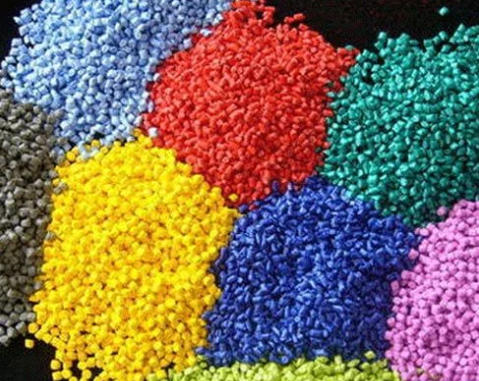
TPU masterbatch combines pigments and functional additives within a TPU carrier, providing uniform dispersion throughout the end product. This leads to stable color, improved consistency, and prevents issues like agglomeration and mechanical weakness that may occur with direct powder or liquid additives.[11][13][1]
By enabling the embedding of wear-resistant, UV-resistant, and heat-stabilizing agents, TPU masterbatch helps TPU components endure harsh environments, heavy usage, and sunlight exposure without rapid surface degradation or color fading, while preserving flexibility and mechanical performance.[14][16][13][1][11]
High-quality TPU masterbatch maintains the intrinsic softness and flexibility of the host TPU. In fact, certain formulations, such as those containing silicone, can enhance the tactile feel without any negative effect on mechanical properties.[15][14][1][11]
Manufacturers can choose from a spectrum of solid and transparent colors, matte or gloss finishes, and special effects such as metallic or pearlescent looks. These enhancements boost product value and brand distinction without extra processing steps.[20][21][12][11]
TPU masterbatch is a preferred material in sports goods, footwear, automotive interiors and exteriors, consumer electronics, cable insulation, medical products, and other sectors where durable and attractive surfaces are essential.[23][17][18][22][12][1]
[1](https://www.kerkeextruder.com/masterbatch-production/tpu-masterbatch/)
[2](https://www.cowellextrusion.com/comprehensive-guide-to-tpu-extrusion-and-manufacturing/)
[3](https://www.fostercomp.com/wp-content/uploads/2018/11/Foster-TPU-Processing-Guidelines.pdf)
[4](https://solutions.covestro.com/-/media/covestro/solution-center/brands/downloads/imported/1557310146.pdf)
[5](https://patents.google.com/patent/CN108410159A/en)
[6](https://www.cbextrusion.com/masterbatch-manufacturing-process-equipment-workflow-and-best-practices/)
[7](https://www.tpu-film.com.cn/en/newsview/805.html)
[8](https://coperion.com/en/industries/chemicals/tpu)
[9](https://www.cowinextrusion.com/understanding-color-masterbatch-manufacturing-process/)
[10](https://www.bokegd.com/news/tpu-base-film-processing-technology/)
[11](https://www.rfkjmasterbatch.com/blog/what-is-tpu-colour-masterbatch)
[12](https://www.rfkjmasterbatch.com/blog/tpu-masterbatch-solutions-color-function-combined)
[13](https://download.basf.com/p1/8a8081c57fd4b609017fd648bf3150e4/en/Elastollan%253Csup%253E%25C2%25AE%253Csup%253E_-_Thermoplastic_Polyurethane_Elastomers_%2528TPU%2529_-_Processing_Recommendations)
[14](https://www.xiangxichem.com/how-does-silicone-thermoplastic-polyurethane-outperform-traditional-polymers/)
[15](https://www.siliketech.com/tpu-based-silicone-masterbatch/)
[16](https://pmc.ncbi.nlm.nih.gov/articles/PMC10726182/)
[17](https://europlas.com.vn/en-US/blog-1/tpu-plastic-what-you-need-to-know)
[18](https://www.shubhlabhinternational.com/Products/TPU-Masterbatch/index.html)
[19](https://www.distrupol.com/Elastollan_Processing_Recommendations.pdf)
[20](http://cordissdjc.com.cn/blog/tpu-matt-masterbatch-insights/)
[21](https://www.si-tpv.com/tpu-matt-masterbatch/)
[22](https://www.teknorapex.com/en-us/teknor-apexs-extensive-product-portfolio-of-vinyl-thermoplastic-elastomers-nylon-and-colorants/thermoplastic-elastomer/thermoplastic-polyurethane-tpu)
[23](https://plastics-rubber.basf.com/southamerica/en/performance_polymers/products/elastostat)


