


close
Choose Your Site
Global
Social Media


Views: 222 Author: Rebecca Publish Time: 2025-12-28 Origin: Site


Content Menu
● Understanding PP Masterbatch
>> Key Functions of a Masterbatch
● Major Types of PP Masterbatch
>> 4. White and Black Masterbatch
● Factors to Consider When Choosing PP Masterbatch
>> 1. Application Requirements
>> 2. Pigment Compatibility and Dispersion
>> 3. Loading Ratio and Dosage
>> 6. Regulatory and Environmental Compliance
● Performance Testing and Evaluation
● How Formulation Affects Performance
● Practical Steps to Select Your PP Masterbatch
>> Step 1: Identify Product Objectives
>> Step 2: Define Material Compatibility
>> Step 3: Conduct Laboratory or Pilot Line Testing
>> Step 4: Request Technical Data Sheets (TDS) and Certificates
>> Step 5: Evaluate Cost vs. Performance Balance
● Industry Applications of PP Masterbatch
>> Agriculture
● Environmental Considerations
● FAQs
>> 1. What is the main purpose of a PP Masterbatch?
>> 2. Can the same Masterbatch be used for all PP grades?
>> 3. How much Masterbatch should be added?
>> 4. What tests verify Masterbatch quality?
>> 5. Are eco-friendly Masterbatches available?
Selecting the right PP Masterbatch is one of the most critical decisions for manufacturers working with polypropylene-based products. Whether you are producing plastic packaging, automotive components, household items, or textile fibers, the quality, performance, and cost-effectiveness of your final products heavily depend on the Masterbatch you choose.
This guide explores technical, commercial, and practical considerations when selecting the ideal PP Masterbatch for specific applications. It also explains how various types, formulations, and testing standards influence your product outcomes, helping you make an informed, data-driven purchasing decision.
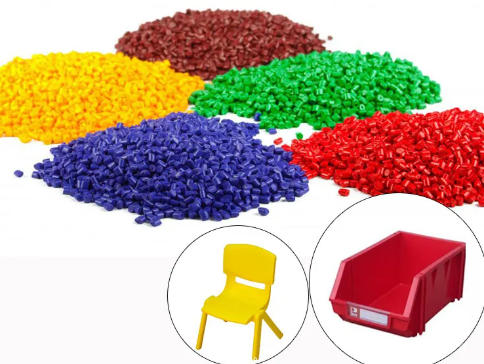
PP Masterbatch (Polypropylene Masterbatch) is a concentrated mixture of pigments, additives, or both, encapsulated into a carrier resin that is compatible with polypropylene. The masterbatch is introduced into the polymer during processing to impart color, improve performance, or add protective properties without affecting overall material integrity.
- Coloring: Providing uniform and vivid coloration for PP products.
- Stabilization: Protecting against UV radiation, heat degradation, or oxidation.
- Modification: Enhancing mechanical, electrical, or surface properties.
- Cost Optimization: Allowing precision dosing of additives to reduce waste.
A well-formulated PP Masterbatch improves processing efficiency, enhances product appearance, and ensures consistent batch-to-batch quality.
The most common category, color masterbatch, provides precise and uniform color shades. It ensures excellent dispersion and stability under processing conditions. The formulation typically includes pigments, dispersing agents, and carrier resins.
Additive Masterbatch modifies the functional performance of polypropylene. It includes:
- UV Masterbatch: Protects products exposed to sunlight from fading or brittleness.
- Antioxidant Masterbatch: Prevents polymer aging and thermal degradation.
- Antistatic Masterbatch: Reduces electrostatic charge accumulation.
- Slip and Anti-block Masterbatch: Enhances surface release and handling properties.
- Flame Retardant Masterbatch: Adds fire resistance to critical applications.
Filler masterbatch combines calcium carbonate (CaCO₃) or talc with PP resin to reduce cost and enhance rigidity, printability, and thermal stability. It is widely used in packaging, injection molding, and extrusion applications.
- White Masterbatch (TiO₂-based) delivers high opacity and brightness, ideal for films, fibers, and injection-molded parts.
- Black Masterbatch (carbon black-based) provides UV protection, opacity, and thermal control.
Advanced functional masterbatches are designed for specific performance goals, such as anti-fog, biodegradable modification, or infrared absorption. They are common in specialized sectors like agriculture and medical applications.
Define the exact role of the Masterbatch in your product. For example, packaging films might require slip and anti-block additives, while automotive parts need high heat stability and UV protection. Understanding your end-use conditions ensures that the masterbatch properties align with product performance needs.
Pigment dispersion quality determines the final appearance and processing behavior. Poor dispersion can cause color streaks, inconsistent gloss, or reduced strength. Always verify the dispersion index and compatibility between the masterbatch and your specific PP grade.
Determine the correct addition level for cost efficiency and performance balance. Typical dosages range from 1% to 5% of masterbatch concentration, depending on pigment strength and additive concentration.
Compatibility with your processing method—whether extrusion, injection molding, blow molding, or thermoforming—is essential. The melt flow index (MFI) of the masterbatch should match that of the base polymer to avoid uneven distribution or poor mechanical bonding.
Insist on masterbatches that have undergone accelerated aging tests, heat stability analysis, and migration resistance testing. Long-term stability prevents discoloration and performance loss during storage or exposure.
For industries like food packaging or medical devices, FDA, RoHS, or REACH compliance is mandatory. Environmentally conscious manufacturers should also look for halogen-free or biodegradable masterbatch options.
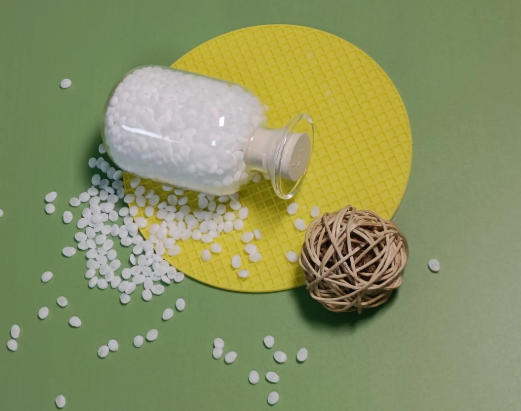
The following tests help ensure that a PP Masterbatch meets performance expectations before mass production:
- Colorimetric Analysis: Measures ΔE color difference values.
- Tensile and Impact Testing: Assesses mechanical integrity after batch blending.
- Melt Flow Index (MFI) Test: Checks rheological compatibility.
- UV Aging Test: Monitors color retention and durability under simulated sunlight.
- Migration and Extraction Test: Ensures stability in food-grade or contact-sensitive applications.
Using laboratory-scale trial extrusion or injection runs before bulk purchasing allows engineers to evaluate processing stability and final product aesthetics.
A Masterbatch's effectiveness depends on its internal formulation, which includes:
- Pigment Type: Organic pigments provide brilliant colors, while inorganic pigments offer opacity and heat resistance.
- Additive Concentration: Determines the intensity and duration of functional effects.
- Carrier Resin Selection: Ensures compatibility with polypropylene melt flow and crystallization behavior.
- Dispersing Agents and Stabilizers: Improve uniformity and prevent pigment agglomeration.
Masterbatch manufacturers often adjust formulations based on customer requirements for opacity, surface gloss, or UV protection. Partnering with an experienced supplier ensures you receive tailored solutions instead of generic blends.
Selecting a reliable masterbatch manufacturer can significantly influence your success. Consider the following:
- Technical Expertise: Ability to develop custom formulations for specific PP applications.
- R&D Capability: Access to laboratory testing and color matching.
- Quality Control: Documented QC process and ISO-certified facilities.
- Global Supply Support: Consistent logistics, localized service, and competitive pricing.
Partnering with a supplier experienced in polymer science and compounding technology ensures stable quality and long-term support as your product portfolio evolves.
Clarify whether you seek aesthetic enhancement, functional improvement, or cost reduction. This defines your masterbatch category.
Check base resin type, processing temperature, and MFI to ensure seamless blending. Request trial blends if possible.
Validate color matching, dispersion, and processing stability before approving bulk supply.
Review technical parameters such as melting point, carrier type, and pigment content. Compliance certificates like RoHS or REACH indicate product reliability.
The cheapest option is seldom the most efficient. Consider long-term savings from stable processing, fewer rejects, and improved product consistency.
In plastic packaging, PP Masterbatch ensures clarity, printability, and mechanical strength. Anti-block and slip masterbatches reduce film sticking, improving process speed.
Automotive manufacturers choose UV and heat-resistant masterbatches for durable, fade-free components. Black masterbatch provides UV stabilization and improved surface gloss.
Color and antistatic masterbatches enhance performance of polypropylene yarns and nonwoven fabrics while maintaining lightness and flexibility.
Appliances, containers, and furniture rely on customized color masterbatches to create aesthetically consistent, durable products.
Functional masterbatches such as anti-fog, IR-blocking, and UV-protective types extend the lifespan of greenhouse films and nets exposed to sunlight.
Sustainable production now drives masterbatch innovation. Manufacturers are developing bio-based carrier resins, low-VOC pigments, and recyclable formulations that maintain performance while reducing environmental footprint.
Moreover, properly dosed masterbatch reduces pigment waste, blending time, and machine cleaning frequency—leading to lower overall energy consumption.
Selecting the right PP Masterbatch involves more than choosing a color—it means balancing performance, compatibility, cost, and sustainability. A well-chosen masterbatch ensures processing stability, enhances product appeal, and meets regulatory compliance across industries.
By understanding your application requirements, evaluating supplier capabilities, and validating performance through testing, you can achieve durable, consistent, and high-performing polypropylene products that stand out in the global market.
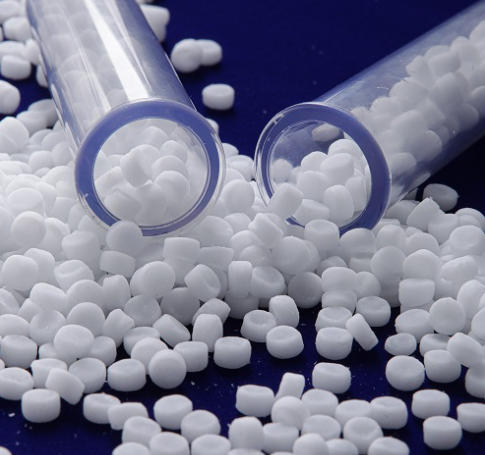
A PP Masterbatch provides color or functional properties to polypropylene materials without compromising base polymer quality. It allows precise additive dosing and enhances consistency.
Not always. Compatibility depends on melt flow index and processing temperature. Always match the carrier resin with your PP grade for optimal dispersion.
Generally, add 1–5% depending on pigment concentration and desired effect. Higher doses may increase cost and affect mechanical performance.
Common tests include color dispersion, MFI measurement, UV aging, and migration resistance. These ensure stability under real processing conditions.
Yes. Many manufacturers now produce biodegradable or halogen-free Masterbatches using bio-resins or recyclable carriers, suitable for sustainable applications.


