


close
Choose Your Site
Global
Social Media


Views: 222 Author: Rebecca Publish Time: 2026-01-26 Origin: Site


Content Menu
● Understanding Patio Plastic Materials
● Common Problems with Patio Plastic Materials
● Step-by-Step: How To Repair Cracked Patio Plastic
>> Step 1: Clean the Damaged Area
>> Step 2: Smooth and Prepare the Edges
>> Step 3: Apply Plastic Adhesive or Heat Weld
>> Step 4: Fill, Shape, and Cure
● Restoring Color with Masterbatch Technology
>> Benefits of Using Masterbatch in Repair:
● Fixing Faded or Discolored Plastic
● FAQ
>> (1) What is Masterbatch used for in plastic repair?
>> (2) Can I use regular paint instead of Masterbatch?
>> (3) How do I know which adhesive is right for my patio plastic?
>> (4) Is it safe to heat plastic during repair?
>> (5) How can I prevent my patio plastic from fading again?
Maintaining outdoor furniture can be challenging, especially if your patio pieces are made from various types of plastic materials that face harsh sunlight, rain, and temperature fluctuations. Cracks, discoloration, fading, or brittleness are common issues, but fortunately, these problems can be fixed without replacing your items entirely.
This article provides detailed guidance on how to repair different types of patio plastic materials effectively. Additionally, it explores how Masterbatch products can enhance repair quality, extend the material's lifespan, and improve color restoration.
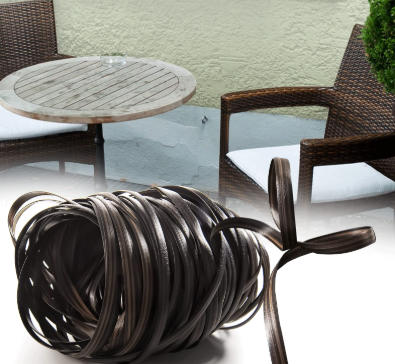
Outdoor furniture and patio structures often use several kinds of plastic, such as polyethylene (PE), polypropylene (PP), polyvinyl chloride (PVC), and acrylic. Each type has unique characteristics that determine its durability, flexibility, and resistance to UV rays.
- Polyethylene (PE): Lightweight and impact-resistant, commonly found in molded chairs and tables.
- Polypropylene (PP): Stiffer and more heat-resistant, used in higher-end furniture frames.
- PVC: Durable and weatherproof, generally used in tubing, fencing, and panel structures.
- Acrylic: Offers excellent transparency and aesthetics but is prone to scratches and cracks.
Over time, UV exposure and thermal cycling cause structural degradation. Using a Masterbatch during production or repair helps reinforce color and UV stability, making plastic materials more resistant to wear and environmental stress.
Before starting repairs, it helps to identify typical issues affecting outdoor plastics:
1. Cracks and fractures: Small hairline cracks can grow into deep splits if not treated quickly.
2. Fading or discoloration: Prolonged UV exposure causes color fading, especially on bright plastic furniture.
3. Surface oxidation: White, chalky residue often forms due to polymer oxidation.
4. Brittleness: Plastic loses elasticity, making it more prone to breaking under pressure.
5. Mold or stain buildup: Persistent moisture can promote organic growth, especially in shaded areas.
Understanding the cause helps you choose the right repair materials and cleaning agents for long-term performance and aesthetics.
Start by identifying the material type stamped or labeled on your furniture. The recycling codes (e.g., PE, PP, PVC) help determine the best adhesive or filler to use. Certain plastics, like polypropylene, are challenging to bond without a surface treatment or heat welding.
For effective repairs, you'll typically need:
- Fine-grit sandpaper or rotary tool
- Plastic adhesive or epoxy resin (compatible with the type of plastic)
- Putty knife or applicator
- Heat gun or soldering iron (for welding repairs)
- Masterbatch-enhanced filler for color restoration
- UV-resistant topcoat or sealant
Always clean the area before repair to ensure strong adhesion.
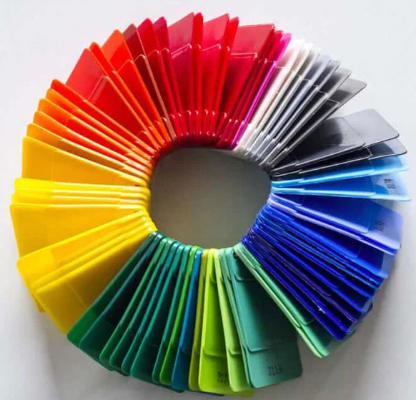
Use warm water and mild detergent to remove dirt, grease, and mold. A clean surface allows repair materials to bond effectively.
Use sandpaper to roughen the crack edges slightly. This step ensures the adhesive or melted plastic bonds more securely.
Depending on the material:
- For PE and PP: Heat welding often works better than glue. Use a heat gun or plastic welding rod.
- For PVC: Specialized PVC cement or adhesive provides strong bonding.
- For Acrylic: Use clear epoxy or acrylic repair resin for transparent surfaces.
Mix Masterbatch-infused filler if you need to restore the original color and structural strength.
Apply the adhesive or melted filler into the crack, smooth the surface with a putty knife, and allow it to cure fully. Ensure proper ventilation during curing.
Once the repaired area hardens, sand it lightly until smooth. Use fine sandpaper (400–600 grit) for a polished finish. Apply UV-protective coating or wax polish to prevent future fading.
Masterbatch plays a crucial role in restoring and maintaining the visual appeal of outdoor plastic materials. It consists of concentrated pigments or additives dispersed in a polymer carrier, used to color or enhance plastic during manufacturing or repair.
- Color Matching: Helps achieve precise color restorations compared to paint or dye.
- UV Resistance: Enhances lightfastness and protects against degradation.
- Improved Durability: Reinforces mechanical strength and chemical resistance.
- Weather Stability: Maintains gloss and color consistency under prolonged outdoor exposure.
In DIY repairs, small amounts of color Masterbatch pellets can be blended with thermoplastic resin or melted directly into the repair compound. This ensures consistent coloration and longevity, unlike surface paints that fade quickly.
Faded furniture can look aged but is usually repairable with some effort.
1. Clean thoroughly: Remove oxidation with baking soda or plastic cleaner.
2. Recolor: Mix a Masterbatch-based colorant with polyethylene wax or compatible resin to create a restoring paste.
3. Apply evenly: Rub the mixture across the surface with a cloth or sponge.
4. Seal: Use a UV-protective clear coat or spray varnish to maintain brightness.
This method gives new life to weather-worn pieces while maintaining their structural integrity.
Prevention is more effective and economical than repeat repair. Follow these maintenance practices:
- Store furniture under shade or indoors during winter.
- Wash plastics regularly to remove dirt and organic residues.
- Apply UV inhibitors or Masterbatch-based surface coatings annually.
- Avoid using harsh solvents that strip protective films.
- Repair minor cracks immediately to prevent spreading.
By integrating Masterbatch-enhanced protective coatings, you significantly extend the lifespan of your patio plastic materials.
While most household cracks and discolorations can be fixed at home, professional restoration may be necessary for high-value pieces or severe structural damage.
DIY Repair is cost-effective and ideal for minor issues, using tools like epoxy, heat guns, and off-the-shelf fillers. Professional repair, on the other hand, often involves color-matched Masterbatch additives and industrial welding methods, providing stronger, cleaner finishes suited for large furniture or installations.
Repairing patio plastic material isn't just about patching cracks — it's about ensuring durability, aesthetics, and sustainability. With the right approach and the help of Masterbatch-based compounds, you can revive old outdoor furniture, maintain color vibrancy, and guard against future deterioration.
By understanding plastic types, using quality repair tools, and applying preventive coatings, you'll extend the service life of your patio materials while reducing environmental waste and replacement costs.
Answer: Masterbatch contains pigments and additives used to restore color, improve UV resistance, and enhance the physical strength of plastic materials during or after repair.
Answer: Regular paint might temporarily improve appearance but lacks durability. Masterbatch integrates within the polymer, ensuring long-lasting color stability and weather resistance.
Answer: Check the material type label (e.g., PE, PP, PVC). Each plastic requires a specific adhesive or welding technique for proper bonding.
Answer: Yes, but work in a well-ventilated area. Use controlled temperatures to melt or weld plastic without releasing harmful fumes or burning the surface.
Answer: Regularly apply UV-resistant coatings, use Masterbatch-enhanced finishes, and cover furniture when not in use to minimize sunlight exposure.


