


close
Choose Your Site
Global
Social Media


Views: 222 Author: Rebecca Publish Time: 2026-01-26 Origin: Site


Content Menu
● Understanding Composite Black Plastic Materials
● Reasons for Removing Coverings
● Types of Coverings Found on Composite Plastics
>> 2. Alkali or Detergent Solutions
>> 3. Thermal-Aided Chemical Baths
● Environmental and Safety Considerations
● Best Practices and Expert Tips
● FAQs About Removing Coverings from Composite Black Plastics
>> 1. What is a Masterbatch, and why is it important?
>> 2. Can I use strong solvents to remove coatings from Masterbatch composites?
>> 3. Is heating safe for all composite plastics?
>> 4. How can I tell if the covering is completely removed?
>> 5. Can removed coverings be recycled?
The process of removing the surface covering or outer layer of a composite black plastic material is a crucial step in recycling, reprocessing, or repairing polymer-based products. For manufacturers, engineers, and researchers dealing with Masterbatch-based composites, this task must balance efficiency, safety, and the preservation of base material properties.
In modern industries, composite plastics reinforced or modified with Masterbatch materials—such as colorants, fillers, or additives—play a key role in packaging, automotive parts, electronics housings, and construction applications. Understanding how to safely remove coverings off these composites ensures a higher-quality finish, allows for effective surface treatment, and promotes sustainability.

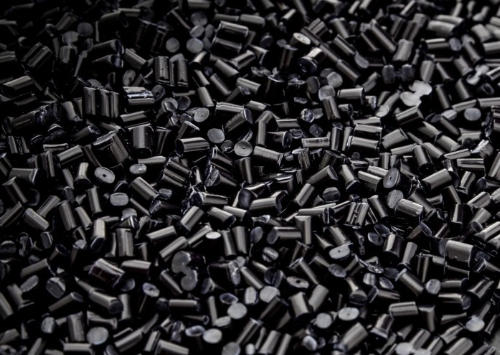
Composite black plastic materials are usually made from polymers like polypropylene (PP), polyethylene (PE), polyamide (PA), or ABS, combined with functional additives through Masterbatch technology. The black coloration generally results from the inclusion of carbon black Masterbatch, which also enhances UV resistance and durability.
A Masterbatch acts as a concentrated mix of pigments or performance-enhancing additives dispersed in a polymer carrier. When added to a base resin, it provides uniform color and mechanical properties. The final composite product might include a protective coating, laminated film, or a surface powder coating that needs to be removed before secondary processing or recycling.
There are several reasons why removing the covering of a composite black plastic material is essential:
- Recycling and material recovery: Surface layers, especially painted or laminated coatings, must be removed to ensure that the base polymer and Masterbatch can be reused efficiently.
- Surface treatment or adhesion: For gluing, coating, or painting, a clean and roughened surface is important.
- Quality control and maintenance: Damaged or faded coverings can compromise performance in automotive and industrial applications.
- Component repair: During refurbishment, it's necessary to strip old coatings before applying new protective layers.
Ultimately, surface preparation affects product durability and appearance, both of which are influenced by the underlying Masterbatch composition.
Before selecting the right removal technique, it's essential to identify the type of surface layer used. These coverings may include:
1. Paint or coating: May involve polyurethane, epoxy, or acrylic resin, strongly bonded to the Masterbatch-enhanced substrate.
2. Adhesive film: Often used in packaging or decorative panels; typically heat-sealed on Masterbatch-modified plastics.
3. Mold release layer: A thin chemical film remaining from molding processes.
4. Oxidized or degraded layer: Caused by UV exposure or heat during product use, particularly in carbon black Masterbatch composites.
Each type requires a different cleaning or stripping approach.
Mechanical methods are the most straightforward way to remove coverings physically from the surface of composite plastics. These methods include:
Manual or automated sanding can be highly effective for rigid plastics. Use fine-grit sandpaper or orbital machines to evenly remove the top layer without damaging the base polymer. This approach works well when the Masterbatch composition provides structural toughness.
For large areas or thick coverings, specialized scrapers or precision blades can efficiently strip top layers. Operators must work carefully to avoid gouging the substrate, which could expose non-uniform Masterbatch-colored surfaces.
Compressed air with glass beads or plastic pellets can remove paint and coatings from Masterbatch-based composites. It provides controlled removal, ideal for surfaces requiring high cleanliness before repainting.
Mechanical methods are favored for their simplicity and avoidance of chemical waste, though they may not suit complex geometries.
Chemical stripping can dissolve or soften coatings while leaving the core Masterbatch-infused polymer relatively intact. Always perform compatibility tests before applying these chemicals:
Acetone, xylene, or other organic solvents can dissolve adhesive residues and clear coatings. For Masterbatch composites, verify chemical resistance since strong solvents can attack polymer chains or alter pigment dispersion.
For laminated films or environmental residues, weak alkaline solutions or industrial detergents can break adhesive bonds without harming most polyolefin-based Masterbatch matrices.
A combination of moderate heat (60–80°C) and chemical solutions helps soften the top layer faster. However, avoid excessive heat to prevent distortion in Masterbatch materials like polypropylene or ABS.
Ensure proper ventilation and personnel protection when using these methods.
Heating slightly above the covering's softening point but below the polymer's melting temperature allows for safe removal. Tools like heat guns or infrared heaters can assist in peeling off films or coatings.
For black Masterbatch composites, which absorb more infrared energy, temperature control is key. Too much heat risks surface damage or discoloration, altering the composite's morphology and gloss.
Advanced industrial methods use laser ablation to remove coatings with high precision. The laser vaporizes thin surface layers, leaving the Masterbatch matrix below untouched. This technology suits electronic components and automotive trim parts requiring exact surface definition.
Because Masterbatch-based composite materials often contain additives and pigments, improper removal techniques risk releasing hazardous particles or fumes. To minimize environmental impact:
- Use solvent recyclers or closed-loop systems to capture vapors.
- Prefer mechanical removal where possible.
- Ensure waste coverings are disposed of per local environmental regulations.
- Implement ventilation systems when heat or chemicals are used.
Safe handling ensures worker protection and material integrity.
1. Always identify the Masterbatch type before choosing removal methods. Different carriers (PE, EVA, ABS) behave differently under heat or solvents.
2. Test removal on a small area first to avoid irreversible damage.
3. Use multi-step cleaning: mechanical abrasion followed by mild solvent rinse.
4. Keep surfaces free from dust or oily residue after removal.
5. Document removal parameters for process reproducibility in manufacturing environments.
Choosing the right combination of techniques ensures efficiency and consistency across batches.
- Automotive industry: Removing paint defects from black Masterbatch bumpers before repainting.
- Electrical housings: Cleaning oxidized coatings from polypropylene composite shells.
- Construction materials: Stripping laminated surfaces on Masterbatch film panels for recycling.
- Packaging: Reusing multilayer plastic films after separation of external decorative coatings.
Each scenario highlights the importance of understanding polymer chemistry and Masterbatch properties before removal.
Removing the covering from composite black plastic materials requires a careful balance of mechanical precision, chemical compatibility, and thermal control. Since these materials contain optimized Masterbatch formulations that define color, strength, and UV performance, improper stripping can compromise the final product.
By selecting the appropriate removal method—whether mechanical, chemical, or thermal—manufacturers can maintain high material quality while enhancing sustainability. Always prioritize safety, environmental responsibility, and consistent process validation when working with Masterbatch-based composites.
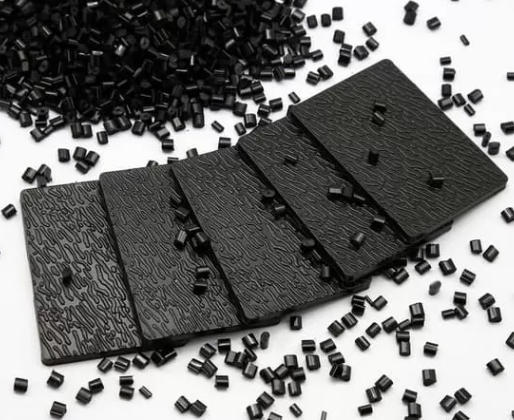
A Masterbatch is a concentrated mix of pigments or additives used to color or modify plastics. It ensures consistent color, dispersion, and mechanical properties in composite materials.
Not always. Strong solvents like acetone may cause chemical degradation or decolorization. Always test compatibility to ensure the Masterbatch-rich base resin remains intact.
Moderate heating helps soften coverings, but excessive heat can warp Masterbatch-based polymers. Use controlled temperatures to avoid structural or color damage.
Look for uniform surface color, smooth texture, and consistent gloss. A clean Masterbatch surface should show no streaking, film residue, or discoloration.
In some cases, yes. Clean, chemically non-reactive layers can be reprocessed. However, coatings with multi-component adhesives may require energy recovery or disposal per regulations.


