


close
Choose Your Site
Global
Social Media


Views: 222 Author: Rebecca Publish Time: 2026-01-26 Origin: Site


Content Menu
● Understanding Plastic Surface Properties
>> Common Plastics Used for Printing
● Pre-Treatment and Surface Preparation
● Printing Technologies for Plastic Materials
>> 4. Hot Stamping and Heat Transfer
>> 5. Gravure and Flexographic Printing
● The Critical Role of Masterbatch in Plastic Printing
>> How Masterbatch Enhances Printability
● Ink Selection and Adhesion Testing
● Practical Tips for Successful Plastic Printing
● Environmental and Sustainability Considerations
● FAQ
>> 1. What is the best printing method for plastic materials?
>> 2. Why is masterbatch important in plastic printing?
>> 3. Can UV printing be used on all plastic types?
>> 4. How do I test print adhesion on plastic?
>> 5. Are printed plastics recyclable?
Printing on plastic materials is not as simple as printing on paper — it requires understanding the chemical and physical properties of plastics, selecting proper printing methods, and choosing the right additives such as masterbatch to achieve durable and vivid results. Modern industries, from packaging to automotive, rely heavily on printed plastics for branding, labeling, and product decoration. This article explores in detail how to print on different types of plastic materials, the role of masterbatch, and the best practices for long-lasting, high-quality prints.

Plastics vary widely in surface energy, which directly affects print adhesion. Materials like polypropylene (PP) and polyethylene (PE) have low surface energy, making it difficult for inks or coatings to adhere. In contrast, polycarbonate (PC) and ABS have higher surface energies, allowing easier ink bonding.
Before printing, surface treatment is often necessary. The purpose is to increase wettability and make sure the ink or paint strongly adheres. Treatments such as corona discharge, flame treatment, or plasma treatment modify the molecular structure of the plastic surface, improving its receptivity to printing inks.
- Polyethylene (PE): Common in packaging films and bottles.
- Polypropylene (PP): Used in containers, labels, automotive parts.
- PVC (Polyvinyl Chloride): Ideal for cards, signs, and industrial labels.
- PET (Polyethylene Terephthalate): Popular in flexible packaging and bottles.
- ABS (Acrylonitrile Butadiene Styrene): Used in electronics, toys, and high-end molded parts.
Dust, oil, or mold-release agents can interfere with adhesion. Use mild detergents, isopropyl alcohol, or UV cleaning systems to ensure a spotless surface before any printing process begins.
Low surface energy plastics, such as PE and PP, need surface activation:
- Corona Treatment: Uses electrical discharge to oxidize the surface.
- Flame Treatment: Briefly exposes plastic to a flame to increase polarity.
- Plasma Treatment: A high-tech approach for precise and uniform modification.
In some cases, applying a primer layer improves ink adhesion further. Primers are particularly effective in high-demand applications like automotive interiors, where durability is essential.
There are multiple techniques to print directly on plastics, each suited to different geometries, production scales, and ink systems. The choice depends on the product's shape, surface, and desired print resolution.
Screen printing remains one of the most widely used methods for plastic materials. It works by pressing ink through a mesh stencil onto the substrate. This process delivers thick, durable layers of ink — ideal for outdoor applications, signage, and promotional items.
Advantages:
- Excellent opacity and color density.
- Works well with UV-curable inks.
- Compatible with curved and flat surfaces.
Considerations:
- Slower for high-volume printing.
- Requires drying or curing between colors.
Pad printing transfers ink from an etched plate via a silicone pad onto curved or irregular surfaces. It's widely used for plastic parts like keyboards, toys, and containers.
Advantages:
- Ideal for 3D shapes.
- High precision and consistency.
- Works with solvent-based and UV inks.
Considerations:
- Limited print area.
- Requires meticulous setup and control.
UV inkjet printing has become increasingly popular because it eliminates screen or plate creation. Instead, digital printers apply UV-curable inks directly onto the plastic substrate and instantly cure them using UV light.
Advantages:
- Full-color, high-resolution prints.
- On-demand customization and variable data.
- Shorter production time.
Considerations:
- Equipment cost is high.
- Adhesion varies depending on plastic type and treatment.
This method transfers pre-printed designs from a film onto plastic using heat and pressure. It's common in decorative packaging and electronics branding.
Advantages:
- Offers a metallic or glossy finish.
- Clean and dry process (no liquids).
Considerations:
- Limited color variation.
- High initial setup cost for films.
For large-scale packaging, flexographic and gravure printing dominate. Both are roll-to-roll processes suitable for films and laminates.
Advantages:
- High speed for mass production.
- Excellent repeatability and ink control.
Considerations:
- Requires flexible substrates and pre-treated films.
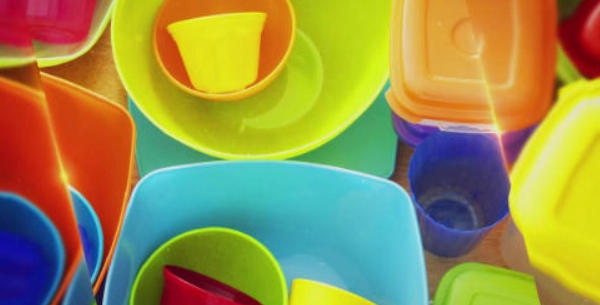
The masterbatch plays a crucial role in preparing plastic for printing and coloring. It is a concentrated mixture of pigments or additives encapsulated during a heat process into a carrier resin, which is then cooled and cut into granules for easy dosing.
1. Improved Color Consistency:
Using color masterbatch ensures uniform color distribution throughout the plastic product, ensuring the printed area matches the base material perfectly.
2. Increased Surface Energy:
Additive masterbatches can improve surface tension and wettability, making the plastic more receptive to inks and coatings.
3. UV and Heat Resistance:
Masterbatches with UV stabilizers or antioxidants protect the plastic and printed layers from fading, distortion, or degradation under sunlight exposure.
4. Functional Additives:
Anti-blocking, anti-static, or slip masterbatches influence how inks spread, dry, and adhere. Selecting the right formulation is key for print durability.
5. Special Effect Masterbatch:
Metallic, pearlescent, or fluorescent masterbatches add a unique appearance, enhancing brand appeal.
When developing printable plastic materials, masterbatch design must align with both the resin type and intended printing process. This collaboration between material science and printing technology ensures superior visual and functional performance.
The ink formulation must match both the plastic type and printing method:
- Solvent-based inks dissolve partially into plastic surfaces, creating strong mechanical bonds.
- UV-curable inks are cured instantly using ultraviolet light for fast production.
- Water-based inks are eco-friendly but need treated surfaces to achieve good adhesion.
After printing, several tests confirm the durability of the print:
- Crosshatch Tape Test: Measures adhesion strength by checking ink resistance to peeling.
- Abrasion Resistance Test: Evaluates wear under rubbing or handling.
- Chemical Resistance Test: Exposes printed samples to oils, solvents, or detergents.
Regular quality checks guarantee that the print performance meets international standards such as ASTM or ISO.
1. Always select printing inks compatible with your resin and treatment process.
2. Confirm surface energy levels using dyne pens before printing.
3. Use drying or curing systems that match your ink type for complete adhesion.
4. Incorporate proper masterbatch formulations early in product design.
5. Conduct test runs to validate adhesion, color accuracy, and coating resistance.
6. Maintain environmental controls — temperature, humidity, and static levels influence outcomes.
- Packaging: Labels, pouches, plastic containers, and shrink sleeves benefit from vivid, durable prints.
- Automotive: Dashboard components and interior panels often combine masterbatch-colored plastics with pad-printed logos or icons.
- Consumer Goods: Toys, appliances, and stationery require aesthetic prints for branding.
- Medical Devices: Needs precise, non-toxic inks and compliant surface treatments.
- Electronics: ABS housings and PP covers typically include UV inkjet branding.
By combining optimized masterbatch formulations with advanced printing technology, industries achieve superior surface aesthetics and functionality, ensuring long-term brand consistency.
Printing on plastics should also take environmental impact into account. Recyclable resins combined with eco-friendly masterbatches and low-VOC inks help reduce pollution. Moreover, new developments in biodegradable masterbatch and water-based inks are leading the transition to greener manufacturing.
For recycling chains, it's important to ensure that printed layers do not compromise polymer reusability. Selecting compatible pigments and coatings ensures both print quality and recyclability of materials.
Printing on plastic materials demands a blend of science and creativity. From choosing the right resin and masterbatch to applying advanced surface treatments and printing technologies, every step contributes to the final result. A well-designed masterbatch ensures color precision, adhesion stability, and long-term durability — making it the cornerstone of successful plastic printing. By understanding surface chemistry and optimizing printing processes, manufacturers can create products that are both beautiful and functional, capable of withstanding environmental and mechanical challenges.
It depends on the application. Screen printing is ideal for durability, pad printing for curved surfaces, and UV inkjet printing for high-resolution, digital graphics.
Masterbatch enhances color uniformity, surface energy, and resistance properties, helping inks bond better with plastic surfaces and maintaining visual stability over time.
Not all plastics support UV ink adhesion without pre-treatment. Surfaces like PP and PE may need corona or plasma treatment to ensure successful bonding.
Use crosshatch, rub, or chemical resistance tests to evaluate how well ink adheres to the surface under different stress conditions.
Yes, if suitable inks and masterbatches are used. Eco-friendly formulations and compatible colorants allow printed plastics to remain recyclable without contamination.


