


close
Choose Your Site
Global
Social Media


Views: 222 Author: Rebecca Publish Time: 2026-01-23 Origin: Site


Content Menu
● Understanding Plastic Material and Its Properties
● Why Painting Plastic Requires Special Preparation
● Role of Masterbatch in Painting Plastic
>> Common Types of Masterbatch Relevant to Painting
● Step-by-Step Guide on How To Paint Plastic Material
>> Step 1: Identify the Plastic Type
>> Step 2: Clean the Surface Thoroughly
>> Step 3: Sanding and Surface Abrasion
>> Step 4: Apply an Adhesion Promoter or Primer
>> Step 6: Curing and Finishing
● Advanced Techniques for Industrial Plastic Painting
>> Examples of Industrial Applications
● Common Problems and Solutions
● Environmental and Safety Considerations
● FAQs About Painting Plastic Material
>> (1) What is masterbatch and how does it affect painting?
>> (2) Can all plastics be painted successfully?
>> (3) Do I need to sand plastic before painting?
>> (4) Is water-based paint good for plastic?
>> (5) How long should I wait before handling painted plastic items?
Painting plastic material is a challenging yet rewarding process, especially when the goal is to achieve durable, aesthetic, and functional finishes. With the rise of customized plastic solutions and the expanding role of masterbatch technology, understanding how to paint plastic properly is crucial for manufacturers and end-users alike. This guide explains the entire process—from surface preparation to coating application—while emphasizing the importance of masterbatch in achieving quality results.
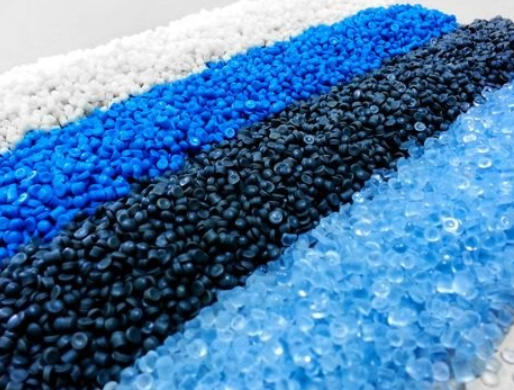
Plastic materials vary widely in composition and surface energy, factors that influence how well paint can adhere. Thermoplastics such as polypropylene (PP), polyethylene (PE), and acrylonitrile butadiene styrene (ABS) are common substrates but behave differently during painting.
- Low surface energy plastics like PE and PP resist adhesion.
- Engineering plastics such as ABS or polycarbonate (PC) provide better bonding surfaces.
- Filled plastics reinforced with glass fibers, carbon, or masterbatch additives can also change paint performance through modified surface chemistry.
This variability makes correct surface pretreatment and primer selection essential for consistent paint adhesion.
Paints adhere to surfaces through mechanical interlocking and chemical bonding. Unlike metals or wood, most plastic materials offer little porosity or chemical affinity for paint. Without surface activation, paints may peel, flake, or bubble after curing.
Moreover, additives like slip agents, plasticizers, or color masterbatch components can migrate to the surface, interfering with coating adhesion. Therefore, before applying paint, manufacturers should analyze the plastic's formulation to select proper cleaning and priming procedures.
Masterbatch plays a critical role in modifying both the visual and functional qualities of plastic materials before painting. It is a concentrated mixture of pigments, fillers, or additives encapsulated in a carrier resin. When properly dispersed, masterbatch enhances color stability, UV resistance, and paint adhesion.
- Color masterbatch: Introduces precise color tones that complement or replace painting when pigmentation alone is insufficient.
- Additive masterbatch: Improves surface characteristics such as antistatic behavior, UV stability, or slip resistance, which indirectly affect paint performance.
- Functional masterbatch: Enhances flame retardancy, thermal resistance, or surface texture, improving compatibility with coating materials.
Using the right masterbatch formulation ensures that the substrate behaves predictably during the painting process and maintains color uniformity across batches.
Begin by confirming the base resin. Label tests, recycling symbols, or manufacturer documentation can help identify the type of plastic. Each type reacts differently to surface treatments and primers:
- PP/PE: Require flame or corona treatment.
- ABS/PC: Suitable for direct primer application.
- Nylon or PVC: May need light sanding and solvent cleaning.
Remove all contaminants such as oils, mold-release agents, and dust. Common cleaning methods include:
- Isopropyl alcohol wipes to dissolve light residues.
- Detergent washing followed by warm water rinsing.
- Plasma or flame treatment to oxidize surface hydrocarbons and raise surface energy.
This step ensures that paint bonds to the plastic instead of to contaminants or migrated masterbatch components.
Light sanding improves mechanical anchoring by creating micro-textures. Use fine-grit sandpaper (400–600 grit) and move evenly across the surface. Be cautious not to generate heat or static during abrasion. After sanding, remove dust with compressed air or tack cloth.
Primers act as intermediaries between the non-porous plastic and the paint layer. For polypropylene or polyethylene, use adhesion promoters designed specifically for low-energy surfaces. Many industrial coatings include masterbatch-compatible primers that maintain good flexibility and UV stability.
Apply thin, even coats and allow adequate drying time as recommended by the manufacturer.
Choose paints that are chemically compatible with the type of plastic and masterbatch additives. Options include:
- Acrylic or polyurethane paints: Provide high gloss and flexibility.
- Epoxy coatings: Offer superior chemical resistance.
- Water-based paints: Eco-friendly alternatives with low VOC emissions.
Use spraying techniques for an even finish. Apply multiple thin layers instead of one thick layer to prevent dripping and uneven curing.
Allow the paint to dry under controlled temperature and humidity. For thermoplastics, avoid excessive heat that might warp the plastic. Curing times depend on paint type—most require 24–48 hours for maximum hardness.
Finish by inspecting the surface for defects such as orange peel, fisheye, or poor adhesion. Minor defects can be polished or recoated if necessary.
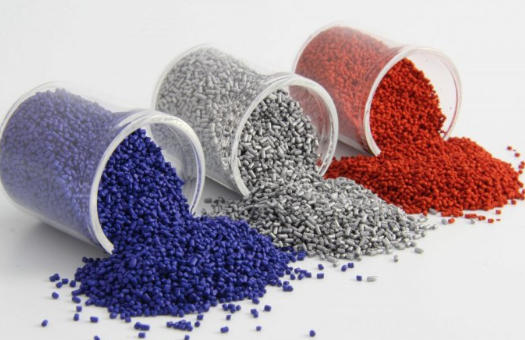
In large-scale production, painting plastic materials often combines automated systems, surface plasma treatment, and controlled additive integration. Masterbatch formulations may include surface-active agents that improve wetting and bonding during paint application.
- Automotive components: Painted ABS and PP for bumpers and trims.
- Consumer electronics: Painted PC/ABS blends for aesthetic housings.
- Packaging materials: Transparent PET containers with decorative coatings customized via color masterbatch.
- Household appliances: UV-resistant coatings on PA or PVC components enhanced through additive masterbatch.
Integrating masterbatch technology with painting reduces post-processing defects, optimizes pigment saturation, and enhances color harmony between molded and painted sections.
| Problem | Cause | Solution |
|---|---|---|
| Peeling paint | Poor surface preparation | Clean and apply suitable primer |
| Uneven coating | Incorrect spray distance or viscosity | Adjust equipment settings |
| Bubbling | Moisture or solvent retention | Ensure proper drying between layers |
| Color mismatch | Inconsistent masterbatch dispersion | Use high-quality, well-dispersed masterbatch |
| Gloss variation | Overheating or incompatible additives | Regulate curing conditions and check formulation |
By combining proper painting methods with controlled masterbatch content, manufacturers ensure consistent quality even across multiple production lots.
Modern manufacturing demands eco-friendly solutions. Traditional solvent-based paints emit volatile organic compounds (VOCs), whereas waterborne paints combined with optimized masterbatch formulations can achieve similar visual quality with reduced emissions.
When painting plastic materials, always ensure proper ventilation, use protective masks, and dispose of chemicals according to local regulations. Additionally, consider biodegradable masterbatch additives that enhance circular economy compliance and recyclability.
Painting plastic material requires an understanding of both the substrate's chemical nature and the role of additives like masterbatch in influencing paint performance. From identifying the plastic type to applying the correct primer and coating, each step determines durability and appearance. By integrating advanced masterbatch formulations, manufacturers can achieve superior adhesion, color uniformity, and environmental compliance—key qualities that define modern plastic innovation.
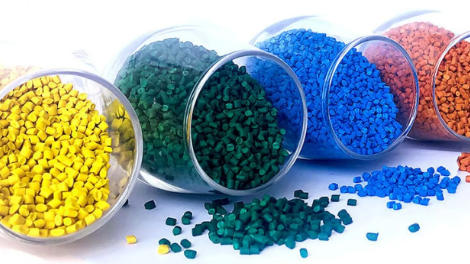
Answer: Masterbatch is a concentrated blend of pigments and additives used to modify plastic properties. Its components can affect paint adhesion by altering surface energy or chemical compatibility.
Answer: Most plastics can be painted if properly treated. Low surface energy plastics like PP and PE need special primers or flame treatment for paint to adhere effectively.
Answer: Light sanding improves mechanical adhesion by roughening the surface. However, use fine sandpaper and avoid overheating, which can deform soft plastics.
Answer: Yes, modern water-based paints designed for plastics provide eco-friendly finishes with excellent durability, especially when combined with masterbatch-optimized primers.
Answer: Wait at least 24 to 48 hours for full curing, depending on paint chemistry and ambient conditions. Handling too early can cause fingerprints or surface damage.


