


close
Choose Your Site
Global
Social Media


Views: 222 Author: Rebecca Publish Time: 2025-12-17 Origin: Site


Content Menu
● Benefits of Using ABS Masterbatch in Production
● Key Factors Affecting Production Efficiency with ABS Masterbatch
>> 2. Compatibility of Carrier Resin
>> 4. Processing Temperature and Shear Rate
● Strategies to Optimize Production with ABS Masterbatch
>> 1. Optimize the Mixing Ratio
>> 2. Improve Mixing and Feeding Systems
>> 3. Standardize Processing Parameters
>> 4. Implement Quality Monitoring Systems
>> 5. Collaborate with Your Masterbatch Supplier
● Common Applications of ABS Masterbatch
>> 4. Construction and Furnishings
● Sustainability and ABS Masterbatch
● Advanced Trends in Masterbatch Technology
● Implementation Example: Streamlining Injection Molding
● Best Practices for ABS Masterbatch Storage and Handling
● FAQ
>> 1. What is the ideal dosage ratio for ABS Masterbatch?
>> 2. Can ABS Masterbatch be used with other polymers?
>> 3. How does Masterbatch improve sustainability?
>> 4. What causes color inconsistencies when using Masterbatch?
>> 5. How should ABS Masterbatch be stored for long-term stability?
In modern plastic manufacturing, operational efficiency and material performance are two key competitive advantages. For companies looking to improve product consistency, reduce waste, and achieve higher production speed, ABS Masterbatch offers a powerful route to process optimization. Whether you produce automotive components, consumer goods, or electronic housings, understanding how to leverage ABS Masterbatch can significantly transform your production process.
This article explores practical strategies for optimizing production using ABS Masterbatch—from formulation design and color matching to extrusion and injection molding improvements—helping you maximize productivity and product quality simultaneously.
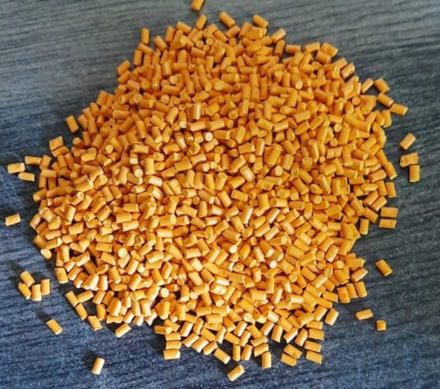
ABS Masterbatch (Acrylonitrile Butadiene Styrene Masterbatch) is a concentrated mixture of pigments, additives, and a carrier resin (usually ABS) that is blended into raw polymer materials. It provides manufacturers with a simple and consistent way to alter the appearance or properties of ABS plastics.
In essence, the masterbatch acts as a “functional booster” for plastics. By using it, manufacturers can precisely control color, UV stability, flame retardancy, or other performance features without compromising the material's mechanical integrity.
The adoption of ABS Masterbatch brings numerous benefits across various manufacturing lines:
- Enhanced Uniformity: Every batch of material maintains the same visual and mechanical properties.
- Reduced Costs: Lower pigment consumption and easier process control reduce material waste.
- Improved Productivity: Faster color changes and fewer defects shorten downtime.
- Sustainability: Masterbatch reduces direct pigment handling, resulting in cleaner and safer work environments.
- Customization: Tailored formulations meet specific application requirements for impact resistance, gloss, or thermal tolerance.
With these advantages, it's easy to see why industries ranging from automotive to electronics increasingly rely on advanced ABS masterbatch formulations.
Before exploring optimization methods, it's important to understand which aspects of production are directly impacted by masterbatch characteristics.
The dispersion of pigments and additives in the carrier resin affects color strength and uniformity. Inadequate dispersion can cause streaks, bubbles, or mechanical weaknesses in molded parts. High-quality ABS Masterbatch ensures uniform pigment distribution during melting and mixing.
The carrier resin in Masterbatch should match the base polymer used in production. Using ABS as a carrier for ABS resins ensures molecular compatibility, which reduces uneven mixing and improves mechanical bonding during processing.
When ABS Masterbatch is combined with other functional additives—such as antioxidants, UV stabilizers, or flame retardants—their interactions must be carefully managed. Ensuring additive stability prevents degradation during high-temperature extrusion or molding.
ABS materials are sensitive to excessive heat or shear forces. Setting the correct processing temperature profile and ensuring uniform shear distribution minimizes material degradation while improving the dispersion of Masterbatch components.
Now that the influencing factors are understood, let's break down practical steps you can take to optimize production using ABS Masterbatch.
Finding the right Masterbatch-to-resin ratio is crucial. Typically, a concentration between 2% and 5% offers the best balance between performance and cost-effectiveness. Too low, and color strength or special effects will be insufficient; too high, and the product may experience flow issues or surface defects.
Perform small-scale tests to evaluate:
- Color consistency across various temperatures
- Surface gloss and smoothness
- Melt flow index after Masterbatch addition
These data help establish the ideal dosage level for your production line.
For consistent Masterbatch performance, ensure precise feeding systems. Use gravimetric blenders instead of volumetric ones when possible—they measure material flow rate by weight, achieving higher accuracy.
Regularly clean mixing and feeding equipment to prevent contamination. Even minor residues from previous production runs can lead to unwanted color shifts or processing instability.
Create standardized settings for key parameters such as melting temperature, screw speed, back pressure, and injection speed. This consistency ensures that ABS Masterbatch disperses uniformly during production.
For example:
- Extrusion Temperature Range: 190–230°C depending on product thickness.
- Screw Speed: Moderate speeds around 50–80 rpm improve mixing without damaging the polymer.
- Cooling Time: Properly timed cooling prevents internal stress and color dullness.
Documenting and reusing these optimized parameters between batches boosts repeatability and production control.
Use spectrophotometers for color comparison and melt flow index testers to ensure viscosity control. Monitoring these parameters helps quickly detect any deviation caused by batch inconsistencies or environmental factors.
Data from these systems also guide formulation adjustments, ensuring the Masterbatch always meets your production requirements.
Customization is the key advantage of Masterbatch technology. Partnering with your ABS Masterbatch supplier allows you to:
- Develop tailor-made properties (e.g., anti-scratch, matte effect).
- Design optimized formulations for recyclability or lightweighting.
- Access technical advice on compounding, drying, and extrusion behavior.
A close supplier partnership ensures your production process benefits from consistent technical updates and quality improvement.
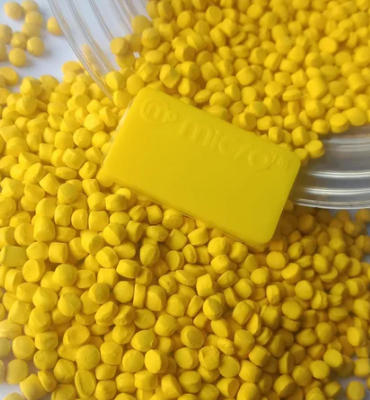
In manufacturing, ABS Masterbatch finds wide use in the following sectors:
ABS is valued for its high impact resistance and smooth finish. Masterbatch enables manufacturers to produce colored dashboards, interior trim, or handles with precise color fidelity and UV stability.
The electronics industry depends on ABS Masterbatch to deliver consistent aesthetics across complex molded parts. Specialized formulations also provide flame retardancy and anti-static properties essential for electrical insulation.
From vacuum cleaner housings to kitchen appliance casings, ABS Masterbatch ensures bright, durable, and scratch-resistant surfaces that retain their color even after long-term use.
ABS Masterbatch is also applied in window profiles, fittings, or decorative components requiring both toughness and visual appeal.
Sustainable production is no longer optional—it's an industrial necessity. Integrating ABS Masterbatch contributes to more environmentally responsible manufacturing by:
- Reducing pigment waste and direct handling.
- Facilitating recycling by using compatible colorants and additives.
- Extending product lifespan through enhanced UV and heat stability.
For even greater sustainability, choose bio-based or recyclable Masterbatch carriers, which lower overall carbon footprint without compromising on performance.
Modern innovations are pushing the boundaries of what ABS Masterbatch can achieve. Some notable trends include:
- Nano-additive Masterbatch: Incorporating nano-fillers for improved strength, flame retardancy, or electrical performance.
- 3D Printing Compatibility: Developing Masterbatch formulations optimized for additive manufacturing, expanding customization possibilities.
- Smart Functional Masterbatch: Responsive materials that change color or texture under environmental conditions (temperature, light, etc.).
These advancements unlock exciting new opportunities for next-generation manufacturing.
To illustrate how optimization works in practice, consider an injection molding company facing issues with inconsistent color depth and high cycle times.
By switching to a pre-dispersed ABS Masterbatch formulation and fine-tuning their screw speed and back pressure, the company achieved:
- A 25% reduction in production rejects due to improved color uniformity.
- A 15% shorter cycle time through better flow and cooling performance.
- Higher product gloss without surface streaks.
This highlights how process optimization powered by ABS Masterbatch can directly impact both operational efficiency and profitability.
To maintain product integrity:
- Store ABS Masterbatch in a dry, cool environment, ideally below 30°C.
- Avoid direct sunlight and high humidity, as moisture can cause bubble formation during processing.
- Use vacuum or airtight containers for long-term storage.
- Pre-dry the Masterbatch according to supplier recommendations (typically 2–3 hours at 80°C).
Proper handling practices prevent degradation and preserve the predictable performance of your plastic blends.
Optimizing your production process with ABS Masterbatch is one of the most straightforward and effective ways to boost manufacturing efficiency while maintaining high product quality. From improving dispersion and consistency to enabling sustainable, cost-effective operations, ABS Masterbatch provides manufacturers with unparalleled control over performance, color, and productivity.
By understanding its characteristics, optimizing processing parameters, and collaborating closely with your supplier, your factory can achieve greater repeatability, less waste, and superior end-product results. In a competitive market driven by innovation, the ABS Masterbatch advantage is not just optional—it's essential.
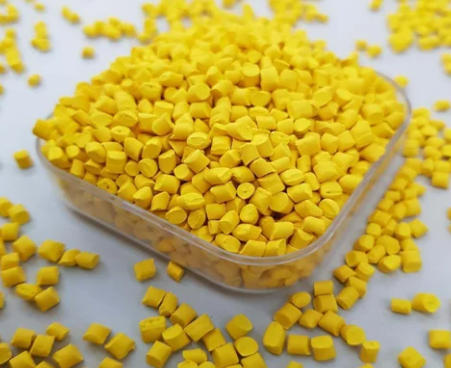
For most ABS applications, the Masterbatch dosage typically ranges between 2% and 5%. Exact levels depend on the desired color intensity and specific performance requirements.
Although ABS Masterbatch performs best with ABS resins, it can sometimes be used with compatible polymers like SAN or PC blends. However, always validate compatibility through testing before full-scale production.
Masterbatch reduces pigment waste, simplifies recycling, and decreases machine cleaning frequency. It also supports eco-friendly production by minimizing direct dust and pigment exposure.
Color variations often result from poor mixing, inaccurate feeding ratios, or temperature fluctuations during extrusion. Using automated feeding systems and monitoring temperatures can minimize these issues.
Keep Masterbatch sealed in moisture-proof packaging, stored in a dry, shaded area below 30°C. Always re-dry before processing if moisture absorption is suspected.


