


close
Choose Your Site
Global
Social Media


Views: 222 Author: Rebecca Publish Time: 2026-01-23 Origin: Site


Content Menu
● Understanding Why Plastic Sweats
>> Common Causes of Plastic Sweating
● The Role of Masterbatch in Plastic Formulation
● How to Make Plastic Material Not Sweaty: Key Steps
>> 1. Choose the Right Resin and Additives
>> 2. Use High-Performance Desiccant Masterbatch
>> 3. Optimize Processing Parameters
>> 4. Enhance Surface Properties with Anti-Fog or Anti-Blocking Masterbatch
>> 5. Improve Additive Compatibility
>> 6. Apply Proper Cooling and Post-Treatment
● Innovative Solutions Using Masterbatch Technology
>> Smart Masterbatch for Surface Regulation
>> Bio-Based and Sustainable Options
>> Case Example: Packaging Industry
● Quality Testing and Performance Evaluation
● The Economic Benefits of Anti-Sweat Technology
● Future Trends in Plastic Surface Management
● FAQ
>> 1. What is the main reason plastic becomes sweaty?
>> 2. How does desiccant Masterbatch work?
>> 3. Can anti-fog Masterbatch completely prevent condensation?
>> 4. Is Masterbatch suitable for recycled plastics?
>> 5. What industries benefit most from anti-sweat Masterbatch?
In the world of modern plastic manufacturing, one of the most common challenges is the phenomenon known as “plastic sweating.” This occurs when moisture, additives, or plasticizers migrate to the surface of plastic products, giving them a greasy or wet appearance. For manufacturers producing packaging materials, consumer goods, or engineering plastics, this issue can harm product aesthetics, functionality, and durability. Fortunately, advances in plastic formulations—especially through Masterbatch technology—offer effective solutions to prevent sweating and improve performance.
This article explores the causes of plastic sweating, the role of Masterbatch in modifying polymer properties, and effective strategies manufacturers can apply to ensure that their plastic materials remain dry, stable, and visually appealing.
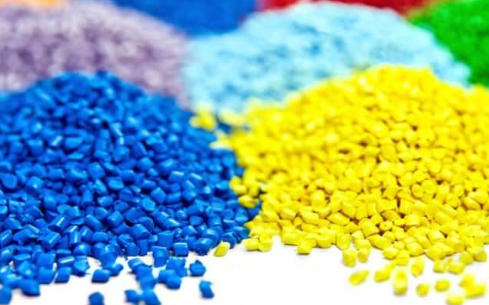
Before diving into solutions, it's crucial to understand why plastics start “sweating.” The effect is not literal perspiration but rather a chemical and physical reaction within the polymer system.
1. Plasticizer migration: Additives used to soften plastics can migrate to the surface over time due to incompatibility or high temperature exposure.
2. Moisture absorption: Hygroscopic polymers, such as nylon (PA) or polyester (PET), absorb ambient humidity, leading to visible condensation.
3. Improper formulation: Poor dispersion of additives, pigments, or Masterbatch ingredients can cause uneven distribution and surface defects.
4. Inadequate drying or processing conditions: When resin pellets or Masterbatch are not dried correctly, moisture can be trapped in the polymer matrix.
5. Thermal stress: Excessive processing temperature may cause decomposition of additives, releasing volatile compounds that condense on surfaces.
Understanding these mechanisms helps manufacturers take targeted actions—from material selection to process optimization—to eliminate the sweating problem.
A Masterbatch is a concentrated mixture of pigments, additives, or functional materials encapsulated within a carrier resin. It's used to impart color, UV resistance, antistatic properties, or other characteristics to the final plastic product without compromising base resin performance.
The use of a properly formulated Masterbatch ensures consistent additive dispersion, improved processing efficiency, and customization flexibility. For anti-sweating purposes, special types of Masterbatch—such as anti-fog, desiccant, and anti-blocking masterbatches—play an essential role.
- Desiccant Masterbatch: Absorbs residual moisture during processing, preventing hydrolysis and surface defects.
- Anti-Fog Masterbatch: Reduces the formation of water droplets on surfaces by modifying the surface tension of the polymer.
- Anti-Static Masterbatch: Minimizes dust accumulation and static charge that may attract moisture particles.
- Processing Aid Masterbatch: Enhances melt flow, reducing stress concentration and uneven temperature distribution.
Integrating these solutions allows manufacturers to produce high-quality plastic materials that remain smooth, dry, and stable under different conditions.
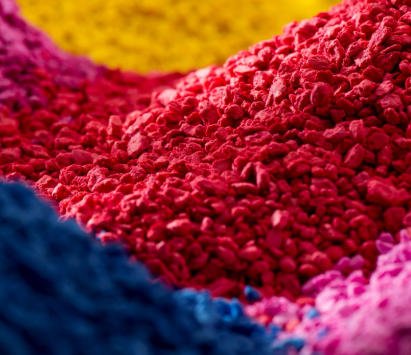
The selection of a base polymer determines how it behaves in humid or high-temperature environments. For example, polyolefins (like PE and PP) are non-hygroscopic, while nylon and PET absorb moisture easily. When designing moisture-resistant plastics, choosing a hydrophobic base resin and supplementing it with a Masterbatch that enhances stability is essential.
Desiccant masterbatch is one of the most effective ways to control sweating. It contains active mineral agents like calcium oxide, which reacts with moisture trapped inside the resin. During extrusion or injection molding, it captures this moisture, preventing the formation of steam bubbles and surface blemishes.
Benefits include:
- Reduced product rejection rate.
- Improved dimensional stability.
- Lower energy costs (less pre-drying time required).
Even the best Masterbatch cannot compensate for poor processing control. Manufacturers must ensure proper temperature profiles and screw design to achieve consistent melting, mixing, and degassing.
Key parameters to monitor:
- Barrel temperature: Avoid overheating that may cause additive decomposition.
- Screw speed: Maintain a balanced speed for uniform dispersion of the Masterbatch.
- Drying time: Properly dry hygroscopic polymers before compounding.
Anti-fog Masterbatch modifies the polymer surface energy so that moisture spreads evenly instead of forming droplets. This is a common solution for transparent films used in food packaging or greenhouse covers. Anti-blocking Masterbatch, on the other hand, reduces friction between film layers, minimizing surface stress where condensation may occur.
Incompatibility between the Masterbatch carrier resin and the base polymer may cause phase separation. Always match carrier resins—for example, use a PP-based Masterbatch for polypropylene products—to ensure stability and smooth dispersion.
After extrusion or molding, controlled cooling ensures that polymers crystallize properly. Rapid or uneven cooling can cause internal stresses that later lead to sweating. Post-treatment steps like controlled annealing or surface coating can further enhance moisture resistance.
Recent innovations have introduced smart Masterbatch formulations combining multiple functionalities—such as anti-static, anti-fog, and UV-resistance—in one compound. These multifunctional Masterbatch types also contain nanomaterials that help create a self-regulating surface, capable of maintaining a smooth and dry texture.
Green manufacturing trends are driving the development of bio-based Masterbatch using renewable polymers and natural desiccants. These not only improve moisture management but also help manufacturers meet global environmental standards (such as REACH and RoHS).
In food packaging films, sweating can lead to poor visibility and microbial growth. By applying a combination of Anti-fog Masterbatch with Slip Masterbatch, producers can achieve a clear surface while maintaining flexibility and sealing strength. This dual approach extends shelf life and enhances consumer appeal.
To ensure plastic materials remain sweat-free, manufacturers should implement systematic quality testing during and after production.
- Moisture content analysis: Determines residual water using Karl Fischer titration or infrared detection.
- Surface tension measurement: Evaluates wetting and anti-fog efficiency of Masterbatch.
- Visual inspection and gloss measurement: Checks for surface uniformity.
- Aging simulation tests: Examines long-term stability under temperature and humidity cycles.
Regular evaluation helps refine formulations and maintain consistency across batches.
Incorporating quality Masterbatch formulations does more than improve aesthetics—it enhances operational efficiency and profitability.
1. Reduced waste and rejects: Fewer surface defects mean higher yield rates.
2. Energy savings: Desiccant Masterbatch cuts pre-drying costs.
3. Improved product reputation: Stable, non-sweaty surfaces boost brand perception.
4. Simplified logistics: Drier plastic products are easier to store and transport, avoiding moisture-related degradation.
For large-scale producers supplying packaging, automotive, or consumer goods industries, these improvements directly translate into measurable financial advantages.
The future of non-sweaty plastics lies in smart masterbatch engineering and advanced compounding strategies.
- Nanocomposite Masterbatch: Incorporating nano-silica or graphene layers that actively repel moisture.
- AI-assisted polymer formulation: Machine learning helps predict additive interactions for maximum anti-sweat performance.
- Circular economy integration: Recyclable and biodegradable masterbatches designed for sustainable manufacturing lines.
As the market evolves, combining material science with digital design tools will become the key to manufacturing high-performing plastics that stay visually clean, dry, and stable for years.
Eliminating the sweating issue in plastics requires a comprehensive approach that combines material science, process control, and Masterbatch technology. By understanding the root causes and leveraging advanced formulations such as desiccant, anti-fog, and anti-static Masterbatch, manufacturers can achieve dry, durable, and aesthetically superior plastic products. Beyond improving product quality, these innovations contribute to lower production costs, higher customer satisfaction, and more sustainable production practices.
Ultimately, making plastic material “not sweaty” is not just a cosmetic improvement—it's a hallmark of technological maturity and manufacturing excellence in the evolving global plastics industry.
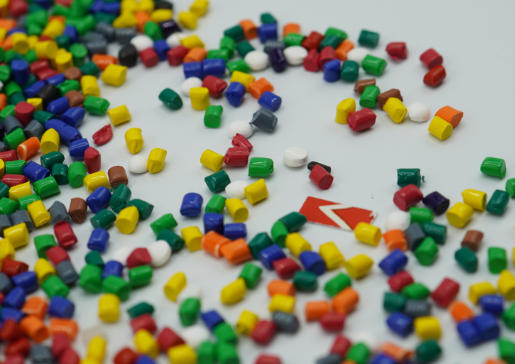
Sweating usually results from moisture migration or additive incompatibility within the polymer matrix. Using a desiccant Masterbatch can effectively absorb residual water and prevent this problem.
Desiccant Masterbatch contains moisture-absorbing minerals that chemically react with water during processing, ensuring dry, bubble-free surfaces and improved product stability.
While anti-fog Masterbatch cannot stop humidity, it changes how water interacts with the plastic surface—spreading droplets into a transparent film and thus preventing fogging.
Yes. Specialized Masterbatch designed for recycled resins improves dispersion, moisture control, and appearance, particularly when dealing with mixed or contaminated materials.
Packaging, automotive interiors, consumer appliances, and agricultural films benefit significantly because they require clear, clean, and durable plastic surfaces.


