


close
Choose Your Site
Global
Social Media


Views: 222 Author: Rebecca Publish Time: 2026-01-15 Origin: Site


Content Menu
● Understanding Plastic And Masterbatch
● Why Blender's Principled BSDF Works For Plastic
● Preparing Your Blender Scene
● Building A Basic Opaque Plastic Material
● Simulating Translucent Masterbatch Plastics
● Adding Surface Imperfections And Grain
● Using PBR Textures With Masterbatch-Like Plastics
● Creating A Master Library Of Plastic Materials
● Rendering And Refining Your Plastic Material
● FAQ
>> 1. What is Masterbatch in plastic materials?
>> 2. How do I choose the right Masterbatch color in Blender?
>> 3. Can Blender show the effect of additive Masterbatch on plastic appearance?
>> 4. How many plastic Masterbatch materials should I create in my library?
>> 5. Do PBR textures replace Masterbatch settings in Blender?
Creating a realistic plastic material in Blender is all about understanding how light interacts with polymers and then translating that behavior into a clean node setup using the Principled BSDF shader. When this workflow is combined with a clear idea of color, roughness, and surface imperfections, you can simulate anything from glossy packaging plastic to matte housings for Masterbatch based consumer products.[1][2][3]

In real manufacturing, most plastic products are not made from pure resin alone but from resin that has been modified with Masterbatch additives and colorants. A Masterbatch is a concentrated mixture of pigments and/or additives dispersed in a carrier material compatible with the base polymer, then pelletized for convenient dosing.[4][5][6]
Masterbatch allows processors to color plastics efficiently and to add UV resistance, anti-static behavior, improved mechanical strength, and other functional properties. Typical usage levels range from about 1–5% Masterbatch in the base polymer, which can subtly affect translucency, gloss, and surface feel—effects that can be mimicked visually when building plastic materials in Blender.[5][6][7][4]
The Principled BSDF shader in Blender is designed as a physically based “all-in-one” material node that can represent a wide range of surfaces, including plastic, metal, glass, and more. By controlling inputs such as Base Color, Roughness, Specular, Transmission, and Clearcoat, you can closely approximate how industrial plastic modified with Masterbatch behaves under light.[8][3]
Because Masterbatch-enhanced plastics often show controlled gloss, subtle micro-roughness, and slightly tinted translucency, the Principled BSDF's unified approach makes it easy to iterate quickly while keeping realistic energy-conserving shading. This flexibility allows you to create a single plastic “template” material and then duplicate and tweak it to visualize different Masterbatch colors and formulations across multiple parts.[9][3][1][8]
Before creating the plastic material, prepare a simple but clean scene so that the surface behavior is easy to judge.
- Add a few test objects such as spheres, cubes, and a beveled plane to reveal reflections and highlights clearly.[9][8]
- Switch to Cycles or high-quality Eevee settings, and enable scene lighting and HDRI environment maps to see how your Masterbatch-inspired plastic reacts to real-world illumination.[3][8]
Next, open the Shader Editor and create a new material on your test object; this will be your base plastic shader that can represent many different Masterbatch colors. Rename it clearly, for example “ABS_Plastic_Masterbatch_Red,” so it is easy to manage variations later in your project.[2][1][9]
An opaque plastic is the most common type used in packaging, housings, and many Masterbatch-colored consumer goods.
- Start from a Principled BSDF node connected to the Material Output.[3]
- Set Base Color to your target Masterbatch color—this could be a saturated brand color like vivid red or deep blue, which mirrors real color Masterbatch pellets.[6][4]
Now refine the surface behavior:
- Set Roughness between 0.2 and 0.5 for typical molded plastic; lower values give glossy, high-end finishes, while higher values mimic matte Masterbatch plastics used for industrial parts.[1][9]
- Keep Metallic at 0, because most standard Masterbatch-modified plastics are dielectric materials, not metals, even when they appear very glossy.[8][3]
This simple configuration already simulates many everyday Masterbatch plastic products such as caps, closures, and small containers. You can duplicate this material and only change the Base Color to represent an entire Masterbatch color series while keeping the same physical behavior.[7][4][2][6][1]
Many packaging and personal-care containers use translucent plastic colored by Masterbatch that allows partial light transmission. In Blender, this effect can be achieved by carefully mixing Base Color, Transmission, and Subsurface or Subsurface Color to match the dyed polymer.[4][6][9][8]
To create a translucent Masterbatch-style plastic:
- Increase Transmission toward 0.3–0.8, depending on how clear or milky the plastic should be.[9][3]
- Use a slightly desaturated Base Color that matches the tone of the Masterbatch pellets, and keep Roughness around 0.3–0.6 to break up reflections like real blown bottles.[1][9]
If you want a more “milky” or filled look that resembles Masterbatch containing fillers such as calcium carbonate, you can introduce Subsurface with a small radius and a color similar to off-white. This gives the impression of light scattering inside the plastic matrix, which is common in functional Masterbatch formulations designed for opacity and mechanical performance.[6][7][4]
Real plastic, especially those created with high-load Masterbatch formulations, often shows micro-roughness, grain, and fine scratches from handling and processing. Blender can simulate these imperfections using procedural textures connected to Bump nodes and the Roughness input.[10][8][1]
A typical workflow is:
- Add a Noise Texture or Musgrave Texture and connect it to a Bump node feeding the Normal input of the Principled BSDF to create small, irregular bumps.[8][1]
- Use a ColorRamp to control the intensity and scale of this pattern, creating seed-like or grainy surfaces similar to textured Masterbatch plastic for electronics housings.[10][1]
You can also drive the Roughness input using a separate Noise Texture to make certain areas glossier and others more matte, which simulates how Masterbatch distribution and mold-flow marks subtly alter surface gloss. These details make your Blender plastic material feel manufactured rather than perfectly computer-generated and idealized.[2][10][1]
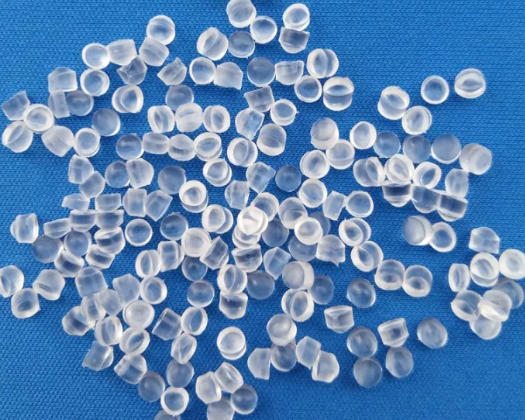
While procedural nodes are powerful, many workflows rely on PBR texture maps, such as color, roughness, normal, and sometimes height maps. This approach is especially helpful when matching existing Masterbatch-finished products or digital assets used for packaging visualization.[3][8]
To set up a plastic PBR material:
- Load your color, roughness, and normal maps into Image Texture nodes and connect them respectively to Base Color, Roughness, and a Normal Map node feeding the shader's Normal input.[8][3]
- Ensure the color map uses sRGB while roughness and normal maps use Non-Color data, so the physical interpretation remains accurate.[8]
By combining a solid Masterbatch-inspired base color with detailed PBR maps, you can emulate both the bulk pigment effect from the Masterbatch and the micro-surface details from molding and texturing. This method is ideal for catalog renders of plastic parts where each Masterbatch series must be shown consistently across many SKUs and product families.[4][2][1][8]
For a company focused on innovative plastic materials and custom Masterbatch solutions, building a reusable material library in Blender is a strategic step for marketing and engineering visualization. Each material can represent a specific Masterbatch recipe, including color, gloss level, translucency, and special effects such as metallic or pearlescent finishes.[5][6][4]
Recommended practices include:
- Organize materials by polymer family (PP, PE, PET, ABS) and Masterbatch type (color Masterbatch, additive Masterbatch, or combination).[5][6][4]
- Save node groups that encapsulate grain, scratches, and other typical Masterbatch plastic features, so designers can quickly reuse them while keeping a consistent visual identity.[11][1]
As product lines expand, new Masterbatch-based shades and functional plastics can be added to the Blender library, ensuring fast and accurate rendering for datasheets, web catalogs, and customer proposals. This approach also helps non-technical stakeholders visualize the impact of switching Masterbatch suppliers, adjusting loading levels, or adopting new sustainable formulations.[7][6][4]
Once the plastic material is defined, high-quality rendering is essential to showcase the subtleties introduced by Masterbatch and the underlying polymer system. Use physically plausible lighting, multiple light sources, and HDRI environments to check how the plastic responds under different scenarios, similar to how real Masterbatch samples are examined under standard light booths.[1][9][8]
Key tips include:
- Test the material on objects with varying curvature and thickness to observe how reflections, highlights, and internal transmission behave, especially for translucent Masterbatch plastics.[9][8]
- Adjust Roughness, Transmission, and Normal/Bump strength in small increments, since even modest changes can make a Masterbatch-based plastic appear either premium or low-cost.[1][9]
Exporting and reusing these materials across projects allows consistent representation of the same Masterbatch system in packaging mockups, product renders, and simulation videos. Over time, this improves both brand consistency and communication between design, marketing, and technical Masterbatch development teams.[2][6][4][1]
Blender provides a powerful and flexible environment to simulate plastic materials that closely resemble real-world products created with advanced Masterbatch formulations. By combining the Principled BSDF shader with procedural textures, PBR maps, and thoughtful control over color, roughness, and transmission, you can represent everything from opaque industrial Masterbatch plastics to translucent cosmetic packaging. Building a structured library of these materials not only enhances visual realism but also creates a practical bridge between digital design workflows and the physical science of Masterbatch-based plastic manufacturing.[6][4][2][3][9][1][8]
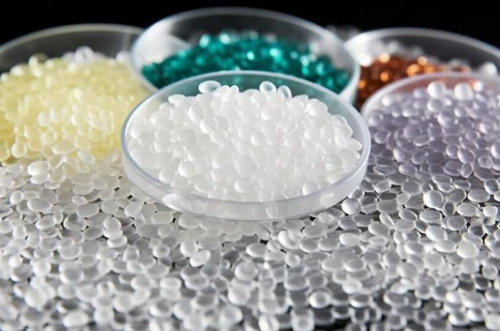
Masterbatch is a concentrated mixture of pigments and additives dispersed in a carrier resin, pelletized and later blended into base polymers to color and modify plastic properties. It allows processors to control color strength, opacity, UV resistance, and other functional characteristics with small, precise dosing levels during extrusion or molding.[7][4][5][6]
In Blender, you simulate Masterbatch color by setting the Base Color of the Principled BSDF to match the target shade of the Masterbatch pellets or final part. Reference real color chips or digital color values from your Masterbatch supplier, then fine-tune Roughness and Specular to mirror the gloss level of the finished plastic.[4][2][6][3][1]
Yes, Blender can approximate visual changes caused by additive Masterbatch, such as matting, pearlescent effects, or metallic sparkle. These are achieved by combining different node setups—using Noise or Voronoi textures for micro-roughness, Clearcoat or Specular tweaks for gloss, and sometimes additional color layers to simulate special-effect Masterbatch systems.[2][3][1][8]
For a typical product line, it is effective to create at least one Blender material per major Masterbatch formulation, covering base colors and key additives such as UV stabilizers or anti-static packages. Over time, this library may grow to dozens of Masterbatch-inspired materials, but consistent naming and categorization by polymer, color, and functionality will keep it manageable.[6][4][2]
PBR textures complement rather than replace the concept of Masterbatch in Blender materials. The underlying Masterbatch idea is reflected in overall color, translucency, and gloss, while PBR maps add micro-level detail like surface texture, scratches, and subtle variation that make the plastic appear realistically processed and aged.[3][1][8]
[1](https://www.youtube.com/watch?v=3MjmARHii2A)
[2](https://www.artstation.com/blogs/jsabbott/om3a/how-to-make-three-procedural-plastic-materials-in-blender)
[3](https://docs.blender.org/manual/en/latest/render/shader_nodes/shader/principled.html)
[4](https://www.tosaf.com/article/plastic-masterbatch-article/)
[5](https://en.wikipedia.org/wiki/Masterbatch)
[6](https://europlas.com.vn/en-US/blog-1/masterbatch-definition-applications-market-trends-and-more)
[7](https://usmasterbatch.com/products/what-is-masterbatch-meaning-masterbatch-manufacturing-process.html)
[8](https://www.youtube.com/watch?v=y8uSR8V8olw)
[9](https://www.youtube.com/watch?v=NFCaTAGZQzE)
[10](https://www.youtube.com/watch?v=vkkf3O4Ofmo)
[11](https://www.reddit.com/r/blender/comments/q8zbbh/i_created_a_realistic_pbr_procedural_plastic/)
[12](https://www.youtube.com/watch?v=AYDjqXizaYs)
[13](https://www.youtube.com/watch?v=6dn40rhbw08)
[14](https://www.youtube.com/watch?v=zxvjZwg7JeI)
[15](https://www.reddit.com/r/blenderhelp/comments/wvlk63/how_do_i_make_a_clear_plastic_material_like_this/)


