


close
Choose Your Site
Global
Social Media


Views: 222 Author: Rebecca Publish Time: 2025-12-01 Origin: Site


Content Menu
● The Specific Challenges of Recycled Plastics
● What Masterbatch Does in Recycled Applications
● Step 1: Analyze and Classify the Recyclate
● Step 2: Define Target Properties and Application Requirements
● Step 3: Select the Masterbatch Carrier Resin
● Step 4: Design Color Masterbatch for Recyclate
● Step 5: Engineer Additive Masterbatch Packages
● Step 6: Incorporate Compatibilizer Masterbatch When Needed
● Step 7: Optimize Compounding and Dispersion
● Step 8: Conduct Industrial Trials with Recycled Plastics
● Step 9: Standardize, Scale Up, and Monitor
● Quality, Regulatory, and Sustainability Considerations
● Practical Tips for Converters Working with Masterbatch and Recyclate
● FAQ About Masterbatch for Recycled Plastics
>> 1. How does masterbatch differ when used with recycled plastics versus virgin resins?
>> 2. What dosage levels of masterbatch are typical in recycled applications?
>> 3. Can the same masterbatch be used across different recycled streams?
>> 4. How does masterbatch affect the overall recyclability of plastic products?
>> 5. What trends are shaping the future of masterbatch for recycled plastics?
Developing masterbatch for recycled plastics is both a technical challenge and a strategic opportunity for any modern plastics processor. When engineered correctly, masterbatch transforms inconsistent, dull, and unstable recyclate into a reliable raw material that can compete with virgin resin in color, processability, and performance. For a company focused on innovative plastic materials, mastering recycled‑plastic masterbatch design is a key differentiator that supports circular economy goals and high‑value applications.[1][4][5]
A high‑quality masterbatch for recycled plastics is never a generic product. It is a customized formulation that starts from deep understanding of the recyclate stream and ends with a robust compounding and quality control system. The more precisely the masterbatch is tuned to a particular PCR or PIR feedstock, the more stable the final products will be in terms of shade, mechanical strength, and regulatory compliance.[2][5][6][1]
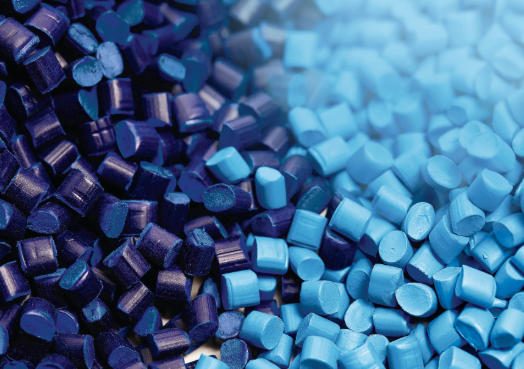
Recycled plastics behave very differently from virgin polymers, and good masterbatch development fully acknowledges this reality. Post‑consumer and post‑industrial streams often combine varying grades, variable melt flow indices, inconsistent base colors, and traces of contaminants such as paper, metal, or incompatible polymers. Even after sorting and washing, small differences in source, collection method, and processing conditions can significantly affect the color and rheology of the recyclate.[6][8][9]
Thermal and mechanical degradation are additional concerns. Each reprocessing cycle shortens polymer chains, making recycled plastics more sensitive to heat, shear, and oxygen. Without proper stabilization, this leads to yellowing, odor formation, loss of mechanical properties, and processing issues like gel formation or excessive die build‑up. Effective masterbatch design directly targets these weaknesses so that recycled plastics remain usable in demanding applications.[7][10][1][6]
Masterbatch is a concentrated mixture of pigments, additives, or functional copolymers encapsulated in a compatible carrier resin, designed to be dosed at relatively low levels into a base polymer. In recycled applications, masterbatch has three key missions: correct and homogenize color, stabilize processing and end‑use performance, and improve compatibility when multiple polymers or barrier layers are present.[3][4][1][2]
Color masterbatch over‑colors dull or gray recyclate and masks small defects, while additive masterbatch packages can include antioxidants, UV stabilizers, processing aids, desiccants, odor absorbers, or optical brighteners. Compatibilizer masterbatch, on the other hand, uses reactive or polar copolymers to “glue” incompatible phases together in mixed‑polymer recyclate, such as PE/PP blends or barrier multilayer film scrap. Together, these masterbatch families enable manufacturers to push recycled content higher without sacrificing brand aesthetics or performance.[10][2][3][7]
The starting point for any masterbatch project is an in‑depth characterization of the recycled plastic stream. Processors typically determine polymer type, melt flow index or intrinsic viscosity, moisture content, contaminant level, and base color coordinates. Techniques such as differential scanning calorimetry, spectroscopy, and mechanical testing help compare recyclate behavior against virgin benchmarks and identify possible weaknesses that masterbatch must compensate for.[5][9][6]
Equally important is mapping variability over time. Instead of treating recyclate as a single material, leading masterbatch developers build an internal database of batches from different sources, seasons, and processing conditions. This data‑driven approach shows which parameters are stable and which fluctuate the most, guiding the robustness level required for the planned masterbatch formulation.[4][8][5][6]
Once recyclate behavior is clear, the next step is to translate customer needs into concrete technical targets. This includes defining final product type (film, bottle, sheet, injection part), targeted recycled content percentage, color and opacity requirements, mechanical performance, and regulatory or food‑contact constraints. For example, a translucent rPET bottle for beverages will demand a very different masterbatch strategy from a dark injection‑molded PP crate made from mixed PCR.[9][1][2][3]
Target properties also influence allowable masterbatch dosage and carrier selection. Thin films or clear parts may require low masterbatch addition and carefully chosen pigments to preserve transparency, while thick or opaque parts allow higher dosages and broader pigment choices. By fixing these boundaries up front, development teams avoid formulating masterbatch products that are technically impressive but economically or regulatory unfeasible.[1][2][3][9]
The carrier resin is the “bridge” between the masterbatch and the recycled base polymer, and its compatibility is critical. Ideally, the masterbatch carrier matches or is very close to the main component of the recyclate, such as a PE‑based carrier for recycled PE films or PET‑based carrier for rPET bottles. Proper matching ensures fast dispersion, minimizes phase separation, and maintains mechanical properties in the final compound.[8][2][10][1]
In mixed‑polymer recyclate, compatibilizer masterbatch plays a dual role: its carrier resin must still flow and disperse well, while its functional groups promote adhesion between otherwise incompatible phases. For sustainability‑focused projects, many producers now introduce PCR or bio‑based materials into the carrier itself, creating masterbatch that not only upgrades recyclate but is also aligned with low‑carbon goals.[11][7][10][1]
Color masterbatch design for recycled plastics goes beyond simple color matching. The base recyclate is often yellowish or gray, so achieving bright or light colors requires both correction pigments and sometimes optical brighteners. Developers analyze the base shade using colorimetric measurements and then design masterbatch formulations that move L*a*b* values toward the desired target with sufficient tolerance for batch‑to‑batch variation.[12][13][3][1]
In many high‑recycled content projects, darker or earth‑tone colors are strategically chosen because they are more forgiving to input variation and help hide small inclusions. At the same time, pigments must be selected for heat stability, non‑toxicity, and recyclability, especially in packaging or consumer goods that may re‑enter the recycling stream. A good color masterbatch for recycled plastics therefore balances aesthetics, technical performance, and long‑term circularity.[4][11][12][1]
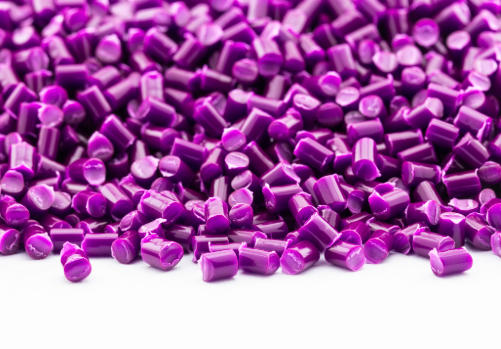
Additive masterbatch is where most of the functional “repair work” happens. Recycled plastics benefit strongly from primary and secondary antioxidants to protect against further degradation during compounding and processing. UV stabilizer masterbatch helps extend service life in outdoor or shelf‑exposed applications, while processing‑aid masterbatch can reduce melt fracture, torque, and die buildup in extrusion lines.[14][2][5][8]
Other additive masterbatch solutions are tailored to typical recyclate pain points. Desiccant masterbatch captures residual moisture in hygroscopic streams such as PET or PA, reducing hydrolysis and surface defects. Odor‑control masterbatch uses absorbers or neutralizers to mitigate smells originating from prior use or contaminants, and optical brightener masterbatch reduces yellowing to give a cleaner, more “virgin‑like” look. By combining such functions intelligently, one additive masterbatch can address multiple weaknesses at once, simplifying dosing for the processor.[2][3][6][11][14]
Many recyclate streams, particularly from packaging, contain multilayer or multi‑polymer mixtures that are not naturally compatible. When molten, these blends form dispersed phases that can result in brittleness, opacity changes, and stress concentrations. Compatibilizer masterbatch tackles this issue through functional groups that react or interact with different polymers, creating a finer, more adherent morphology.[7][10]
For example, compatibilizer masterbatch can dramatically improve the performance of PE films containing EVOH barrier layers or PP/PE mixtures from mixed rigid packaging. With the right compatibilizer masterbatch dosage, processors can turn previously hard‑to‑recycle fractions into usable raw materials rather than downcycling or landfilling them. This not only improves sustainability metrics but also unlocks new feedstock sources for recycled‑plastic applications.[10][4][7]
No matter how sophisticated the formulation is, a masterbatch only delivers its potential if the compounding step ensures good dispersion and stable pellet quality. Modern masterbatch production relies heavily on co‑rotating twin‑screw extruders, where screw configuration, temperature profile, and feeding sequence are engineered for each formulation. The goal is to achieve fine, uniform dispersion of pigments and additives in the carrier without degrading sensitive components.[5][8]
Quality control at this stage includes checking color strength, dispersion level (often via filter tests or microscopy), pellet size and consistency, and moisture content. Well‑developed masterbatch lines also integrate data collection and analytics so that minor drifts in process parameters can be corrected before they affect product quality. For recycled‑plastic masterbatch, such process discipline is essential because the downstream material is already more variable than virgin resin.[8][2][5]
Laboratory evaluations must be validated in real production conditions using the customer's own recycled blend. Trial runs allow processors to fine‑tune masterbatch let‑down ratios, temperature settings, screw speed, and back pressure to achieve stable throughput and acceptable product quality. During these trials, key indicators include color consistency, surface appearance, mechanical performance, and ease of processing.[5][8]
Because recyclate composition may shift over time, it is common to run several trial campaigns across different recyclate batches. Feedback from the line—such as unexpected gels, odor, or color drift—feeds back into masterbatch reformulation, sometimes leading to adjusted antioxidant levels, pigment combinations, or compatibilizer masterbatch dosage. This iterative process gradually builds a robust “pairing” between a specific masterbatch system and a specific recycled stream.[6][9][2][4]
Once a masterbatch for recycled plastics has been proven robust, it is transferred to full‑scale production with defined raw material specifications and process windows. Standard operating procedures cover everything from carrier resin procurement to pigment quality checks and extrusion parameters, ensuring that every batch of masterbatch behaves predictably at the converter's plant.[2][8][5]
Long‑term success requires continuous monitoring and improvement. As new recyclate sources become available or regulations evolve, the masterbatch may need to be adjusted. Many suppliers now track indicators such as rejection rate, color delta trends, and mechanical performance over time, using this data to refine both masterbatch and recyclate sourcing strategies. In this way, masterbatch development for recycled plastics becomes a dynamic partnership rather than a one‑off project.[1][4][7][5]
Beyond purely technical performance, any masterbatch solution for recycled plastics must respect regulatory and sustainability frameworks. For food‑contact and sensitive applications, color and additive components must comply with regional standards such as EU or FDA requirements, and documentation must be thorough enough to satisfy audits. This can influence pigment selection, additive chemistry, and allowable dosage levels in the final product.[15][9][1][2]
Sustainability is increasingly central. Using PCR or bio‑based carriers in masterbatch, minimizing the use of problematic substances, and ensuring that masterbatch does not hinder further recyclability all contribute to a credible environmental profile. Transparent communication of these attributes helps brand owners translate technical advantages into marketable claims around recycled content and reduced carbon footprint.[16][11][4][1]
For converters on the production floor, a few practical rules can dramatically improve success when combining masterbatch with recycled plastics. Keeping moisture under control by drying hygroscopic recyclate and storing masterbatch in suitable conditions helps maintain consistency and avoid hydrolytic degradation. Correct dosing—preferably via gravimetric feeders—ensures that the intended masterbatch concentration is achieved in every run, which is essential for color stability and additive effectiveness.[14][6][2][5]
Cleaning and maintenance routines are also important. Residues from previous runs, particularly when switching between virgin and high‑recycled content jobs, can skew color and properties even if the masterbatch formulation is correct. Establishing a clear communication channel with the masterbatch supplier allows converters to report issues quickly and receive adjusted recommendations, ensuring that both sides grow their understanding of the recycled system over time.[4][8][10][2]
Developing masterbatch for recycled plastics is a comprehensive process that connects recyclate characterization, formulation science, compounding technology, and practical factory experience. A well‑designed masterbatch—combining color, additive, and compatibilizer functions where necessary—can transform variable, downgraded recyclate into a controlled and attractive raw material suitable for demanding film, bottle, sheet, and injection applications. By selecting compatible carriers, engineering robust color and additive masterbatch packages, and optimizing dispersion and processing, plastics manufacturers increase recycled content without losing product performance or brand identity.[1][2][4][5]
For an innovation‑oriented plastics company, investing in masterbatch development for recycled plastics is more than a technical exercise; it is a strategic move toward circularity and long‑term competitiveness. Partnerships across the value chain—from waste collectors and recyclers to masterbatch experts and brand owners—ensure that each new masterbatch iteration better matches real‑world recyclate conditions and emerging regulatory and sustainability demands. As markets continue to favor low‑carbon, resource‑efficient solutions, advanced masterbatch for recycled plastics will stand at the center of high‑value, environmentally responsible product portfolios.[11][7][4][1]
When used with recycled plastics, masterbatch formulations generally contain stronger pigment packages and more robust additive systems to compensate for base color variability and prior degradation. In virgin resins, masterbatch mainly defines color and added functions, while in recyclate it must also help stabilize the polymer and mask defects and odor.[3][2][4][1]
Typical dosage levels for color or additive masterbatch in recycled plastics range from about 1–5%, depending on color strength, desired opacity, and functional loading. Compatibilizer masterbatch for mixed‑polymer recyclate may require higher or more carefully tuned concentrations, which are usually optimized during industrial trials.[3][7][10][2]
In some cases, a versatile masterbatch can serve multiple recycled streams, but performance is usually best when the masterbatch is tailored to a specific polymer family and quality range. Differences in base color, contamination level, and rheology often make dedicated masterbatch formulations more stable and economical in the long term.[6][3][5][1]
Properly designed masterbatch—with compatible carriers and compliant pigments and additives—does not prevent plastics from being recycled again and can even improve their quality in subsequent cycles. However, excessive use of incompatible fillers or certain specialty additives can reduce recyclability, so design‑for‑recycling guidelines should be considered during masterbatch development.[9][7][1]
Key trends include greater use of PCR and bio‑based carriers in masterbatch, more advanced compatibilizer systems for complex packaging waste, and data‑driven optimization of compounding and quality control. At the same time, stricter regulations and brand sustainability commitments are pushing masterbatch producers to eliminate hazardous substances and document environmental performance more transparently.[7][11][5][1]
[1](https://deltatecnic.com/complete-guide-to-masterbatch/)
[2](https://supremepetrochem.com/masterbatches-a-complete-guide/)
[3](https://www.charmingmb.com/2025/08/05/4-types-of-masterbatch-comprehensive-guide-for-2025/)
[4](https://masterbatchglobal.com/articles/plastic-recycling-masterbatch/)
[5](https://www.materials.zone/blog/8-steps-to-optimize-the-masterbatch-manufacturing-process)
[6](https://eupegypt.com/blog/post-consumer-recycled-pcr-plastic/)
[7](https://recyclass.eu/recyclability/design-for-recycling-guidelines/)
[8](https://www.cowellextrusion.com/from-formulation-to-pellets-a-comprehensive-guide-to-the-plastics-compounding-process/)
[9](https://sustainablepackaging.org/wp-content/uploads/2023/11/Part-III-Guide-to-Recycled-Plastics-for-Packaging.pdf)
[10](https://www.tosaf.com/wp-content/uploads/2019/12/Tosaf-Sustainibility-Book-web-A-02G.pdf)
[11](https://www.sunchemical.com/sustainable-masterbatches/)
[12](https://lifestyle.sustainability-directory.com/learn/what-is-the-role-of-masterbatch-in-the-coloring-of-recycled-plastics/)
[13](https://www.ptonline.com/products/color-additive-masterbatches-for-pcr-pet-packaging)
[14](https://alokmasterbatches.com/additive-masterbatches/)
[15](https://www.lyondellbasell.com/globalassets/sites/2023/index/advanced-solutions-masterbatch-for-recyclates.pdf)
[16](https://www.mholland.com/market-insights/integrating-masterbatch-pcr-carrier-resins-to-support-sustainability-goals)


