


close
Choose Your Site
Global
Social Media


Views: 222 Author: Rebecca Publish Time: 2025-12-05 Origin: Site


Content Menu
● Why TPU Masterbatch Matters for Modern Applications
● Step 1: Define the End‑Use Conditions
● Step 2: Identify Regulatory and Compliance Requirements
● Step 3: Choose the Appropriate TPU Base Chemistry
● Step 4: Define Hardness and Mechanical Targets
● Step 5: Select the Functional Masterbatch Types
>> Flame‑Retardant Masterbatch
>> Antistatic and Conductive Masterbatch
>> UV and Weathering Masterbatch
>> Slip, Wear, and Process‑Aid Masterbatch
>> Specialty and Eco‑Focused Masterbatch
● Step 6: Optimize Color Strategy and Design
● Step 7: Define Masterbatch Loading (Let‑Down Ratio)
● Step 8: Align Processing Conditions with TPU Masterbatch
● Step 9: Plan Testing and Qualification for TPU Masterbatch
● Step 10: Evaluate and Select a TPU Masterbatch Supplier
● Typical TPU Masterbatch Choices by Industry
● How Custom TPU Masterbatch Solutions Create Competitive Advantage
● FAQ
>> 1. What is TPU Masterbatch and why not just use pure pigments or additives?
>> 2. How do I know whether to use polyester, polyether, or other TPU for my Masterbatch system?
>> 3. How is the correct dosage of TPU Masterbatch determined?
>> 4. Can one TPU Masterbatch grade work in several different TPU compounds?
>> 5. What are the key points to check when qualifying a new TPU Masterbatch?
TPU Masterbatch plays a decisive role in how your final TPU parts look, feel, and perform in real‑world conditions. By clearly understanding your application, environment, and processing setup, you can select a TPU Masterbatch that delivers stable color, reliable functionality, and consistent production efficiency.

TPU Masterbatch is a concentrated mixture of pigments and/or functional additives that are dispersed in a TPU carrier resin and then dosed into natural TPU during processing. Because the carrier is also TPU, this type of Masterbatch maintains key TPU properties such as flexibility, toughness, and clarity far better than generic systems based on other polymers.
When properly selected and used at the right let‑down ratio, TPU Masterbatch enables precise color control, tailored performance properties, and easier handling compared with dosing pure pigments or additives directly. It also simplifies inventory because one Masterbatch grade can often serve several related TPU formulations.
Across industries like medical devices, cables, footwear, consumer electronics, and automotive interiors, TPU has become a preferred material due to its combination of elasticity, abrasion resistance, and processability. TPU Masterbatch is the main tool engineers and buyers use to tune those TPU compounds to different markets without changing the base polymer from project to project.
The right TPU Masterbatch package can help you meet regulatory standards, maintain brand‑consistent colors, extend product lifetime, and even reduce scrap during production. A poorly chosen Masterbatch, by contrast, can cause color drift, poor dispersion, surface defects, and unexpected failures in demanding environments.
The first and most important step in choosing TPU Masterbatch is to define the environment where the part will be used. End‑use conditions determine which pigment chemistries and additive systems are suitable and which might fail over time.
Ask yourself:
- Will the part be used indoors, outdoors, or in both conditions?
- How high and low are the service temperatures?
- Will it be exposed to UV, moisture, oils, fuels, sweat, cleaning chemicals, or body fluids?
- Is there continuous mechanical stress such as bending, impact, or abrasion?
For example, TPU Masterbatch for an outdoor cable or sports accessory must handle UV, temperature variations, and possibly humidity, while a TPU Masterbatch for a wearable medical device should prioritize biocompatibility, softness, and resistance to sweat or disinfectants.
Many applications that rely on TPU Masterbatch are subject to strict regulations. These requirements may limit the choice of pigments, flame‑retardant systems, or other additives and will also affect testing requirements during qualification.
Common areas to consider include:
- Electrical and cable standards for insulation and flame behavior
- Automotive interior standards for odor, VOC, and flammability
- Medical and healthcare requirements for biocompatibility and sterilization resistance
- Food‑contact or skin‑contact regulations regarding heavy metals and other restricted substances
Before specifying any TPU Masterbatch, map out the standards your product must pass, and ensure that all pigments and additives in the Masterbatch are allowed and documented for these uses.
TPU is not a single material; it is a family of elastomers with different chemistries, such as polyester TPU, polyether TPU, polycaprolactone‑based TPU, and silicone‑modified TPU. Each reacts differently when combined with a Masterbatch.
- Polyester TPU offers excellent abrasion and oil resistance but can be more sensitive to hydrolysis in hot, humid conditions.
- Polyether TPU provides improved hydrolysis resistance and is often preferred for applications with frequent contact with water or high humidity.
- Polycaprolactone or other specialty TPUs may provide superior low‑temperature flexibility, clarity, or biocompatibility for medical and specialty uses.
- Silicone‑modified TPU can offer outstanding slip, soft‑touch, and abrasion behavior, often enhanced further by specialized Masterbatch systems.
Your TPU Masterbatch should be designed with a carrier that is compatible with the specific TPU family to maximize dispersion, mechanical performance, and long‑term stability.
Hardness is a central design factor because it dictates both product feel and mechanical performance. TPU Masterbatch must disperse correctly over a wide range of hardness levels, from very soft gels to near‑rigid grades.
Typical ranges include:
- Soft TPU (e.g., Shore A 60 and below) for wearable bands, soft grips, and cushioning components
- Medium‑hard TPU (about Shore A 60–90) for soles, seals, general technical parts, and protective cases
- High‑hardness TPU (Shore A 90 and above, including Shore D grades) for structural parts, gears, and protective housings
When designing or choosing a TPU Masterbatch, consider how the Masterbatch affects tensile strength, tear resistance, elongation at break, and compression set at your target hardness. High‑quality Masterbatch is built to preserve the mechanical profile of the base TPU as closely as possible.
Once the application environment, regulations, TPU chemistry, and hardness are clear, you can define the specific functions that the TPU Masterbatch must provide. In practice, many systems combine several functions in one or two Masterbatch grades.
Common TPU Masterbatch types include:
Color Masterbatch is used to achieve consistent, repeatable colors in TPU parts, whether opaque, translucent, or nearly transparent. It should offer excellent dispersion, color strength, and stability during processing and use. A well‑formulated TPU color Masterbatch can preserve gloss, clarity, and mechanical properties while ensuring that color remains within tight tolerances from batch to batch.
For cables, electronics, transportation, and building products, flame‑retardant TPU Masterbatch is often mandatory. It is designed to help TPU compounds meet specific flammability ratings and cable fire tests. It is crucial to consider compatibility between the flame‑retardant system, pigments, and the base TPU to avoid brittleness, plate‑out, or poor surface finish.
In automotive interiors, electronics housings, and precision packaging, TPU Masterbatch with antistatic or conductive properties reduces static buildup, dust attraction, and electrostatic discharge risks. The Masterbatch's effect on surface resistivity must be balanced with transparency, color, and mechanical performance, especially if clear or colored parts are required.
For outdoor parts such as sports equipment, exterior trims, cable jackets, and transparent films, UV‑stabilized TPU Masterbatch guards against discoloration, embrittlement, and loss of gloss. The package may combine UV absorbers, light stabilizers, and other weathering modifiers, chosen to work in the specific TPU chemistry and color system.
Slip and silicone‑based TPU Masterbatch improve surface lubricity, anti‑blocking behavior, scratch resistance, and abrasion performance. They can also help films and sheets release more easily from production equipment. For some applications, these Masterbatch types help reduce friction between moving TPU components or between TPU and other materials.
Newer market demands have led to TPU Masterbatch solutions aimed at recyclability, lower environmental impact, or special visual effects. These may include biodegradable components, recycled‑content carriers, or special‑effect pigments (pearlescent, metallic, glow, or laser‑markable). When using such TPU Masterbatch systems, careful testing is needed to ensure they align with your sustainability and performance goals.
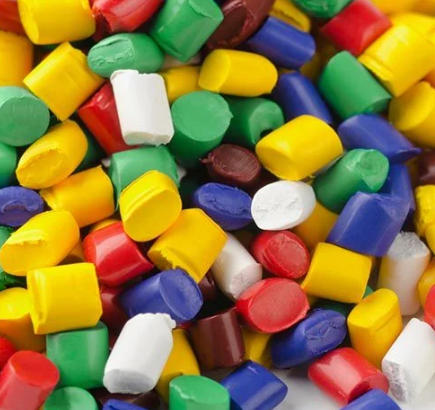
Color is both a branding and a functional element. A thoughtful color strategy based on TPU Masterbatch will simplify production and help ensure long‑term reliability.
Key considerations include:
- Required opacity or transparency level for each part
- Lightfastness and heat stability of the pigment system during processing and use
- Color‑coding standards in sectors like medical, cable, and industrial safety
- Influence of color Masterbatch on mechanical behavior and surface appearance
If multiple products need to share the same color and gloss level, it is often more efficient to define a master color standard and use a single TPU color Masterbatch family that can be adjusted slightly for different base grades.
The let‑down ratio describes how much TPU Masterbatch is added to the natural TPU. It directly impacts color strength, functional performance, and cost.
Typical guidelines:
- Color Masterbatch: often used in the range of about 1–3% by weight, depending on pigment concentration and target shade
- Flame‑retardant Masterbatch: can require substantially higher dosages to meet flammability ratings, determined through testing
- Antistatic and conductive Masterbatch: dosage is set according to target surface resistivity and may vary widely
- UV and additive Masterbatch: dosage is tuned to exposure conditions and lifetime expectations
Design your Masterbatch strategy with both performance and cost in mind. Using an overly high dosage can add unnecessary cost and sometimes negatively affect properties, while a dosage that is too low can result in inconsistent color or insufficient functional performance.
Even the best TPU Masterbatch will underperform if processing conditions are not controlled. TPU is sensitive to moisture and to excessive thermal and mechanical stress, so stable processing rules are crucial.
Points to manage:
- Drying: TPU and TPU Masterbatch should be dried under recommended conditions to avoid bubbles, streaks, and loss of properties.
- Temperature profile: barrel, die, and mold temperatures must be suitable for the TPU grade and Masterbatch to ensure good melt homogeneity without degradation.
- Screw design and shear: too much shear may damage sensitive additives or cause color shift, while too little mixing can leave un‑dispersed pigment or additive streaks.
- Residence time: excessively long residence times can lead to discoloration or volatility of certain additive packages.
By aligning the Masterbatch selection with realistic processing windows, you make it easier to maintain consistent production and reduce scrap.
Before implementing a new TPU Masterbatch in serial production, thoroughly test it under realistic process and end‑use conditions.
A typical qualification plan includes:
- Mechanical tests such as tensile, tear, elongation at break, hardness, and compression set
- Visual evaluations for color, gloss, clarity, and surface defects
- Application‑specific tests like fire testing, electrical tests, chemical resistance, and abrasion resistance
- Environmental and aging tests such as heat aging, hydrolysis, and UV or weathering simulations
Testing at different Masterbatch dosages is also helpful to identify the most cost‑efficient level that still meets all functional and visual target values.
A reliable supplier is a strategic partner rather than just a material vendor. For TPU Masterbatch, supplier support can significantly speed up product development and troubleshooting.
When evaluating a supplier, consider whether they:
- Specialize in TPU Masterbatch and have proven expertise across relevant industries
- Offer technical support in color matching, additive selection, and processing optimization
- Have strong quality and process control, including dispersion quality, filtration, and batch consistency
- Are capable of custom‑developing TPU Masterbatch solutions for your unique needs, not only selling standard grades
Long‑term collaboration with a technically competent TPU Masterbatch supplier allows you to react quickly to design changes, regulatory updates, and new customer demands.
Below is a simplified view of how different sectors tend to use TPU Masterbatch:
- Footwear and sports: focus on color Masterbatch, abrasion resistance packages, and UV stability for outdoor use.
- Cables and wire: rely on flame‑retardant TPU Masterbatch, color‑coding Masterbatch, and often antistatic packages.
- Automotive: use soft‑touch color Masterbatch, scratch‑resistant Masterbatch, and sometimes conductive solutions for interior and exterior details.
- Medical devices: depend on biocompatible TPU Masterbatch with transparent or tinted colors and stable mechanical performance after sterilization.
- Consumer electronics: select impact‑resistant TPU Masterbatch with consistent color, UV resistance, and often slip or soft‑touch enhancements.
These patterns serve as a starting point; each project still requires detailed analysis and testing.
Standard off‑the‑shelf TPU Masterbatch grades are useful for fast prototyping or low‑complexity products, but custom formulations are often needed in advanced markets. A dedicated custom TPU Masterbatch solution can:
- Combine color, UV, flame retardancy, and other functions into one or two optimized grades
- Reduce the number of material codes and simplify procurement and warehouse management
- Improve process stability by matching pigment and additive systems exactly to your TPU grade and equipment
- Deliver unique tactile effects, visual appearances, or performance combinations that differentiate your brand
For a company that designs and manufactures innovative plastic materials, offering tailored TPU Masterbatch packages is also a powerful way to create closer technical relationships with global customers and provide genuine added value beyond commodity materials.
Choosing the right TPU Masterbatch for your application is a structured process that starts from the end‑use environment and works backward to TPU chemistry, hardness, functional requirements, and process conditions. By clarifying regulatory needs, defining the best combination of color, flame‑retardant, antistatic, UV, slip, and other Masterbatch types, and optimizing let‑down ratios, you can build TPU systems that are robust in production and reliable in service.
When you combine this technical approach with strong testing and a capable TPU Masterbatch supplier, you create a powerful platform for consistent quality, faster development cycles, and flexible customization for different markets. In practice, the right TPU Masterbatch strategy turns TPU into a versatile, high‑performance solution tuning knob for everything from medical devices and cables to footwear and consumer electronics.
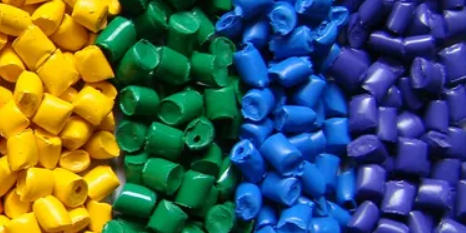
TPU Masterbatch is a concentrate of pigments and additives in a TPU carrier that is designed for easy, accurate dosing into natural TPU. Using TPU Masterbatch instead of pure pigments or raw additives simplifies handling, improves dispersion, and reduces the risk of color variation or property loss because everything is pre‑optimized for the TPU matrix.
Start by analyzing the environment: exposure to water or humidity favors polyether TPU, while high abrasion and oil contact generally favor polyester TPU. Once that choice is made, select a TPU Masterbatch whose carrier matches or is compatible with your chosen TPU family so that mechanical properties, clarity, and long‑term stability are preserved.
The correct dosage, or let‑down ratio, is defined by performance and appearance requirements and is verified through testing. Color Masterbatch is often used at relatively low percentages, while flame‑retardant, antistatic, or UV Masterbatch may require higher dosages to achieve regulatory and functional targets; small‑scale trials are the best way to fine‑tune the exact level.
A well‑designed TPU Masterbatch can often be used across several compatible TPU grades, especially if they share similar chemistry and hardness. However, even when cross‑use is intended, each combination must be tested for color, mechanical performance, and processing behavior to confirm that the shared Masterbatch meets all product requirements.
When qualifying a new TPU Masterbatch, confirm that it meets visual specifications (color, gloss, and clarity), mechanical targets (tensile, tear, hardness, and elongation), and all relevant regulatory and end‑use standards. It is also important to check processing behavior, such as ease of dispersion, stability under your temperature profile, and any impact on cycle time or scrap rate.


