


close
Choose Your Site
Global
Social Media


Views: 222 Author: Rebecca Publish Time: 2025-12-02 Origin: Site


Content Menu
● Basic Types of Plastic Materials
● Key Performance Factors to Consider
>> Chemical and environmental resistance
>> Regulatory and safety requirements
>> Cost, processability, and appearance
● The Strategic Role of Masterbatch
● How Masterbatch Supports Material Customization
● Step‑by‑Step Approach to Choosing the Right Plastic Material
>> Step 1: Define the application and environment
>> Step 2: Shortlist polymer families
>> Step 3: Determine the masterbatch strategy
>> Step 5: Evaluate long‑term reliability and total cost
● Typical Application Examples with Masterbatch
● Working with a Professional Material and Masterbatch Partner
● FAQ
>> 1. What is masterbatch and how does it work?
>> 2. How do I decide whether to use color masterbatch or pre‑colored resin?
>> 3. Can masterbatch change the mechanical properties of plastic?
>> 4. What should I check when choosing masterbatch for food contact applications?
>> 5. How can I improve outdoor durability of plastic parts with masterbatch?
Choosing the right plastic material is one of the most important decisions in any product development project. A well-chosen polymer and masterbatch system can improve performance, reduce cost, simplify processing, and strengthen your brand image through precise color and special effects. This article explains the key factors, step-by-step selection process, and how to use masterbatch to build customized plastic solutions for global applications.[1][4][5][6]

Different plastic families offer distinct performance levels and cost ranges, so the first step is understanding the main groups. Common thermoplastics include commodity resins such as PE, PP, PVC, PS, and PET, as well as engineering plastics like PC, PA, PBT, POM, PMMA, and high‑performance materials such as PEEK and PPS. Each material group has its own balance of strength, rigidity, temperature resistance, chemical resistance, and price, which must be matched with your application's requirements.[5][6][7][1]
Commodity plastics are used in high‑volume, cost‑sensitive products such as packaging, household items, and simple technical parts. Engineering plastics serve more demanding applications that require higher strength, dimensional stability, or better heat performance, for example in automotive, electronics, and machinery. High‑performance plastics are suitable for extreme environments, such as aerospace, oil and gas, and medical equipment, where traditional resins cannot provide sufficient temperature or chemical resistance.[1][5]
Mechanical performance defines whether a plastic can withstand the stresses in actual use. Tensile strength, impact resistance, stiffness, and fatigue resistance are crucial for parts like gears, clips, housings, and structural components. For example, nylon and POM are often used where wear resistance and fatigue strength are important, while PP and PE are chosen when flexibility and toughness are more critical.[6][5][1]
When evaluating mechanical properties, consider how the part will be loaded: static load, repeated flexing, vibration, impact, or long‑term creep. Thin‑wall parts may require materials with higher stiffness to avoid deformation, while impact‑sensitive parts, such as casings and bumpers, may need impact‑modified grades enhanced with special masterbatch formulations.[7][6]
Thermal performance determines whether the plastic will maintain its properties in the operating temperature range. Important parameters include heat deflection temperature, continuous use temperature, melting point, and thermal expansion. Applications in automotive under‑the‑hood, lighting, electronics, or industrial machinery often require engineering plastics like PBT, PA, PC, or PEEK to ensure dimensional stability at higher temperatures.[5][1]
For low‑temperature environments, such as cold‑chain packaging or outdoor applications in winter, the ductility and impact resistance of the polymer must also be considered. In many cases, the base resin is combined with specific masterbatch additives to improve heat aging, flame retardancy, or thermal stability during long‑term service.[6][5]
Chemical exposure can destroy a plastic if the material is not compatible with its environment. Oils, fuels, solvents, detergents, acids, and bases all affect polymers differently. For example, PTFE and PVDF are often preferred in aggressive chemical environments, while PP and PE provide good resistance to many common chemicals at a lower cost.[7][1]
Environmental factors also include UV radiation, moisture, and weathering. Outdoor applications such as agricultural films, garden furniture, building materials, or automotive exteriors typically require UV‑stabilized grades made with specialized masterbatch systems that protect the polymer backbone against sunlight. Without such additives, even a mechanically strong plastic can quickly embrittle and lose color in outdoor use.[5][6]
Regulatory compliance is critical in sectors like food contact, toys, medical devices, and electrical components. Requirements may involve FDA or EU food regulations, RoHS, REACH, UL flame ratings, or other regional standards. Choosing the right plastic material means verifying that both the base resin and masterbatch system meet the required certifications.[7][5]
For food packaging, for instance, only specific polymers and masterbatch ingredients that comply with migration limits can be used. In electrical applications, flame retardant masterbatch combined with a compatible polymer can help products achieve specific flammability ratings, while also meeting restrictions on hazardous substances.[5][7]
From a commercial perspective, cost and processability are as important as technical performance. Materials with excellent properties may still be unsuitable if they require difficult processing conditions or expensive tooling. Melt flow index, shrinkage behavior, and cooling characteristics must align with your chosen process (injection molding, extrusion, blow molding, thermoforming, etc.).[4][6]
Appearance requirements—color, gloss, transparency, surface texture, and special effects—are strongly influenced by both the base polymer and the masterbatch formulation. For example, PET and PMMA offer excellent transparency, while filled PP or ABS can provide high opacity with desired surface textures. A well‑designed color masterbatch can also help reduce visible defects such as flow lines or weld marks.[6]
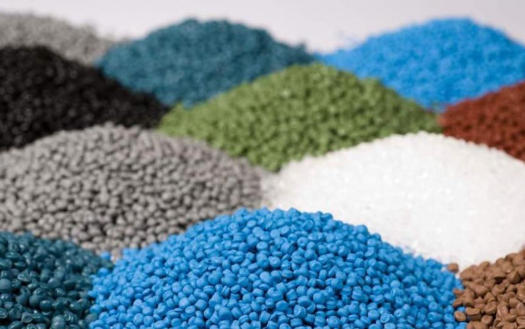
Masterbatch is a concentrated mixture of pigments or additives dispersed in a carrier resin compatible with the base polymer. It is added during processing to adjust color and functional properties without changing the entire raw material formulation. This approach offers excellent flexibility in customizing plastic materials while keeping inventory and handling efficient.[9][10]
There are several major categories of masterbatch: color masterbatch, additive masterbatch, and combination masterbatch. Color masterbatch ensures consistent shade and color strength from batch to batch, while additive masterbatch introduces functions such as UV protection, flame retardancy, anti‑static behavior, slip, anti‑block, antioxidants, or nucleating effects. Combination masterbatch merges color and additives in one product, simplifying dosing and logistics for large‑scale production.[10][11][12]
For many applications, the same base polymer can serve very different market needs simply by selecting different masterbatch systems. A standard PP grade, for instance, can be transformed into a high‑gloss decorative housing using one color masterbatch, or into a durable outdoor component using a combination of UV‑stabilizer and antioxidant masterbatch. This flexibility makes masterbatch a powerful tool for material engineers and OEMs seeking custom solutions.[11][12]
When designing a new product, engineers often start with a polymer family and then fine‑tune performance using masterbatch. This allows rapid and cost‑effective adaptation to different environments and branding requirements. Some of the most common customization goals include:[10][11]
- Color and visual identity: Brand‑specific colors, pearlescent effects, metallic looks, and translucent tints are typically achieved by color masterbatch rather than by changing the base polymer.[11]
- Durability and lifetime: UV stabilizer masterbatch, antioxidant masterbatch, and heat‑stabilizer masterbatch can significantly extend the service life of outdoor parts and high‑temperature components.[12]
- Safety and compliance: Flame‑retardant masterbatch helps products meet fire standards, while food‑contact approved masterbatch enables safe use in packaging and kitchenware.[10]
- Processing and productivity: Slip, anti‑block, anti‑fog, and nucleating masterbatch improve film handling, mold release, cycle time, and clarity, increasing efficiency across the production line.[13][10]
Because masterbatch is dosed at relatively low percentages, it allows precise control over the final properties while keeping the main characteristics of the base polymer intact. For global manufacturers, this also simplifies supply chain management: one core polymer can be used with several different masterbatch grades to serve multiple customers and markets.[12][10]
Start by describing the product's function, expected lifetime, and operating environment in detail. Outline loads, temperatures, humidity, chemicals, UV exposure, cleaning agents, and any sterilization or disinfection processes. Clarify whether the product is single‑use or reusable, and determine target lifetime—months, years, or decades.[6][5]
Also list all relevant standards and regulations for the industry: food contact, toy safety, medical regulations, or electrical and fire safety. This early stage will determine which polymer families and masterbatch systems are even eligible for consideration.[7][5]
Based on the requirements, select two or three candidate polymers. For example, for a cost‑sensitive packaging container, PP and HDPE might be shortlisted, while an engineering gear might require POM or PA. In high‑temperature or chemically aggressive environments, materials like PEEK, PPS, or PTFE become candidates.[1][5][6]
At this stage, consider generic property ranges and economic factors rather than specific grades. The goal is to focus on a small set of polymer families that can satisfy the minimum mechanical, thermal, and chemical requirements.[1]
Once polymer families are selected, define what must be achieved through masterbatch. Decide on color targets, opacity, specific functional additives, and any process‑related requirements such as slip or anti‑block. It is often useful to involve a masterbatch supplier early, so they can recommend carrier resins, pigment systems, and additive combinations that are fully compatible with the chosen polymers.[11][12][10]
The masterbatch dosage level should also be considered during design. Too low a dosage may not achieve the desired effect, while too high a dosage can affect mechanical properties or processing. Balancing these factors requires experience and testing.
After selecting a base polymer and initial masterbatch formulation, manufacture prototype parts using production‑like conditions. Mechanical tests, dimensional checks, color evaluation, aging tests, and chemical resistance tests should be carried out under realistic conditions. Adjustments can then be made to either the polymer grade, the masterbatch recipe, or the mixing ratio.[5][6]
In some cases, a change from standard masterbatch to a more advanced system—for example, introducing a higher‑performance UV package or improved dispersion technology—can solve issues like color drift, surface defects, or premature aging without changing the main polymer. This iterative process ensures both performance and manufacturability are optimized.[12][11]
Finally, evaluate total cost of ownership rather than only material price per kilogram. Consider processing yield, cycle time, scrap rate, energy consumption, and warranty or service costs over the lifetime of the product. A slightly more expensive polymer‑plus‑masterbatch combination may drastically reduce scrap, failures, or complaints, resulting in a lower overall cost.[4][6]
Long‑term reliability is especially important for safety‑critical products and for brands selling into high‑value markets. In these cases, partnering with a reliable supplier that offers both high‑quality polymers and professional masterbatch support makes it easier to maintain consistent quality across global production sites.[4][5]
In consumer packaging, PP, PE, and PET are frequently used together with color masterbatch and additive masterbatch to achieve attractive appearance, anti‑fog performance, and UV protection for sensitive contents. For household goods and toys, color masterbatch ensures consistent brand colors, while additive masterbatch can improve scratch resistance and prevent discoloration from sunlight or cleaning agents.[11][7]
Automotive and transportation components often use engineering plastics such as PA, PBT, PC, and blends, modified with UV‑stabilizer, flame‑retardant, and impact‑modifier masterbatch systems. In electrical and electronics, flame‑retardant masterbatch plays a key role in meeting safety standards without compromising mechanical performance. For high‑performance industrial applications, combinations of PEEK or PPS with advanced masterbatch packages enable long‑term stability in harsh chemical and thermal environments.[1][5]
In each of these cases, masterbatch is not just a coloring tool—it is a strategic component of the material design, allowing a single polymer platform to provide multiple performance levels and design options.
Given the number of variables involved—polymer selection, masterbatch formulation, processing method, regulatory needs—working with an experienced technical partner brings significant advantages. A good supplier can analyze your application, recommend suitable polymer families, design custom masterbatch systems, and support testing and optimization. This collaborative approach reduces development risk and speeds up time‑to‑market.[8][4]
For global OEMs, it is especially important to ensure consistent quality between batches and across different factories. A centralized material strategy—using standardized base polymers and masterbatch recipes—helps maintain stable performance and appearance even when production is spread across multiple regions. This also simplifies documentation and regulatory compliance.[4][6]
Choosing the right plastic material requires a systematic evaluation of mechanical, thermal, chemical, regulatory, and aesthetic requirements, combined with a realistic view of processing and cost. By starting with suitable polymer families and then using masterbatch to fine‑tune color, durability, and special functions, engineers can build highly optimized material systems for a wide range of industries. Close cooperation with a professional masterbatch and material supplier helps ensure that each project achieves the required performance, appearance, and reliability while staying competitive in global markets.[4][6][1][5]
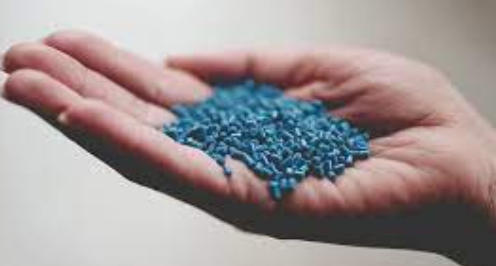
Masterbatch is a concentrated mixture of pigments or additives dispersed in a carrier resin compatible with the base polymer, supplied in pellet form. During processing, it is dosed into the polymer to deliver color or functional effects such as UV protection, flame retardancy, or slip without reformulating the main resin.[9][10][12][11]
Color masterbatch offers more flexibility and lower inventory costs because the same base polymer can be used for many colors by simply changing the masterbatch. Pre‑colored resin can be suitable for very large, standardized volumes, but it reduces the ability to quickly adjust shade or switch between applications.[10][12][11]
At typical dosage levels, masterbatch mainly influences appearance and targeted properties such as UV stability, flame behavior, or slip. However, very high loadings or certain filler‑rich masterbatch systems can affect stiffness, impact resistance, or processing, so the formulation and dosage must be carefully designed and tested.[13][12][6][10]
Both the base resin and masterbatch must comply with relevant food contact regulations, including restrictions on pigments, additives, and potential migration to food. It is important to obtain documentation and certifications from your supplier and to confirm that the masterbatch is approved for the specific polymer and processing conditions you use.[7][10]
To improve outdoor durability, use masterbatch containing UV stabilizers, antioxidants, and, when needed, light‑fast pigments suitable for the intended climate and exposure level. Such formulations protect the polymer from sunlight and heat, helping to maintain color, mechanical strength, and surface quality over time.[12][6][11][5]
[1](https://www.curbellplastics.com/wp-content/uploads/2023/02/Plastic-Material-Selection-Guide.pdf)
[2](https://www.protolabs.com/resources/guides-and-trend-reports/thermoplastic-material-selection-for-injection-molding/)
[3](https://www.ensingerplastics.com/en-us/plastic-material-selection)
[4](https://eckplastics.com/resources/material-selection-guide/)
[5](https://www.fluorotec.com/news/blog/engineering-plastic-selection-guide/)
[6](https://qualityplasticsllc.com/learning-center-post/plastic-material-selection-guide/)
[7](https://www.thermofisher.com/us/en/home/life-science/lab-plasticware-supplies/plastic-material-selection.html)
[8](https://www.4spe.org/i4a/pages/index.cfm?pageID=6226)
[9](https://en.wikipedia.org/wiki/Masterbatch)
[10](https://www.tosaf.com/article/plastic-masterbatch-article/)
[11](https://deltatecnic.com/complete-guide-to-masterbatch/)
[12](https://www.jmpolymers.fr/en/the-role-of-masterbatch-in-the-production-of-plastics/)
[13](https://www.italmaster.be/en/blog/7-important-criteria-choosing-right-masterbatch)


