


close
Choose Your Site
Global
Social Media


Views: 222 Author: Rebecca Publish Time: 2026-01-05 Origin: Site


Content Menu
● Understanding Injection Molding Materials
>> Thermosets
● Factors to Consider When Selecting Plastic for Injection Molding
>> 4. Optical and Aesthetic Requirements
● The Critical Role of Masterbatch in Injection Molding
>> Benefits of Using Masterbatch
● Matching Material with Application Requirements
>> Construction & Industrial Uses
● Material Testing and Validation
● Sustainability and Recycling Considerations
● How to Evaluate Material Suppliers
● FAQs About Choosing Plastic for Injection Molding
>> (1) What is the purpose of Masterbatch in injection molding?
>> (2) Can different Masterbatches be mixed together?
>> (3) How does Masterbatch influence injection molding processability?
>> (4) Are there eco-friendly types of Masterbatch available?
>> (5) Why is supplier selection important for Masterbatch and resins?
Selecting the right plastic material for injection molding plays a critical role in achieving product performance, cost efficiency, and long-term reliability. Whether you are manufacturing automotive components, consumer electronics, or industrial equipment, your choice of polymer determines the success of your production. One of the most important factors in modern material selection is Masterbatch—a key additive that enhances color, properties, and function in molded parts.
This article explores how to choose the right plastic material for injection molding, discusses the role of Masterbatch in achieving the desired characteristics, and provides insights for manufacturers seeking customized solutions.

Injection molding uses thermoplastics and thermosets to produce complex shapes efficiently. Each type of plastic material offers specific processing characteristics, mechanical properties, and visual effects.
Thermoplastics soften when heated and harden upon cooling, which allows for recycling and reprocessing. They are ideal for applications requiring flexibility, strength, and precision. Common examples include:
- Polypropylene (PP): Lightweight, chemically resistant, ideal for packaging and automotive parts.
- Acrylonitrile Butadiene Styrene (ABS): Tough and glossy, widely used in electronics and toys.
- Polycarbonate (PC): Transparent, impact-resistant, suitable for optical and electrical components.
- Polyethylene (PE): Flexible, durable, and excellent for consumer products.
Masterbatch is often added to these base materials to improve color uniformity, UV resistance, or flame retardancy without compromising their original benefits.
Thermosetting plastics, such as epoxy or phenolic resins, undergo an irreversible curing process. They are used where heat stability and structural integrity are essential. Although they cannot be remolded, they offer excellent strength and resistance to deformation.
Masterbatch can also be applied to thermosets, though its role is mainly focused on enhancing surface appearance and minimizing defects during molding.
Choosing the proper polymer requires balancing performance, production cost, and product requirements. Here are key factors manufacturers must evaluate.
Consider tensile strength, flexibility, impact resistance, and hardness. Structural components like gears or housings need high rigidity, while flexible tools require materials like TPE (Thermoplastic Elastomer). The use of a Masterbatch can also introduce reinforcement fillers like fiberglass or mineral compounds to further increase strength.
If parts will operate under high temperatures, choose plastics with stable thermal properties such as PEEK or Nylon (PA). A heat-resistant Masterbatch can further improve thermal stability and protect color from degradation over time.
Applications exposed to oils, fuels, or solvents demand polymers with strong chemical stability. Polypropylene and HDPE perform well here. Masterbatches with specialized additives can help improve barrier performance and chemical resistance.
Color consistency and appearance are critical in consumer products. Color Masterbatch allows precise color control, ensuring uniform shading across all parts while reducing waste. For transparent materials, additives can adjust gloss, diffusion, and clarity.
While high-performance polymers improve durability, they may not always justify the cost. By optimizing material choice and supplementing it with functional Masterbatch, manufacturers can achieve high-quality results without excessive material expenses.
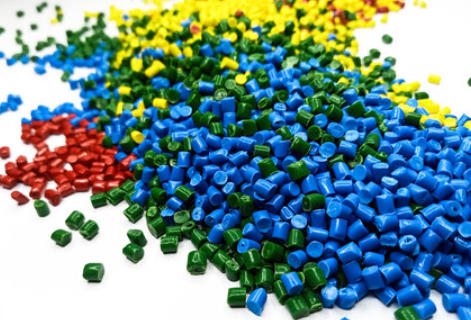
A Masterbatch is a concentrated mixture of pigments, fillers, or additives encapsulated in a carrier resin. It is used to impart specific color or functionality to base plastics. Depending on your requirements, Masterbatch can modify many aspects of molded parts:
- Color and Visual Effects: Enables bright, uniform, repeatable color outcomes.
- UV Protection: Prevents fading and material degradation in outdoor applications.
- Antistatic or Conductive Properties: Helps dissipate static charges or enhance conductivity.
- Flame Retardancy: Meets regulatory fire safety standards.
- Processing Performance: Improves flow properties and reduces cycle time.
Masterbatch contributes not only to appearance but also to mechanical and physical behavior, influencing the final part's quality.
- Consistent Quality: Ensures uniform dispersion of additives.
- Improved Processability: Enhances flow, reduces screw wear, and prevents clogging.
- Ease of Storage and Handling: Pellets are cleaner and easier to measure than powders.
- Cost Optimization: Allows precise additive dosing, minimizing waste.
By combining the correct base resin and customized Masterbatch, manufacturers can produce high-performing parts tailored to exact specifications.
Injection molding applications vary widely, so the right material depends on industry-specific conditions.
Automotive components demand high mechanical strength, heat resistance, and UV stability. Materials like ABS, Nylon, and Polycarbonate reinforced with mineral or glass fiber Masterbatch deliver durability while keeping weight low. Color Masterbatch ensures long-lasting aesthetic appeal.
Electronic housings and parts require flame-retardant plastics and smooth surface finishes. A conductive Masterbatch can be included to dissipate static electricity, ensuring safety and compliance with electronic standards.
Medical devices require biocompatible and sterilization-resistant materials such as PP or PE. Antimicrobial Masterbatch additives can reduce bacterial growth, maintaining hygiene and patient safety.
Food and beverage packaging relies on polyethylene or polypropylene due to their chemical resistance. Anti-blocking or slip Masterbatch types improve production speed and packaging shelf appeal.
Structural components made from PVC, Nylon, or high-density polymers can benefit from UV-resistant Masterbatch to prevent yellowing and enhance weather resistance over time.
Selecting a material should always include testing and validation phases. Physical prototypes or small-batch trials help confirm part performance and process stability under actual molding conditions. Laboratory analysis can measure properties such as melt flow index, tensile strength, and color dispersion.
Masterbatch compatibility testing is also essential, especially when mixing different polymer types. Poorly matched carriers can lead to delamination, uneven coloring, or weak bonding between additives and base resins.
Sustainability is a growing priority in plastic manufacturing. Selecting recyclable materials not only meets environmental regulations but also supports circular economy strategies. Using Recycled Masterbatch—made from reclaimed pigments and carriers—can maintain color uniformity and quality in eco-friendly products.
Manufacturers can also explore biodegradable plastics like PLA or bio-based PE blended with additive Masterbatch for durability and color consistency while maintaining green credentials.
When sourcing materials, choose a reliable supplier with technical expertise in polymer formulation and Masterbatch production. A good supplier should offer:
- Material customization: Tailored resin and Masterbatch combinations for your application.
- Technical support: Guidance in optimizing molding conditions and part design.
- Certification compliance: REACH, RoHS, FDA, or ISO verification.
- Consistent supply chain: Stable production and quick delivery.
Working closely with suppliers allows you to fine-tune your materials for efficiency, performance, and appearance while keeping costs under control.
Selecting the right plastic material for injection molding is a decision that affects every aspect of production—from design and function to long-term reliability. Key factors such as mechanical performance, cost, chemical resistance, and aesthetics must all align with the intended use of the final product. Throughout this process, Masterbatch plays a pivotal role in achieving desired color, stability, and advanced functionality.
By collaborating with expert material developers and incorporating high-quality Masterbatch, manufacturers can achieve consistent product quality, reduce waste, and enhance performance across multiple industries. In a competitive global market, the right combination of base resin and Masterbatch is the foundation of innovation, efficiency, and brand success.
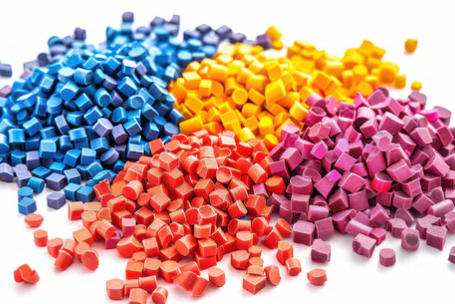
Masterbatch provides color, performance-enhancing additives, and stability to raw polymers. It ensures consistent quality and simplifies mixing during production, leading to uniform results in molded parts.
Yes, but compatibility between the carrier resins and additives must be tested. Over-mixing unrelated Masterbatch types can cause uneven dispersion or poor bonding in the plastic matrix.
Masterbatch improves material flow, controls viscosity, and reduces production defects such as streaking or air traps. It allows smoother injection cycles and more predictable output.
Absolutely. Recycled and bio-based Masterbatch options exist, allowing sustainable production without compromising color strength or mechanical performance.
Working with a reputable supplier ensures consistent batches, quality assurance, and technical guidance in optimizing formulas. Reliable partners help balance cost with performance and sustainability.


