


close
Choose Your Site
Global
Social Media


Views: 222 Author: Rebecca Publish Time: 2025-12-21 Origin: Site


Content Menu
● Understanding Plastic Materials
● The Key Role of Masterbatch in Plastic Material Selection
● Factors to Consider When Choosing Plastic Materials
>> 5. Environmental and Regulatory Compliance
● Step-by-Step Process for Selecting Plastic Materials
● Common Plastic Materials and Their Applications
● Sustainable Trends in Plastic Material Selection
● How Masterbatch Enhances Product Performance
● Choosing the Right Masterbatch Supplier
● FAQ
>> 1. What is a Masterbatch and how does it work?
>> 2. How do I choose the right Masterbatch for my material?
>> 3. Can Masterbatch reduce production costs?
>> 4. Are eco-friendly Masterbatches available?
>> 5. How does Masterbatch affect color consistency?
Selecting the right plastic material is a crucial step in product design, production efficiency, and long-term performance. With thousands of plastic grades available—each offering unique mechanical, thermal, and chemical properties—choosing the ideal one can be complex. This guide explains how to make informed decisions when selecting plastic materials and Masterbatch types for your product applications.
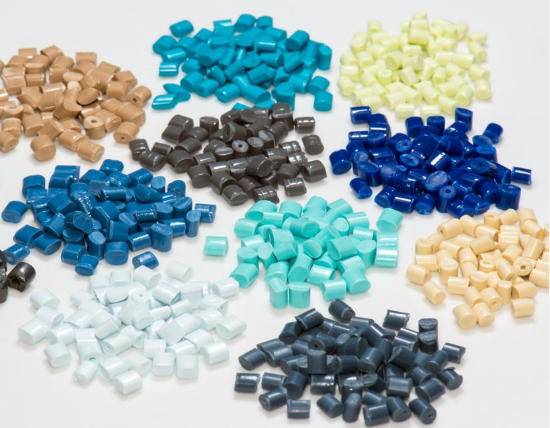
Plastics are synthetic polymers categorized broadly into thermoplastics, thermosets, and elastomers.
- Thermoplastics can be melted, shaped, and remolded multiple times without significant degradation—examples include polypropylene (PP), polyethylene (PE), and polycarbonate (PC).
- Thermosets solidify permanently after molding, offering superior heat resistance and rigidity—examples are epoxy resin and phenolic resin.
- Elastomers, such as silicone rubber, combine flexibility and durability, often used in seals and gaskets.
The growing use of Masterbatch technology enables precise control of color, performance, and additives within these materials. A Masterbatch is a concentrated mixture of pigment, filler, or additive encapsulated in a carrier resin. It is directly mixed with raw polymers to improve functionality and ensure consistent quality.
When designers or manufacturers choose plastic materials, the Masterbatch often plays an equally important role. It enhances product appearance, mechanical strength, UV protection, flame retardancy, and even processing stability.
Types of Masterbatch commonly used in industry include:
- Color Masterbatch: Adds vibrant, stable color tones and ensures uniform dispersion.
- Additive Masterbatch: Incorporates UV stabilizers, anti-static agents, lubricants, and antioxidants for improved performance.
- Filler Masterbatch: Reduces production cost and modifies mechanical properties using calcium carbonate, talc, or other fillers.
- Black and White Masterbatch: Provides high loading of carbon black or titanium dioxide for opacity and contrast.
By customizing Masterbatch formulations, manufacturers achieve consistent product quality while optimizing material costs.
Evaluate tensile strength, impact resistance, and flexibility. Products exposed to mechanical stress—such as automotive components or industrial tools—require durable plastics like ABS, PC, or nylon (PA). If additional performance is needed, a Masterbatch with reinforcing agents can enhance rigidity or toughness.
High-temperature environments demand materials with strong thermal stability. For instance, PEEK or PPS can withstand temperatures above 200°C. Masterbatches with heat stabilizers and flame retardants can expand the thermal range of standard plastics, maintaining safety and performance.
Certain plastics can degrade when exposed to chemicals, oils, or solvents. Evaluate the application's exposure conditions before selection. Additive Masterbatches with protective stabilizers or barrier enhancers are ideal for packaging, automotive, and agricultural uses.
Color and surface finish directly influence consumer perception. Color Masterbatch ensures uniform, consistent, and customizable appearance. Manufacturers can match corporate colors or create distinctive visual effects without altering base polymer characteristics.
Sustainability now drives material decisions. Recyclable polymers, biodegradable compounds, and eco-friendly Masterbatches that avoid heavy metals or toxic pigments are preferred in modern markets. Always check for compliance with regulations such as REACH, RoHS, or FDA standards when choosing plastics for global markets.
Plastics behave differently under varying molding or extrusion conditions. Some materials need higher processing temperatures or special equipment. Using suitable Masterbatch formulations ensures smooth processing and reduces downtime caused by thermal degradation or uneven dispersion.
Balancing price and performance is critical. Filler Masterbatch can reduce overall material costs without compromising quality. For large-scale production, cost optimization through the right Masterbatch combination significantly increases competitiveness.
1. Define Product Requirements: Outline the product's purpose, mechanical load, aesthetic appearance, and expected lifespan.
2. Select Candidate Polymers: Shortlist 3–5 polymers that align with basic functional requirements.
3. Match with Appropriate Masterbatch: Identify necessary color, additive, or filler formulations to achieve required performance.
4. Conduct Trial Tests: Test materials under simulated use environments. Evaluate mechanical strength, stability, and processing ease.
5. Analyze Cost-Performance Ratio: Compare how each combination of polymer and Masterbatch meets technical and financial targets.
6. Confirm Final Selection: Choose the optimal plastic formulation and Masterbatch solution that aligns with production and market needs.
| Plastic Type | Common Applications | Compatible Masterbatch Type |
|---|---|---|
| Polypropylene (PP) | Packaging, automotive interiors | Filler, color, additive |
| Polyethylene (PE) | Film, containers, pipes | UV, anti-block, color |
| Acrylonitrile Butadiene Styrene (ABS) | Electronic housings, toys | Color, flame-retardant |
| Polycarbonate (PC) | Lenses, protective covers | UV, color |
| Nylon (PA) | Gears, bearings, textiles | Lubricant, heat-resistant |
| PET | Bottles, fibers | Color, anti-yellowing |
| PVC | Cable insulation, profiles | Stabilizer, color |
Each material's performance can be elevated through specialized Masterbatch integration—whether enhancing gloss, flexibility, or resistance to degradation.
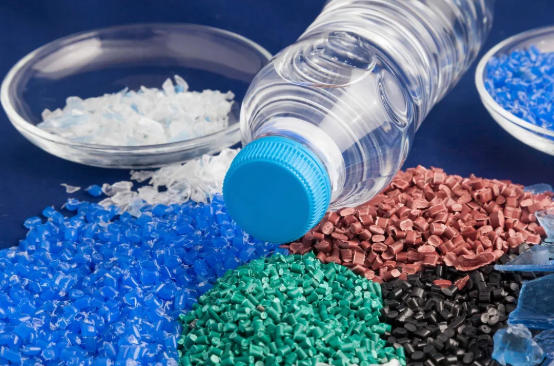
Eco-conscious manufacturing is transforming material selection strategies. Bioplastics, recycled resins, and low-carbon Masterbatch solutions are gaining traction worldwide.
- Recycled Masterbatch: Formulated from post-industrial or post-consumer waste materials to support circular economy goals.
- Bio-based Polymers: Derived from renewable feedstocks like corn starch or sugarcane, these materials can be modified with biodegradable Masterbatches.
- Compostable Masterbatch: Designed to ensure complete decomposition without releasing microplastics, essential for sustainable packaging.
These innovative approaches reduce carbon footprints while meeting changing environmental regulations and market expectations.
In practical applications, Masterbatch acts as the “modifier” of base plastics. Its concentrated additives achieve uniform dispersion, improving both processing and final product quality.
- It ensures color accuracy, vital for brand consistency.
- It enhances UV and oxidation resistance for outdoor products.
- It improves processing stability, reducing melt pressure fluctuations in extrusion and injection molding.
- It contributes to mechanical reinforcement, enabling thinner, lighter designs.
In other words, integrating a properly engineered Masterbatch transforms a basic polymer into a high-performance material tailored for demanding industrial applications.
Partnering with the right supplier is as important as selecting the plastic itself. Look for companies offering:
- Customized formulations aligned with your application.
- Consistent batch quality backed by advanced testing and R&D capability.
- Technical support on processing optimization.
- Compliance with international environmental and safety regulations.
A reliable Masterbatch provider not only enhances product quality but also ensures consistent performance across global production lines.
Choosing the right plastic material involves more than just mechanical or thermal considerations—it demands a holistic understanding of end-use, processing limitations, cost, and sustainability. Masterbatch serves as an essential companion in this selection process, empowering manufacturers to improve product properties, reduce costs, and ensure consistent aesthetics and performance.
By integrating innovative Masterbatch solutions, businesses can fundamentally enhance product quality and adapt to rapidly evolving industrial standards.
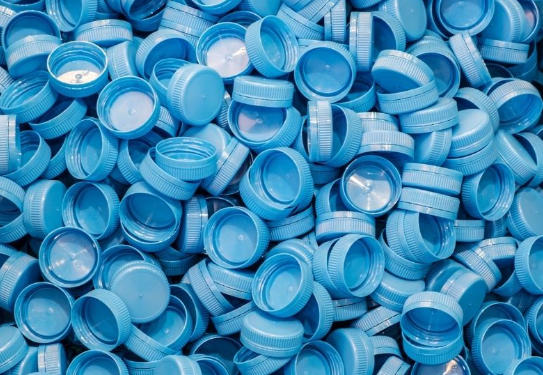
A Masterbatch is a concentrated mixture of pigments or additives encapsulated in a carrier resin. It is blended with raw plastic materials during processing to modify color or improve performance.
Base your selection on material compatibility, desired properties (color, UV stability, flame resistance), and the specific processing method you use—whether injection molding, extrusion, or blow molding.
Yes, Filler Masterbatches containing calcium carbonate or talc can reduce material costs while maintaining strength and processability. They also improve yield and optimize mechanical balance.
Modern suppliers offer biodegradable and recyclable Masterbatches, formulated to meet environmental regulations and reduce carbon emissions during production.
Since Masterbatch ensures pigment uniformity and prevents uneven dispersion, it guarantees stable color quality even during high-speed production runs.


